2.7L Engine Oil Sludge & Premature Wear
high- Typically appears
- 60–120k mi
- Estimated repair
- $2,500 – $6,500
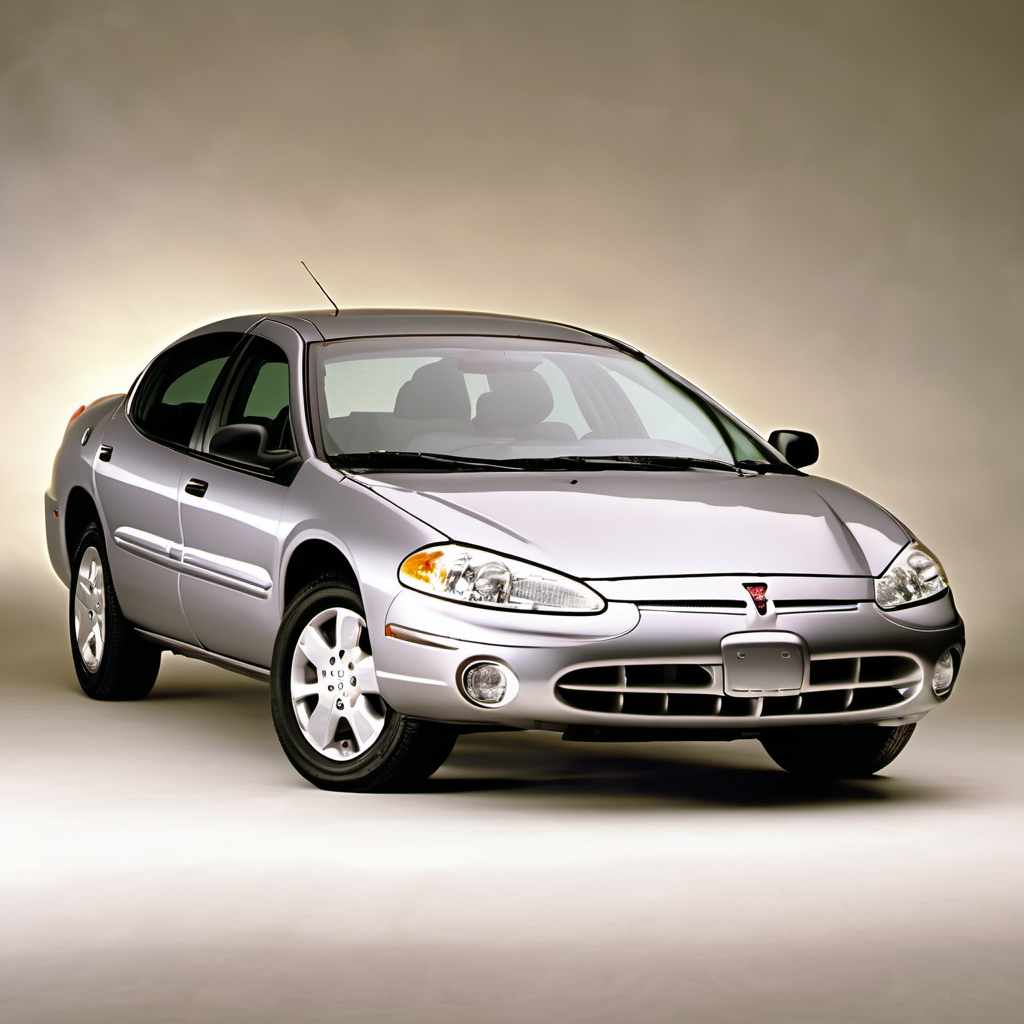
2003 Dodge
Sedan
The 2003 Dodge Intrepid is a full-size front-wheel-drive sedan built on Chrysler's LH platform, sharing its bones with the Chrysler 300M and Concorde. It was Dodge's large-car flagship through the late 1990s and early 2000s, offering a roomy interior, a wide cab-forward stance, and a smooth highway ride at an affordable price point. By 2003 it was in its final model year before Dodge retired the nameplate entirely. The Intrepid with the 2.7L V6 is the one to be cautious about. This engine has a well-documented history of sludging, premature wear, and catastrophic failure when oil changes are neglected even slightly. The 3.5L V6 available on higher trims is the better engine, but this VIN is equipped with the 2.7L. That single fact should drive much of your decision-making on this vehicle. At 20+ years old, these cars are now firmly in high-mileage budget-sedan territory. Parts are still available but the pool of well-maintained examples is shrinking. If the 2.7L engine has been properly serviced with short oil-change intervals, it can run — but verifying that history is critical before any purchase.
The 2003 Dodge Intrepid is a full-size front-wheel-drive sedan built on Chrysler's LH platform, sharing its bones with the Chrysler 300M and Concorde. It was Dodge's large-car flagship through the late 1990s and early 2000s, offering a roomy interior, a wide cab-forward stance, and a smooth highway ride at an affordable price point. By 2003 it was in its final model year before Dodge retired the nameplate entirely. The Intrepid with the 2.7L V6 is the one to be cautious about. This engine has a well-documented history of sludging, premature wear, and catastrophic failure when oil changes are neglected even slightly. The 3.5L V6 available on higher trims is the better engine, but this VIN is equipped with the 2.7L. That single fact should drive much of your decision-making on this vehicle. At 20+ years old, these cars are now firmly in high-mileage budget-sedan territory. Parts are still available but the pool of well-maintained examples is shrinking. If the 2.7L engine has been properly serviced with short oil-change intervals, it can run — but verifying that history is critical before any purchase.
This engine's sludge sensitivity means the standard 5,000–7,500 mile interval used on modern engines is too long. Fresh oil is the single most important thing you can do to keep the 2.7L alive. Use the weight and type specified in the owner's manual.
Degraded coolant accelerates corrosion inside the 2.7L's passages and contributes to the sludge cycle. Use only OAT-compatible coolant per Chrysler spec. Inspect hoses, water pump, and radiator at each service.
The 42LE benefits from regular fluid changes. Many of these cars arrive with neglected trans fluid that is dark and oxidized. Fresh fluid and a clean filter extend solenoid and valve body life significantly.
If you can't verify oil change history, have a shop check chain slack and tensioner condition before trusting the engine for daily use. Catching a failing tensioner early is a $900–$1,500 job; ignoring it can mean a new engine.
On a Wisconsin car this age, corroded brake lines are a real and dangerous possibility. Annual inspection lets you catch and replace lines before a failure at speed.
The 2.7L's rear bank plugs and wires are harder to access but should not be skipped. Worn ignition components on a V6 this age cause misfires that stress the catalytic converters and mask other running issues.
Aging LH-platform rack seals benefit from clean fluid. Dark, burnt PS fluid accelerates seal wear and leaks.
Wisconsin winters are hard on aging batteries. A battery that passes a standard test in summer can fail a load test and leave you stranded at -10°F. Test and replace proactively.
Always defer to the manufacturer's service manual for warranty-mandated intervals.
On paper, the Intrepid is cheap to own. In practice, the 2.7L engine's sensitivity to maintenance neglect means deferred service can turn into a $3,000–$6,500 engine repair practically overnight. Budget on the high end of maintenance if you can't verify service history, and keep an emergency fund — this is not a set-it-and-forget-it engine.
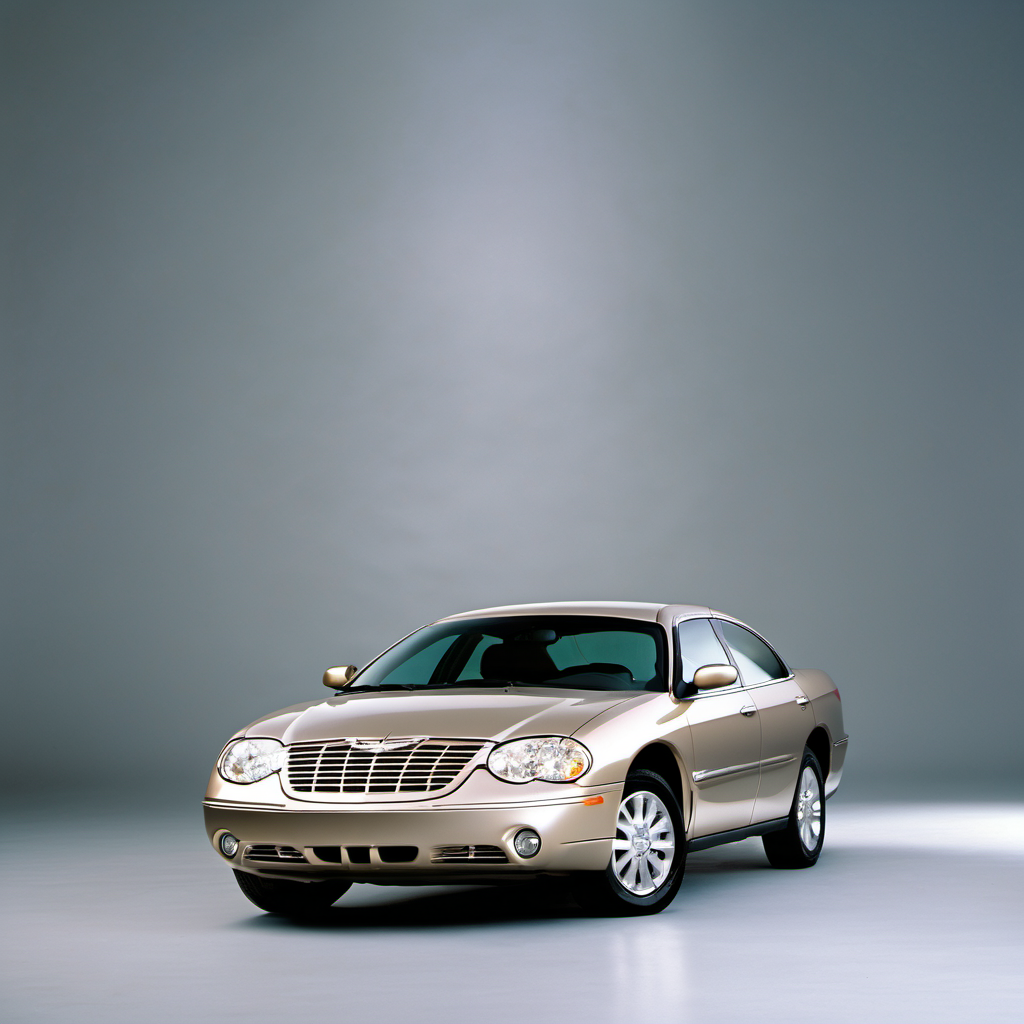
Same LH platform as the Intrepid, same engines, but the Concorde LXi came with the better 3.5L V6 more often — worth seeking out if you want the same size car without the 2.7L risk.
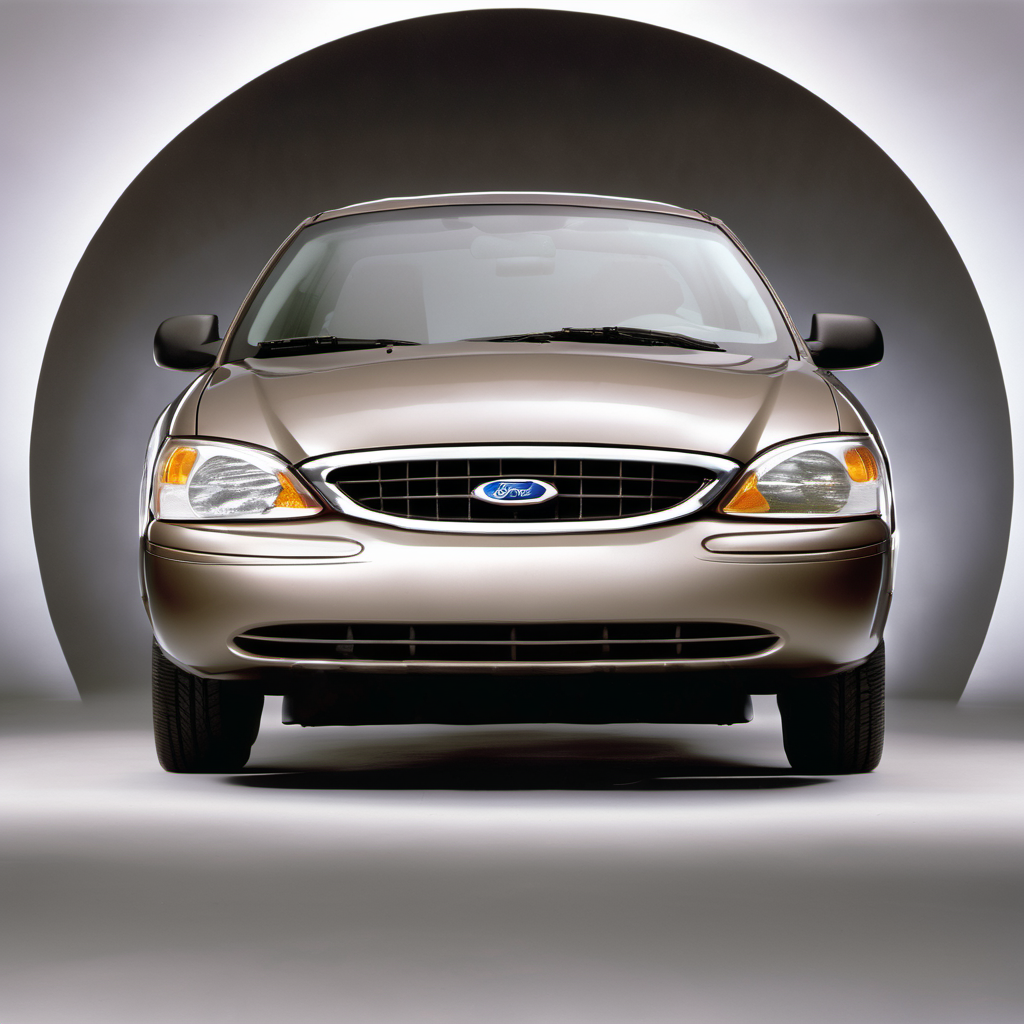
Comparable full-size FWD family sedan from the same era. The Taurus Vulcan V6 has a much stronger reliability reputation and is significantly easier to maintain at this age and price point.
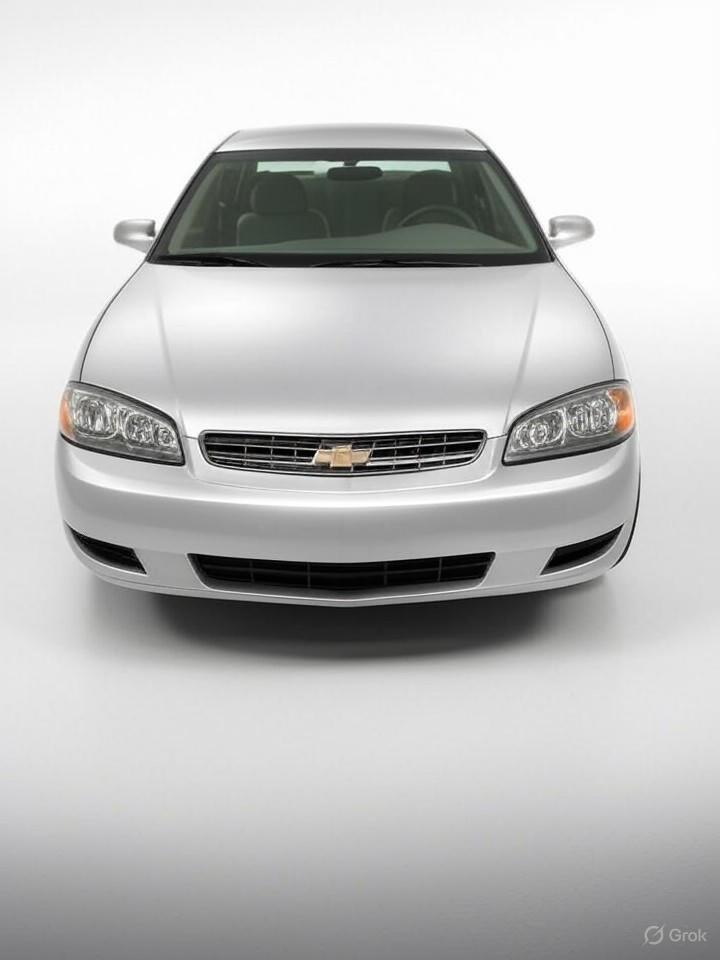
Chevy's large FWD sedan of the same era with the 3.4L or 3.8L V6 — both far more durable engines than the Intrepid's 2.7L. Parts availability is excellent and repair costs are lower.
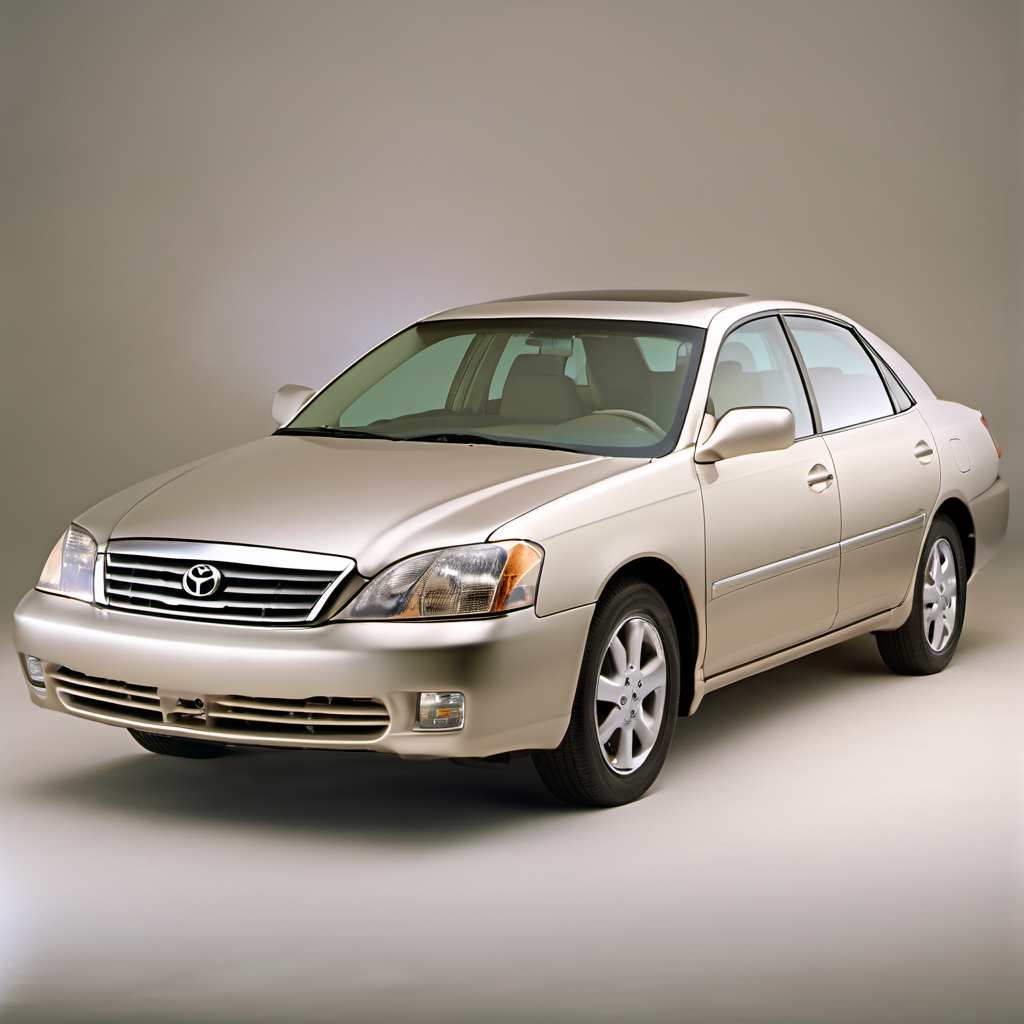
Steps up in price but offers a vastly more reliable full-size FWD sedan in the same class. If long-term dependability matters more than initial cost, the Avalon is the comparison to make.