2.7L V6 Engine Oil Sludge / Failure
high- Typically appears
- 60–120k mi
- Estimated repair
- $2,500 – $6,000
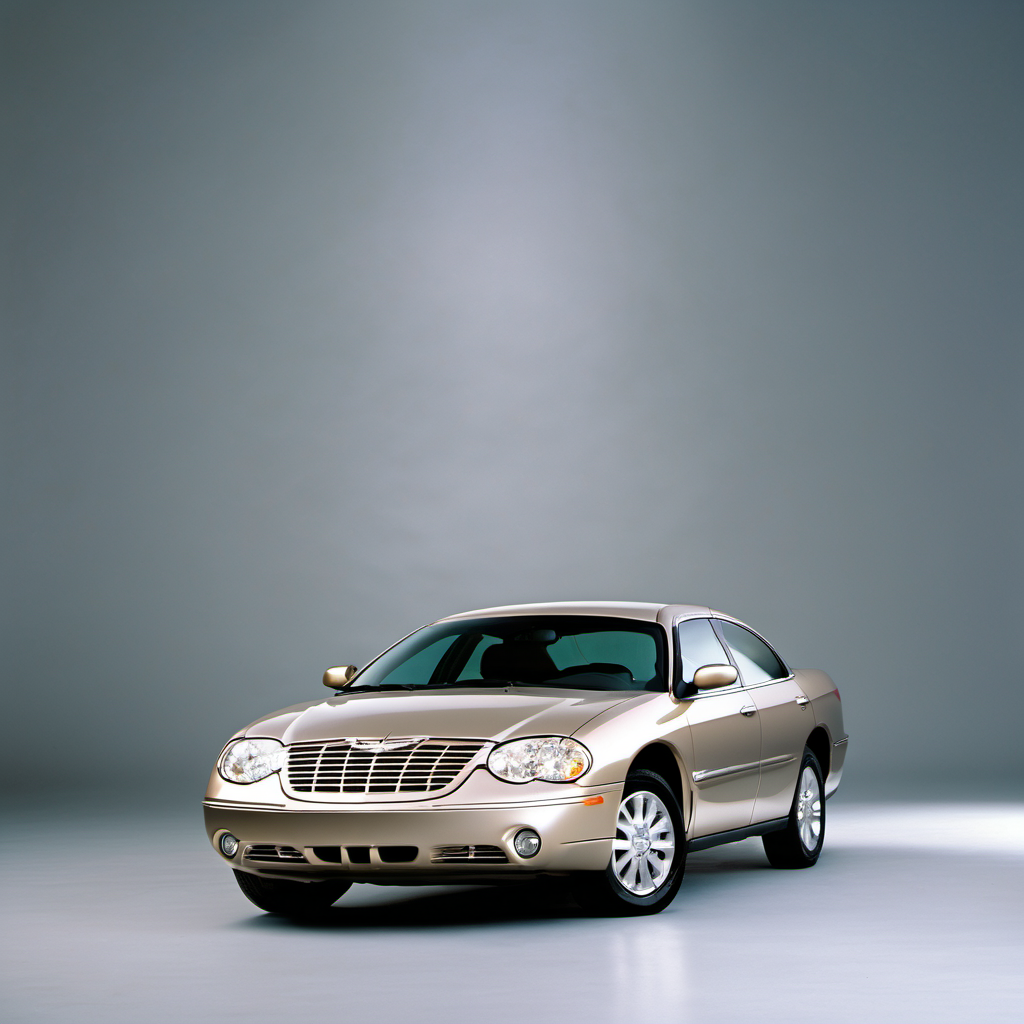
2003 Chrysler
3.5L V6 · Sedan
The 2003 Chrysler Concorde is a full-size front-wheel-drive sedan and the final model year of the LH-platform generation that Chrysler shared with the Dodge Intrepid and Chrysler 300M. It positioned itself as an affordable alternative to import luxury sedans, offering a genuinely large, comfortable cabin at a modest price point. The 2003 model year was the Concorde's last — Chrysler discontinued it after this year, replacing the LH lineup with the 300 and Magnum. Powered by either a 2.7L V6 or the more capable 3.5L V6, the Concorde delivered adequate performance for a family cruiser. The 3.5L is the engine to have — the 2.7L developed a well-documented reputation for sludging up and failing prematurely when oil changes were neglected even slightly. Interior space, ride quality, and highway refinement were genuine strengths. Being a final-year model means parts availability has tightened over the past two decades, and most examples still on the road have well over 100k miles. The LH platform has specific failure patterns that buyers and owners need to know before committing. Buying one for a daily driver is a budget play — keep a repair fund handy.
The 2003 Chrysler Concorde is a full-size front-wheel-drive sedan and the final model year of the LH-platform generation that Chrysler shared with the Dodge Intrepid and Chrysler 300M. It positioned itself as an affordable alternative to import luxury sedans, offering a genuinely large, comfortable cabin at a modest price point. The 2003 model year was the Concorde's last — Chrysler discontinued it after this year, replacing the LH lineup with the 300 and Magnum. Powered by either a 2.7L V6 or the more capable 3.5L V6, the Concorde delivered adequate performance for a family cruiser. The 3.5L is the engine to have — the 2.7L developed a well-documented reputation for sludging up and failing prematurely when oil changes were neglected even slightly. Interior space, ride quality, and highway refinement were genuine strengths. Being a final-year model means parts availability has tightened over the past two decades, and most examples still on the road have well over 100k miles. The LH platform has specific failure patterns that buyers and owners need to know before committing. Buying one for a daily driver is a budget play — keep a repair fund handy.
The 2.7L is extremely sensitive to oil degradation. Even slightly extended intervals allow sludge buildup that restricts oil passages and kills the engine. The 3.5L is more tolerant but still benefits from frequent changes on an older vehicle.
The 42LE automatic is prone to solenoid and valve body wear. Fresh ATF+4 fluid slows internal wear and keeps the solenoids functioning correctly.
The LH-platform cooling system is prone to thermostat housing cracks and gasket seepage. Old coolant becomes acidic and accelerates this. Inspect hoses, clamps, and the overflow bottle for cracks at every flush.
The 3.5L V6 responds well to fresh plugs for fuel economy and smooth idle. Worn plugs on this engine can contribute to misfires and unnecessary drivetrain stress.
A snapped serpentine belt leaves you stranded and cuts power steering and charging simultaneously. Tensioner pulleys on LH-platform cars wear and can cause belt slippage.
Wisconsin road salt accelerates corrosion on the subframe, brake lines, and fuel lines. Catching surface rust early and treating it is far cheaper than subframe repair or line replacement.
Cold Wisconsin winters expose weak batteries. A battery that starts the car fine at 60°F may fail to crank at -10°F. Test before the season, not after you're stranded.
Steel brake lines on 20-year-old vehicles in salt states are a known failure point. A corroded brake line can rupture without warning. Visual inspection every year is essential on a car this age.
Always defer to the manufacturer's service manual for warranty-mandated intervals.
The Concorde looks cheap to buy and own until a major repair hits. Routine maintenance is inexpensive, but the 2.7L engine and transmission are financial wildcards. Budget for at least one significant repair ($500–$2,000+) per year on a high-mileage example. A well-maintained 3.5L car is the more economical long-term ownership story.
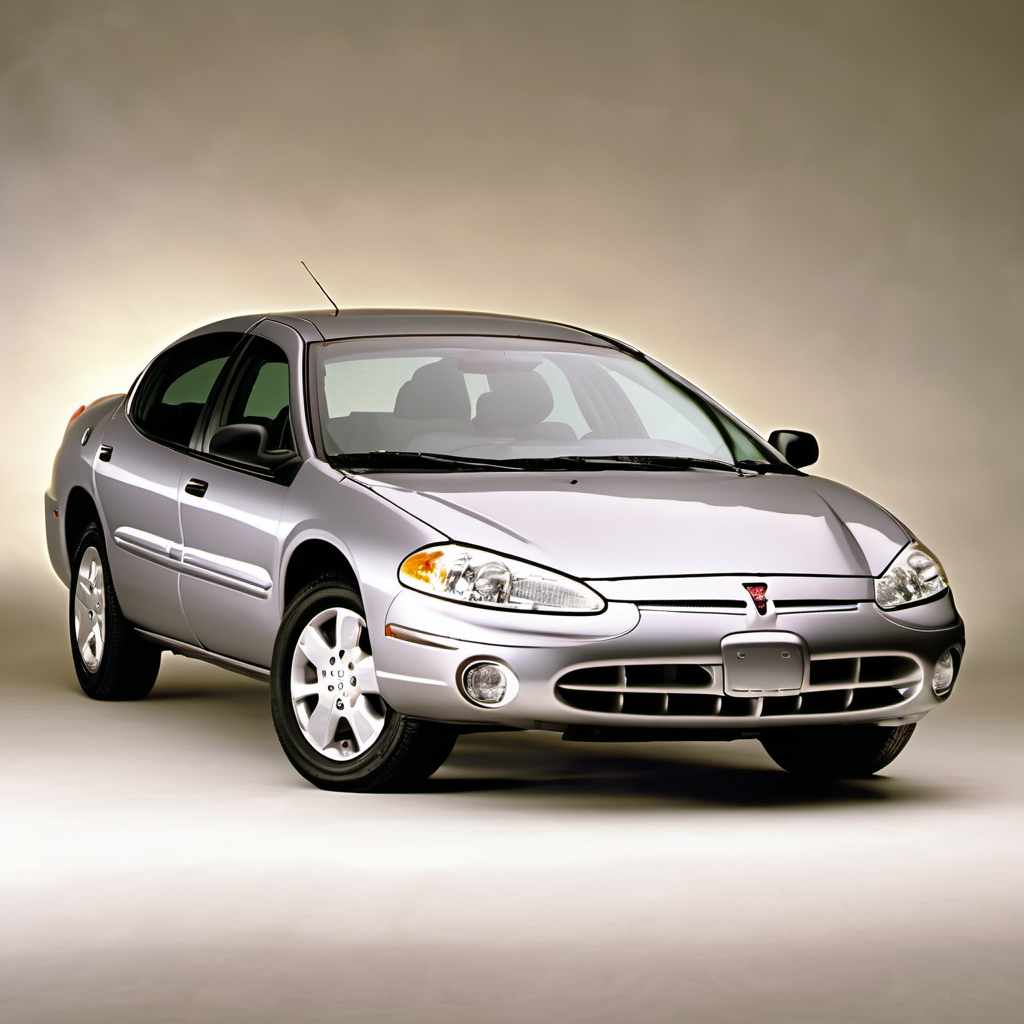
Shares the same LH platform, engines, and transmission. Mechanically identical — choose based on price and condition, not badge.
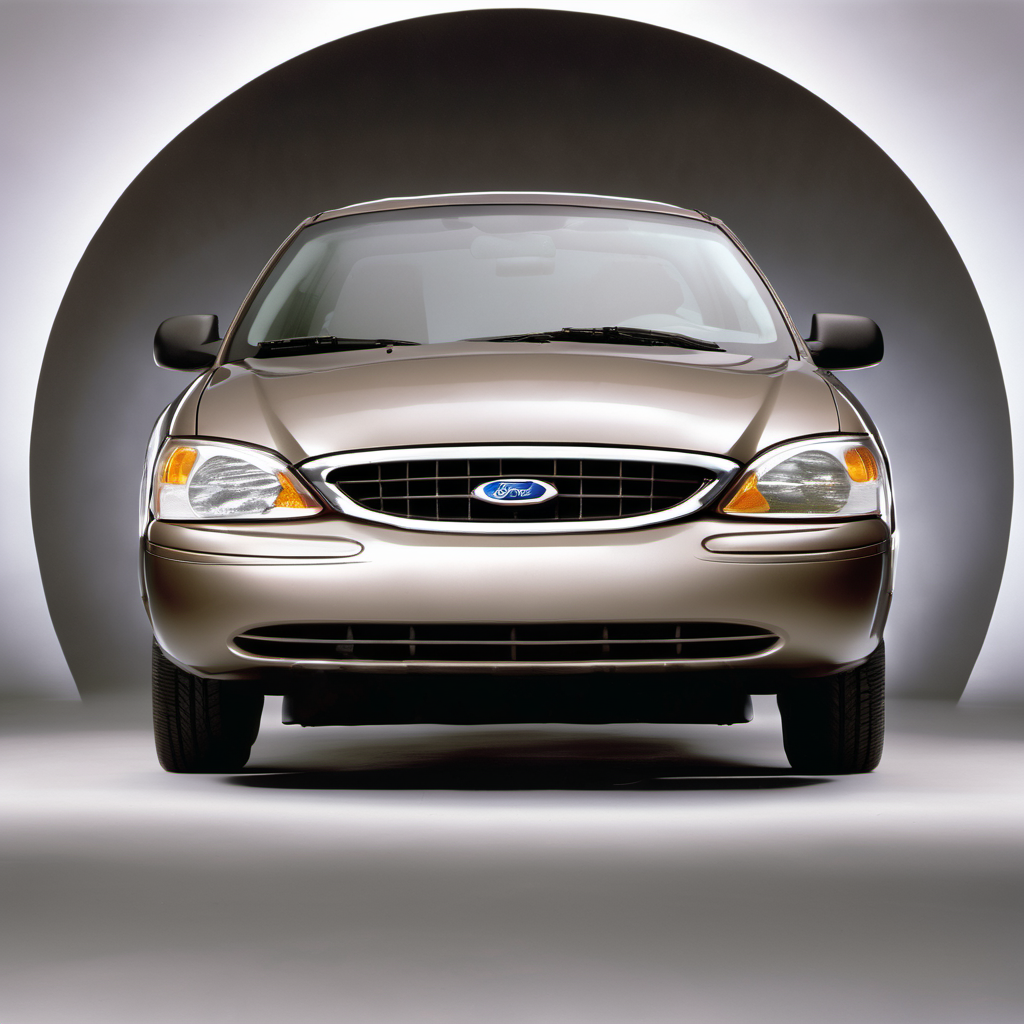
Similar full-size FWD family sedan at the same price point. The Taurus Vulcan V6 has a stronger long-term reliability record and better parts availability.
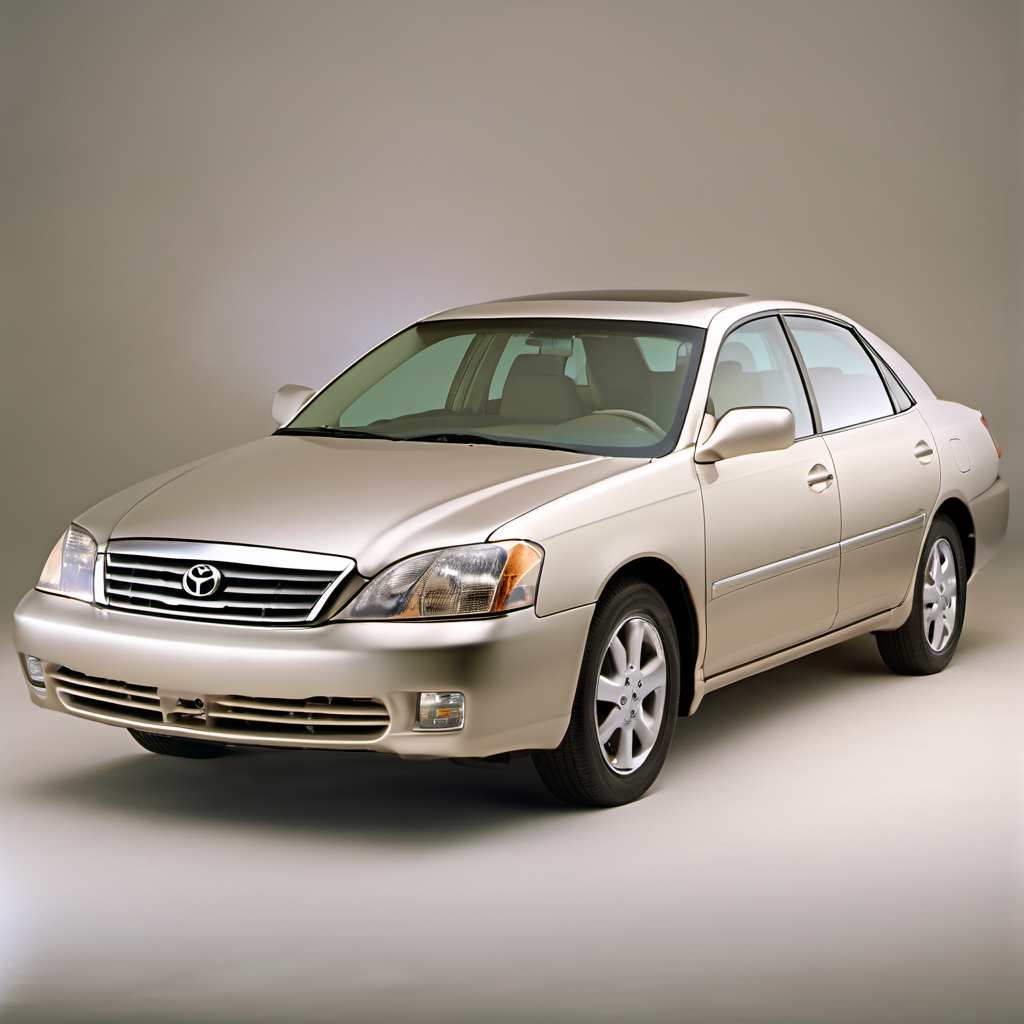
Full-size front-wheel-drive V6 sedan in the same segment. Significantly more reliable long-term, though higher used prices reflect that.
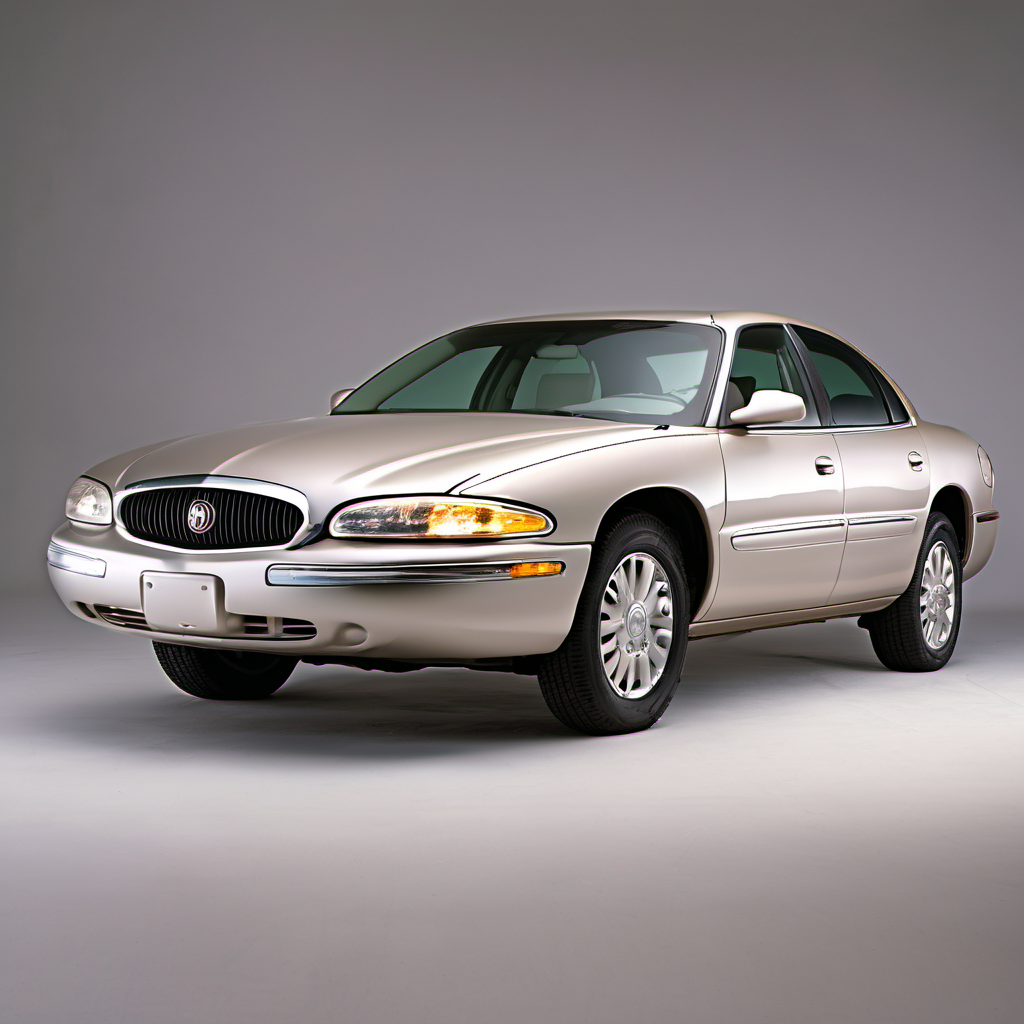
Large, comfortable FWD American sedan with the 3800 V6 — one of the most proven engines of the era. Comparable size and mission, better reliability track record.