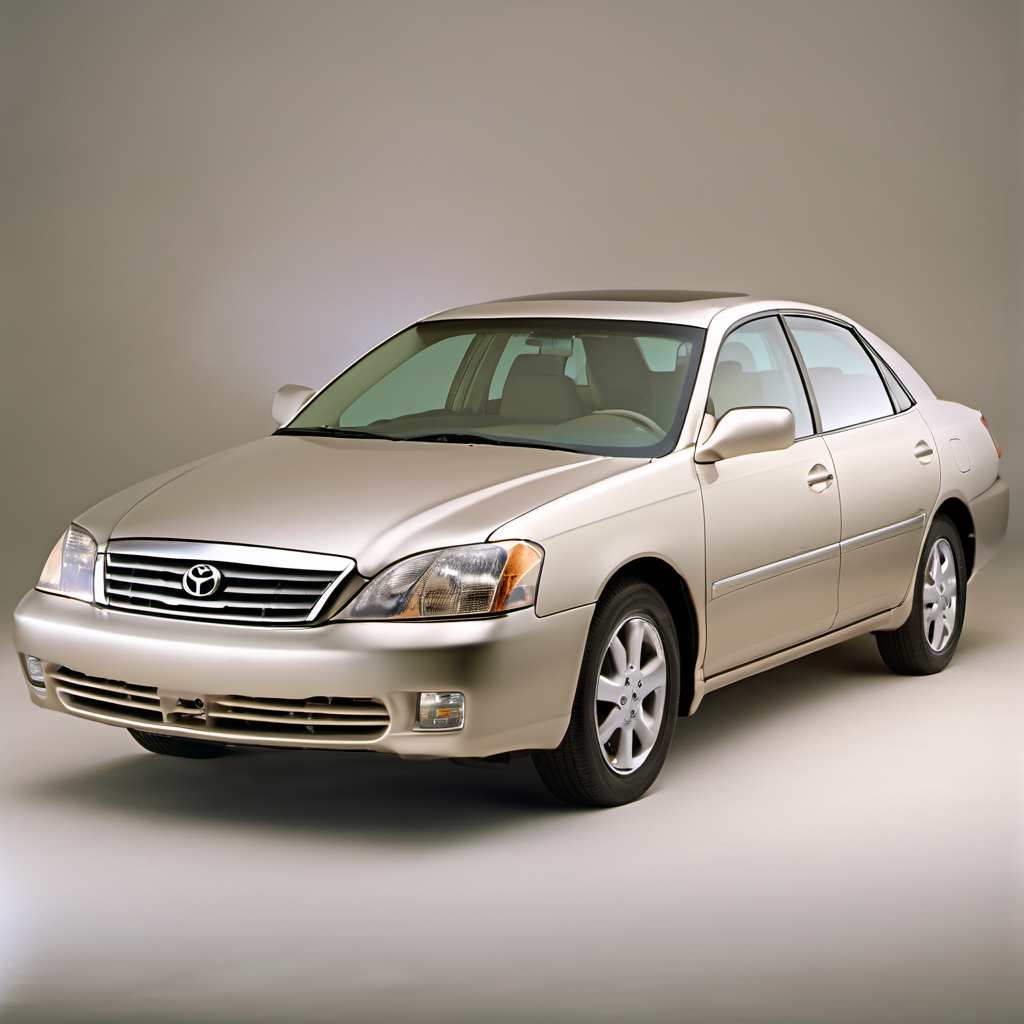
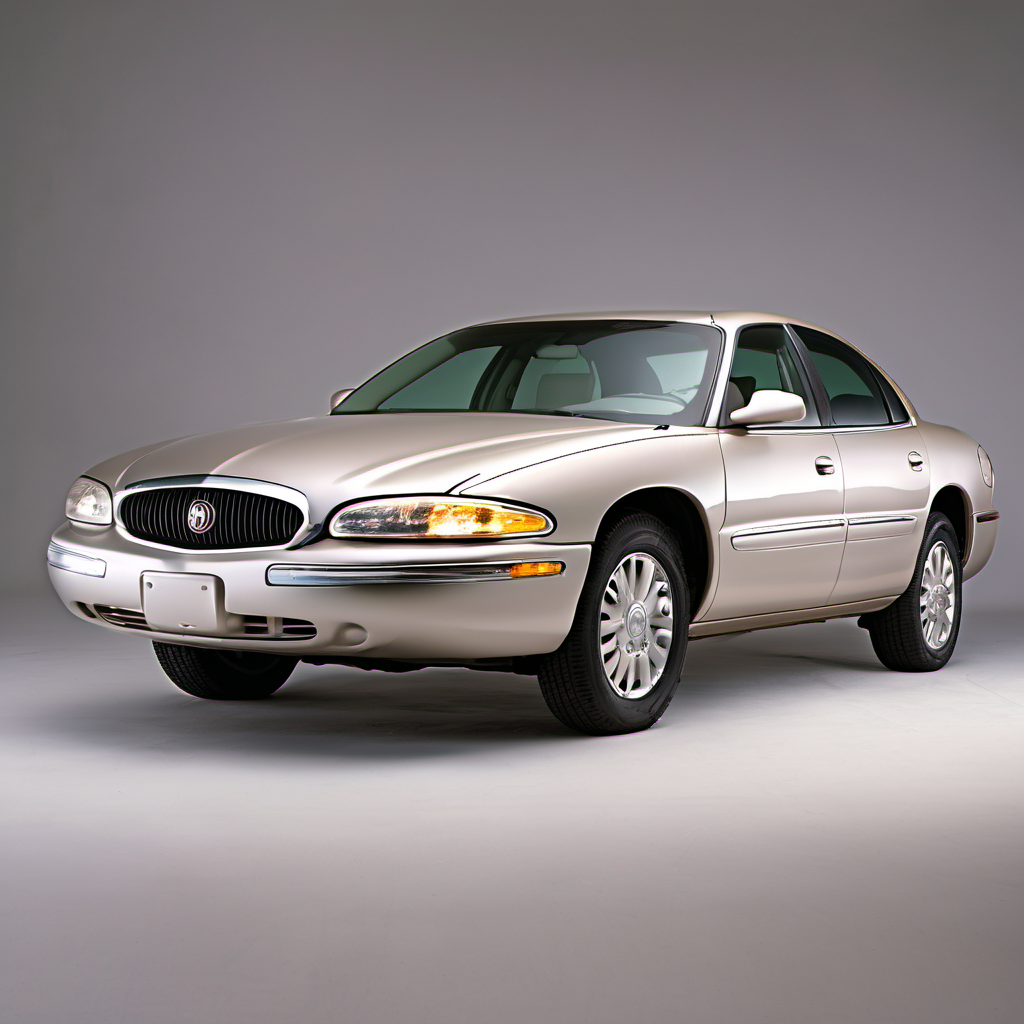
2003 Toyota Avalon Sedan

2003 Toyota

AvalonSedan

Sedan

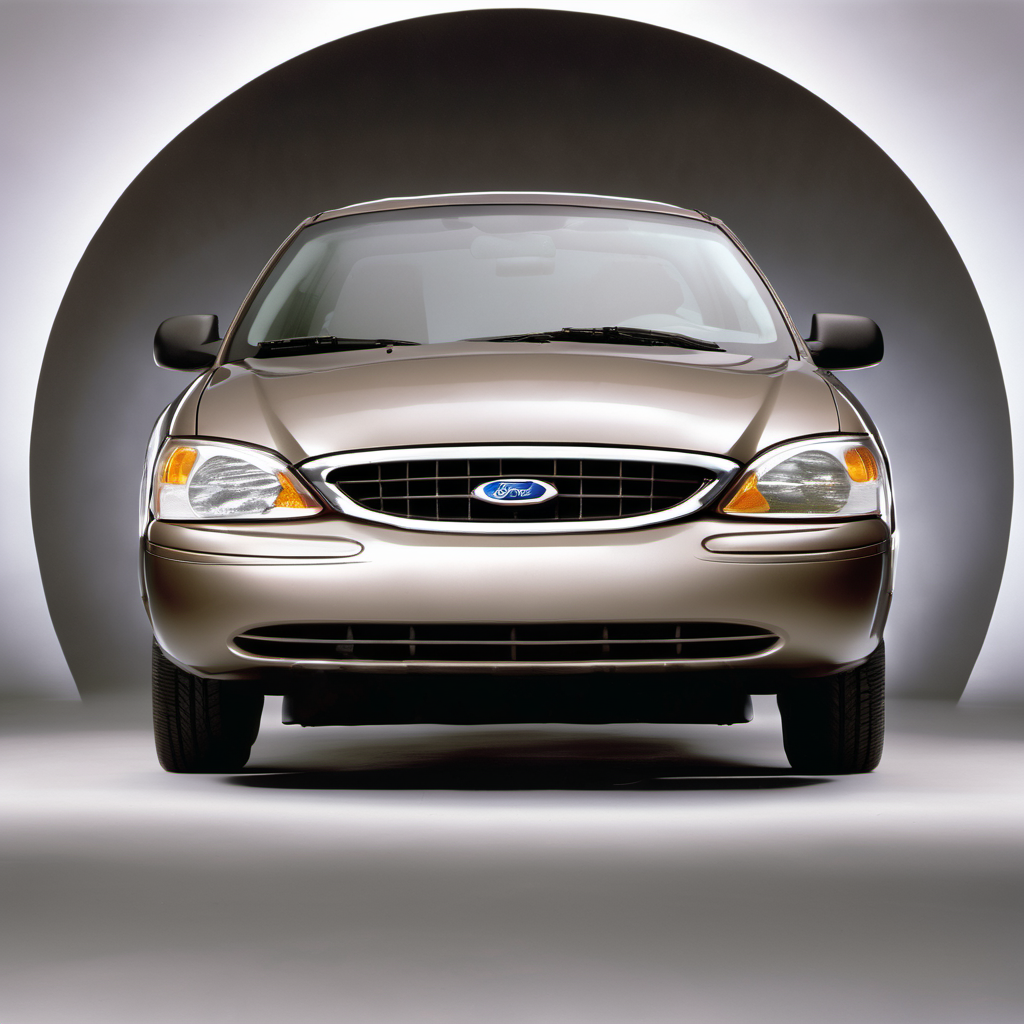
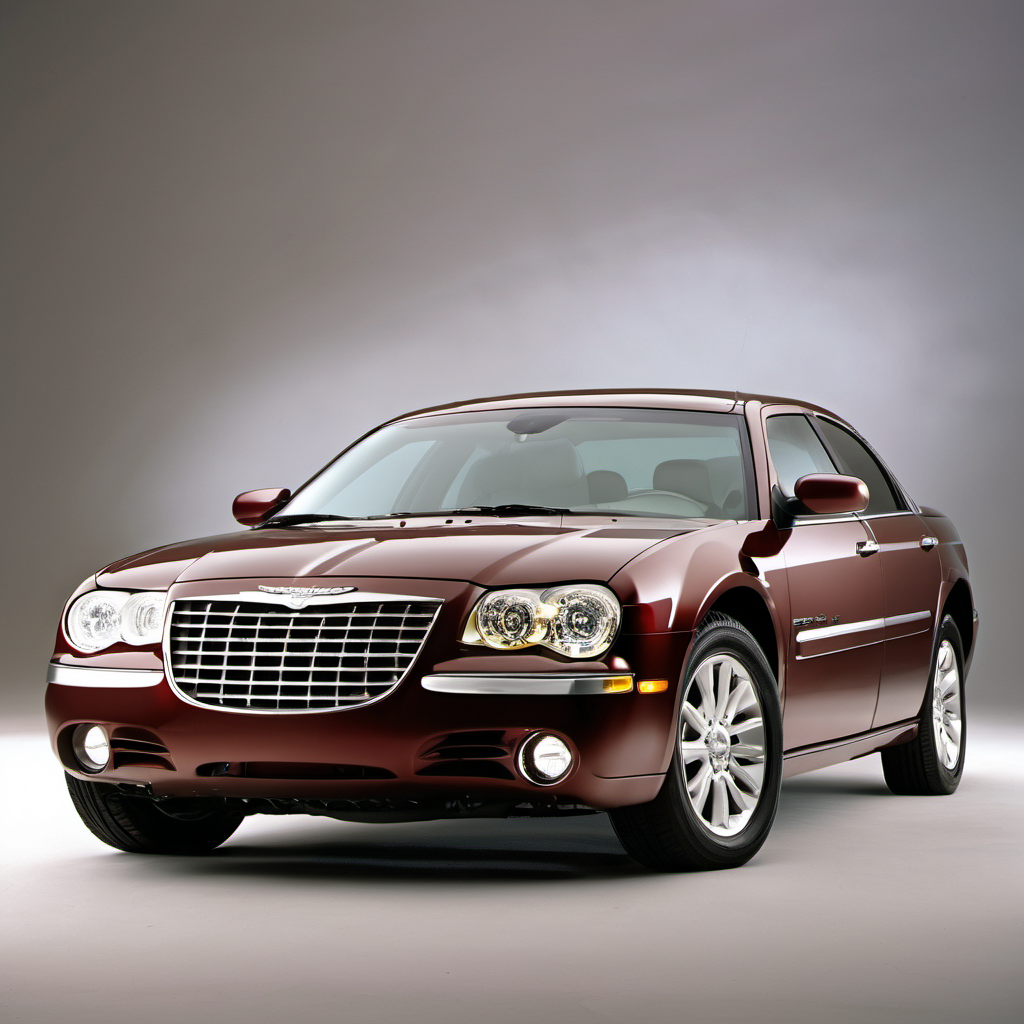
The 2003 Toyota Avalon is the second-generation (XX20) full-size front-wheel-drive sedan, positioned as Toyota's flagship domestic car. It's built on a stretched Camry platform but offers a noticeably more spacious cabin — particularly in the rear — making it a favorite for buyers who want near-luxury comfort without the luxury price tag or maintenance bills. Powered by Toyota's proven 1MZ-FE 3.0L V6, the Avalon is known for durability when properly maintained. At 20+ years old these cars are well into high-mileage territory, but well-kept examples still cover highway miles reliably. Rust from Wisconsin salt exposure is the biggest threat to longevity on these at this age. The Avalon competes with the Ford Taurus, Buick LeSabre, and Chrysler 300M in spirit, but typically outlasts all of them. If you want a roomy, quiet, comfortable sedan that can realistically hit 200k miles with basic care, the '03 Avalon is a solid pick — just budget for age-related wear items and do a thorough undercarriage rust inspection before buying.

Reliability
4/5
Verified data
Specs shown for Avalon — the most common configuration. Other trims may vary in engine, drivetrain, or fuel economy. Sign in to see your vehicle's exact specs.
Engine
[object Object]
Drivetrain
FWD
Fuel
Gasoline
MPG
19 city / 27 hwy / 22 combined
Seats
Doors
Body
Large Cars

Overview

AI-curated

The 2003 Toyota Avalon is the second-generation (XX20) full-size front-wheel-drive sedan, positioned as Toyota's flagship domestic car. It's built on a stretched Camry platform but offers a noticeably more spacious cabin — particularly in the rear — making it a favorite for buyers who want near-luxury comfort without the luxury price tag or maintenance bills. Powered by Toyota's proven 1MZ-FE 3.0L V6, the Avalon is known for durability when properly maintained. At 20+ years old these cars are well into high-mileage territory, but well-kept examples still cover highway miles reliably. Rust from Wisconsin salt exposure is the biggest threat to longevity on these at this age. The Avalon competes with the Ford Taurus, Buick LeSabre, and Chrysler 300M in spirit, but typically outlasts all of them. If you want a roomy, quiet, comfortable sedan that can realistically hit 200k miles with basic care, the '03 Avalon is a solid pick — just budget for age-related wear items and do a thorough undercarriage rust inspection before buying.

Known for
  • Exceptionally roomy rear seat — rivals some entry-level luxury sedans
  • Proven 1MZ-FE 3.0L V6 with strong long-term reliability
  • Quiet, compliant ride tuned for highway comfort
  • Strong resale value retention even at high mileage
  • Well-appointed interior for its class and era
Best for
  • Buyers wanting near-luxury comfort on a budget
  • Highway commuters and road-trip drivers
  • Retirees or passengers who need easy rear-seat access
  • Owners who want a low-drama, high-mileage daily driver
Watch for
  • Undercarriage rust — critical inspection point in Wisconsin
  • Oil sludge in the 1MZ-FE if oil changes were skipped
  • Age-related rubber failure: CV axle boots, coolant hoses, motor mounts
  • Power window regulator and door lock actuator failures common at this age
  • Worn struts and front-end bushings on high-mileage examples

Common issues by mileage

6 known

Engine Oil Sludge (1MZ-FE)

medium
Typically appears
60–150k mi
Estimated repair
$800 – $4,000

Power Window Regulator Failure

high
Typically appears
80–200k mi
Estimated repair
$150 – $350

Front Strut and Strut Mount Wear

high
Typically appears
80–150k mi
Estimated repair
$400 – $900

Oxygen Sensor / Heater Circuit Failure

medium
Typically appears
100–175k mi
Estimated repair
$150 – $400

Coolant Hose and Thermostat Aging

high
Typically appears
100k+ mi
Estimated repair
$100 – $400

Maintenance schedule

  1. 1
    Every 5,000 miles or 6 months — do not stretch intervals on this engine Engine oil and filter change

    The 1MZ-FE is prone to oil sludge when oil changes are delayed. Use a quality 5W-30 and stick to schedule. This is the single most important maintenance item on this vehicle.

  2. 2
    Every 2 years / 30,000 miles Coolant flush

    The 1MZ-FE runs warm; degraded coolant accelerates water pump and head gasket wear. On a 20-year-old car, inspect all hoses and the thermostat at the same time.

  3. 3
    Every 30,000 miles Transmission fluid change

    Toyota's U341E 4-speed automatic is durable but responds well to clean fluid. Many high-mileage Avalons have never had a drain-and-fill — do it now if history is unknown.

  4. 4
    Every 60,000 miles Spark plugs (iridium)

    Factory iridium plugs have long life but worn plugs stress the ignition coils and reduce fuel economy noticeably on the V6.

  5. 5
    Every 60,000 miles or 5 years Serpentine belt and tensioner inspection

    At 20+ years old, rubber components harden and crack. A belt failure can strand you or, worse, damage the water pump pulley. Replace proactively.

  6. 6
    Every 2 years Brake fluid flush

    Brake fluid is hygroscopic. Wisconsin humidity accelerates moisture absorption, lowering boiling point and corroding ABS components.

  7. 7
    Every fall before winter Undercarriage rust inspection and treatment

    Wisconsin road salt attacks the subframe, brake lines, and exhaust on vehicles this age. Inspect brake lines closely — steel lines corrode through and are a safety failure.

  8. 8
    Every 60,000 miles or when P0012/P0022 codes appear VVT-i oil control valve cleaning/inspection

    Sludge and dirty oil clog the VVT-i solenoids, causing camshaft timing codes and rough running. Often a cleaning fixes it if caught early; neglect leads to valve replacement.

Always defer to the manufacturer's service manual for warranty-mandated intervals.

Cost of ownership

Annual maintenance
$600 – $1,400
Fuel
At 22 MPG combined and roughly 12,000 miles/year, expect around $1,900–$2,200/year at current Midwest fuel prices. Highway-heavy driving will do better.
Insurance
Typically low — the Avalon's age, size class, and safety record put it in a favorable insurance bracket. Expect $700–$1,100/year for full coverage on a vehicle this age depending on driver profile.

The 2003 Avalon is one of the more affordable large sedans to own long-term. Routine maintenance is inexpensive, parts are widely available, and independent shops can handle virtually everything without dealer specialty tools. The main cost risks are age-related: sludge repairs if maintenance was skipped, strut/suspension refresh, and rust remediation on the brake lines and undercarriage — all common on upper-Midwest cars this age. A well-maintained example kept inside or treated annually is genuinely cheap to run.
Seasonal care

Lake Geneva, WI
Winter
  • Switch to 5W-30 full synthetic if not already — it flows better on sub-zero cold starts and reduces the sludge risk the 1MZ-FE is known for.
  • Test the battery before November. Cold cranking amps drop sharply in sub-zero temps; a battery over 4–5 years old should be load-tested and replaced if borderline.
  • Flush and top off coolant with a 50/50 mix rated to at least -34°F. Inspect all hoses for softness or swelling before temperatures drop.
  • Inspect steel brake lines under the car for rust perforation before winter — salt accelerates existing corrosion, and a line failure is a brake failure.
  • Use winter-rated washer fluid (good to -20°F minimum). Wisconsin winters will freeze standard fluid in the reservoir and crack the pump.
  • Rinse the undercarriage regularly through winter to slow salt accumulation, especially in wheel wells and along the subframe.
Summer
  • Check tire pressure monthly — tires gain roughly 1 PSI per 10°F of temperature increase and can become overinflated in summer heat.
  • Inspect the A/C system at the start of summer; the Avalon's cabin is large and a weak compressor will struggle on hot days. Recharge if cooling is marginal.
  • Check coolant level and hose condition before summer heat — a 20-year-old cooling system under sustained highway load is where aging hoses blow.
  • Inspect the serpentine belt for glazing or cracking; heat accelerates rubber degradation on belts this age.

Comparable vehicles

If you're shopping for one

Red flags
  • Sludge visible on the oil cap or dipstick — walk away unless the price reflects an engine replacement.
  • Any soft, swollen, or weeping coolant hoses — sign of deferred maintenance on a 20-year-old cooling system.
  • Rust perforation on the subframe or brake lines — these are structural and safety concerns, not cosmetic ones.
  • No maintenance records — with a sludge-prone engine, undocumented oil change history is a genuine risk.
  • Check engine light on — scan it; P0012/P0022 VVT codes or oxygen sensor codes should be diagnosed before purchase, not after.
What to inspect
  • Pull the oil cap and check for sludge (thick brown/tan gunk) inside the valve cover — this is the fastest way to assess oil maintenance history on the 1MZ-FE.
  • Check all four steel brake lines along the undercarriage for rust bubbling, perforation, or fittings that look corroded through — common on Wisconsin-salt cars this age.
  • Test every power window from the driver's door switch; regulator failures are common and each repair is $150–$350.
  • Listen for clunking over bumps with the wheel turned — worn front strut mounts are very common and inexpensive to diagnose.
  • Scan for codes before purchase, especially P0012/P0015/P0022/P0025 (VVT-i timing) which can indicate sludge or solenoid wear.
AI profile generated 8 days ago · claude-sonnet-4-6 · v2.