Intake Manifold Lower Gasket Failure
high- Typically appears
- 60–120k mi
- Estimated repair
- $300 – $550
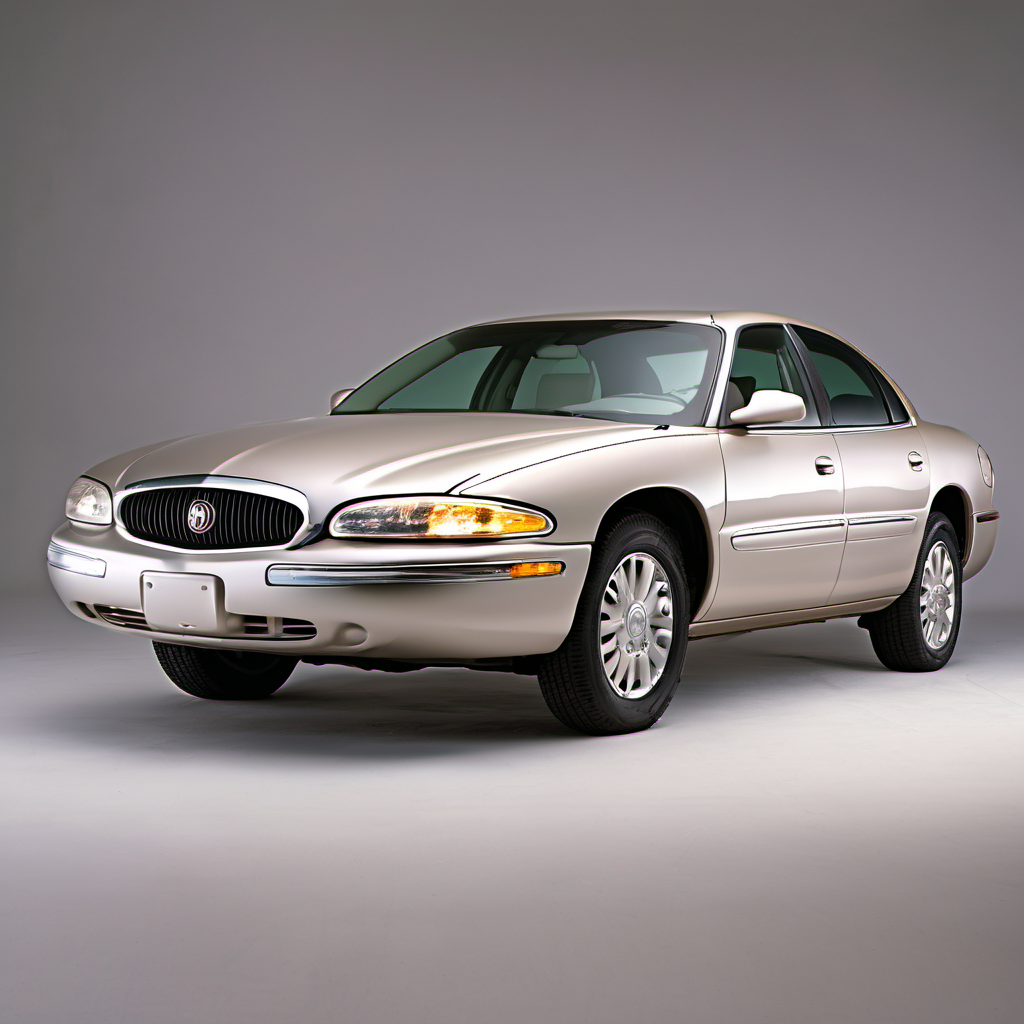
2003 Buick
Sedan
The 2003 Buick LeSabre is a full-size, front-wheel-drive sedan built on GM's G-body platform and powered by the legendary 3800 Series II V6 — one of the most durable production engines GM ever made. It was the best-selling full-size sedan in America for much of its production run, beloved by owners who valued a quiet, comfortable ride, a spacious interior, and genuinely low long-term repair costs. By 2003 the LeSabre was in its final model year before giving way to the LaCrosse. That means you're getting a fully mature, well-sorted car with no first-year gremlins. Parts are cheap and widely available, every independent shop knows this engine, and the 4T65-E automatic transmission paired with the 3800 is well understood. The LeSabre's weakness is its age — the youngest example is now 20+ years old, and deferred maintenance is the real enemy. Cooling system plastics, intake manifold gaskets, and suspension bushings all age with time more than mileage. A clean, well-documented example is genuinely hard to beat for low-cost comfortable transportation.
The 2003 Buick LeSabre is a full-size, front-wheel-drive sedan built on GM's G-body platform and powered by the legendary 3800 Series II V6 — one of the most durable production engines GM ever made. It was the best-selling full-size sedan in America for much of its production run, beloved by owners who valued a quiet, comfortable ride, a spacious interior, and genuinely low long-term repair costs. By 2003 the LeSabre was in its final model year before giving way to the LaCrosse. That means you're getting a fully mature, well-sorted car with no first-year gremlins. Parts are cheap and widely available, every independent shop knows this engine, and the 4T65-E automatic transmission paired with the 3800 is well understood. The LeSabre's weakness is its age — the youngest example is now 20+ years old, and deferred maintenance is the real enemy. Cooling system plastics, intake manifold gaskets, and suspension bushings all age with time more than mileage. A clean, well-documented example is genuinely hard to beat for low-cost comfortable transportation.
The 3800 has tight tolerances that reward clean oil. At this age, 5,000-mile intervals with conventional oil are appropriate — stretch intervals shorten engine life.
Dex-Cool breaks down in air-exposed systems and becomes acidic. Inspect all plastic crossover elbows and the overflow tank for cracks at every flush — these fail silently and cause rapid overheating.
GM listed this as a 'lifetime' fluid but real-world experience says otherwise. Fresh fluid at this interval dramatically extends transmission life.
The rear bank plugs on the 3800 are awkward to access. Use the correct plug gap — wrong gap causes misfires and can be mistaken for a more expensive problem.
A snapped belt on a cold Wisconsin morning stops everything — power steering, alternator, and water pump all run off this belt.
Moisture-absorbed brake fluid lowers boiling point and accelerates caliper corrosion — both concerns in a Wisconsin winter-salt environment.
The in-line filter on this generation is inexpensive and easy to replace. A clogged filter stresses the fuel pump, which is much more expensive to replace.
Lake Geneva roads get heavy salt. Check subframe mounts, rear wheel wells, and rocker panels for rust progression each spring — catching it early saves structural repairs later.
Always defer to the manufacturer's service manual for warranty-mandated intervals.
The LeSabre is one of the cheaper full-size sedans to own long-term. Parts are plentiful and inexpensive, the 3800 engine is simple to work on, and independent shops know this car well. The main budget risk is deferred cooling system work — if the intake gaskets and plastic coolant components haven't been addressed, budget $500–$800 upfront. A healthy example costs very little to keep on the road.
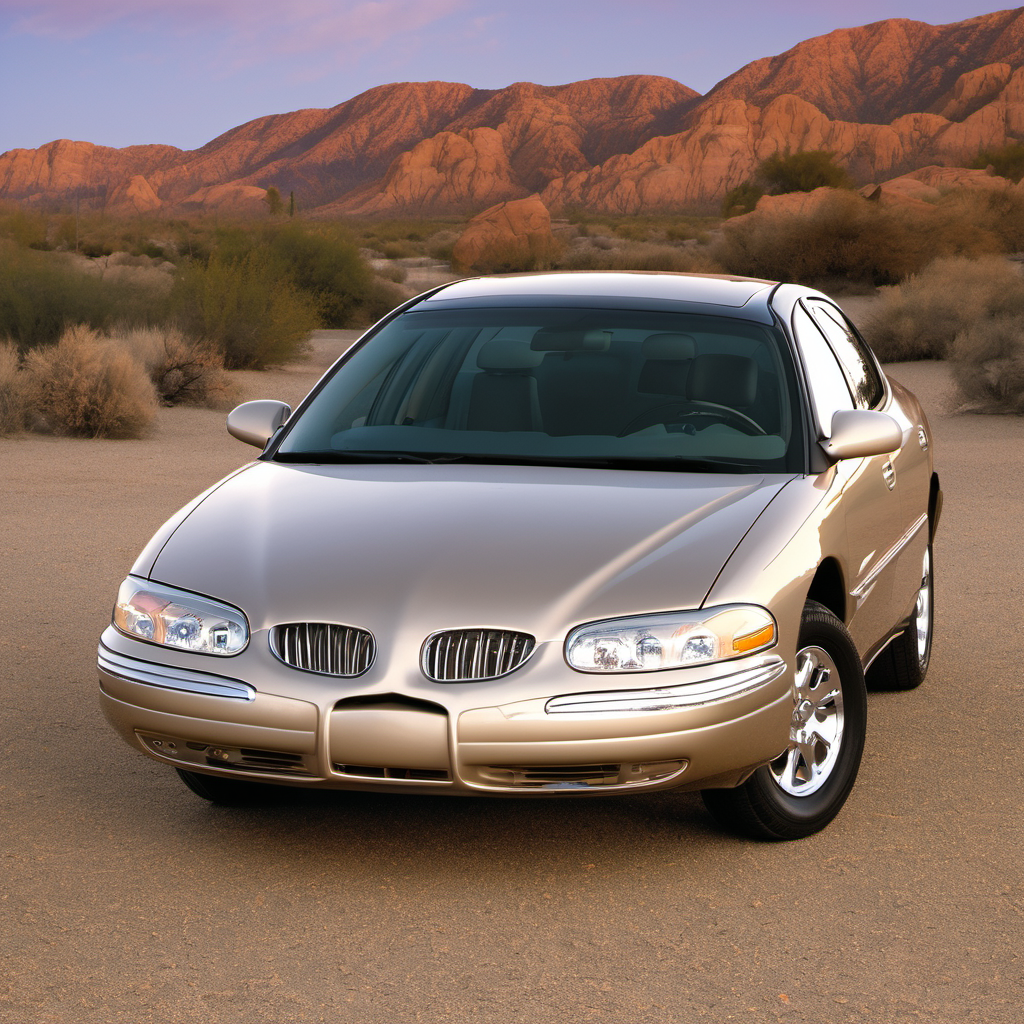
Same GM H-body platform, same 3800 V6, similar price point — essentially a sportier sibling with a slightly firmer ride. Parts interchangeability is high.
Near-identical platform and drivetrain from the same era. The 88 was discontinued in 1999 but used examples compete directly with the LeSabre in the used market.
No catalog match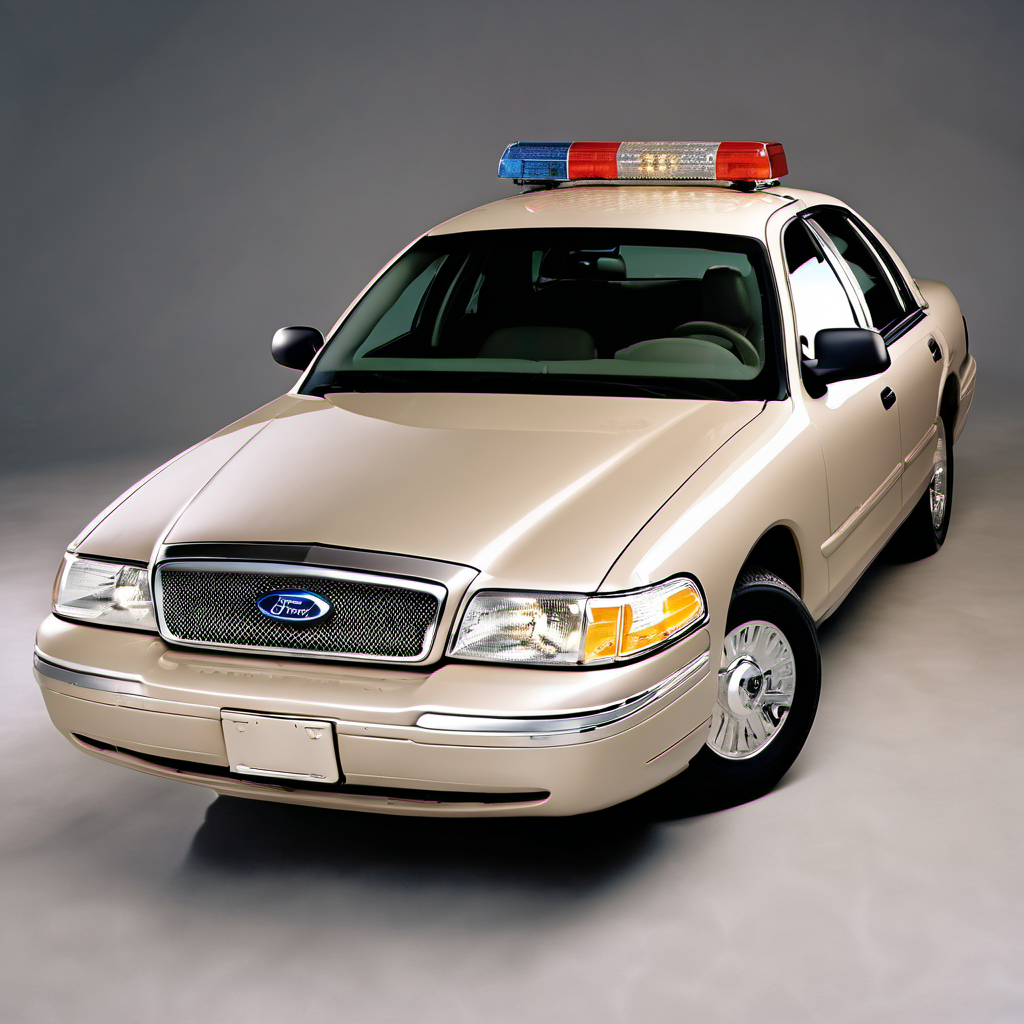
Competing full-size, rear-wheel-drive sedan from the same era. More durable in Midwest winters thanks to RWD simplicity and a robust 4.6L V8, but thirstier and a larger footprint.
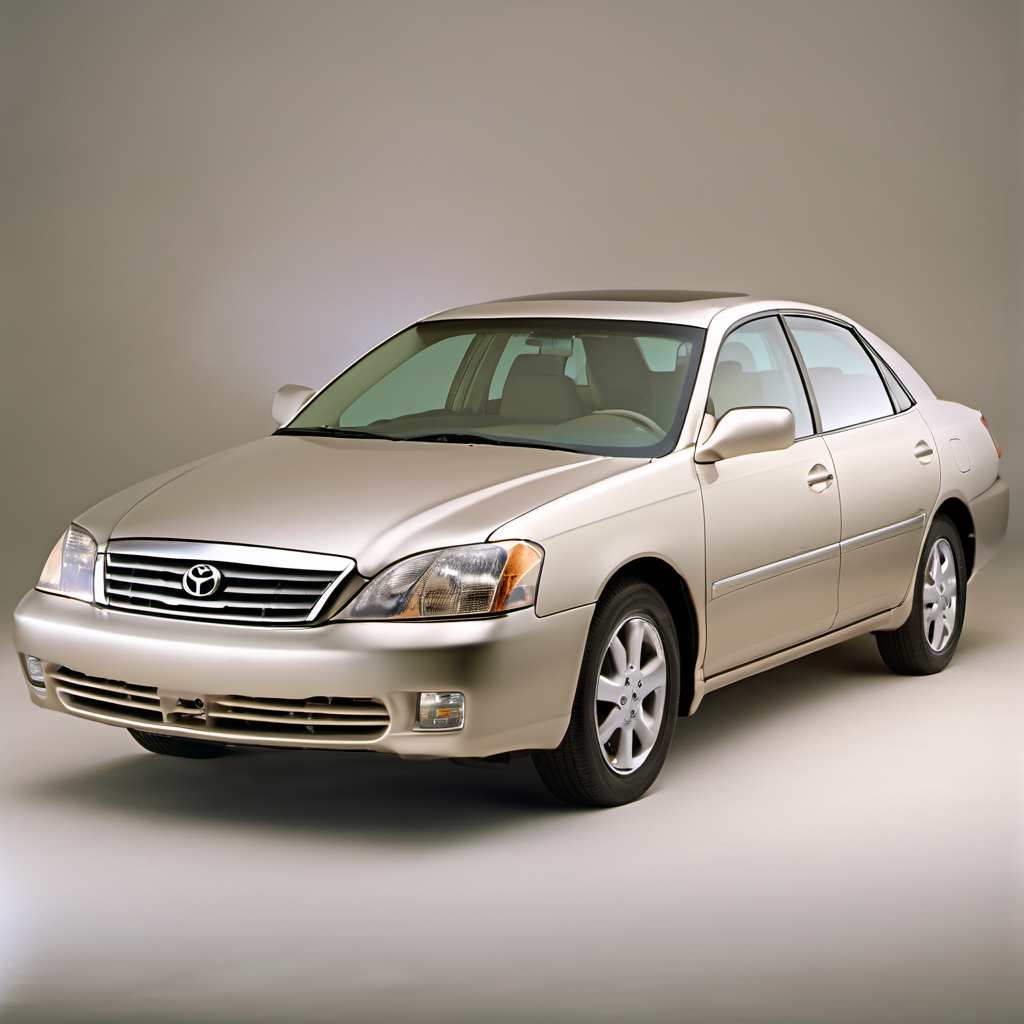
Full-size FWD sedan with similar comfort mission and excellent long-term reliability. Typically priced higher in the used market but with fewer age-related plastic cooling failures.