Intake Manifold Gasket Failure (Coolant Leak / Oil Contamination)
high- Typically appears
- 60–130k mi
- Estimated repair
- $350 – $650
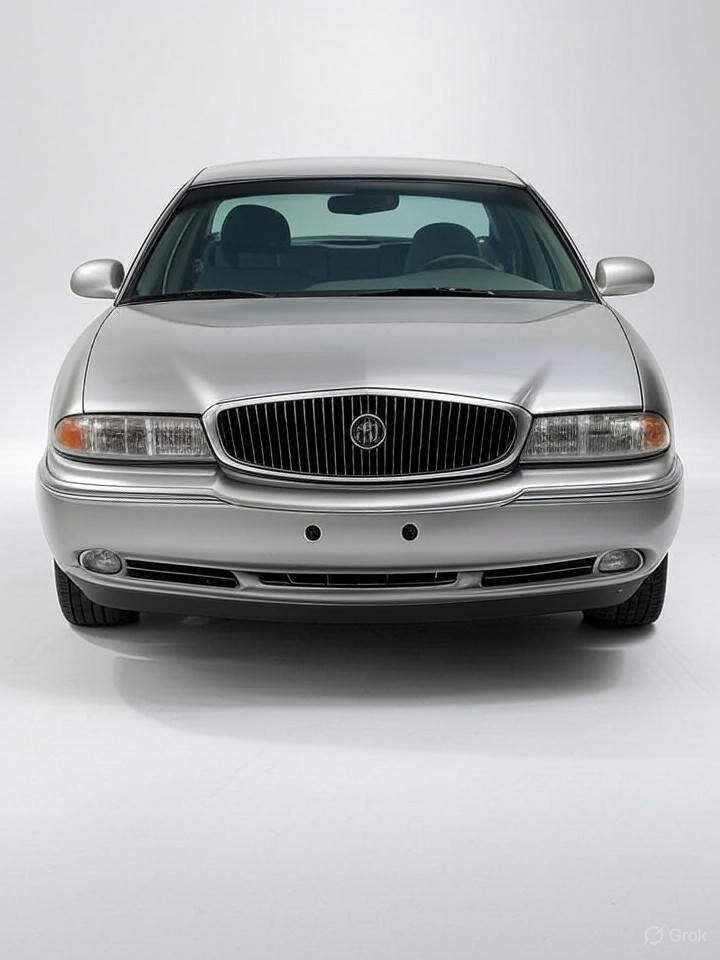
2003 Buick
Sedan
The 2003 Buick Century is a full-size front-wheel-drive sedan built on GM's W-body platform, sharing its bones with the Pontiac Grand Prix and Chevy Impala. It was squarely aimed at comfort-focused buyers — think quiet ride, roomy interior, and an easy-going driving experience over any pretense of sportiness. By 2003 it was in its final years of production (the Century was discontinued after 2005), so parts remain plentiful and independent shops know this platform inside out. Powered exclusively by GM's 3.1L V6, the Century is a known quantity. The engine is durable when maintained, and the 4-speed automatic that backs it up is generally reliable. Fuel economy is adequate for the era at roughly 21 mpg combined. Interior space is a genuine strong suit — rear seat room rivals vehicles that cost twice as much new. At this point in its life, a 2003 Century is a budget buy with age-related concerns. Rust (especially in Wisconsin), cooling system wear, and intake manifold gasket issues are the primary things to watch. A well-kept example with documented service history can be a genuinely economical daily driver, but deferred maintenance on these cars tends to snowball.
The 2003 Buick Century is a full-size front-wheel-drive sedan built on GM's W-body platform, sharing its bones with the Pontiac Grand Prix and Chevy Impala. It was squarely aimed at comfort-focused buyers — think quiet ride, roomy interior, and an easy-going driving experience over any pretense of sportiness. By 2003 it was in its final years of production (the Century was discontinued after 2005), so parts remain plentiful and independent shops know this platform inside out. Powered exclusively by GM's 3.1L V6, the Century is a known quantity. The engine is durable when maintained, and the 4-speed automatic that backs it up is generally reliable. Fuel economy is adequate for the era at roughly 21 mpg combined. Interior space is a genuine strong suit — rear seat room rivals vehicles that cost twice as much new. At this point in its life, a 2003 Century is a budget buy with age-related concerns. Rust (especially in Wisconsin), cooling system wear, and intake manifold gasket issues are the primary things to watch. A well-kept example with documented service history can be a genuinely economical daily driver, but deferred maintenance on these cars tends to snowball.
The 3.1L V6 is sensitive to oil sludge when intervals are stretched. Fresh oil is cheap insurance against the intake gasket area sealing properly and keeping the engine clean.
Degraded Dex-Cool becomes acidic and accelerates intake manifold gasket deterioration — the Century's #1 failure point. Never mix green coolant with Dex-Cool.
Catching a weeping gasket early prevents coolant from entering the oil, which turns a $500 repair into a potential engine replacement.
GM's 4T65-E automatic is durable but fluid-sensitive. Dark, burnt fluid is a warning sign. Independent shops can do this for a fraction of dealer cost.
The 3.1L has three rear plugs that are harder to access. Neglected plugs cause misfires and stress the catalytic converter.
Wisconsin road salt attacks bare steel brake lines aggressively. A rusted brake line failure is a safety emergency. Catch it on the lift before it ruptures.
Plastic clips and dry tracks are the main cause of window and lock failures on this generation. Lubrication extends life significantly.
A battery that tests marginal in September will likely fail to start the car at -10°F in January. Battery replacement is far cheaper than a tow.
Always defer to the manufacturer's service manual for warranty-mandated intervals.
The Century is one of the cheapest full-size sedans to own when maintained. Parts are inexpensive and widely available. The big wildcard is deferred maintenance — an intake manifold gasket repair, brake line replacement, or strut job can each push a single year's costs significantly higher. Budget conservatively and stay ahead of the cooling system.
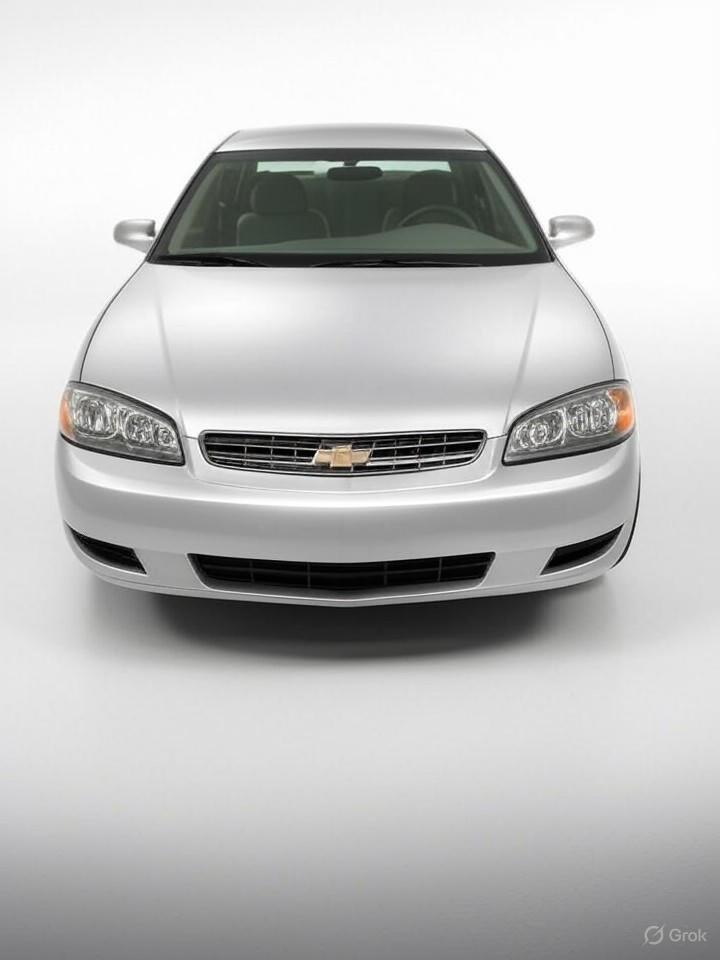
Shares the same W-body platform and 3.1L/3.4L V6 options. Nearly identical ownership experience and parts commonality — the Impala is sportier in trim but mechanically almost the same car.
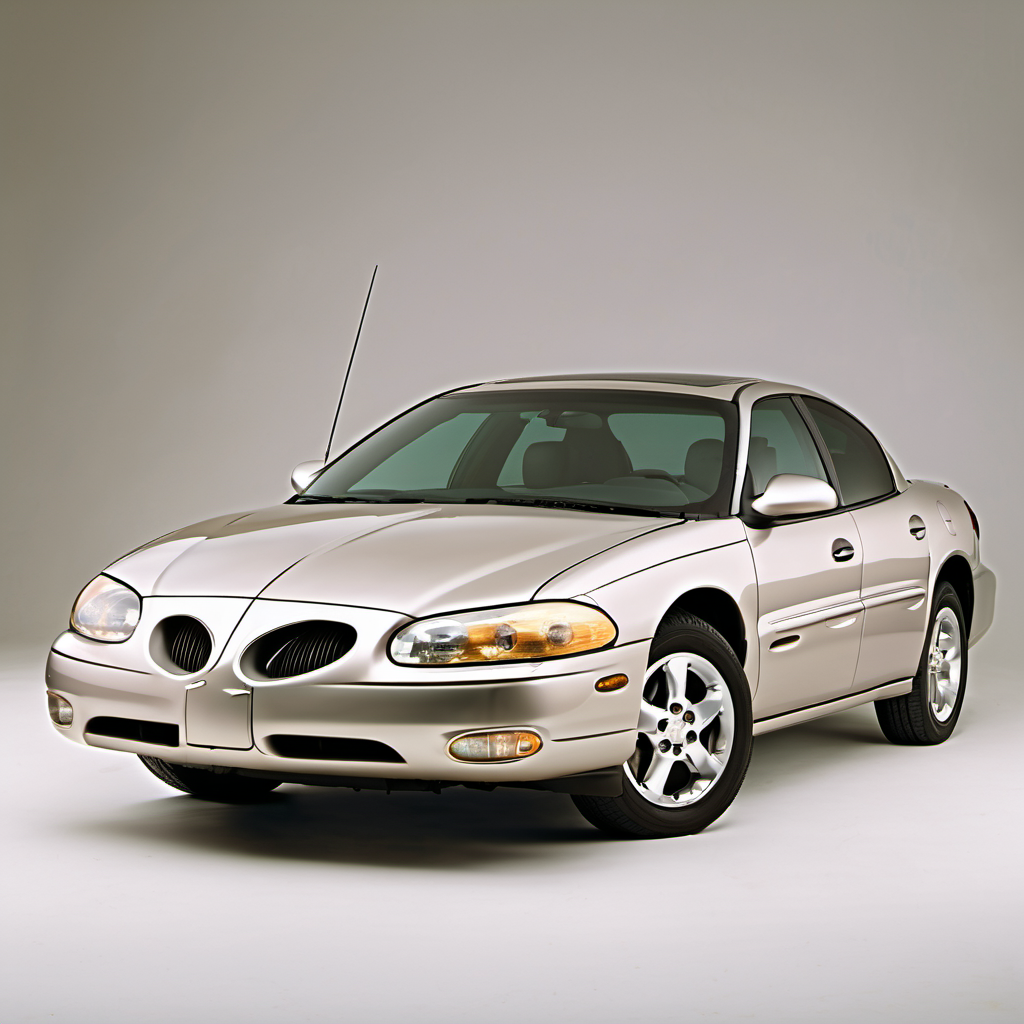
Also W-body, similar price point used, more sport-oriented styling. Same cooling system vulnerabilities apply, but slightly different feature set.
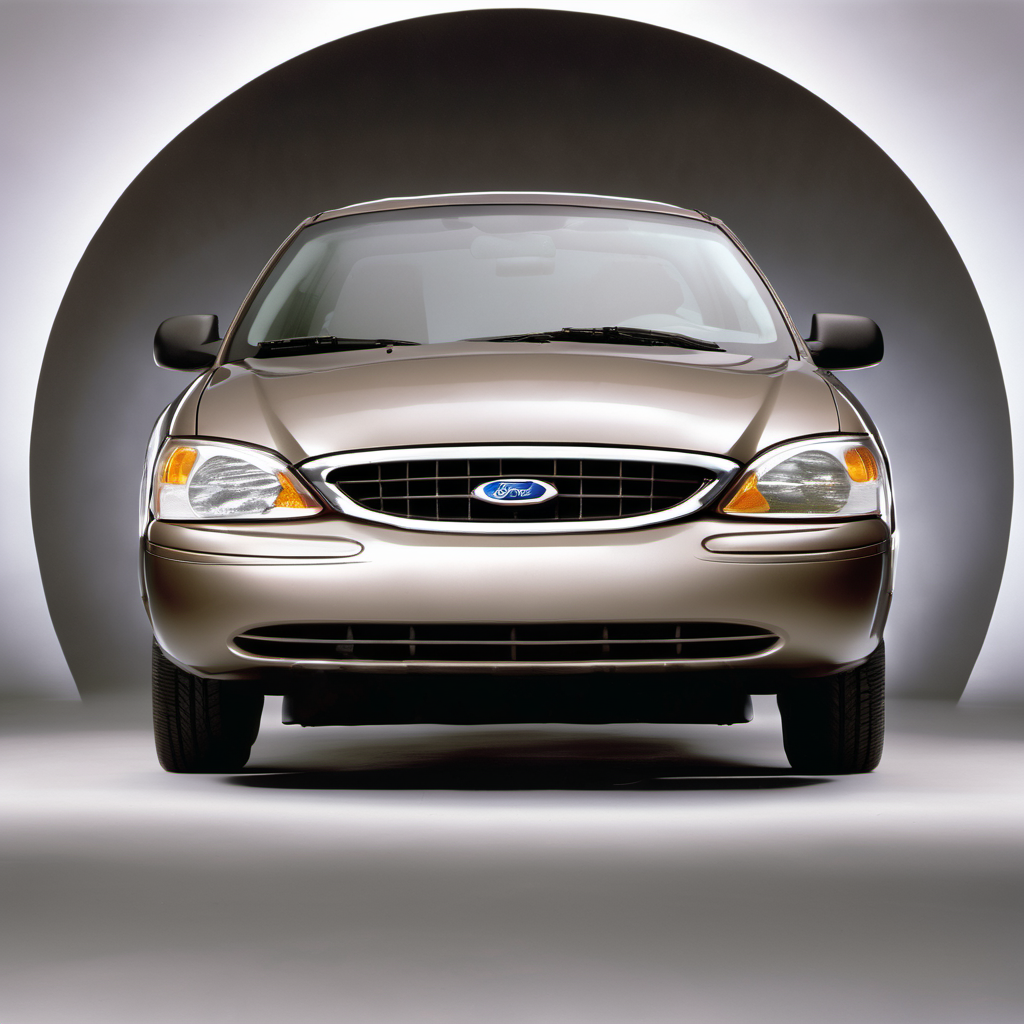
Direct competitor in the value full-size FWD sedan segment. The Taurus Vulcan V6 avoids the intake gasket issue but has its own coolant crossover tube and transmission concerns. Parts equally cheap and plentiful.
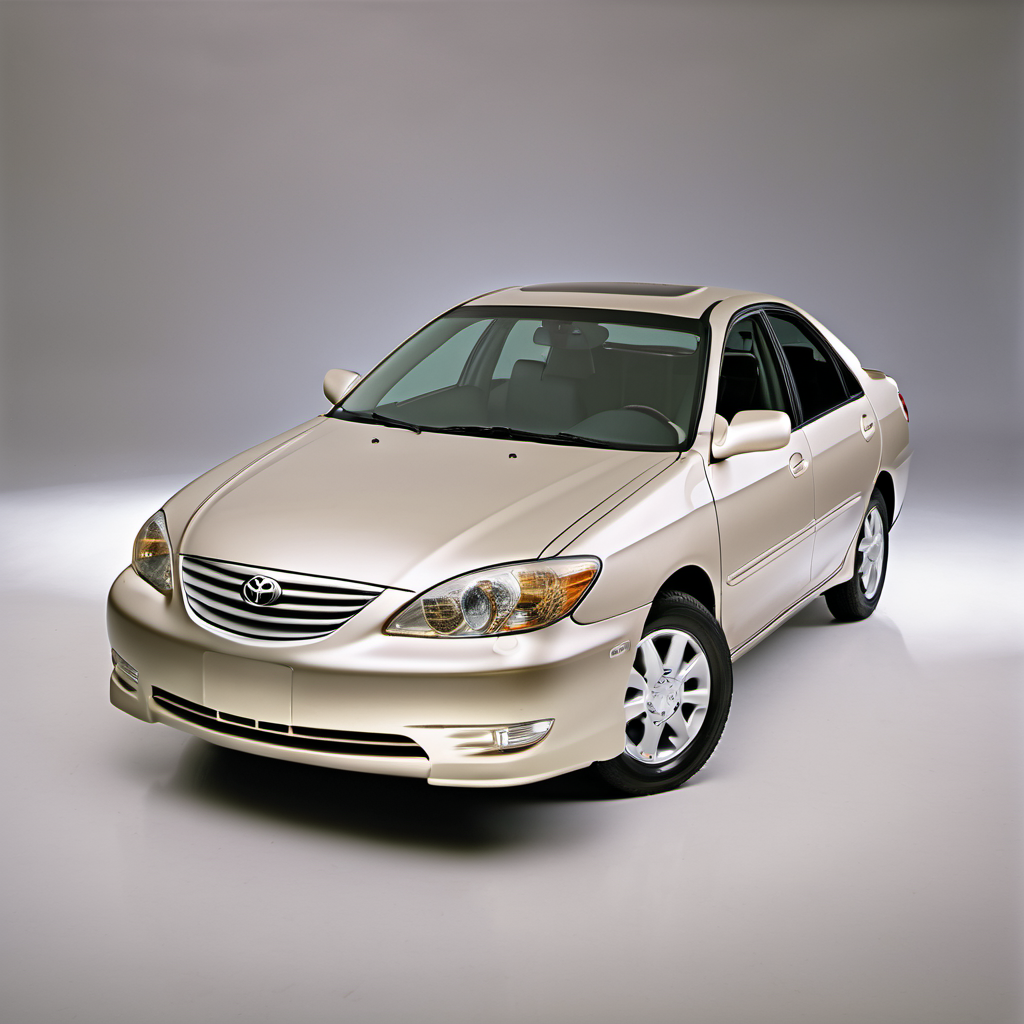
Costs more used but offers stronger long-term reliability and better rust resistance. If budget allows, the Camry is a lower-risk alternative in the same daily-driver sedan category.