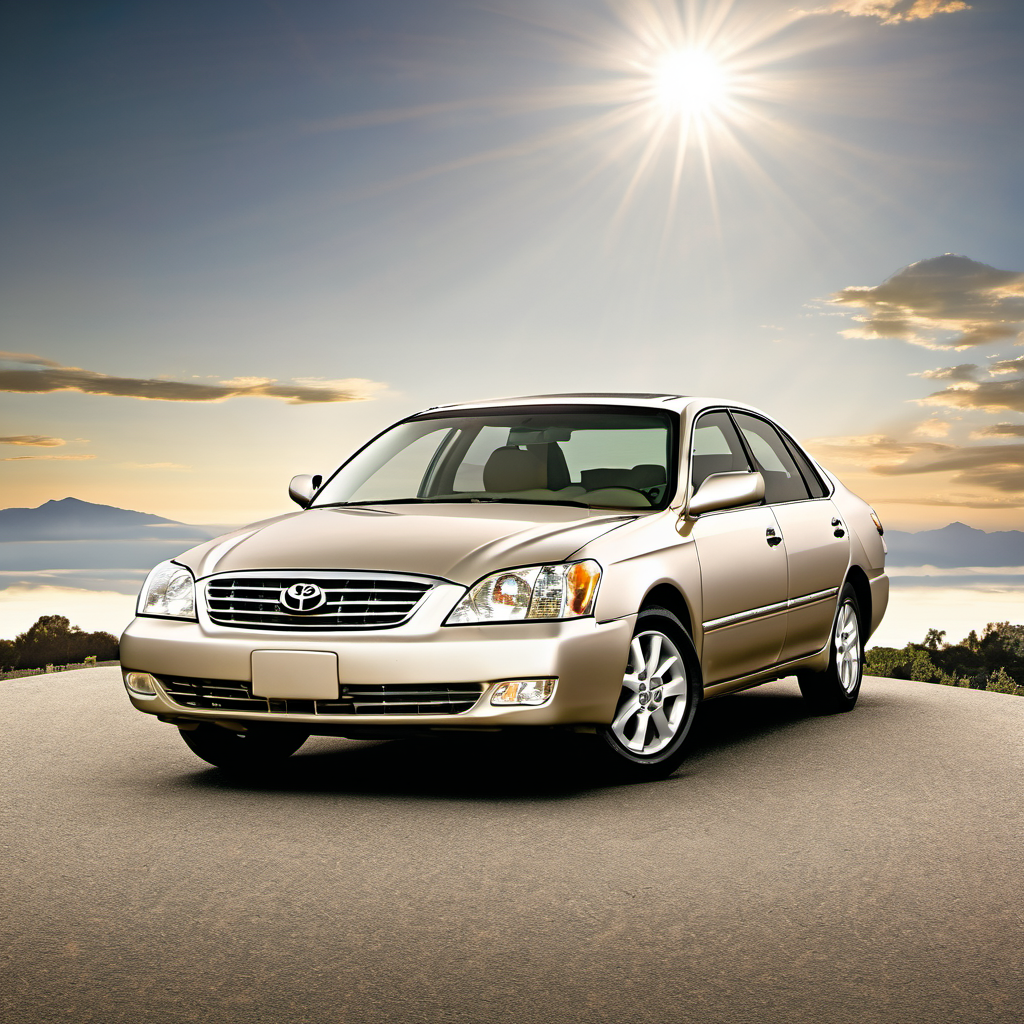
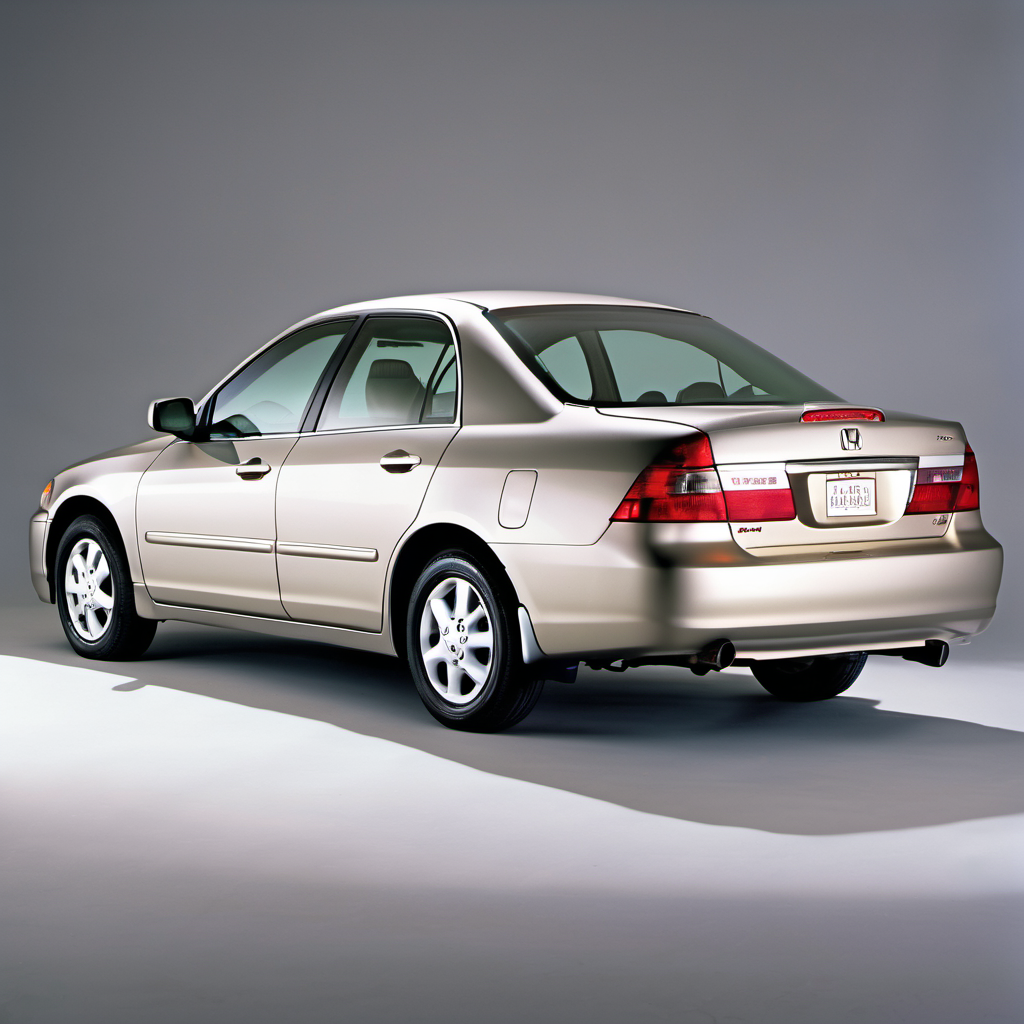
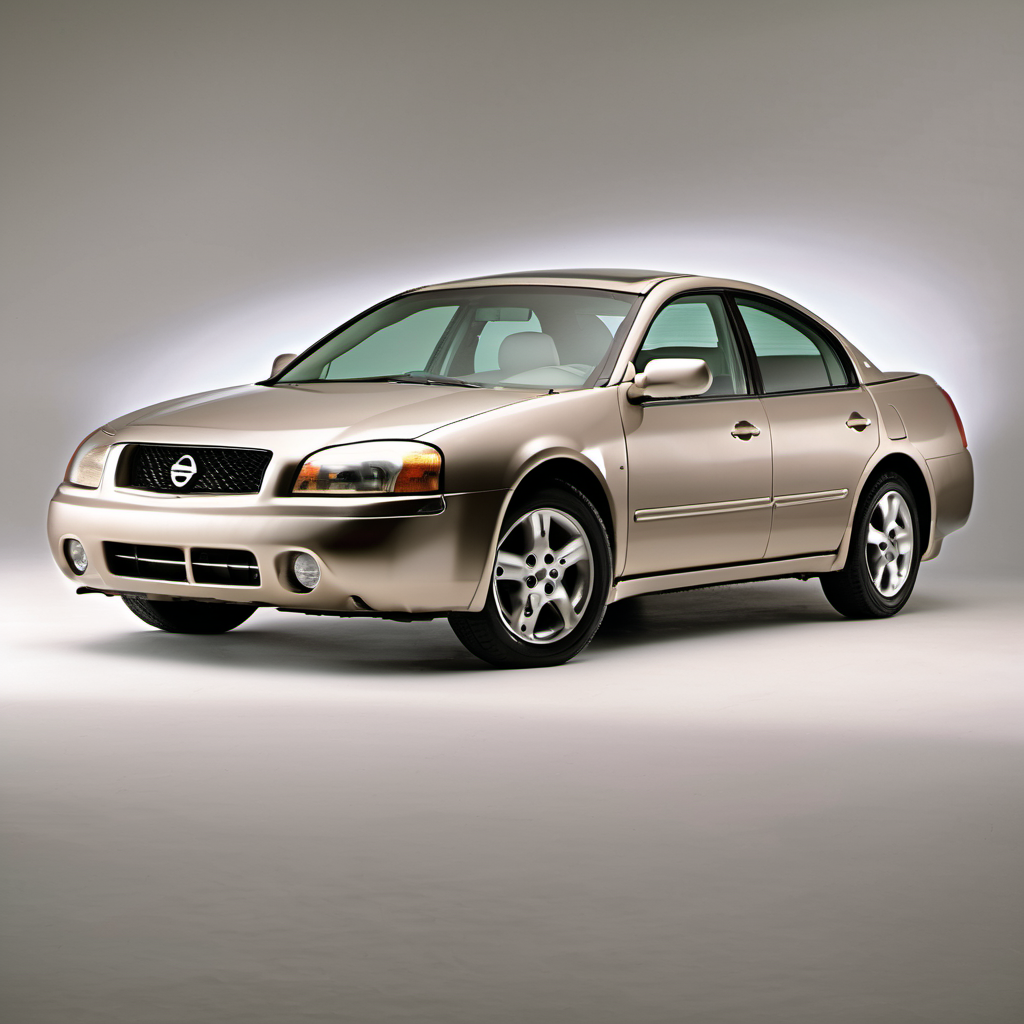
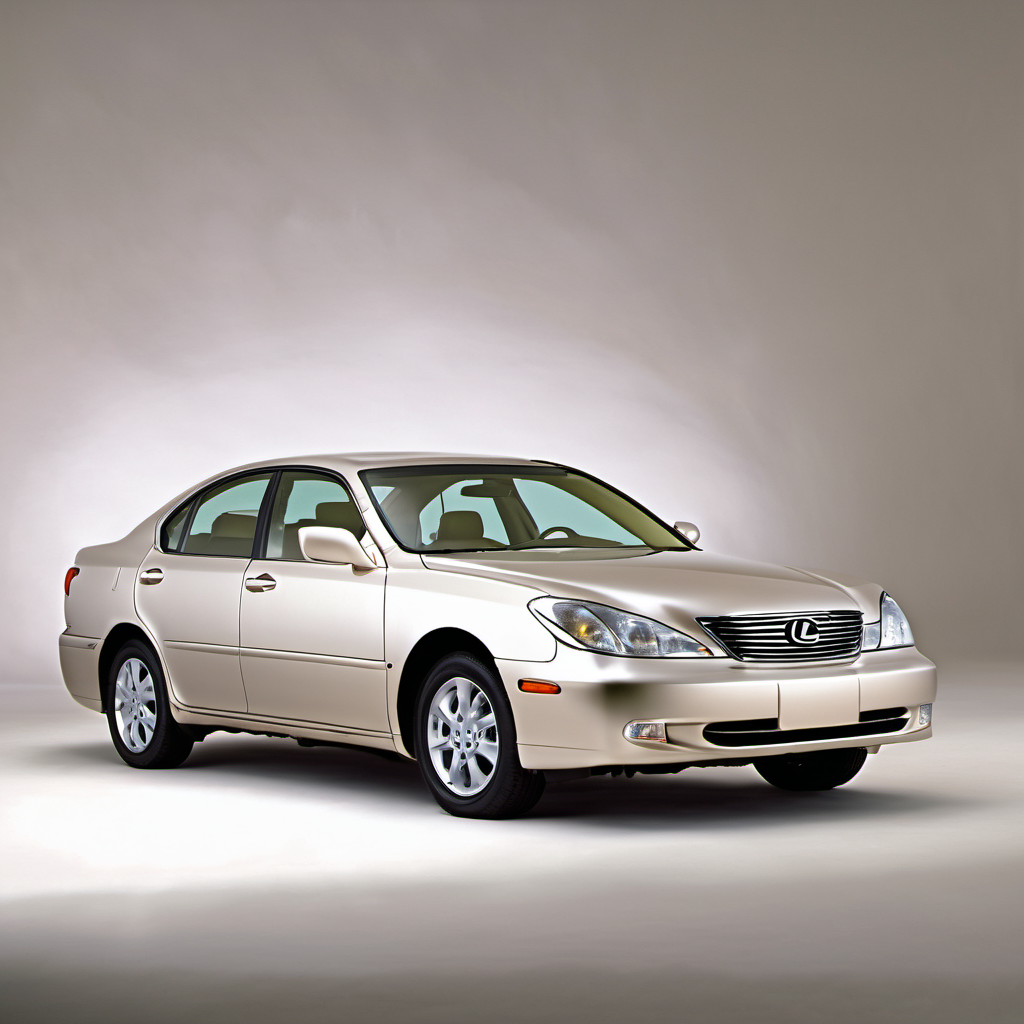
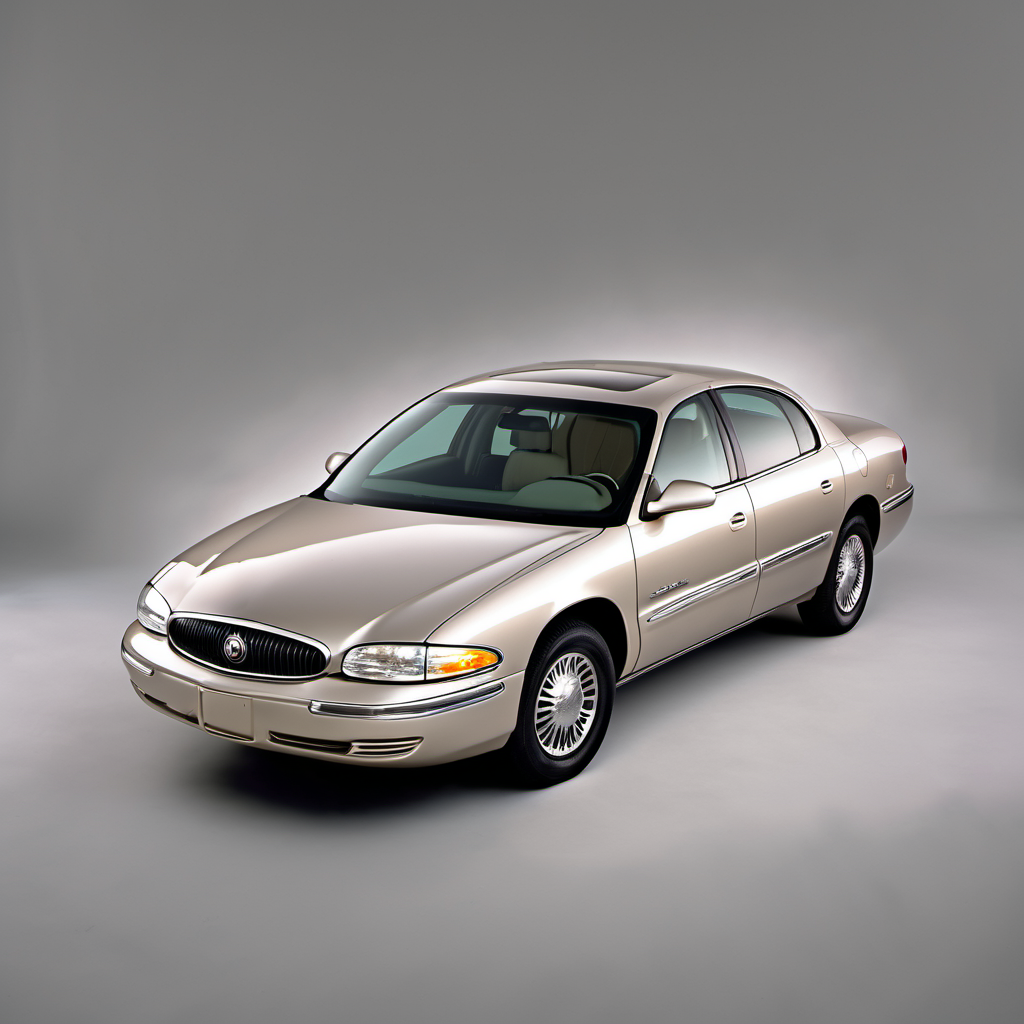
2002 Toyota Avalon Sedan

2002 Toyota

AvalonSedan

Sedan

The 2002 Toyota Avalon is Toyota's flagship full-size front-wheel-drive sedan, built on the Camry platform but stretched to deliver near-luxury room at a mainstream price. It's powered by Toyota's proven 1MZ-FE 3.0L V6 paired with a smooth 4-speed automatic, giving buyers a quiet, comfortable highway cruiser with a strong reliability track record. At this age, most examples have well over 150,000 miles, yet the mechanicals are known to last if basic maintenance was kept up. The second-generation Avalon (2000–2004) is particularly well-regarded for its cavernous rear seat — genuinely competitive with entry-level luxury sedans of the era — along with a composed, quiet ride. It doesn't excite driving enthusiasts, but that's the point: it's engineered around comfort, low operating cost, and durability. At 20+ years old, age-related wear matters more than model-specific design flaws. Cooling system components, engine mounts, power steering hoses, and suspension bushings are the things to focus on when evaluating a used example. Overall, a well-maintained Avalon of this vintage remains one of the better value-per-dollar buys in the used full-size sedan market.

Reliability
4/5
Verified data
Specs shown for Avalon — the most common configuration. Other trims may vary in engine, drivetrain, or fuel economy. Sign in to see your vehicle's exact specs.
Engine
[object Object]
Drivetrain
FWD
Fuel
Gasoline
MPG
19 city / 27 hwy / 22 combined
Seats
Doors
Body
Large Cars

Overview

AI-curated

The 2002 Toyota Avalon is Toyota's flagship full-size front-wheel-drive sedan, built on the Camry platform but stretched to deliver near-luxury room at a mainstream price. It's powered by Toyota's proven 1MZ-FE 3.0L V6 paired with a smooth 4-speed automatic, giving buyers a quiet, comfortable highway cruiser with a strong reliability track record. At this age, most examples have well over 150,000 miles, yet the mechanicals are known to last if basic maintenance was kept up. The second-generation Avalon (2000–2004) is particularly well-regarded for its cavernous rear seat — genuinely competitive with entry-level luxury sedans of the era — along with a composed, quiet ride. It doesn't excite driving enthusiasts, but that's the point: it's engineered around comfort, low operating cost, and durability. At 20+ years old, age-related wear matters more than model-specific design flaws. Cooling system components, engine mounts, power steering hoses, and suspension bushings are the things to focus on when evaluating a used example. Overall, a well-maintained Avalon of this vintage remains one of the better value-per-dollar buys in the used full-size sedan market.

Known for
  • Exceptionally spacious rear seat for a non-luxury sedan
  • Smooth, refined 3.0L 1MZ-FE V6 with excellent long-term durability
  • Quiet highway ride quality that rivals entry luxury cars
  • Low cost of ownership when maintenance is kept current
  • Strong resale value retention relative to segment peers
Best for
  • Retirees and comfort-focused highway commuters
  • Families needing maximum rear-seat legroom in a sedan
  • Budget-conscious buyers wanting near-luxury feel without luxury repair bills
  • High-mileage drivers who prioritize reliability over excitement
Watch for
  • Neglected coolant and thermostat — overheating can cause head gasket damage
  • Sludge buildup in the 1MZ-FE if oil changes were infrequent (known Toyota issue on this engine)
  • Power steering hose leaks common at this age
  • Sagging headliner and brittle interior trim plastic at 20+ years
  • Rust on subframe and undercarriage from Wisconsin road salt exposure

Common issues by mileage

6 known

Engine Oil Sludge (1MZ-FE)

medium
Typically appears
60–150k mi
Estimated repair
$300 – $1,200

Camshaft Position / VVT-i Timing Issues

medium
Typically appears
80–150k mi
Estimated repair
$150 – $600

Oxygen Sensor Heater Circuit Failure

medium
Typically appears
80–130k mi
Estimated repair
$100 – $350

Power Steering Hose Leaks

high
Typically appears
100k+ mi
Estimated repair
$150 – $400

Cooling System Wear (Thermostat, Hoses, Water Pump)

high
Typically appears
90–160k mi
Estimated repair
$200 – $700

Front Struts and Suspension Bushing Wear

high
Typically appears
100k+ mi
Estimated repair
$400 – $900

Maintenance schedule

  1. 1
    Every 5,000 mi or 6 months — do NOT stretch intervals on this engine Engine oil and filter change

    The 1MZ-FE is prone to sludge when oil changes are delayed. Short intervals are cheap insurance against a very expensive engine teardown.

  2. 2
    Every 30,000 mi or 2 years Coolant flush and thermostat inspection

    Toyota's long-life coolant degrades over time. A stuck-closed thermostat leads to overheating, which can damage head gaskets — one of the few expensive repairs on this platform.

  3. 3
    Every 30,000 mi on used vehicles Transmission fluid change

    Toyota rates the fluid as 'long-life,' but on a 20-year-old car with unknown history, fresh fluid protects the 4-speed automatic and is inexpensive preventive care.

  4. 4
    Every 60,000 mi (platinum) or 30,000 mi (standard) Spark plug replacement

    Worn plugs stress the ignition coils and reduce fuel economy. On this V6, access is straightforward and plug replacement is a reasonable DIY or low-cost shop job.

  5. 5
    Every 60,000 mi or 5 years Serpentine and accessory belt inspection

    Rubber belts harden and crack with age. A belt failure leaves you stranded and can damage the alternator or power steering pump.

  6. 6
    Every oil change Power steering fluid level and hose inspection

    High-pressure PS hoses are a known wear item at this age. Catching a seep early prevents a roadside failure and fluid contamination of other components.

  7. 7
    Every 2 years Brake fluid flush

    Brake fluid absorbs moisture over time, lowering the boiling point and promoting internal corrosion in calipers and wheel cylinders — important in a salt-heavy environment like Wisconsin.

  8. 8
    Every spring after winter season Undercarriage and subframe rust inspection

    Lake Geneva roads are heavily salted. Inspect subframe, brake lines, fuel lines, and exhaust hangers annually. Catching surface rust early allows inexpensive treatment before structural integrity is compromised.

Always defer to the manufacturer's service manual for warranty-mandated intervals.

Cost of ownership

Annual maintenance
$600 – $1,400
Fuel
At 22 MPG combined and average Wisconsin driving, expect roughly $1,800–$2,400/year at current mid-grade fuel prices depending on annual mileage.
Insurance
Typically low — full-size older sedan with good safety ratings. Expect $800–$1,400/year for full coverage depending on driver profile and insurer.

The Avalon is one of the more economical full-size sedans to own at this age. Parts are widely available, labor rates are lower than on European competitors, and major mechanical failures are rare when oil changes are kept current. The biggest wildcard on a 20-year-old example is deferred maintenance catching up — budget extra in year one to address anything that was neglected.
Seasonal care

Lake Geneva, WI
Winter
  • Test and replace the battery if it's more than 4 years old — cold cranking amps drop sharply below 20°F, and the 1MZ-FE needs a strong battery to start reliably at Wisconsin sub-zero temps.
  • Switch to a full-synthetic 0W-20 or 5W-30 oil before first freeze for better cold-start lubrication and sludge protection.
  • Fill washer fluid reservoir with a -20°F or colder rated fluid; the stock reservoir is large but freezing washer lines are a common nuisance.
  • Inspect wiper blades and consider winter-specific blades — standard blades ice up quickly and leave dangerous blind spots.
  • Flush and inspect the cooling system to ensure antifreeze protection to at least -34°F. A 20-year-old car may have diluted coolant.
  • Rinse the undercarriage monthly during salt season, paying attention to brake lines, fuel lines, and the rear subframe where salt collects.
Summer
  • Check tire pressure monthly — pressure rises roughly 1 PSI per 10°F increase in temperature, and overinflated tires reduce wet-weather grip.
  • Inspect the A/C system — refrigerant leaks are common on vehicles this age. A weak or intermittent A/C is often a slow leak at an o-ring or the condenser.
  • Verify coolant level and watch for any signs of overheating (temp gauge climbing), especially in stop-and-go traffic. A weak radiator cap or stuck thermostat will surface in summer heat.
  • Check for heat soak starting issues — a cracked or deteriorated fuel injector o-ring can cause hot-restart stumbles on this engine.
  • Inspect rubber CV axle boots for cracking from heat and age — torn boots accelerate joint wear significantly.

Comparable vehicles

If you're shopping for one

Red flags
  • No oil change records or receipts — sludge risk is high and not always visible until damage is done
  • Coolant that is brown, rusty, or has a sweet smell inside the cabin (possible head gasket seep)
  • Any check engine light — scan for codes before purchase; VVT-i timing codes (P0012, P0015, P0022, P0025) can indicate sludge-related actuator damage
  • Visible subframe rust perforation or heavily corroded brake lines — common in upper Midwest cars and expensive to address safely
  • Transmission that slips, hesitates on shifts, or has dark/burnt-smelling fluid
What to inspect
  • Pull the oil filler cap and dipstick and look for dark, thick, or mayonnaise-like sludge — a deal-breaker on this engine if severe
  • Check the coolant overflow tank for rust color or oil contamination (head gasket warning sign)
  • Inspect all power steering hoses for seeping fluid, soft spots, or oil staining on the subframe below
  • Look under the car at the subframe, brake lines, and rear suspension mounting points for heavy rust or perforation — critical in a Wisconsin-registered vehicle
  • Test the A/C for cold output; recharging is cheap, but a failed compressor on a 20-year-old car may not be worth fixing depending on price
  • Listen for a ticking or rattling from the engine at idle (VVT-i actuator or low oil pressure concern) and any clunking over bumps (struts or sway bar links)
AI profile generated 12 days ago · claude-sonnet-4-6 · v2.