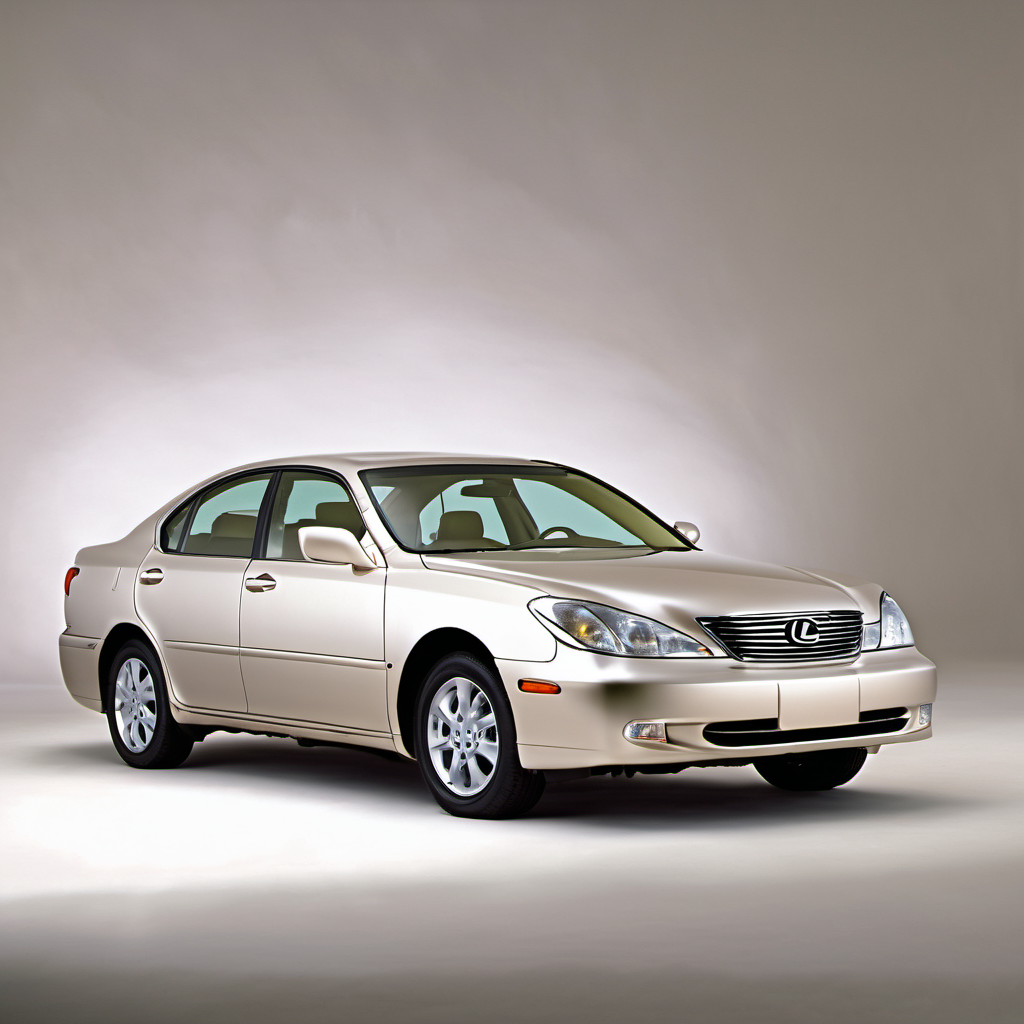
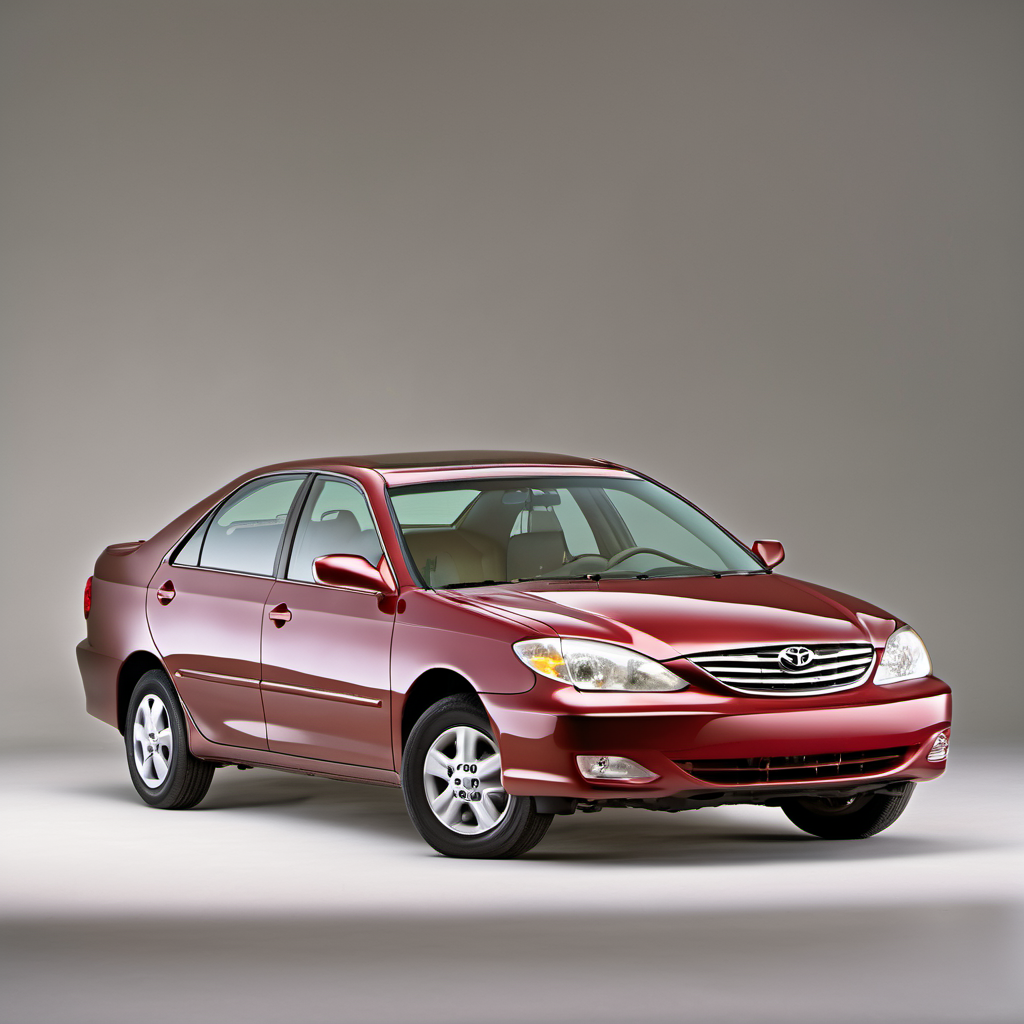
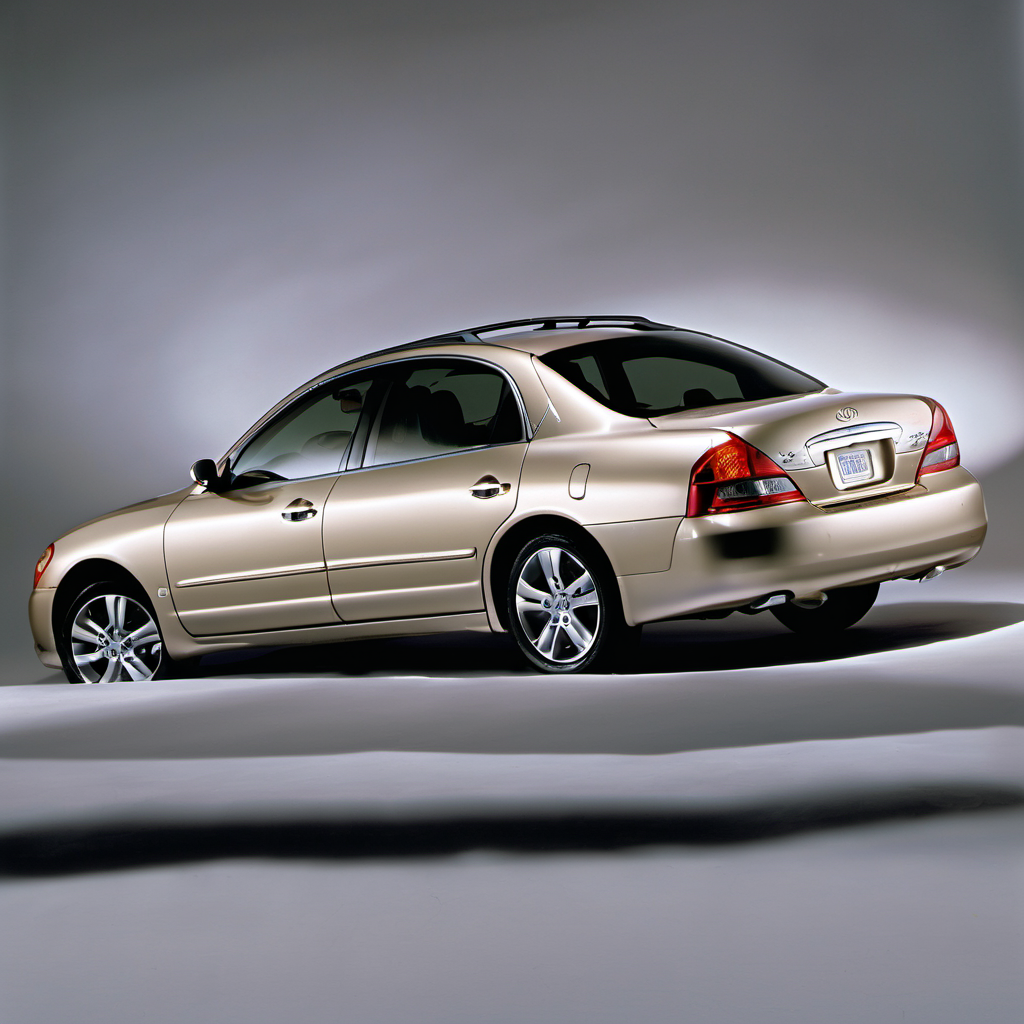
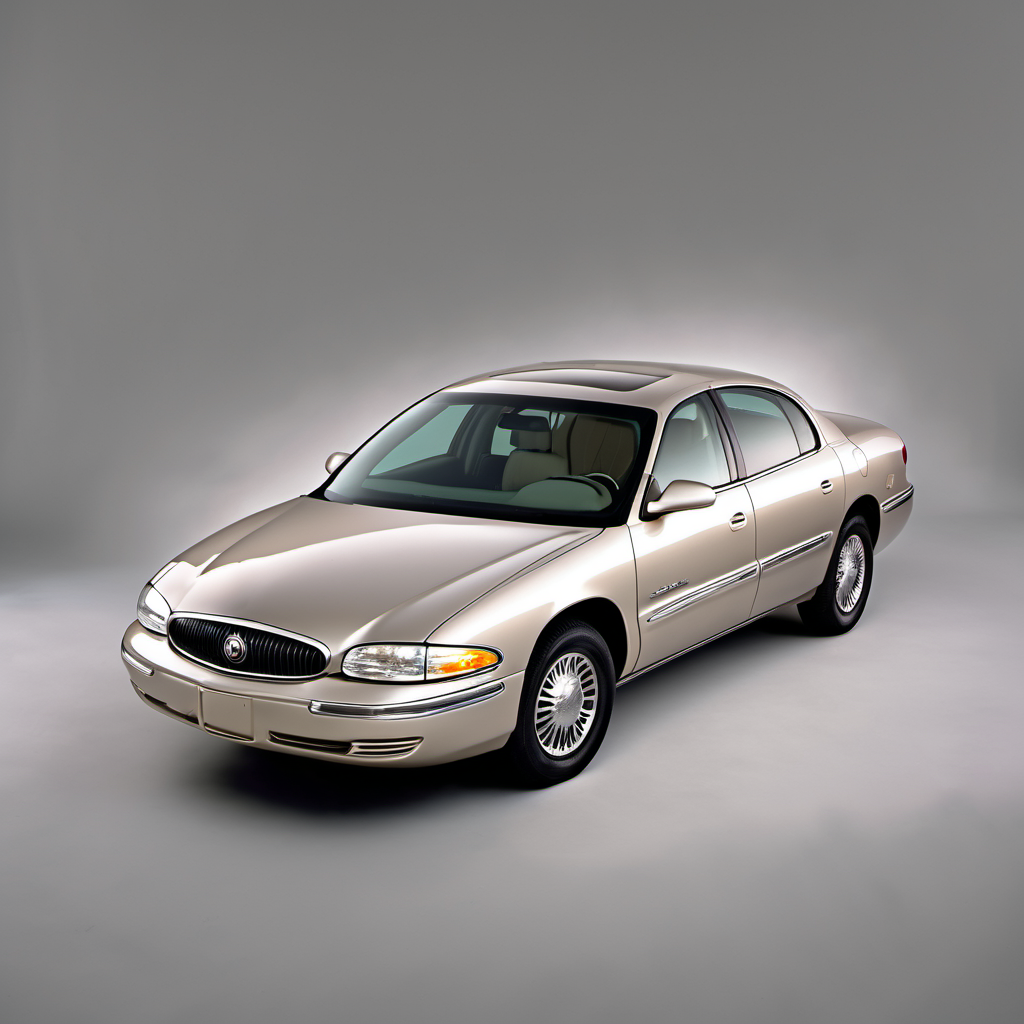
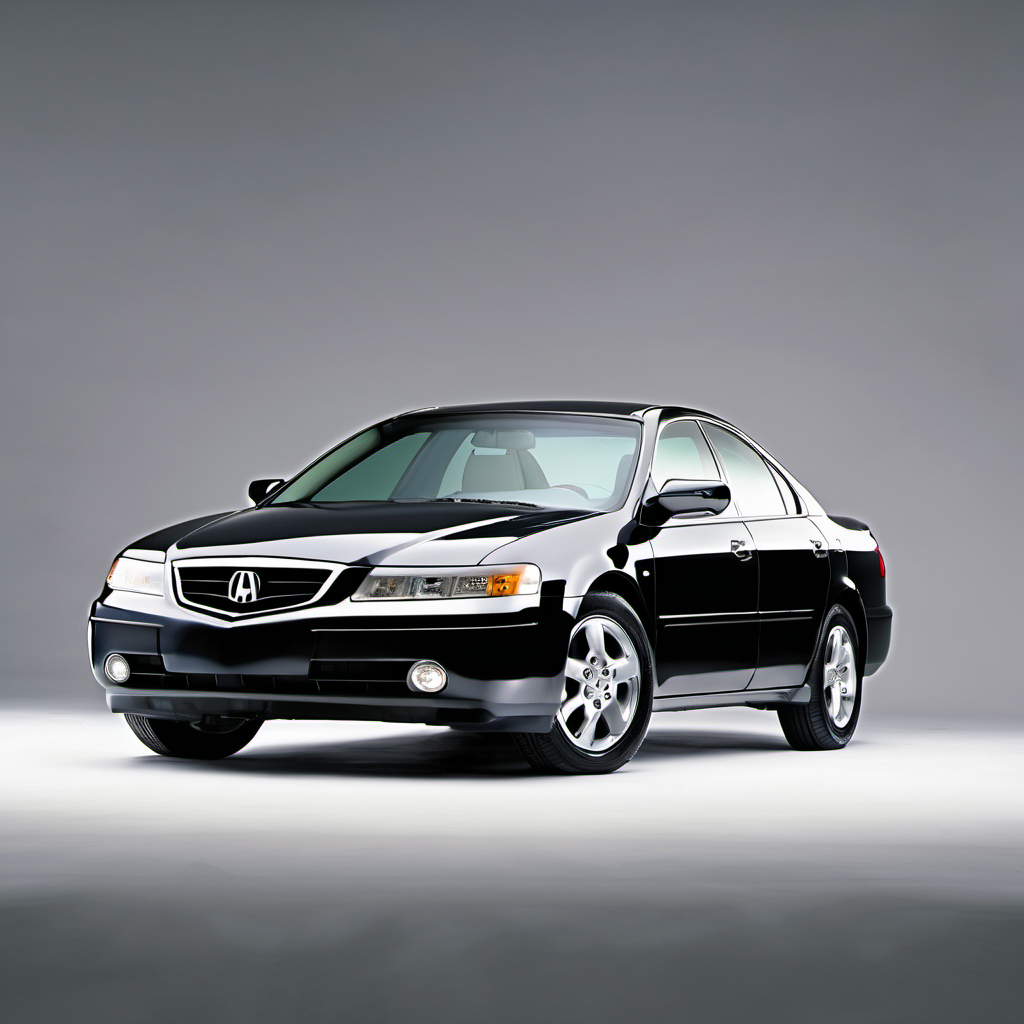
2002 Lexus ES Sedan

2002 Lexus

ESSedan

Sedan

The 2002 Lexus ES 300 is the fourth generation of Lexus's bread-and-butter luxury sedan, built on the Toyota Camry platform and powered by a silky 3.0L V6. It earned a strong reputation for bulletproof reliability, a whisper-quiet cabin, and a plush ride that competed directly with entry-level European luxury cars at a fraction of the long-term ownership cost. This generation (2002–2006 ES 330 transition) represents a high point for Toyota/Lexus build quality. The 1MZ-FE V6 under the hood is one of the most proven engines in the segment — straightforward to service, with a long track record of 200k+ miles when maintained properly. Buyers who keep up with oil changes and cooling system service are routinely rewarded with trouble-free ownership. At 20+ years old, these cars are now firmly in the "age-related maintenance" territory. Rubber seals, power steering hoses, water pumps, and suspension bushings are the things to watch — not the engine or transmission themselves. A well-documented example is still a smart buy in this price range.

Reliability
4/5
Verified data
Specs shown for ES 300 — the most common configuration. Other trims may vary in engine, drivetrain, or fuel economy. Sign in to see your vehicle's exact specs.
Engine
[object Object]
Drivetrain
FWD
Fuel
Gasoline
MPG
18 city / 27 hwy / 21 combined
Seats
Doors
Body
Midsize Cars

Overview

AI-curated

The 2002 Lexus ES 300 is the fourth generation of Lexus's bread-and-butter luxury sedan, built on the Toyota Camry platform and powered by a silky 3.0L V6. It earned a strong reputation for bulletproof reliability, a whisper-quiet cabin, and a plush ride that competed directly with entry-level European luxury cars at a fraction of the long-term ownership cost. This generation (2002–2006 ES 330 transition) represents a high point for Toyota/Lexus build quality. The 1MZ-FE V6 under the hood is one of the most proven engines in the segment — straightforward to service, with a long track record of 200k+ miles when maintained properly. Buyers who keep up with oil changes and cooling system service are routinely rewarded with trouble-free ownership. At 20+ years old, these cars are now firmly in the "age-related maintenance" territory. Rubber seals, power steering hoses, water pumps, and suspension bushings are the things to watch — not the engine or transmission themselves. A well-documented example is still a smart buy in this price range.

Known for
  • Exceptionally quiet, refined cabin for the price
  • 1MZ-FE V6 engine with strong long-term reliability
  • Smooth, comfortable ride tuned for luxury buyers
  • Low cost of ownership vs. European luxury competitors
  • High resale retention through the mid-2000s
Best for
  • Buyers wanting luxury feel without luxury repair bills
  • Highway commuters who value a smooth, quiet ride
  • First-time luxury car buyers
  • Owners who plan to hold a vehicle 5–10+ years
Watch for
  • Age-related rubber deterioration (hoses, seals, bushings) on high-mileage examples
  • Power steering rack leaks common after 100k miles
  • Coolant system neglect — original water pump and thermostat may be well overdue
  • Oil sludge if prior owner skipped oil changes (1MZ-FE is sludge-prone with neglect)
  • Worn-out suspension on high-mileage cars may need full refresh

Common issues by mileage

6 known

Engine Oil Sludge (1MZ-FE)

medium
Typically appears
60–150k mi
Estimated repair
$500 – $3,500

Power Steering Rack Leaks / Hose Failure

high
Typically appears
80–150k mi
Estimated repair
$200 – $900

Water Pump Failure / Coolant System Service

high
Typically appears
90–130k mi
Estimated repair
$300 – $650

Oxygen / A/F Sensor Heater Circuit Faults

medium
Typically appears
80–160k mi
Estimated repair
$100 – $450

Front Struts and Suspension Bushings Worn

high
Typically appears
100–180k mi
Estimated repair
$400 – $1,100

Maintenance schedule

  1. 1
    Every 5,000 miles or 6 months Engine oil and filter change — use full synthetic 5W-30

    The 1MZ-FE is prone to sludge buildup when oil changes are stretched. Synthetic oil and a strict short interval is the single best thing you can do for engine longevity.

  2. 2
    Every 30,000 miles or 3 years Coolant flush and inspection of water pump, thermostat, and hoses

    Water pump failure is common past 90k miles on this engine. A proactive flush also keeps the aluminum block and head protected from corrosion — critical with Wisconsin road salt in the air.

  3. 3
    Every 30,000 miles or when fluid darkens Power steering fluid flush and hose inspection

    Power steering hoses on these cars harden and crack with age. Catching a seeping hose early avoids a rack replacement.

  4. 4
    Every 90,000 miles Timing belt — NOT applicable (this engine uses a timing belt, inspect per Lexus schedule)

    The 1MZ-FE is an interference engine. A snapped belt means bent valves. If the car's timing belt history is unknown, replace it as a first order of business.

  5. 5
    Every 60,000 miles Spark plugs (iridium)

    Worn plugs on a V6 can cause misfires and put stress on ignition coils. Iridium plugs are OEM-spec and last well.

  6. 6
    Every 30,000–45,000 miles Transmission fluid drain and fill

    Lexus originally called the transmission fluid 'lifetime,' but real-world experience shows fresh fluid every 30–45k extends transmission life significantly, especially in cold-weather climates.

  7. 7
    Every fall / before winter Battery load test

    Wisconsin sub-zero temps cut battery cranking amps dramatically. A marginal battery that starts fine in October will leave you stranded in January.

  8. 8
    Every 2–3 years Brake fluid flush

    Brake fluid is hygroscopic — it absorbs moisture over time, lowering the boiling point and promoting internal corrosion. Critical given winter salt exposure.

Always defer to the manufacturer's service manual for warranty-mandated intervals.

Cost of ownership

Annual maintenance
$600 – $1,400
Fuel
At ~21 MPG combined and Wisconsin average fuel prices, expect roughly $1,800–$2,400/year for a typical 12,000-mile driver.
Insurance
Typically $900–$1,400/year for full coverage in the Lake Geneva area, depending on driver profile. Luxury sedan classification keeps rates moderate.

The ES 300 is one of the cheaper luxury sedans to own long-term. Parts are shared with the Toyota Camry, so labor and parts prices at independent shops are reasonable. The big wildcard on a 20-year-old car is deferred work — budget a one-time $1,000–$2,500 catch-up on fluids, belts, and rubber if you're buying a car without complete service records.
Seasonal care

Lake Geneva, WI
Winter
  • Load-test the battery every fall — the 1MZ-FE's cold-start demands in sub-zero temps will expose a weak battery fast.
  • Switch to full synthetic 5W-30 if not already on it; it flows immediately at cold starts and protects against sludge formation.
  • Flush washer fluid reservoir and refill with a -20°F or colder rated fluid — standard summer fluid will freeze in the lines.
  • Inspect rubber door and trunk seals and treat with silicone lubricant to prevent freeze-sticking.
  • Rinse the undercarriage regularly — Wisconsin road salt accelerates corrosion on brake lines, fuel lines, and subframe mounting points on a car this age.
  • Check tire pressure monthly; every 10°F drop costs roughly 1 PSI, and underinflated tires reduce traction significantly on winter roads.
Summer
  • Inspect the A/C system for refrigerant charge and cabin filter condition — the ES 300 climate system works hard in humid Midwest summers.
  • Check coolant level and condition before hot-weather driving; a 20-year-old cooling system deserves a close look at hose condition each season.
  • Tire pressure rises in heat — check monthly and bleed down to spec if overinflated to avoid uneven wear.
  • Check power steering fluid level and look for weeping hoses — heat accelerates deterioration of aged rubber.
  • Clean out any road salt residue from wheel wells and undercarriage after winter before it sits through summer and continues corroding.

Comparable vehicles

If you're shopping for one

Red flags
  • Any sign of oil sludge inside the engine — walk away or budget for a major cleanup.
  • No oil change records or service history — sludge risk is high without documentation.
  • Milky or discolored coolant — potential head gasket issue or neglected cooling system.
  • Power steering whine or stiff steering — rack or pump may be on its way out.
  • Rust on brake lines or visible floor pan rust — common on Upper Midwest examples and expensive to address safely.
What to inspect
  • Pull the oil cap and look for brown/tan sludge inside the valve cover — this is the #1 deal-breaker on the 1MZ-FE.
  • Check for power steering fluid leaks under the car and around the steering rack boots.
  • Ask for timing belt replacement records — if unknown, factor in the cost immediately.
  • Look for coolant leaks around the water pump and at lower radiator hose connections.
  • Test all power accessories (windows, mirrors, seat adjusters) as motor failures are common at this age.
  • Check that the A/C blows cold and the climate control panel functions fully.
  • Inspect the undercarriage for rust on brake lines, fuel lines, and subframe — Wisconsin salt is harsh on 20-year-old cars.
AI profile generated 11 days ago · claude-sonnet-4-6 · v2.