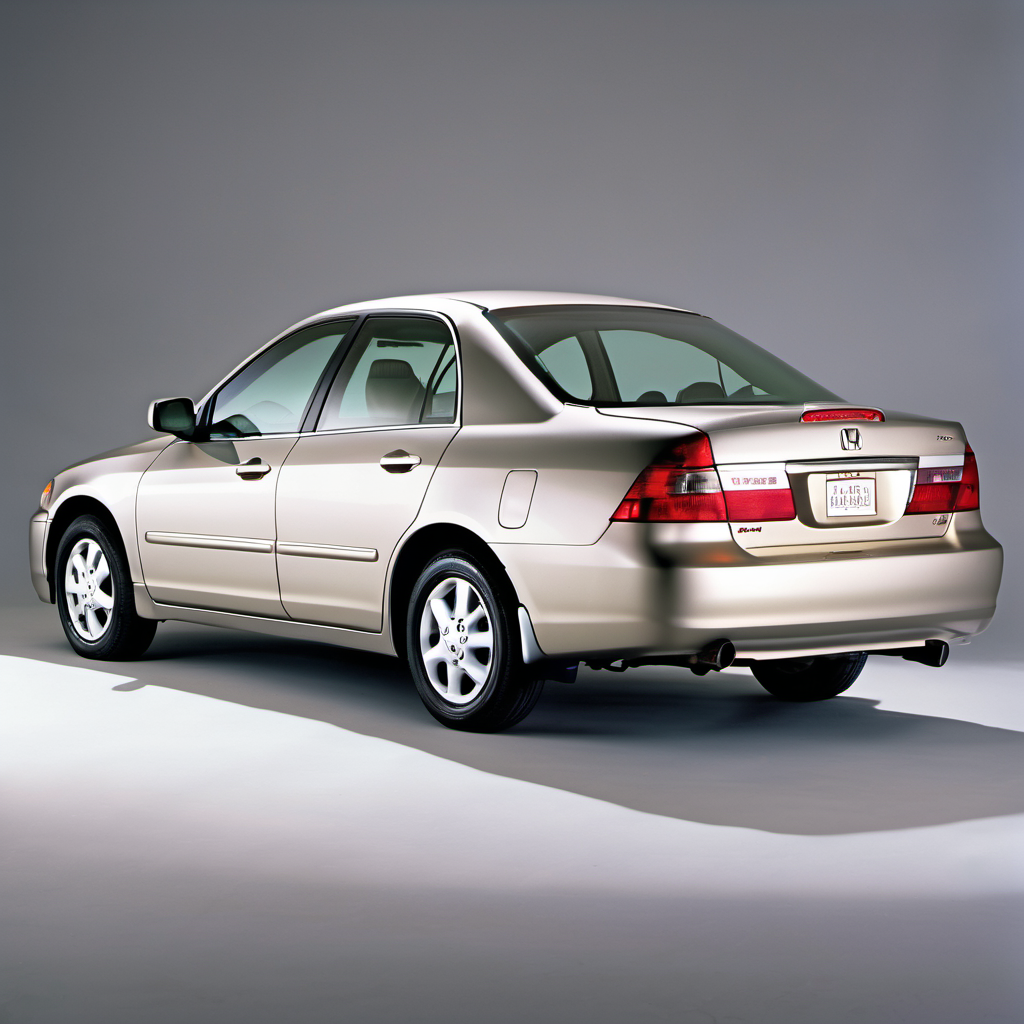
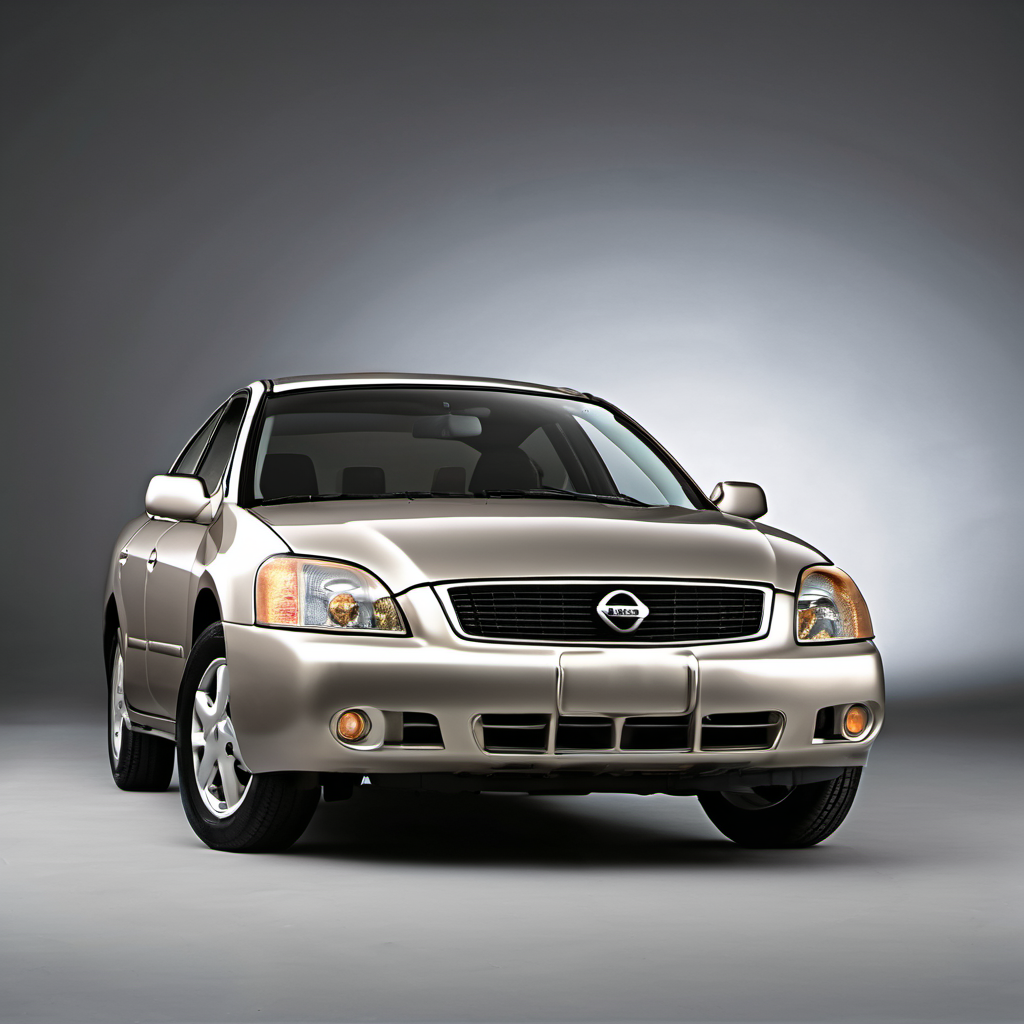
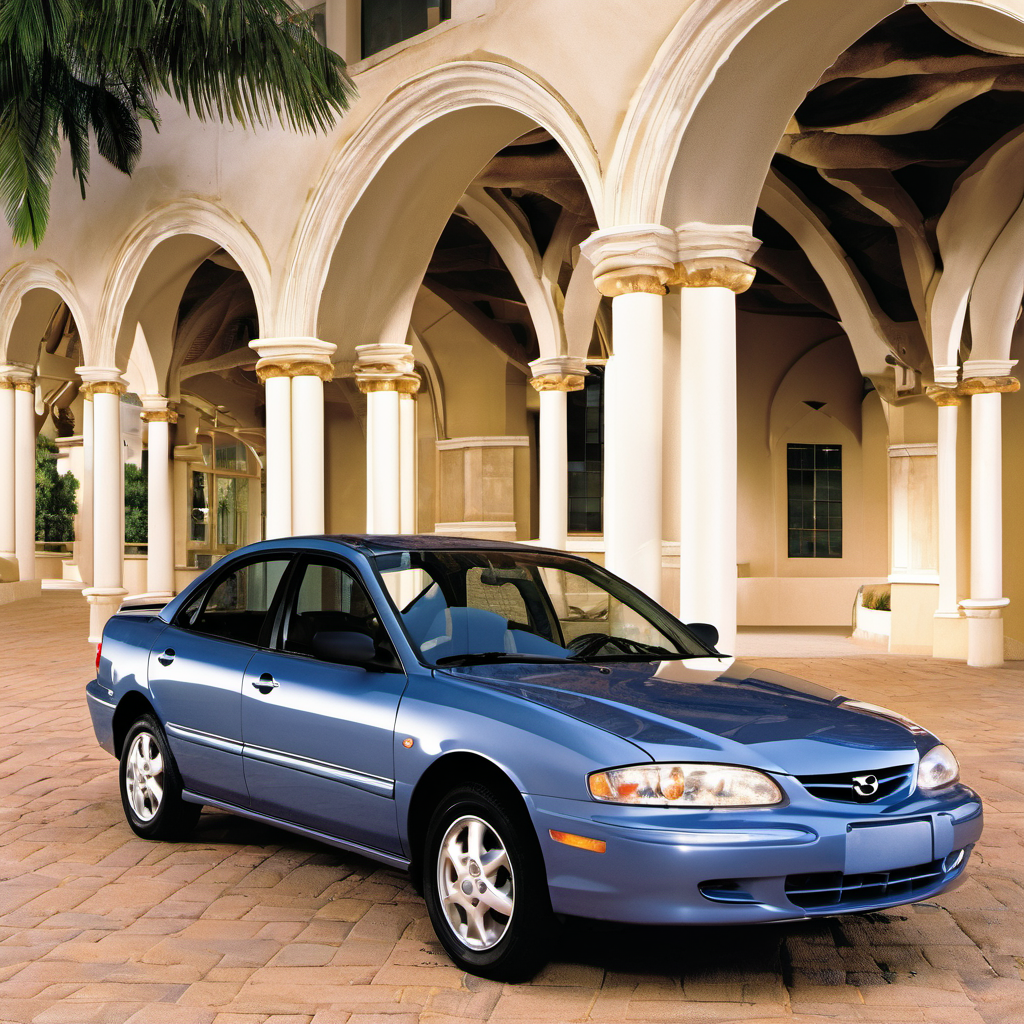
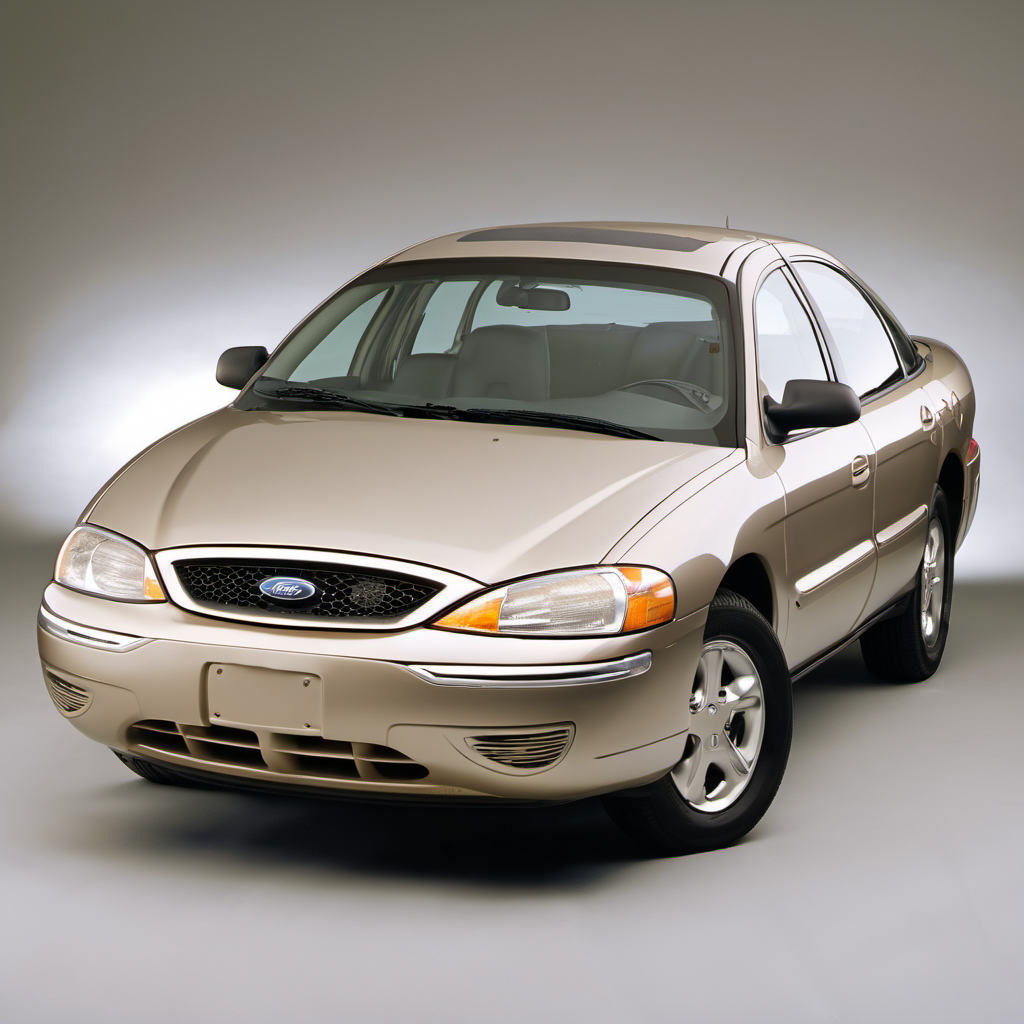
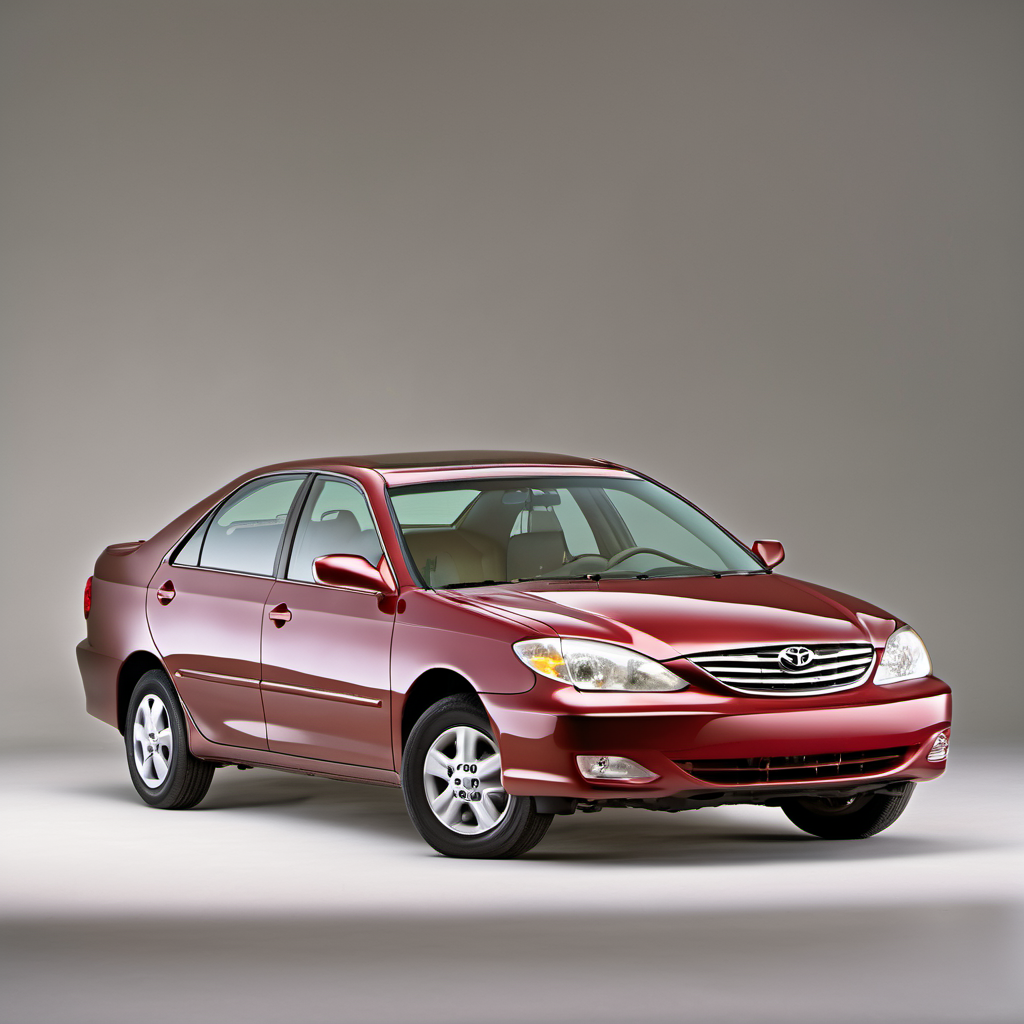
2002 Honda Accord Sedan

2002 Honda

AccordSedan

Sedan

The 2002 Honda Accord Sedan is a sixth-generation (1998–2002) Accord, the last model year before a full redesign. It earned a reputation as one of the most dependable midsize sedans of its era — practical, comfortable, and capable of racking up serious mileage with routine maintenance. The 2.3L four-cylinder is the volume engine and strikes a good balance between everyday fuel economy and adequate power for commuting and highway travel. At 20+ years old, most examples on the road have cleared 150,000 miles. That's not a red flag on an Accord — it's normal. The platform is well-understood by independent shops, parts are cheap and widely available, and the mechanicals are straightforward. What separates a good used example from a problem car is maintenance history and rust, not the nameplate. For Lake Geneva drivers, the biggest concern with any 2002 Accord is underbody and frame-rail corrosion from two decades of Wisconsin road salt. A clean, well-maintained example is still a sensible, economical daily driver. A neglected or rusty one can quickly become a money pit.

Reliability
4/5
Verified data
Specs shown for Accord — the most common configuration. Other trims may vary in engine, drivetrain, or fuel economy. Sign in to see your vehicle's exact specs.
Engine
[object Object]
Drivetrain
FWD
Fuel
Gasoline
MPG
20 city / 28 hwy / 23 combined
Seats
Doors
Body
Midsize Cars

Overview

AI-curated

The 2002 Honda Accord Sedan is a sixth-generation (1998–2002) Accord, the last model year before a full redesign. It earned a reputation as one of the most dependable midsize sedans of its era — practical, comfortable, and capable of racking up serious mileage with routine maintenance. The 2.3L four-cylinder is the volume engine and strikes a good balance between everyday fuel economy and adequate power for commuting and highway travel. At 20+ years old, most examples on the road have cleared 150,000 miles. That's not a red flag on an Accord — it's normal. The platform is well-understood by independent shops, parts are cheap and widely available, and the mechanicals are straightforward. What separates a good used example from a problem car is maintenance history and rust, not the nameplate. For Lake Geneva drivers, the biggest concern with any 2002 Accord is underbody and frame-rail corrosion from two decades of Wisconsin road salt. A clean, well-maintained example is still a sensible, economical daily driver. A neglected or rusty one can quickly become a money pit.

Known for
  • Exceptional long-term reliability when properly maintained
  • Simple, robust 2.3L F23 four-cylinder engine
  • Low parts and labor costs at independent shops
  • Comfortable, roomy cabin for a midsize sedan
Best for
  • Budget-conscious daily commuters
  • High-mileage drivers who want low ownership cost
  • First-time used car buyers who want a proven platform
  • Anyone comfortable with basic DIY maintenance
Watch for
  • Significant underbody rust on Wisconsin/salt-belt examples
  • Automatic transmission issues (especially with neglected fluid)
  • Distributor failure — a well-known weak point on this engine
  • Oil consumption on higher-mileage engines

Common issues by mileage

6 known

Distributor failure

high
Typically appears
100–180k mi
Estimated repair
$180 – $380

Automatic transmission slipping / failure (neglected fluid)

medium
Typically appears
120–200k mi
Estimated repair
$1,200 – $2,800

Oxygen sensor heater circuit fault (upstream sensor)

medium
Typically appears
80–150k mi
Estimated repair
$120 – $280

Exhaust / catalytic converter rattling (heat shield or substrate degradation)

medium
Typically appears
100–200k mi
Estimated repair
$80 – $900

Underbody and frame rail rust (Wisconsin/salt-belt)

high
Typically appears
Any mileage on salt-belt examples
Estimated repair
$200 – $2,500

Valve adjustment needed (ticking at idle)

medium
Typically appears
80–160k mi
Estimated repair
$150 – $300

Maintenance schedule

  1. 1
    Every 5,000 miles or 6 months Engine oil and filter change

    The F23 engine is sensitive to oil quality. Dirty oil accelerates cam and valve train wear. At this age, stick to conventional or full-synthetic 5W-30 and don't stretch intervals.

  2. 2
    Every 30,000 miles — check condition immediately on a used purchase Automatic transmission fluid change

    This is the single most important service on used 6th-gen Accords. Dark, burned-smelling fluid means the transmission has been stressed. Use Honda-spec ATF (DW-1 or equivalent); do a drain-and-fill, not a flush.

  3. 3
    Every 30,000 miles or at first sign of rough idle/misfire Distributor cap, rotor, and ignition wires inspection

    The distributor is a known failure point. Cracked caps, worn rotors, and carbon-tracked wires are common at this mileage. Proactive replacement is cheaper than a roadside breakdown.

  4. 4
    Every 30,000 miles Spark plugs

    OEM-spec plugs keep the F23 running cleanly. Worn plugs compound any existing ignition issues.

  5. 5
    Every 105,000 miles — verify it was done on any used purchase Timing belt and water pump

    The 2.3L is an interference engine. A broken timing belt causes catastrophic engine damage. Always get proof of replacement; if unknown, budget for it immediately.

  6. 6
    Every 60,000–80,000 miles Valve clearance inspection and adjustment

    The SOHC valve train requires periodic adjustment. Ticking at idle is a telltale sign it's overdue. Neglect leads to accelerated cam wear.

  7. 7
    Every 5 years or 60,000 miles Coolant flush

    Degraded coolant attacks aluminum components. Use Honda Blue or a compatible silicate-free coolant — do not mix types.

  8. 8
    Every spring and fall Underbody wash and inspection (rust)

    Lake Geneva roads are heavily salted in winter. Regular underbody washing and annual inspection of brake lines, fuel lines, and subframe for corrosion is essential on any 20-year-old Wisconsin car.

Always defer to the manufacturer's service manual for warranty-mandated intervals.

Cost of ownership

Annual maintenance
$400 – $900
Fuel
At 23 MPG combined and typical Wisconsin driving mix, expect roughly $1,400–$1,800/year at current mid-grade fuel prices.
Insurance
Low — typically $800–$1,200/year for full coverage at standard rates given the vehicle's age and low market value.

The 2002 Accord four-cylinder is one of the cheaper midsize sedans to own. Parts are abundant and inexpensive, labor hours are low, and nothing on the car is exotic. The big wildcard is deferred maintenance — a used example with skipped transmission services or an unknown timing belt history can produce a large one-time repair bill that erases years of savings. Budget separately for any catch-up maintenance when you first acquire the car.
Seasonal care

Lake Geneva, WI
Winter
  • Switch to 5W-30 full synthetic if not already — it flows better on sub-zero Wisconsin mornings and reduces cold-start wear on the valve train.
  • Test the battery before November. A battery over 4 years old or below 12.4V resting voltage should be replaced; cold cranking amps drop sharply below 20°F.
  • Inspect and replace wiper blades with winter-rated blades. The distributor-driven ignition means a rough start in wet, icy conditions shows up fast — keep blades and washer fluid fresh.
  • Top off with winter-rated washer fluid rated to at least -20°F. Standard fluid will freeze in the reservoir and lines.
  • Rinse the underbody thoroughly after every significant salt event, especially wheel wells, brake lines, and along the subframe rails — this is a 20-year-old car and rust moves fast.
  • Verify the coolant freeze protection is good to at least -34°F with a test strip or refractometer.
Summer
  • Check tire pressure monthly — every 10°F rise in ambient temperature adds roughly 1 PSI; overinflation causes center-tread wear and reduces wet grip.
  • Inspect the A/C system for refrigerant level and cabin filter condition. The evaporator on this generation can develop slow leaks at high mileage.
  • Check coolant level and hose condition — summer heat accelerates degradation of aged rubber hoses common on 20+ year old vehicles.
  • Watch for heat-soak hesitation at startup after the engine sits in direct sun — a weak distributor or marginal fuel pressure regulator makes this worse in hot weather.

Comparable vehicles

If you're shopping for one

Red flags
  • Any visible rust perforation in the floorpan, frame rails, or subframe — walk away.
  • Slipping, shuddering, or delayed engagement in the automatic transmission.
  • No records of timing belt replacement on a car over 105,000 miles.
  • Check engine light that the seller dismisses as 'just an oxygen sensor' — get it scanned before buying.
  • Oil that is black and sludgy rather than amber/brown — suggests severely skipped oil changes and possible engine damage.
What to inspect
  • Lift the car and inspect frame rails, subframe mounting points, brake lines, and fuel lines for rust perforation — this is the #1 concern on any Wisconsin example.
  • Pull the transmission dipstick: ATF should be pink/red and not smell burned. Dark or black fluid is a warning sign.
  • Verify timing belt replacement history — ask for receipts. If unknown, budget $400–$600 for immediate replacement.
  • Start cold and listen for valve train ticking, which indicates an overdue valve adjustment.
  • Check the distributor cap for cracks or carbon tracking — a $15 inspection that can save a $300 breakdown.
  • Test the A/C, heat, and defroster fully — HVAC components are age-related and expensive relative to the car's value.
AI profile generated 16 days ago · claude-sonnet-4-6 · v2.