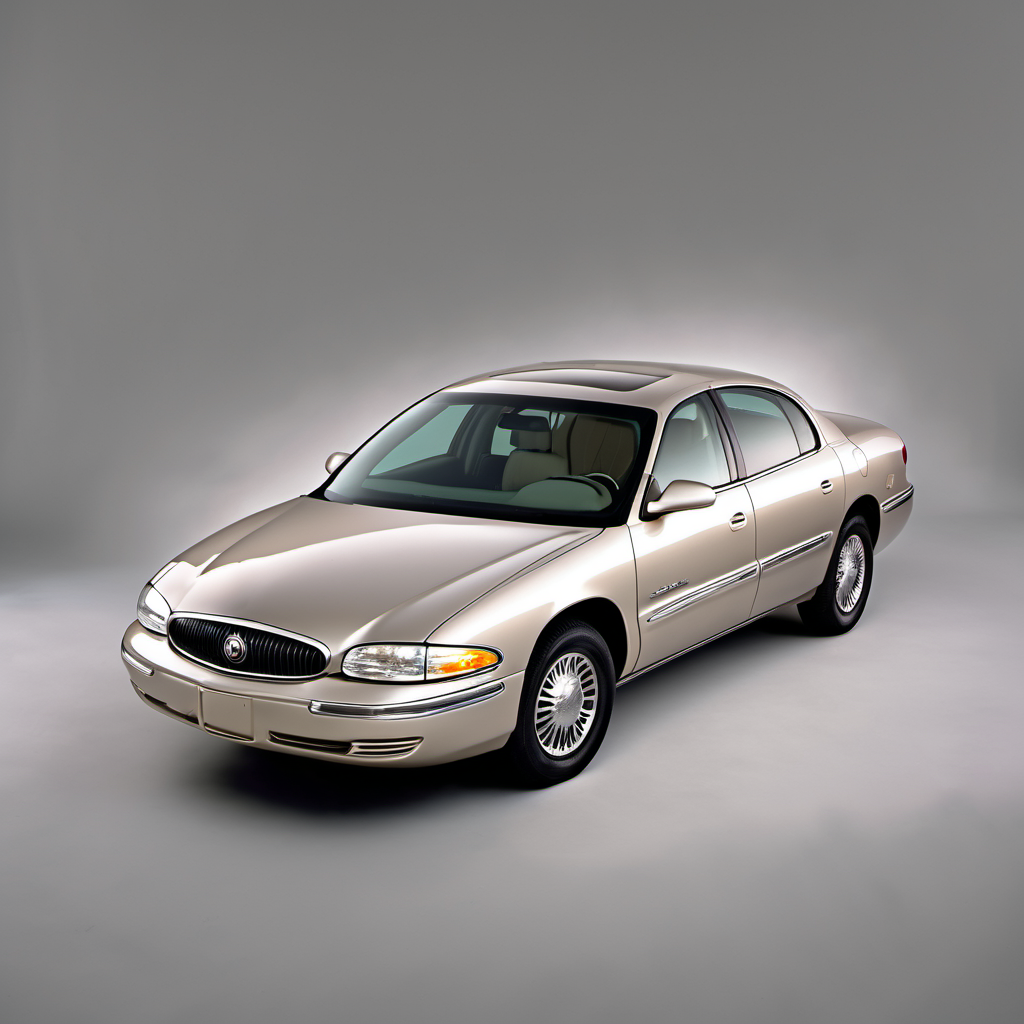
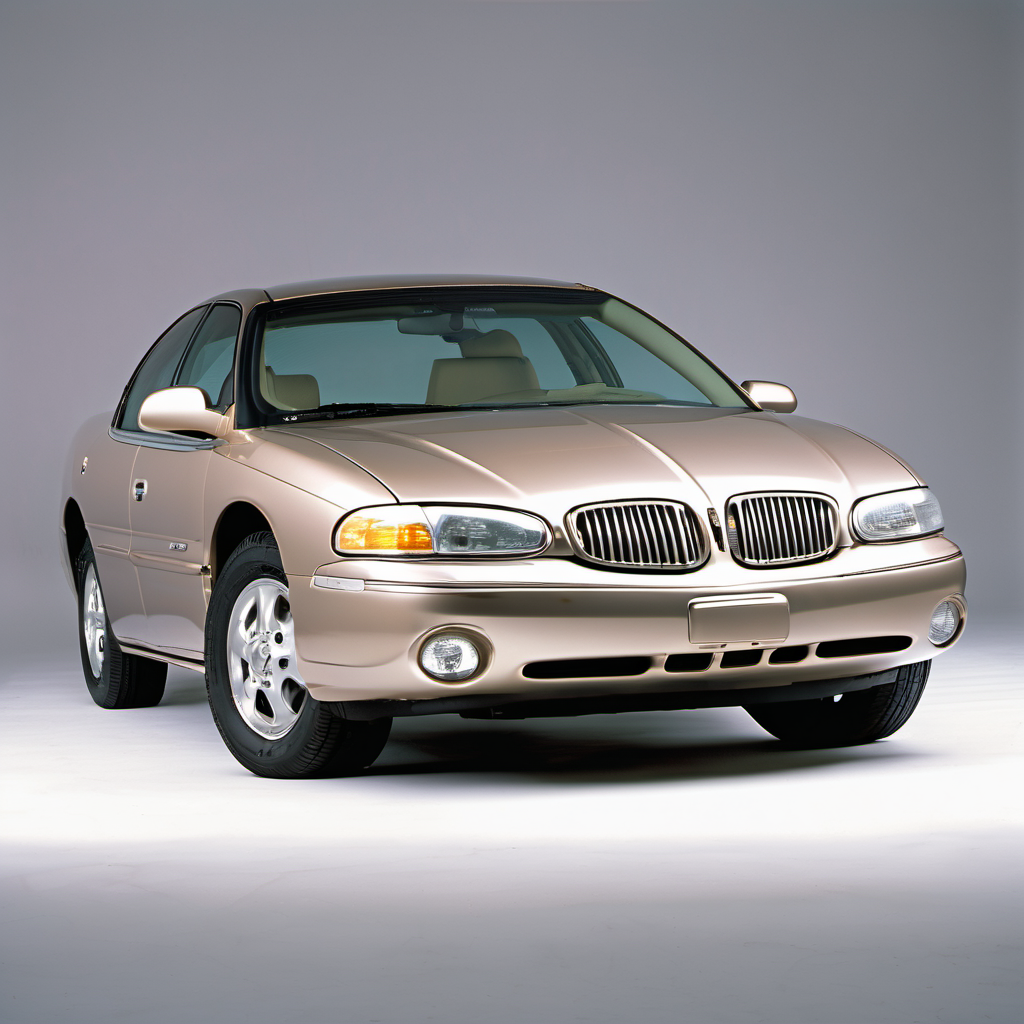
2002 Buick LeSabre Sedan

2002 Buick

LeSabreSedan

Sedan

The 2002 Buick LeSabre is a full-size front-wheel-drive sedan built on GM's proven H-body platform, sharing its bones with the Pontiac Bonneville and Oldsmobile Eighty-Eight. It was Buick's volume leader for years, and for good reason: the 3800 Series II V6 under the hood is one of the most durable engines GM ever produced, and the cabin delivers a quiet, comfortable ride that long-distance drivers genuinely appreciate. By 2002 the LeSabre had been refined over decades into a very reliable daily driver. It isn't exciting — the steering is numb, the styling conservative — but it starts every morning, sips fuel reasonably for its size, and tends to rack up high miles with minimal drama when basic maintenance is kept up. Parts are cheap and every shop knows this engine. The sweet spot for this car is an older driver or budget-conscious buyer who wants genuine comfort, a proven powertrain, and low operating costs. Just plan for age-related rubber and plastic deterioration on any example that's now over 20 years old.

Reliability
4/5
Verified data
Specs shown for LeSabre — the most common configuration. Other trims may vary in engine, drivetrain, or fuel economy. Sign in to see your vehicle's exact specs.
Engine
[object Object]
Drivetrain
FWD
Fuel
Gasoline
MPG
17 city / 27 hwy / 21 combined
Seats
Doors
Body
Large Cars

Overview

AI-curated

The 2002 Buick LeSabre is a full-size front-wheel-drive sedan built on GM's proven H-body platform, sharing its bones with the Pontiac Bonneville and Oldsmobile Eighty-Eight. It was Buick's volume leader for years, and for good reason: the 3800 Series II V6 under the hood is one of the most durable engines GM ever produced, and the cabin delivers a quiet, comfortable ride that long-distance drivers genuinely appreciate. By 2002 the LeSabre had been refined over decades into a very reliable daily driver. It isn't exciting — the steering is numb, the styling conservative — but it starts every morning, sips fuel reasonably for its size, and tends to rack up high miles with minimal drama when basic maintenance is kept up. Parts are cheap and every shop knows this engine. The sweet spot for this car is an older driver or budget-conscious buyer who wants genuine comfort, a proven powertrain, and low operating costs. Just plan for age-related rubber and plastic deterioration on any example that's now over 20 years old.

Known for
  • Bulletproof GM 3800 Series II V6 engine
  • Exceptionally smooth, quiet highway ride
  • Spacious trunk and rear seating
  • Low parts and labor costs
  • Strong long-term reliability when maintained
Best for
  • Retirees and highway commuters
  • Budget buyers needing a dependable large sedan
  • High-mileage daily drivers on a tight maintenance budget
  • Buyers who prioritize comfort over performance
Watch for
  • Intake manifold gasket failure — nearly universal on 3800 engines
  • Age-related coolant leaks and rubber hose deterioration
  • Power window regulators and door lock actuators wearing out
  • Rust on rocker panels, wheel wells, and subframe on Midwest examples
  • Plastic coolant reservoir and heater core fitting brittleness

Common issues by mileage

6 known

Intake Manifold Gasket Failure (Coolant/Oil Leak)

high
Typically appears
60–130k mi
Estimated repair
$400 – $700

Lower Intake Plastic Coolant Crossover / Thermostat Housing Leak

high
Typically appears
80–150k mi
Estimated repair
$150 – $350

Power Window Regulator / Motor Failure

high
Typically appears
80–180k mi
Estimated repair
$120 – $250

Oxygen Sensor / O2 Sensor Heater Circuit Failure

medium
Typically appears
80–150k mi
Estimated repair
$100 – $220

ABS / Wheel Speed Sensor Fault (Chassis Module Communication)

medium
Typically appears
100–180k mi
Estimated repair
$150 – $400

Maintenance schedule

  1. 1
    Every 5,000 mi or 6 months Engine oil and filter change

    The 3800 V6 is oil-pressure sensitive. Sludge from extended intervals accelerates wear on valve train components. Use the weight specified on the oil cap.

  2. 2
    Every 2 years / 30,000 mi Coolant system flush and inspect all plastic fittings

    The plastic coolant crossover pipe, reservoir, and thermostat housing become brittle with age. Catching a weeping fitting before it fails prevents a roadside overheat. Use GM-approved DEX-COOL or a compatible long-life coolant and keep it fresh — old DEX-COOL turns acidic and attacks gaskets.

  3. 3
    Every 30,000 mi or at any coolant loss Inspect intake manifold gaskets for seepage

    This is the single most common repair on the 3800. Catching external seepage early prevents coolant from mixing with oil, which causes serious engine damage.

  4. 4
    Every 30,000 mi Transmission fluid and filter service

    The 4T65-E automatic is durable but responds well to clean fluid. Extended intervals cause harsh shifting and shorten clutch pack life.

  5. 5
    Every 60,000 mi (platinum) or 30,000 mi (standard) Spark plugs replacement

    Misfires on the 3800 can cause rough idle and increased fuel consumption. One plug is buried under the manifold — factor in extra labor time.

  6. 6
    Every 60,000–75,000 mi or if cracking/glazing is visible Inspect and replace serpentine belt and tensioner

    A snapped belt on a cold Wisconsin morning leaves you stranded. Tensioner failure is common and often causes belt squeal before full failure.

  7. 7
    Every fall, before winter season Battery load test

    Cold cranking amps drop sharply below 0°F. A battery that performs fine in summer can refuse to start in a Lake Geneva January. Any battery over 4 years old should be tested.

  8. 8
    Every 50,000 mi or when handling changes Inspect front struts, control arm bushings, and sway bar end links

    Wisconsin salt accelerates bushing deterioration and strut corrosion. Worn front end components cause tire wear and vague steering — easy to miss on a car this compliant.

Always defer to the manufacturer's service manual for warranty-mandated intervals.

Cost of ownership

Annual maintenance
$600 – $1,400
Fuel
At 21 MPG combined and ~12,000 mi/yr, expect roughly $1,600–$1,900/yr at $3.00–$3.30/gal regular unleaded.
Insurance
Typically $700–$1,100/yr for full coverage in Wisconsin on a vehicle this age and value. Liability-only can run $400–$600/yr.

The LeSabre is genuinely inexpensive to own. Parts are plentiful, junkyard inventory is deep, and any independent shop can work on it. Routine years cost $600–$900 in maintenance. A bad year — intake gaskets plus a transmission service plus struts — might hit $1,400. Major repair parts (O2 sensors, window regulators, thermostats) are all under $100 for the part itself. The biggest financial risk is neglected coolant maintenance leading to a head gasket job, which can run $1,500–$2,500 at an independent shop.
Seasonal care

Lake Geneva, WI
Winter
  • Load-test the battery every fall — the 3800 starts well when healthy, but a marginal battery fails fast at sub-zero Wisconsin temps.
  • Switch to a full-synthetic or synthetic-blend 5W-30 if running conventional oil; cold starts in January are easier on engine internals.
  • Inspect the block heater (if equipped) and use it below 0°F — LeSabres commonly have one; a cold soak causes extra wear on these higher-mileage engines.
  • Flush washer fluid reservoir and top off with -20°F or -40°F rated fluid — the large windshield picks up a lot of road salt spray.
  • Inspect the undercarriage for rust on rocker panels, subframe mounting points, and brake lines every spring — Lake Geneva roads are heavily salted.
  • Check tire pressure monthly; pressure drops roughly 1 PSI for every 10°F drop in temperature, and an underinflated tire in snow is a safety issue.
Summer
  • Inspect the coolant level and condition before summer — the 3800's intake gasket issues worsen with heat cycles, and an overheat is expensive.
  • Check A/C performance early in the season; the condenser and o-rings on a 20-year-old car are prone to slow refrigerant loss.
  • Check tire pressure monthly — heat causes overinflation and uneven wear on the front tires, which take extra load with FWD.
  • Inspect the serpentine belt for cracking or glazing — summer heat accelerates rubber fatigue on aged belts.

Comparable vehicles

If you're shopping for one

Red flags
  • Any sign of coolant in the oil or oil in the coolant — walk away unless priced accordingly for a major repair.
  • Rust perforation through the rocker panels or floor — structural rust on a 20+ year old Midwest car is not worth fixing.
  • A check engine light that the seller 'just had reset' with no explanation — common on cars with chronic O2 sensor or EVAP issues.
  • Slipping, harsh, or delayed shifts in the transmission — the 4T65-E rebuild runs $1,200–$2,000 at an independent shop.
  • Evidence of overheating (cracked dashboard, stained headliner from steam, warped hood paint) — may indicate past head gasket or engine damage.
What to inspect
  • Pull the oil dipstick and look for a milky/frothy residue — this indicates coolant mixing with oil from a failing intake manifold gasket.
  • Check the coolant reservoir for a brown, rusty, or oily film — another intake gasket red flag.
  • Look under the car at the rocker panels, rear wheel arches, and subframe pickup points for rust perforation — critical on any Wisconsin-area car.
  • Run the heat and A/C through all modes; blower motor resistors and blend door actuators are common failures on these.
  • Test every power window, lock, and the trunk release — regulators and actuators are a frequent repair cost.
  • Check for transmission shudder during light-throttle acceleration around 40–50 mph — a sign of worn torque converter clutch, which can be addressed with a fluid service if caught early.
  • Inspect the brake lines for rust and pitting, especially near the rear axle and frame — a soft pedal on a salt-belt car is a safety issue.
AI profile generated 11 days ago · claude-sonnet-4-6 · v2.