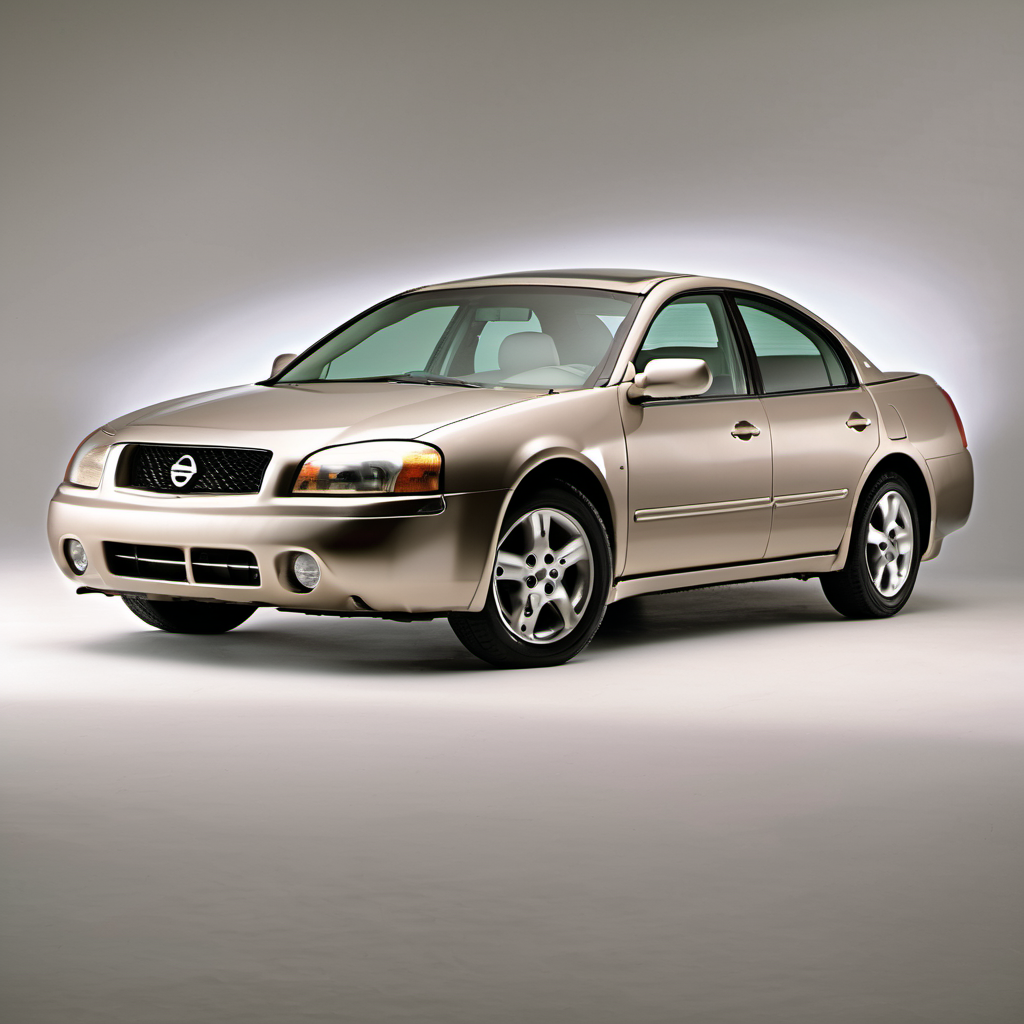
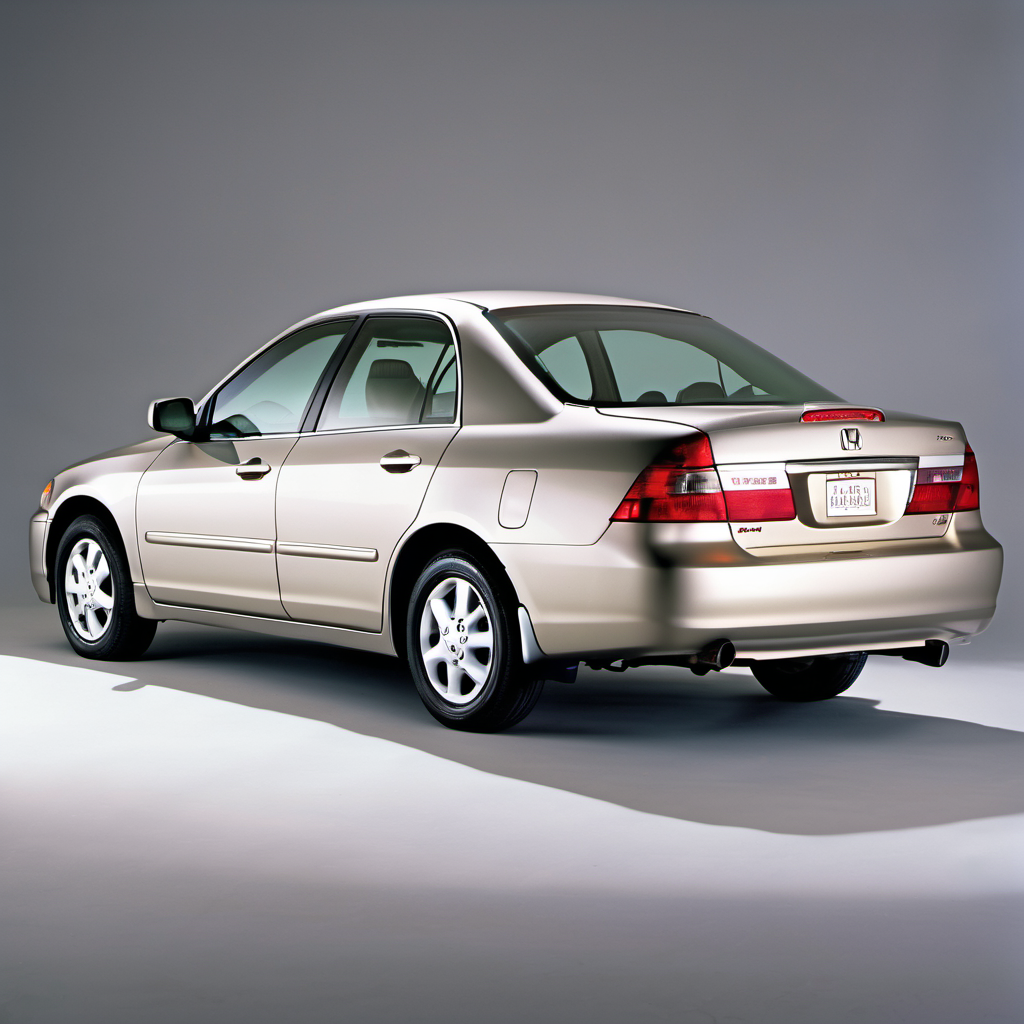
2002 Nissan Maxima Sedan

2002 Nissan

MaximaSedan

Sedan

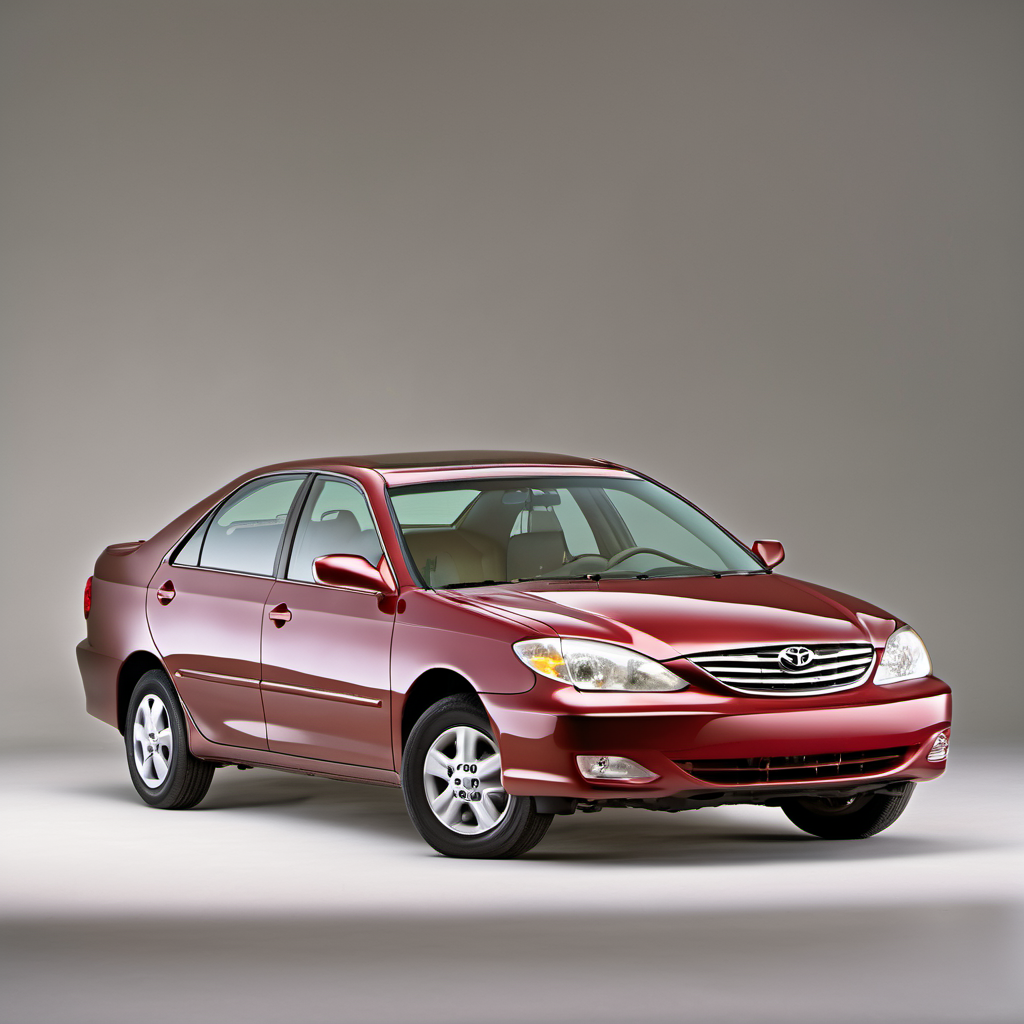
The 2002 Nissan Maxima is a fifth-generation front-wheel-drive sport sedan powered by Nissan's VQ35DE 3.5L V6 — one of the most celebrated engines of its era. It was positioned as a near-luxury performance sedan at a mainstream price, earning the nickname '4-Door Sports Car' from Nissan's own marketing. Compared to the Camry and Accord of the same period, the Maxima punched harder in power and driving feel. For a 22-year-old car, the 2002 Maxima holds up surprisingly well mechanically when maintained. The VQ35DE is a robust, interference engine that rewards regular oil changes and punishes neglect — particularly around the timing chain tensioner and valve cover gaskets. Rust is the primary enemy in Wisconsin; the undercarriage, subframe mounts, and rear wheel wells need close attention on any example this age. This generation (A33 platform, 2002–2003) is the last of the round-body fifth-gen design before the 2004 redesign. Parts availability is still reasonable through aftermarket channels, and independent shops familiar with Nissan VQ engines can service these without issue.

Reliability
3/5
Verified data
Specs shown for Maxima — the most common configuration. Other trims may vary in engine, drivetrain, or fuel economy. Sign in to see your vehicle's exact specs.
Engine
[object Object]
Drivetrain
FWD
Fuel
Gasoline
MPG
17 city / 24 hwy / 20 combined
Seats
Doors
Body
Midsize Cars

Overview

AI-curated

The 2002 Nissan Maxima is a fifth-generation front-wheel-drive sport sedan powered by Nissan's VQ35DE 3.5L V6 — one of the most celebrated engines of its era. It was positioned as a near-luxury performance sedan at a mainstream price, earning the nickname '4-Door Sports Car' from Nissan's own marketing. Compared to the Camry and Accord of the same period, the Maxima punched harder in power and driving feel. For a 22-year-old car, the 2002 Maxima holds up surprisingly well mechanically when maintained. The VQ35DE is a robust, interference engine that rewards regular oil changes and punishes neglect — particularly around the timing chain tensioner and valve cover gaskets. Rust is the primary enemy in Wisconsin; the undercarriage, subframe mounts, and rear wheel wells need close attention on any example this age. This generation (A33 platform, 2002–2003) is the last of the round-body fifth-gen design before the 2004 redesign. Parts availability is still reasonable through aftermarket channels, and independent shops familiar with Nissan VQ engines can service these without issue.

Known for
  • VQ35DE V6 — one of Ward's 10 Best Engines for multiple years running
  • Sport-tuned suspension with genuine driving engagement for a FWD sedan
  • Spacious, driver-focused interior with Bose audio as a popular option
  • Strong straight-line acceleration (255 hp was class-leading for the era)
  • Long-term engine durability when oil changes are kept up
Best for
  • Buyers wanting sporty feel in a practical 4-door package
  • High-mileage daily drivers on a budget who can do basic maintenance
  • Enthusiasts who want a capable platform with affordable parts
  • Commuters who prioritize performance over fuel economy
Watch for
  • Rust on the subframe, rear lower control arms, and undercarriage — critical in Wisconsin
  • Timing chain tensioner wear on high-mileage VQ35DE engines
  • Valve cover gasket oil leaks are nearly universal on 20+ year old examples
  • Power window regulators and door lock actuators fail frequently with age
  • Catalytic converter efficiency codes common on aged oxygen sensor circuits

Common issues by mileage

6 known

Valve Cover Gasket Oil Leaks

high
Typically appears
80k–150k mi
Estimated repair
$200 – $450

Timing Chain Tensioner Wear / Rattle on Cold Start

medium
Typically appears
100k–180k mi
Estimated repair
$400 – $900

Oxygen / A/F Sensor Heater Circuit Failure

high
Typically appears
80k–150k mi
Estimated repair
$150 – $350

Power Window Regulator Failure

high
Typically appears
80k+ mi
Estimated repair
$120 – $250

Intake / Exhaust Valve Control Solenoid (CVTCS) Sludging

medium
Typically appears
90k–160k mi
Estimated repair
$150 – $500

Undercarriage / Subframe Rust (Wisconsin-specific concern)

high
Typically appears
Any mileage on Midwest examples
Estimated repair
$300 – $2,500

Maintenance schedule

  1. 1
    Every 5,000 miles or 6 months — do not stretch to 7,500+ on a 20-year-old VQ35 Engine oil and filter change

    Oil sludging is the #1 killer of VQ35DE engines. The CVTCS solenoids clog first; the timing chain tensioner suffers next. Fresh oil is the cheapest insurance you can buy on this car.

  2. 2
    Inspect at 100k mi; replace if cold-start rattle lasts more than 2 seconds Timing chain tensioner inspection

    The VQ35DE uses a timing chain (not a belt), but tensioner wear causes the chain to slap on cold starts. Ignored, it can jump a tooth and cause serious engine damage since this is an interference engine.

  3. 3
    Inspect at every oil change; replace when seeping (typically 100k–130k mi) Valve cover gasket replacement

    Leaking valve covers drip oil onto hot exhaust components, creating a fire and smoke risk. On a 2002, assume these need replacement if not already done.

  4. 4
    Every 30,000 miles (standard plugs) or 60,000 miles (platinum/iridium) Spark plug replacement

    The rear bank of plugs on the VQ35DE is recessed and awkward to access; waiting too long allows them to seize in the head. Change on schedule to avoid a much larger repair bill.

  5. 5
    Every 5 years or 60,000 miles Coolant flush

    Degraded coolant becomes acidic and attacks the aluminum cooling system components. Wisconsin freeze protection must be verified before each winter — test to at least -34°F.

  6. 6
    Every 30,000–40,000 miles on used examples with unknown history Transmission fluid change (automatic)

    The 4-speed RE4F04B automatic is durable but sensitive to old fluid. If history is unknown, change it now rather than risk a $1,500–$2,500 transmission repair.

  7. 7
    Every fall before road salt season Undercarriage rust inspection and treatment

    The rear lower control arm mounts and subframe are rust-prone on Wisconsin cars. Catching surface rust early and treating it is far cheaper than subframe replacement or a failed safety inspection.

  8. 8
    Every fall; replace proactively if battery is 4+ years old Battery load test

    A 3.5L V6 draws significant cranking amperage. Wisconsin winters below 0°F cut battery capacity by up to 50%. A marginal battery that starts fine in October will leave you stranded in January.

Always defer to the manufacturer's service manual for warranty-mandated intervals.

Cost of ownership

Annual maintenance
$600 – $1,400
Fuel
At 20 MPG combined and ~12,000 miles/year, expect roughly $1,400–$1,800/year at current Midwest gas prices. Premium fuel is not required — regular 87 octane is fine.
Insurance
Typically $900–$1,400/year in the Lake Geneva area for a driver with a clean record on a vehicle this age. Actual rates vary significantly by driver profile.

Day-to-day ownership costs on a well-maintained 2002 Maxima are modest — the engine is simple, parts are affordable, and independent shops can handle everything. The wildcard is deferred maintenance: a timing chain job, catalytic converter, or rust repair can each run $500–$2,500 and tend to cluster on high-mileage examples. Budget $800–$1,200/year if the car is already in good shape; more if you're catching up on neglected items.
Seasonal care

Lake Geneva, WI
Winter
  • Test battery every fall — cold starts on a VQ35 demand full cranking power, and Wisconsin sub-zero temps can cut a marginal battery's capacity in half overnight.
  • Verify coolant freeze protection to at least -34°F before the first hard freeze; a 20-year-old cooling system may have degraded or diluted coolant.
  • Switch to a full-synthetic 5W-30 oil if not already using one — it flows faster on cold starts and reduces timing chain tensioner wear during warm-up.
  • Flush and refill washer fluid with a -20°F or colder rated formula; the stock reservoir has no heat, and Lake Geneva road spray will drain it fast.
  • Inspect the undercarriage, subframe mounts, and rear wheel wells for rust before salt season — seal any bare metal with rust inhibitor now, not in the spring.
  • Keep the gas tank above half whenever possible in winter to reduce fuel line moisture and add weight over the front-wheel-drive axles on slippery roads.
Summer
  • Check tire pressure monthly — for every 10°F rise in ambient temperature, tires gain about 1 PSI; overinflated tires reduce grip and wear unevenly.
  • Inspect the A/C system for proper cooling before summer heat peaks; the compressor clutch and cabin filter are the most common weak points on this age of vehicle.
  • Check coolant level and hose condition — the upper radiator hose on 20-year-old examples can crack or soften, and summer heat accelerates failure.
  • After winter, wash the undercarriage thoroughly to remove accumulated road salt before warmer temps accelerate corrosion.

Comparable vehicles

If you're shopping for one

Red flags
  • Cold-start timing chain rattle that lasts more than 3–5 seconds — indicates tensioner wear or oil starvation history.
  • Sludge under the valve cover or on the oil cap — engine internals are likely compromised.
  • Heavy rust on the subframe, control arm mounts, or floor pans — repair cost can exceed the car's value.
  • Any evidence of coolant in the oil (milky dipstick) or oil in the coolant (brown foam in reservoir) — head gasket territory.
  • Check engine light on with camshaft timing codes (P0012, P0015, P0022, P0025) — could indicate sludged VVT solenoids or tensioner failure; do not dismiss.
  • Automatic transmission that slips, hesitates, or clunks between gears — fluid neglect on a 22-year-old trans is expensive to fix.
What to inspect
  • Pull the oil cap and look for milky sludge or heavy buildup — oil sludge on VQ35 engines is a dealbreaker that signals major deferred maintenance.
  • Start the engine cold and listen for a timing chain rattle in the first 5–10 seconds; it should quiet quickly. Persistent rattle = tensioner job needed.
  • Look underneath at the rear subframe mounts and lower control arm attachment points for heavy rust — poke with a screwdriver. Soft or flaking metal is a structural concern.
  • Test every power window individually; regulators fail commonly and replacement is $120–$250 per door.
  • Check for oil seeping around both valve covers — especially the rear bank, which is harder to spot. Smell the exhaust for burning oil.
  • Verify the A/C blows cold and the compressor clutch engages cleanly — recharge or compressor replacement on a 22-year-old car can be $300–$800.
  • Request or pull service records; look specifically for evidence of regular oil changes. No records = budget for a full inspection and catch-up service.
AI profile generated 11 days ago · claude-sonnet-4-6 · v2.