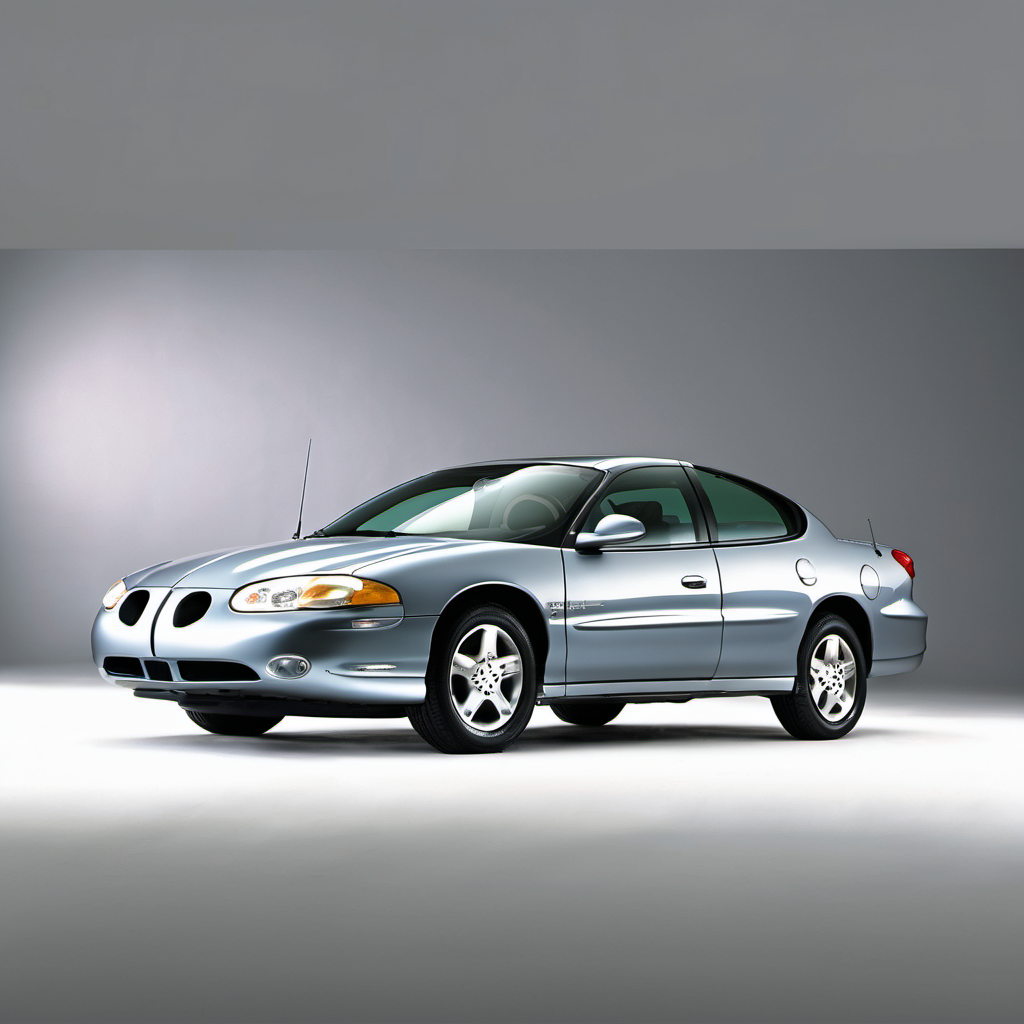
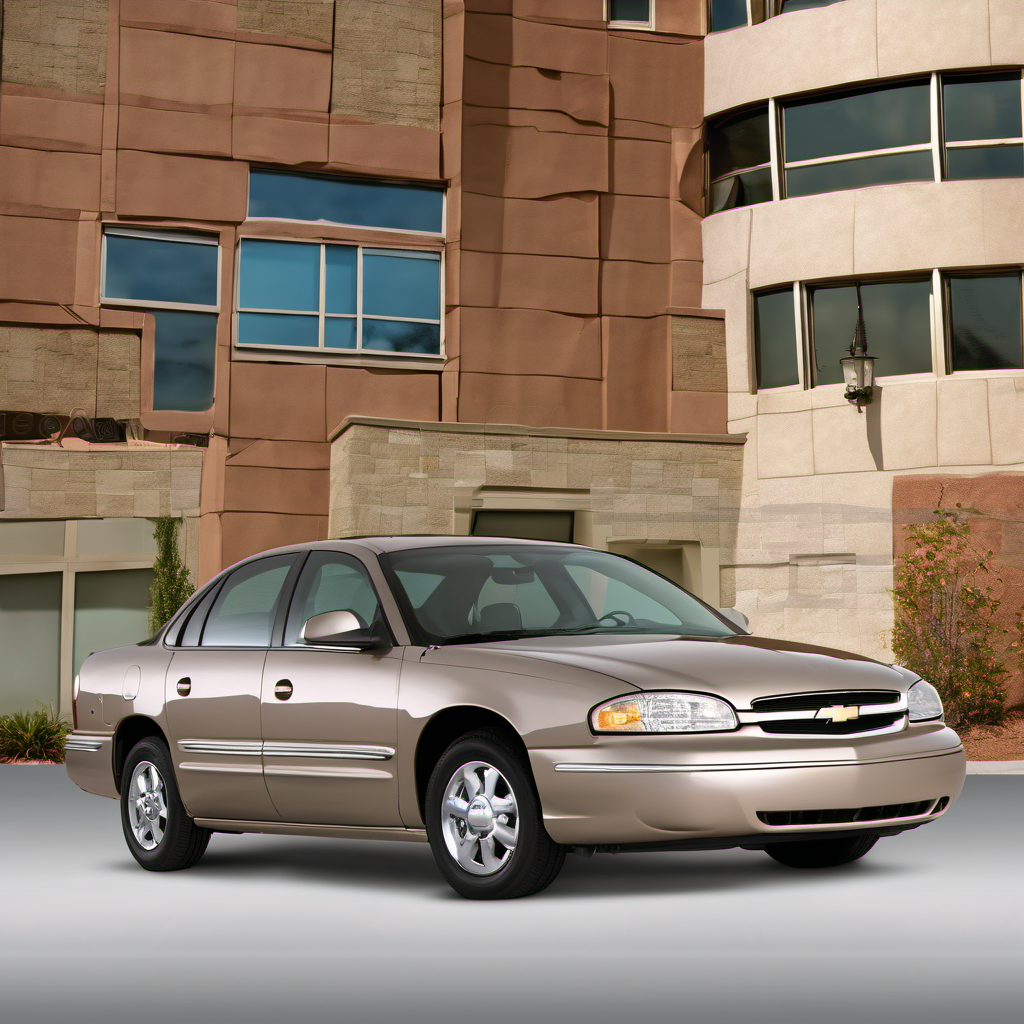
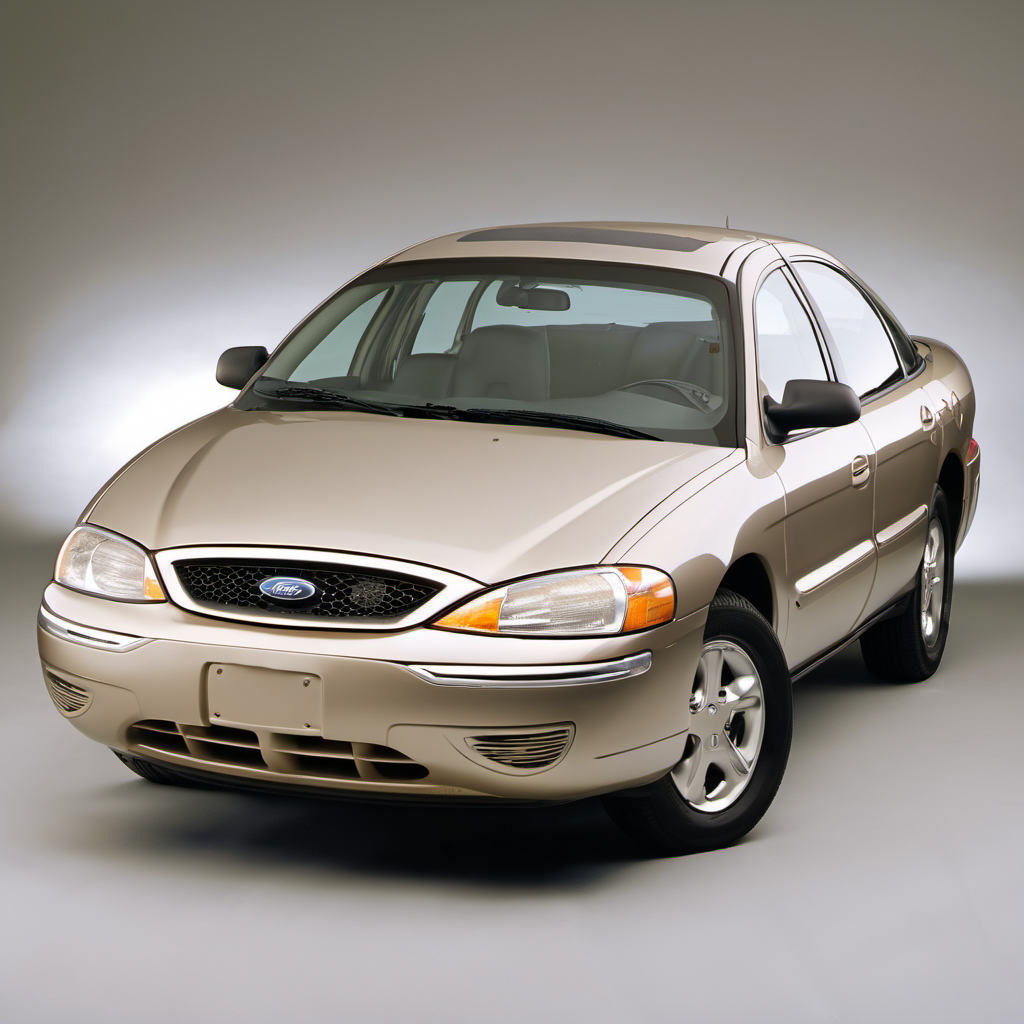
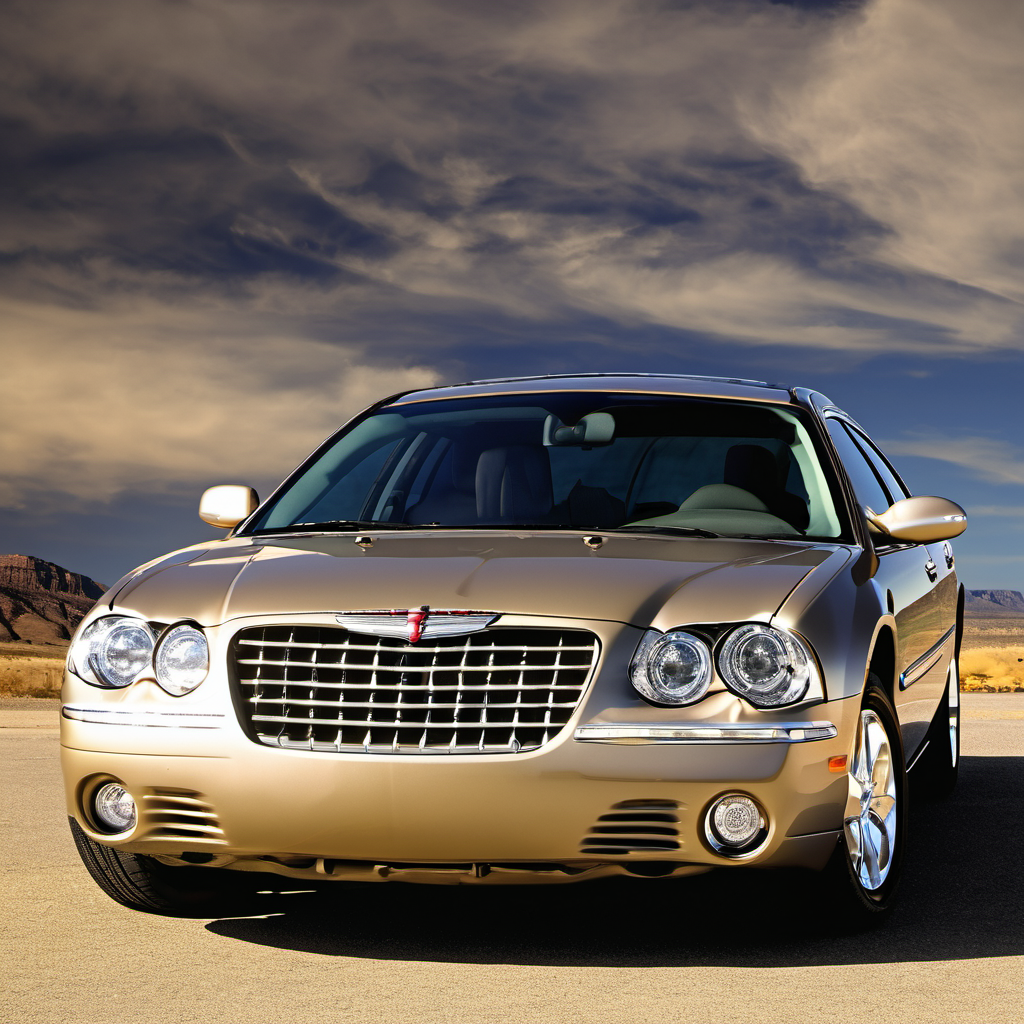
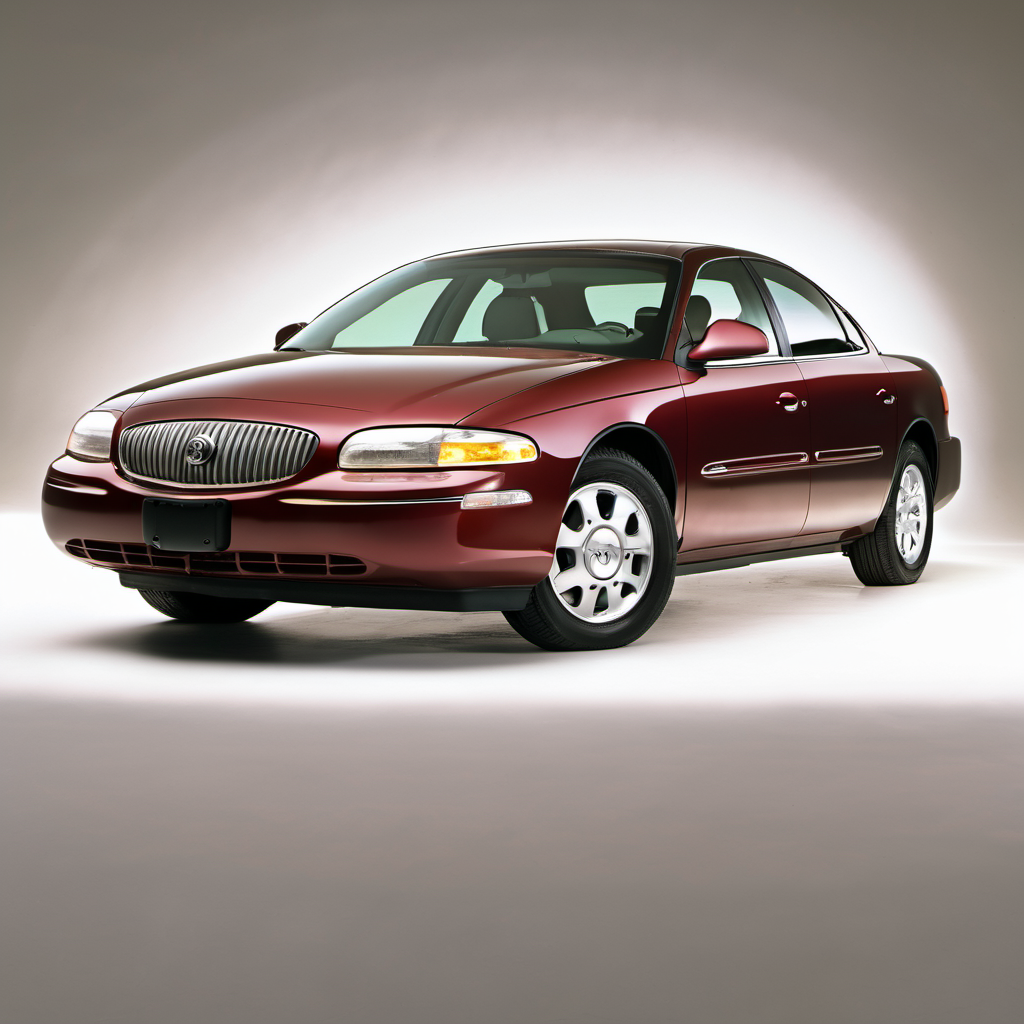
2002 Pontiac Grand Prix Sedan

2002 Pontiac

Grand PrixSedan

Sedan

The 2002 Pontiac Grand Prix is a front-wheel-drive mid-size sedan riding on GM's W-body platform — a platform shared with the Buick Regal, Chevrolet Impala, and Oldsmobile Intrigue. This generation (1997–2003) was known for its sporty styling and, in the GTP trim, a factory Eaton Roots-type supercharger bolted to the 3800 Series II V6 producing 260 hp — a genuinely quick car for its era. The naturally aspirated GT used the same 3800 V6 in non-boosted form. Both engines are renowned for longevity when properly maintained, but the supercharged variant adds complexity and cost. The 4T65-E automatic transmission handles power delivery and is shared across the W-body family. By 2002, the Grand Prix was approaching the end of this generation's run and parts availability is good thanks to the shared W-body parts bin. At 20+ years old, rust, deferred maintenance, and worn suspension components are the main concerns — especially in the Wisconsin salt belt.

Reliability
3/5
Verified data
Specs shown for Grand Prix — the most common configuration. Other trims may vary in engine, drivetrain, or fuel economy. Sign in to see your vehicle's exact specs.
Engine
[object Object]
Drivetrain
FWD
Fuel
Premium gasoline
MPG
16 city / 25 hwy / 19 combined
Seats
Doors
Body
Midsize Cars

Overview

AI-curated

The 2002 Pontiac Grand Prix is a front-wheel-drive mid-size sedan riding on GM's W-body platform — a platform shared with the Buick Regal, Chevrolet Impala, and Oldsmobile Intrigue. This generation (1997–2003) was known for its sporty styling and, in the GTP trim, a factory Eaton Roots-type supercharger bolted to the 3800 Series II V6 producing 260 hp — a genuinely quick car for its era. The naturally aspirated GT used the same 3800 V6 in non-boosted form. Both engines are renowned for longevity when properly maintained, but the supercharged variant adds complexity and cost. The 4T65-E automatic transmission handles power delivery and is shared across the W-body family. By 2002, the Grand Prix was approaching the end of this generation's run and parts availability is good thanks to the shared W-body parts bin. At 20+ years old, rust, deferred maintenance, and worn suspension components are the main concerns — especially in the Wisconsin salt belt.

Known for
  • Eaton M62 supercharged 3800 V6 in GTP trim — strong real-world performance
  • Durable 3800 Series II engine with a long track record of high mileage
  • Sporty W-body platform shared with Regal, Impala, and Intrigue
  • Affordable used pricing with widely available parts
  • Front-wheel-drive handling that's competent but not sports-car sharp
Best for
  • Budget-conscious drivers who want a roomy, reasonably quick daily driver
  • Owners comfortable with DIY or independent-shop maintenance
  • High-mileage commuters who want proven V6 reliability
  • Buyers who appreciate performance without sports-car insurance costs
Watch for
  • Supercharger snout seal and coupler wear on GTP — can be expensive to repair
  • Intake manifold gasket failure — a known 3800 Series II weakness
  • Heavy underbody rust from Wisconsin road salt at this age
  • Cracked or leaking lower intake plastic on high-mileage examples
  • Power steering rack wear and strut mount deterioration

Common issues by mileage

6 known

Intake Manifold Gasket Failure (Lower)

high
Typically appears
60–120k mi
Estimated repair
$350 – $650

Supercharger Snout Seal / Coupler Wear (GTP)

medium
Typically appears
80–150k mi
Estimated repair
$300 – $700

Power Steering Rack Leak or Wear

medium
Typically appears
100–160k mi
Estimated repair
$400 – $750

Strut Mounts and Front Strut Deterioration

high
Typically appears
80–130k mi
Estimated repair
$350 – $700

Oxygen Sensor / HO2S Heater Circuit Failure

medium
Typically appears
80–150k mi
Estimated repair
$150 – $350

4T65-E Transmission Slipping or Delayed Engagement

medium
Typically appears
120–200k mi
Estimated repair
$1,200 – $2,800

Maintenance schedule

  1. 1
    Every 5,000 miles or 6 months Engine oil and filter change

    The 3800 supercharged engine runs hot and works the oil hard. Conventional 5W-30 changed on schedule prevents sludge and bearing wear — extending the life of the supercharger drive as well.

  2. 2
    Every 30,000–50,000 miles Supercharger oil fill check

    The Eaton M62 supercharger has its own small oil reservoir. It's often overlooked and runs dry, causing premature bearing and rotor wear. Check and refill with GM-spec supercharger oil.

  3. 3
    Every 5 years or 60,000 miles Coolant flush and thermostat inspection

    The 3800 is prone to plastic intake manifold coolant crossover leaks. Fresh coolant with correct DexCool or compatible universal coolant, and a working thermostat, helps prevent overheating that accelerates gasket failure.

  4. 4
    Every 60,000 miles or at first sign of cracking/glazing Serpentine and supercharger belt inspection/replacement

    The supercharger is belt-driven off the serpentine system. A snapped belt disables both charging boost and alternator/water pump on some routing configurations. Inspect annually in Wisconsin due to cold-start stress.

  5. 5
    Every 30,000–45,000 miles Transmission fluid and filter service

    The 4T65-E is reliable but sensitive to degraded fluid. Many owners skip this service; fresh fluid is the single best preventive against costly transmission repairs.

  6. 6
    Every 2 years or 30,000 miles Front strut and strut mount inspection

    Wisconsin roads and road salt accelerate strut mount corrosion and strut seal failure. Clunking over bumps or vague steering are warning signs; failing mounts can also cause tire wear.

  7. 7
    Every fall before winter season Underbody rust inspection and treatment

    At 20+ years old in the salt belt, subframe, brake line, and fuel line corrosion is a real safety concern. Annual inspection — and treating exposed metal — can add years of safe service life.

  8. 8
    Every 30,000 miles (conventional) or 60,000 miles (platinum) Spark plug replacement

    The supercharged 3800 benefits from fresh plugs gapped to spec. Worn plugs stress the ignition coil packs, which are a known secondary failure point on this engine.

Always defer to the manufacturer's service manual for warranty-mandated intervals.

Cost of ownership

Annual maintenance
$600 – $1,400
Fuel
Premium gasoline required for the GTP supercharged model. At 19 MPG combined and typical driving, expect $1,800–$2,400/year at current upper Midwest fuel prices. Budget toward the high end if you use the boost regularly.
Insurance
Generally inexpensive to insure — rates are low for a 20+ year-old domestic sedan. Expect $800–$1,400/year for full coverage depending on driver profile and coverage limits.

The Grand Prix GTP is cheap to buy and reasonably affordable to maintain if you stay on top of known wear items. The supercharger adds cost compared to the naturally aspirated GT. The biggest wildcard on a 2002 example is deferred maintenance and rust repair — budget an extra $500–$1,500 upfront for inspection and catch-up services if the history is unknown.
Seasonal care

Lake Geneva, WI
Winter
  • Switch to 5W-30 full synthetic oil before temperatures drop below 0°F — the supercharged engine takes longer to warm up in extreme cold and benefits from faster oil flow at startup.
  • Test the battery every fall. Cold-cranking demand is high on the 3800 supercharged engine and a marginal battery will fail on a -10°F morning.
  • Flush washer fluid reservoir and fill with rated -20°F or lower fluid — Wisconsin winters will freeze standard fluid in the lines.
  • Inspect and replace wiper blades with winter-rated beam blades before the first snowfall.
  • Check brake lines and fuel lines for salt-induced corrosion — on a 20+ year-old car this is safety-critical, not optional.
  • Verify the coolant freeze point is good to at least -34°F. A leaking intake manifold gasket can silently dilute your coolant mixture.
Summer
  • Monitor coolant temperature closely during stop-and-go driving — the supercharged 3800 generates significant heat and a failing thermostat or low coolant will surface quickly in summer traffic.
  • Check tire pressure monthly; heat causes pressure to rise and an over-inflated tire combined with a heavy curb strike can damage the sidewall.
  • Inspect the A/C system for refrigerant leaks — the evaporator and condenser on a 20-year-old car are common leak points. Recharge if cooling output is weak before peak summer heat.
  • Clean the supercharger air intake and check for any cracked vacuum lines — heat soak can cause rubber hoses and lines to crack and split over summer.

Comparable vehicles

If you're shopping for one

Red flags
  • Any sign of coolant in the oil (white residue on dipstick or filler cap) — walk away unless priced to reflect a full intake gasket job.
  • Rust perforation on the subframe or severe brake/fuel line corrosion — repair costs can exceed the car's value.
  • No maintenance records and high mileage — the supercharger service history is especially important.
  • Transmission that shudders, slips, or bangs into gear — a rebuild is $1,200–$2,800 at an independent shop.
  • Check engine light with oxygen sensor or ignition codes — use a scanner before buying, not after.
What to inspect
  • Pull the oil filler cap and look for white milky residue — a tell-tale sign of the intake manifold gasket leaking coolant into oil.
  • Check the supercharger belt and snout for oil seepage around the nose housing. Any wetness there means a seal job is coming.
  • Inspect the subframe, brake lines, and fuel lines from underneath for heavy rust — on a 2002 Wisconsin car this is a pass/fail item.
  • Verify the transmission shifts cleanly through all gears with no flaring, slipping, or delayed engagement at highway speeds.
  • Look for oil stains on the lower intake manifold and around the valley of the engine — gasket leaks often leave brown residue before they get catastrophic.
  • Test the A/C cold and the heater hot. Blower motor resistors and HVAC actuators are age-related failures on W-body cars.
AI profile generated 13 days ago · claude-sonnet-4-6 · v2.