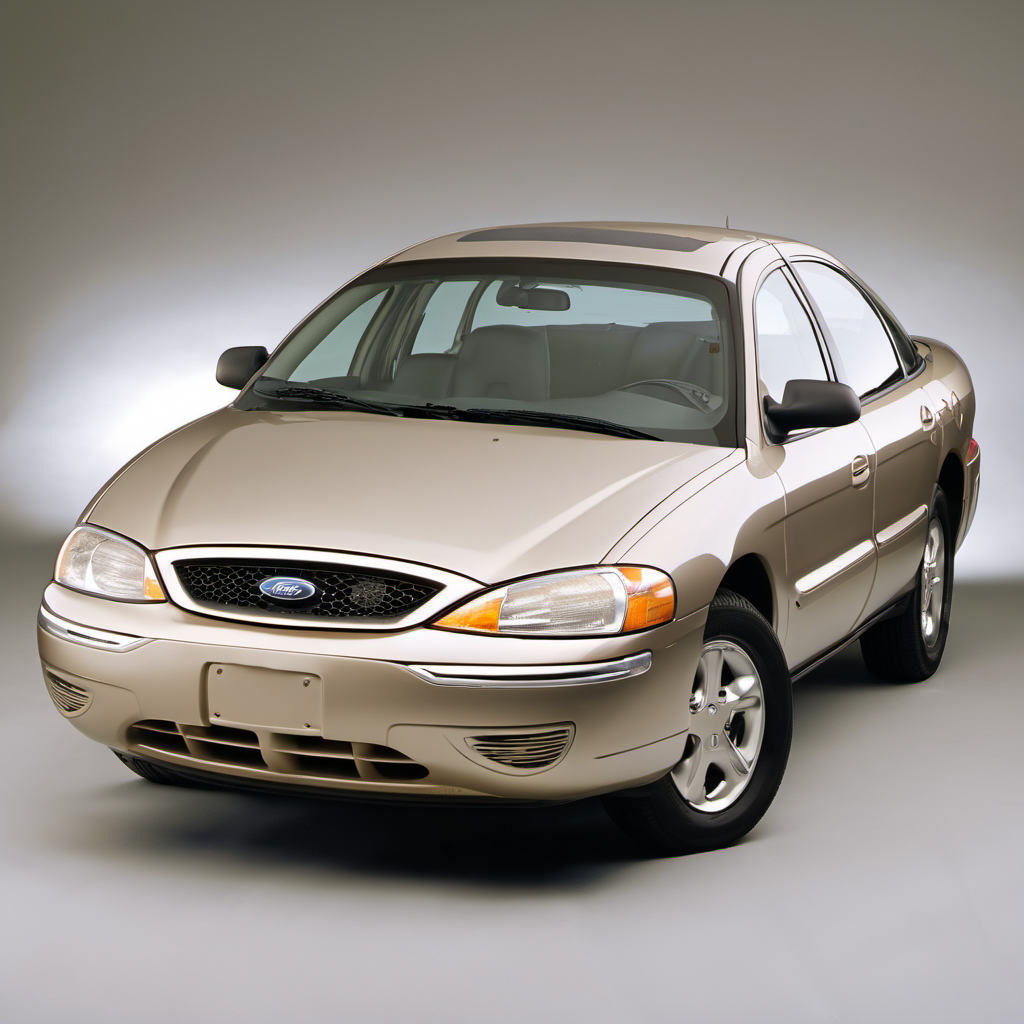
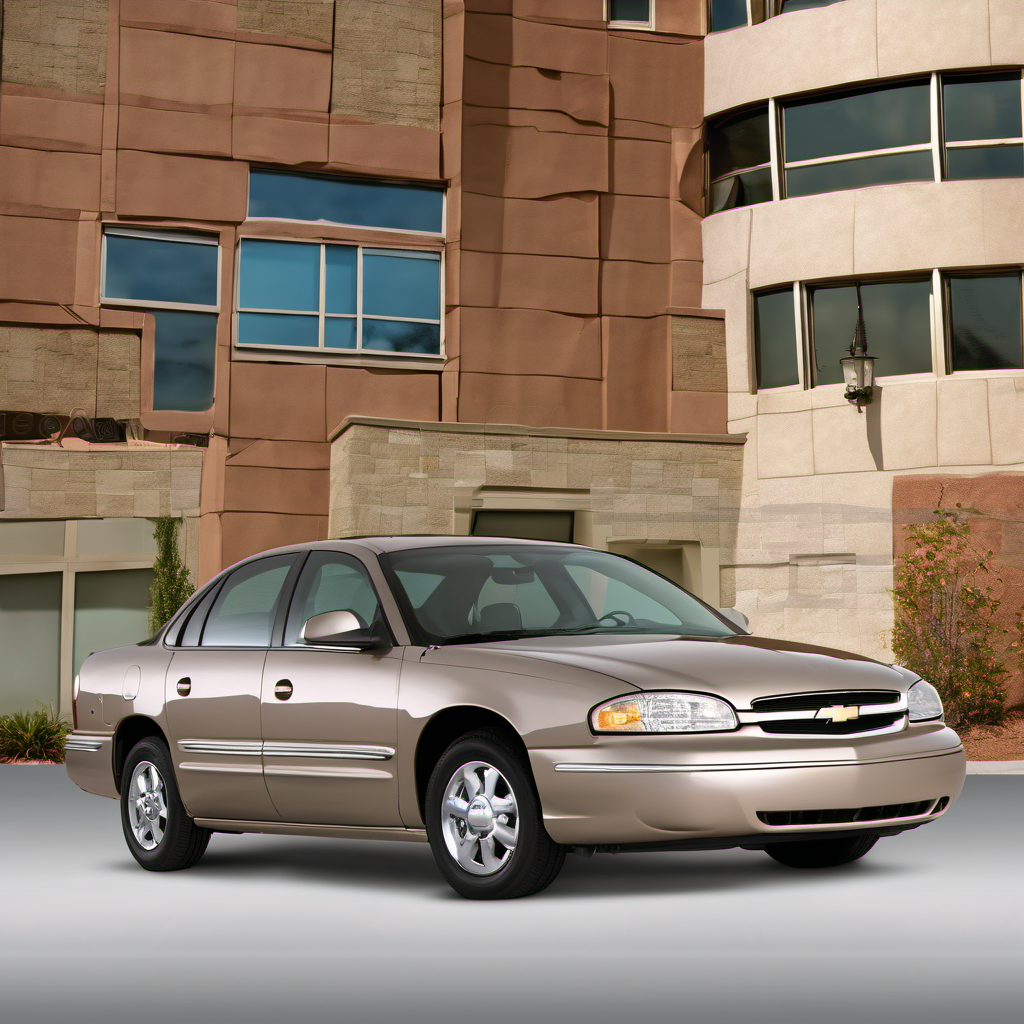
2002 Ford Taurus Sedan

2002 Ford

TaurusSedan

Sedan

The 2002 Ford Taurus Sedan was one of the best-selling cars in America for good reason — it's a practical, roomy, front-wheel-drive family sedan that's cheap to buy and relatively simple to work on. Powered by the Vulcan 3.0L V6, it's a proven workhorse engine that's been around since the late 1980s. Don't expect excitement, but do expect solid transportation when maintained. By 2002, the Taurus was in the final stretch of its third-generation run and Ford had largely ironed out earlier headaches. The Vulcan V6 (2-valve) in this trim is the more durable of the two V6 options offered that year — the DOHC Duratec is more powerful but brings more complexity. What you have here is the simpler, more forgiving option. At over 20 years old, any surviving Taurus is living on the maintenance it received. Cooling system neglect is the number-one killer on these cars. Rust from Wisconsin road salt is a serious concern on anything this age. Budget for deferred maintenance and inspect carefully before buying.

Reliability
3/5
Verified data
Specs shown for Taurus — the most common configuration. Other trims may vary in engine, drivetrain, or fuel economy. Sign in to see your vehicle's exact specs.
Engine
[object Object]
Drivetrain
FWD
Fuel
Gasoline
MPG
18 city / 25 hwy / 21 combined
Seats
Doors
Body
Large Cars

Overview

AI-curated

The 2002 Ford Taurus Sedan was one of the best-selling cars in America for good reason — it's a practical, roomy, front-wheel-drive family sedan that's cheap to buy and relatively simple to work on. Powered by the Vulcan 3.0L V6, it's a proven workhorse engine that's been around since the late 1980s. Don't expect excitement, but do expect solid transportation when maintained. By 2002, the Taurus was in the final stretch of its third-generation run and Ford had largely ironed out earlier headaches. The Vulcan V6 (2-valve) in this trim is the more durable of the two V6 options offered that year — the DOHC Duratec is more powerful but brings more complexity. What you have here is the simpler, more forgiving option. At over 20 years old, any surviving Taurus is living on the maintenance it received. Cooling system neglect is the number-one killer on these cars. Rust from Wisconsin road salt is a serious concern on anything this age. Budget for deferred maintenance and inspect carefully before buying.

Known for
  • Bulletproof Vulcan 3.0L V6 with high mileage potential
  • Spacious, comfortable interior for the class
  • One of the most common cars in America — parts are cheap and plentiful
  • Smooth, compliant ride on highways
Best for
  • Budget-conscious commuters needing reliable A-to-B transportation
  • Drivers who want low parts costs and easy DIY maintenance
  • Families needing passenger room on a tight budget
Watch for
  • Coolant intake manifold leaks — the plastic lower intake manifold is a known failure point
  • Transmission issues on high-mileage examples (AX4N/AX4S)
  • Heavy rust on subframes, brake lines, and exhaust from Wisconsin salt exposure
  • Head gasket failure, often triggered by neglected cooling system leaks

Common issues by mileage

6 known

Plastic Lower Intake Manifold Coolant Leak

high
Typically appears
60–120k mi
Estimated repair
$400 – $750

Head Gasket Failure (coolant loss / overheating)

medium
Typically appears
100–160k mi
Estimated repair
$1,000 – $1,800

AX4N / AX4S Transmission Slipping or Harsh Shifts

medium
Typically appears
100–150k mi
Estimated repair
$1,500 – $3,200

Oxygen Sensor Heater Circuit Failure

medium
Typically appears
80–140k mi
Estimated repair
$150 – $350

Front Strut / Strut Mount Wear

high
Typically appears
80–130k mi
Estimated repair
$300 – $600

Brake Line Rust / Rear Brake Hardware Corrosion

high
Typically appears
Any mileage on a Wisconsin car
Estimated repair
$200 – $900

Maintenance schedule

  1. 1
    Every 2 years or 30k mi — immediately on any used purchase Coolant system flush and pressure test

    The plastic lower intake manifold and its gaskets are the #1 failure point. Degraded coolant accelerates gasket deterioration. A pressure test will reveal slow leaks before they become head gasket failures.

  2. 2
    Every 30k mi Transmission fluid change (drain and fill)

    Ford's 'lifetime' fluid spec is optimistic for a 20+ year old transmission. Fresh Mercon V fluid keeps the AX4N shifting cleanly and extends its life significantly.

  3. 3
    Every 30k mi Spark plugs and ignition wires

    The OHV Vulcan V6 is easy to access on top; rear-bank wires can be awkward but are still DIY-friendly. Worn plugs and cracked wires cause rough idle and misfires on cold Wisconsin mornings.

  4. 4
    Every 60k mi or at first sign of squealing Serpentine belt and tensioner inspection

    Belt failure leaves you stranded and can take out the power steering and alternator simultaneously. At this vehicle's age, replace proactively.

  5. 5
    Annually — every fall before winter Brake line inspection (full undercarriage)

    Wisconsin salt attacks steel brake lines from the outside. A sudden brake line rupture is a serious safety event. Look for bubbling, pitting, or white salt deposits on any steel line.

  6. 6
    Every fall, or if battery is 3+ years old Battery load test

    Sub-zero Lake Geneva winters expose weak batteries fast. The Vulcan V6 needs a strong crank in cold weather. A battery that passes a voltage test can still fail a load test.

  7. 7
    Every 40–50k mi PCV valve replacement

    A clogged PCV valve on the Vulcan causes rough idle and can push oil past seals. It's a $5–$10 part and a 5-minute job — easy preventive maintenance.

  8. 8
    Every 5k–7.5k mi / alignment annually Tire rotation and alignment check

    FWD cars wear front tires faster. Wisconsin pothole season is brutal on alignment; uncorrected toe wear can eat through a front tire in one season.

Always defer to the manufacturer's service manual for warranty-mandated intervals.

Cost of ownership

Annual maintenance
$600 – $1,400
Fuel
At 21 MPG combined and ~15,000 miles/year, expect roughly $1,800–$2,100/year at current mid-grade Wisconsin pump prices. Regular 87 octane is fine.
Insurance
One of the cheapest cars to insure in its class — full coverage on a vehicle this age and value is often not worth it. Liability-only is common and affordable.

On paper this is a low-cost car to own. Parts are inexpensive and widely available. The risk is deferred maintenance catch-up: a neglected cooling system or a tired transmission can easily drop $1,500–$3,000 in a single repair visit. Budget generously if the car's history is unknown.
Seasonal care

Lake Geneva, WI
Winter
  • Load-test the battery every fall — the Vulcan V6 requires a strong crank below 0°F and a marginal battery will fail when temps drop hard in January.
  • Switch to a winter-rated washer fluid (good to at least -20°F) — the Lake Geneva salt spray will empty your reservoir fast.
  • Inspect and treat all exposed undercarriage steel (brake lines, subframe, exhaust hangers) with a rust inhibitor before first heavy salt application.
  • Check coolant freeze protection to at least -34°F with a test strip or refractometer — degraded coolant can freeze in the block overnight.
  • Keep the fuel tank above half when possible — helps prevent moisture in the fuel system and adds weight over the front-drive wheels.
  • Verify the heater core is flowing properly; a partially blocked core will leave you with poor defrost on sub-zero mornings, a safety issue.
Summer
  • Monitor coolant temperature closely — the plastic intake manifold gaskets are more likely to weep when the engine runs hot. Watch the temp gauge.
  • Check tire pressure monthly; tires gain roughly 1 PSI for every 10°F increase in ambient temp and overinflated tires reduce grip and wear unevenly.
  • Inspect the A/C system for refrigerant charge and cabin filter condition — a clogged cabin filter is a common reason for weak A/C output on these cars.
  • Check power steering fluid level; high underhood temps accelerate seal wear on older FWD vehicles and a low fluid level can cause whining or jerking during parking maneuvers.

Comparable vehicles

If you're shopping for one

Red flags
  • Coolant or oil smell inside the cabin — possible heater core leak or valve cover gasket failure dripping onto the exhaust.
  • Overheating history noted in records, or a recently replaced thermostat with no explanation — likely masking a cooling system that's been pushed hard.
  • Transmission fluid that smells burnt or looks dark brown/black — the AX4N does not handle neglect well and a rebuild is expensive relative to the car's value.
  • Visible rust holes or severe pitting on the undercarriage, especially on the rear subframe or brake lines — repair costs can exceed the car's worth.
  • Check engine light that clears and returns — especially O2 sensor codes (P0030, P0031, P0032, P0036) combined with rough running can point to deeper engine issues on a car this age.
What to inspect
  • Pull the oil dipstick and look for a milky, caramel-colored residue — that's coolant in the oil from a leaking intake manifold gasket or head gasket. Walk away unless priced for a rebuild.
  • Pressure-test the cooling system cold before purchase; the plastic lower intake manifold leaks are sometimes slow and won't show until pressurized.
  • Get under the car and inspect all visible brake lines for rust pitting, especially along the rear axle area and where lines are clipped to the frame.
  • Check the transmission: cold start, warm up fully, then run through all gears including manual hold. Any slipping, shuddering, or delay into reverse is expensive.
  • Inspect the subframe and front strut towers for rust perforation — Wisconsin salt can rot structural metal on cars this age.
  • Listen for a rough idle or misfire on cold start; worn plugs, wires, and a failing PCV valve are common at this age and mileage.
AI profile generated 15 days ago · claude-sonnet-4-6 · v2.