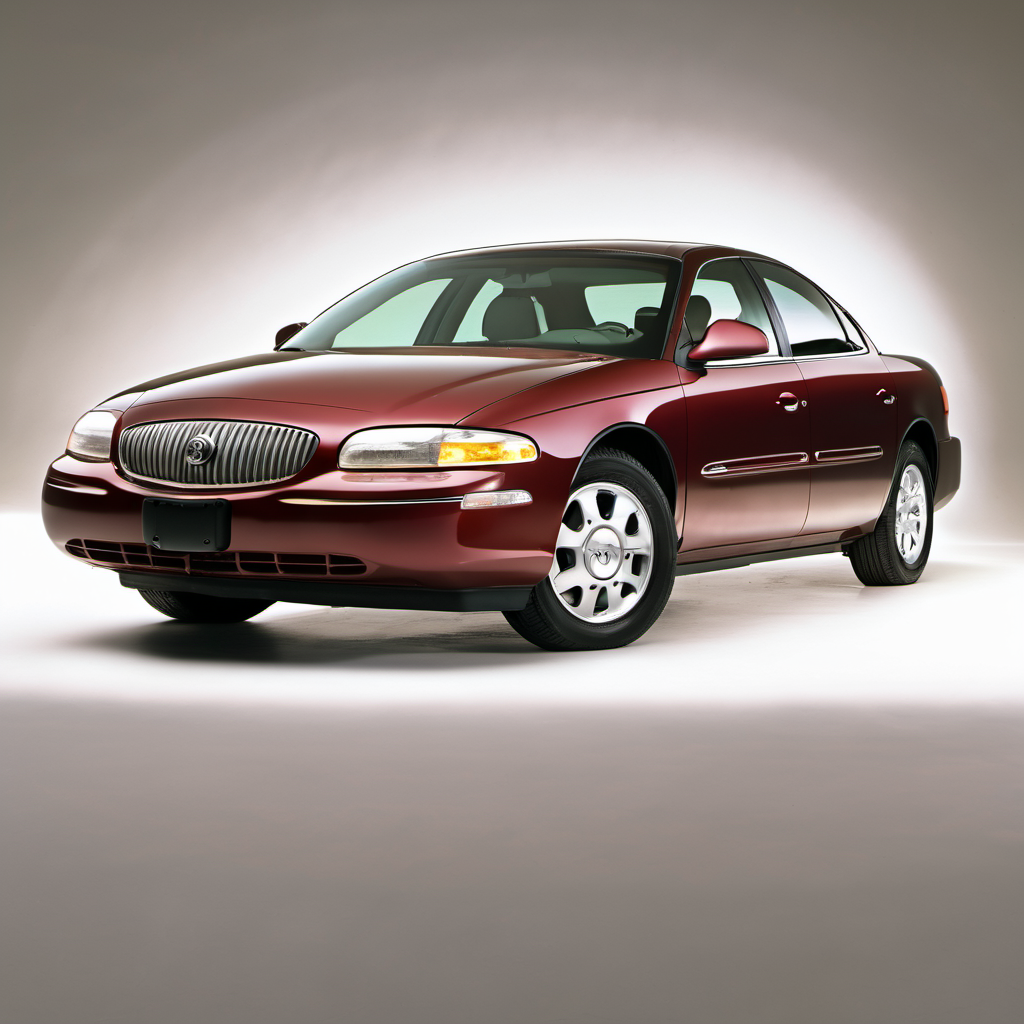
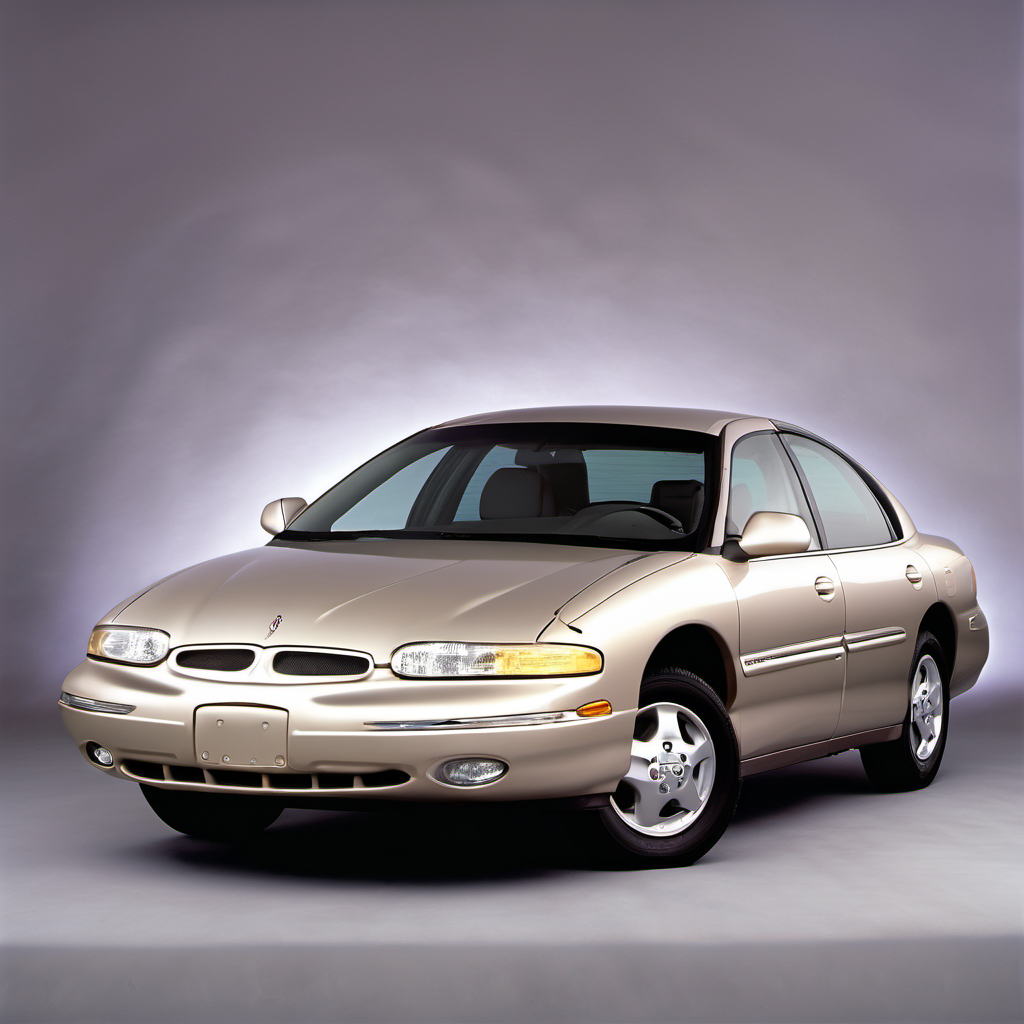
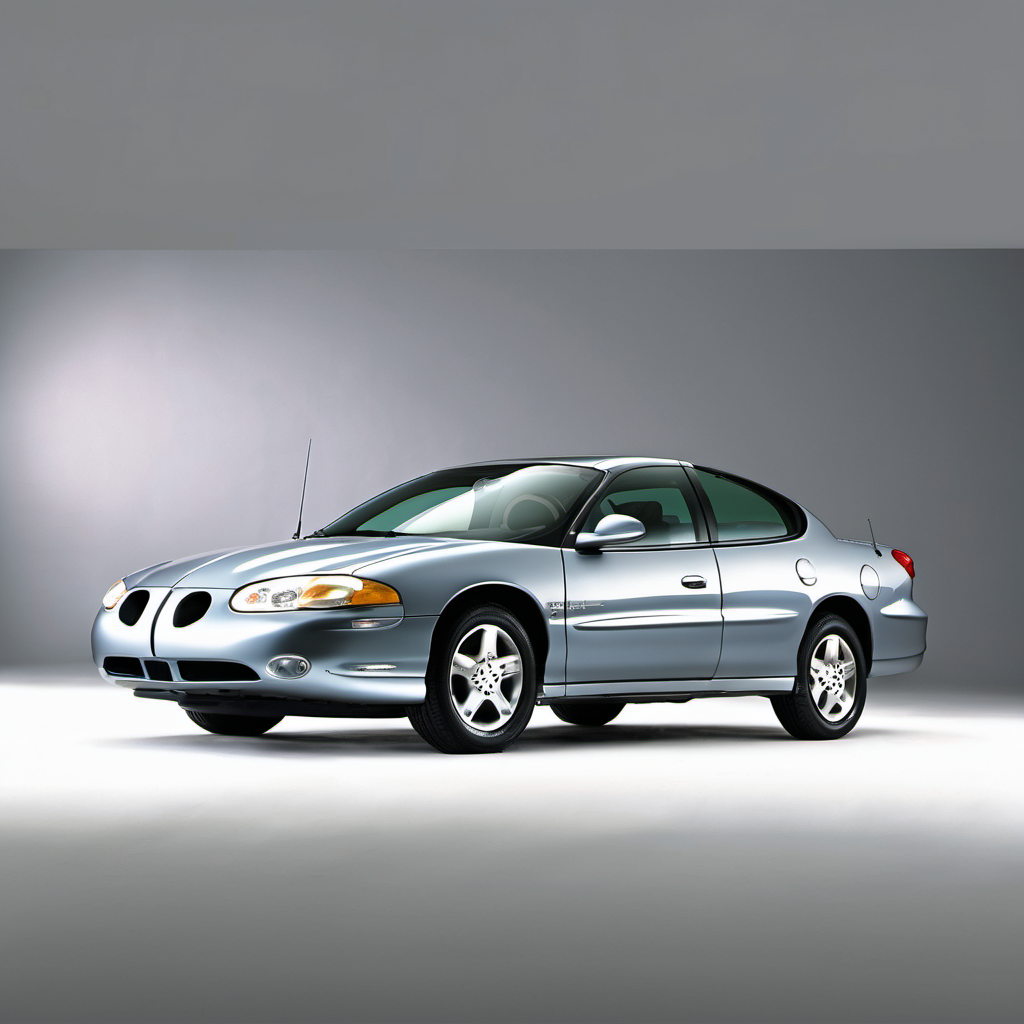
2002 Buick Regal Sedan

2002 Buick

RegalSedan

Sedan

The 2002 Buick Regal GS is the swan-song year for this generation of W-body full-size sedan, and it went out on a high note. Under the hood sits GM's legendary 3800 Series II supercharged V6 — one of the most bulletproof engines the brand ever put in a car. The Regal threads a needle between comfort and performance that few American sedans of its era managed: it rides quietly, hauls four adults in genuine comfort, and still pulls hard thanks to the Eaton M90 supercharger bolted to that iron-block six. By 2002 GM had ironed out most of the early W-body gremlins, so this vintage is generally regarded as a solid used buy if the basics have been maintained. The supercharger adds a layer of maintenance that naturally-aspirated Regal LS owners never dealt with — the blower's coupler and snout bearings are wear items — but the core engine itself is nearly indestructible with regular oil changes. For a Lake Geneva buyer this car makes practical sense: FWD with a heavy iron block up front gives decent traction in snow, and the large interior stays warm quickly thanks to that big displacement. Rust on the lower body panels, subframe, and exhaust is the primary enemy on any Wisconsin-driven Regal of this age, so a thorough undercarriage inspection is non-negotiable before purchase.

Reliability
4/5
Verified data
Specs shown for Regal — the most common configuration. Other trims may vary in engine, drivetrain, or fuel economy. Sign in to see your vehicle's exact specs.
Engine
[object Object]
Drivetrain
FWD
Fuel
Premium gasoline
MPG
16 city / 25 hwy / 19 combined
Seats
Doors
Body
Midsize Cars

Overview

AI-curated

The 2002 Buick Regal GS is the swan-song year for this generation of W-body full-size sedan, and it went out on a high note. Under the hood sits GM's legendary 3800 Series II supercharged V6 — one of the most bulletproof engines the brand ever put in a car. The Regal threads a needle between comfort and performance that few American sedans of its era managed: it rides quietly, hauls four adults in genuine comfort, and still pulls hard thanks to the Eaton M90 supercharger bolted to that iron-block six. By 2002 GM had ironed out most of the early W-body gremlins, so this vintage is generally regarded as a solid used buy if the basics have been maintained. The supercharger adds a layer of maintenance that naturally-aspirated Regal LS owners never dealt with — the blower's coupler and snout bearings are wear items — but the core engine itself is nearly indestructible with regular oil changes. For a Lake Geneva buyer this car makes practical sense: FWD with a heavy iron block up front gives decent traction in snow, and the large interior stays warm quickly thanks to that big displacement. Rust on the lower body panels, subframe, and exhaust is the primary enemy on any Wisconsin-driven Regal of this age, so a thorough undercarriage inspection is non-negotiable before purchase.

Known for
  • GM 3800 Series II supercharged V6 — one of GM's most durable engines
  • Comfortable, quiet highway cruiser with a genuine performance edge
  • Strong parts availability and independent-shop familiarity
  • Smooth 4T65-E automatic transmission in most examples
Best for
  • Budget-conscious buyer wanting a roomy, comfortable daily driver
  • Highway commuters who appreciate effortless passing power
  • DIY-friendly owners — most repairs are straightforward on this platform
  • Buyers wanting a known-reliable engine with a long track record
Watch for
  • Supercharger snout bearing and coupler wear — often ignored by previous owners
  • Lower intake manifold gasket leaks (common on 3800 engines of this era)
  • Significant rust potential on undercarriage, subframe, and rocker panels in Wisconsin
  • Coolant leaks from plastic intake manifold and throttle body coolant crossover
  • Aging rubber bushings and struts on a 20+ year old car

Common issues by mileage

6 known

Lower Intake Manifold Gasket Leak

high
Typically appears
60–120k mi
Estimated repair
$400 – $700

Supercharger Coupler / Snout Bearing Failure

medium
Typically appears
80–150k mi
Estimated repair
$250 – $600

Coolant Crossover / Throttle Body Coolant Leak (Plastic Housing Failure)

high
Typically appears
80–150k mi
Estimated repair
$150 – $350

4T65-E Transmission Wear (Harsh Shifts, Slipping)

medium
Typically appears
120–180k mi
Estimated repair
$1,200 – $2,800

Front Strut and Strut Mount Wear

high
Typically appears
80–130k mi
Estimated repair
$300 – $600

Oxygen Sensor Heater Circuit Failure (B1S1 / B1S2)

medium
Typically appears
100–150k mi
Estimated repair
$120 – $280

Maintenance schedule

  1. 1
    Every 5,000 miles or 6 months Engine oil and filter change — use 5W-30 full synthetic

    The supercharger drives off the engine oil supply; clean oil is critical to blower longevity. Short intervals are cheap insurance on a 20-year-old engine.

  2. 2
    Every 30,000–50,000 miles or if you notice whining Supercharger oil change

    The Eaton M90 has its own sealed gear oil. Neglecting it leads to bearing failure and a costly rebuild or replacement.

  3. 3
    Every 5 years or 60,000 miles Coolant system flush — use Dex-Cool approved coolant at correct mix

    Dex-Cool becomes acidic when diluted or old, attacking the intake manifold gaskets and plastic coolant housings — the top failure mode on this engine.

  4. 4
    Every 30,000 miles (do not skip) Transmission fluid and filter service

    The 4T65-E responds well to regular fluid changes; neglected units wear clutch packs prematurely. Use Dexron VI.

  5. 5
    Every 60,000 miles or at any sign of cracking/glazing Serpentine belt and tensioner inspection/replacement

    The supercharger belt-drive system puts extra load on the serpentine belt. A broken belt leaves you stranded and can damage the supercharger snout.

  6. 6
    Every 60,000 miles Spark plugs replacement — use OEM-spec platinum or iridium plugs

    Worn plugs on a supercharged engine cause misfires and reduce power noticeably. The rear bank plugs require intake manifold loosening — budget extra labor time.

  7. 7
    Every spring (after road salt season) Undercarriage rust inspection — focus on subframe, brake lines, and fuel lines

    Road salt in Wisconsin accelerates rust on brake and fuel lines. Catching a failing line early prevents a dangerous or very expensive roadside failure.

  8. 8
    Every fall, before temperatures drop below 20°F Battery load test

    Cold cranking a supercharged 3.8L puts high demand on the battery. A battery that passes a voltage test in summer can fail a cold-crank test in January.

Always defer to the manufacturer's service manual for warranty-mandated intervals.

Cost of ownership

Annual maintenance
$600 – $1,400
Fuel
At 19 MPG combined and roughly 12,000 miles/year, expect $1,500–$1,900/year at current mid-grade pump prices. The GS technically calls for premium but runs acceptably on regular with a slight power reduction.
Insurance
Typically $900–$1,400/year for full coverage in the Lake Geneva area for a driver with a clean record — the car's low market value keeps collision/comp premiums modest.

The Regal GS is one of the more affordable performance sedans to own. Parts are inexpensive and widely available, and most independent shops know this platform cold. Budget toward the high end if deferred maintenance items (gaskets, supercharger, struts) need catching up — a freshly serviced example is very cheap to keep running year to year.
Seasonal care

Lake Geneva, WI
Winter
  • Load-test the battery every October — cold cranking a supercharged 3.8L is hard on a weak battery and sub-zero starts will expose any hidden weakness fast.
  • Switch to 5W-30 full synthetic if not already running it; it flows better at sub-zero temperatures and protects the supercharger on cold starts.
  • Inspect brake lines and fuel lines for rust perforation before winter — Wisconsin salt will find any weakness. Replace steel lines proactively if there is visible flaking.
  • Use a winter-rated washer fluid rated to at least -20°F; the Regal's hood line means the windshield gets road spray constantly on wet winter roads.
  • Check all weather stripping around doors — aged rubber seals crack and freeze, letting moisture into the cabin and onto the carpet where it breeds rust from the inside.
  • Keep the gas tank above half in extreme cold to reduce fuel line condensation and give the fuel pump (submerged in the tank) a thermal buffer.
Summer
  • Inspect the cooling system carefully before summer — a car this age is one weak hose or coolant crossover failure away from overheating, and the supercharger makes heat management more critical.
  • Check tire pressure monthly; ambient temperature swings between Wisconsin spring and summer can drop PSI by 3–4 lbs, affecting handling and wear.
  • Have the A/C system checked for refrigerant level and compressor clutch condition — a 20-year-old system may have slow leaks that go unnoticed until the first heat wave.
  • Inspect the serpentine belt for heat cracking; summer heat accelerates rubber degradation and the supercharger belt load is higher than a naturally aspirated setup.
  • Flush and inspect the coolant if it hasn't been done recently — Dex-Cool that has gone acidic will eat gaskets faster in sustained high-temp driving.

Comparable vehicles

If you're shopping for one

Red flags
  • Any evidence of overheating history (warped thermostat housing, white stains on engine, coolant in oil) — walk away, as the 3800 block survives but head gaskets do not.
  • Whining or growling from the supercharger — rebuilds or replacements cost $400–$800+ and indicate the car has been neglected.
  • Rust through the floor pan, rocker panels, or subframe — structural rust on a 20-year-old Wisconsin car is a deal-breaker at any price.
  • No maintenance records and high mileage — the supercharger and transmission both need documented fluid services to be trustworthy.
  • Transmission that slips, flares between gears, or has a burnt-fluid smell — 4T65-E rebuilds are a significant expense on a car with a modest market value.
What to inspect
  • Entire undercarriage for rust — subframe, brake lines, fuel lines, rocker panels, and floor pan are all salt-exposure hot spots on a Wisconsin-region car this age.
  • Coolant condition and level: milky oil or white residue around the intake manifold means a gasket leak is already happening or has happened.
  • Supercharger for whining or grinding noise on startup and at cruise — a noisy blower means the snout bearings or coupler are worn.
  • Transmission shift quality: it should shift smoothly and firmly at all throttle levels. Harsh, delayed, or slipping shifts on a neglected 4T65-E are expensive to fix.
  • All four struts for leaking fluid and the front control arm bushings for cracking — these cars ride nicely when the suspension is intact and terribly when it isn't.
  • Coolant crossover housing and throttle body coolant lines for seeping or brittle plastic — replacement is cheap if caught early, messy if ignored until failure.
AI profile generated 11 days ago · claude-sonnet-4-6 · v2.