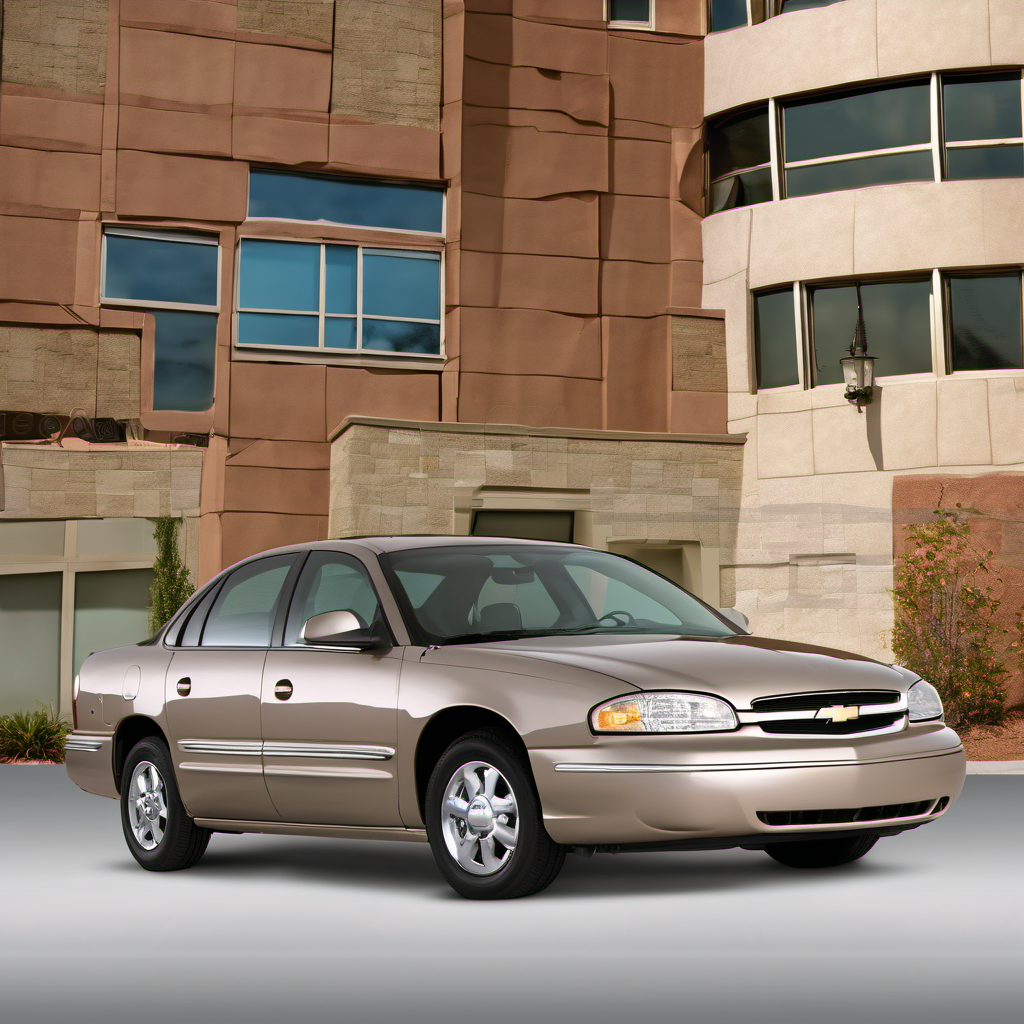
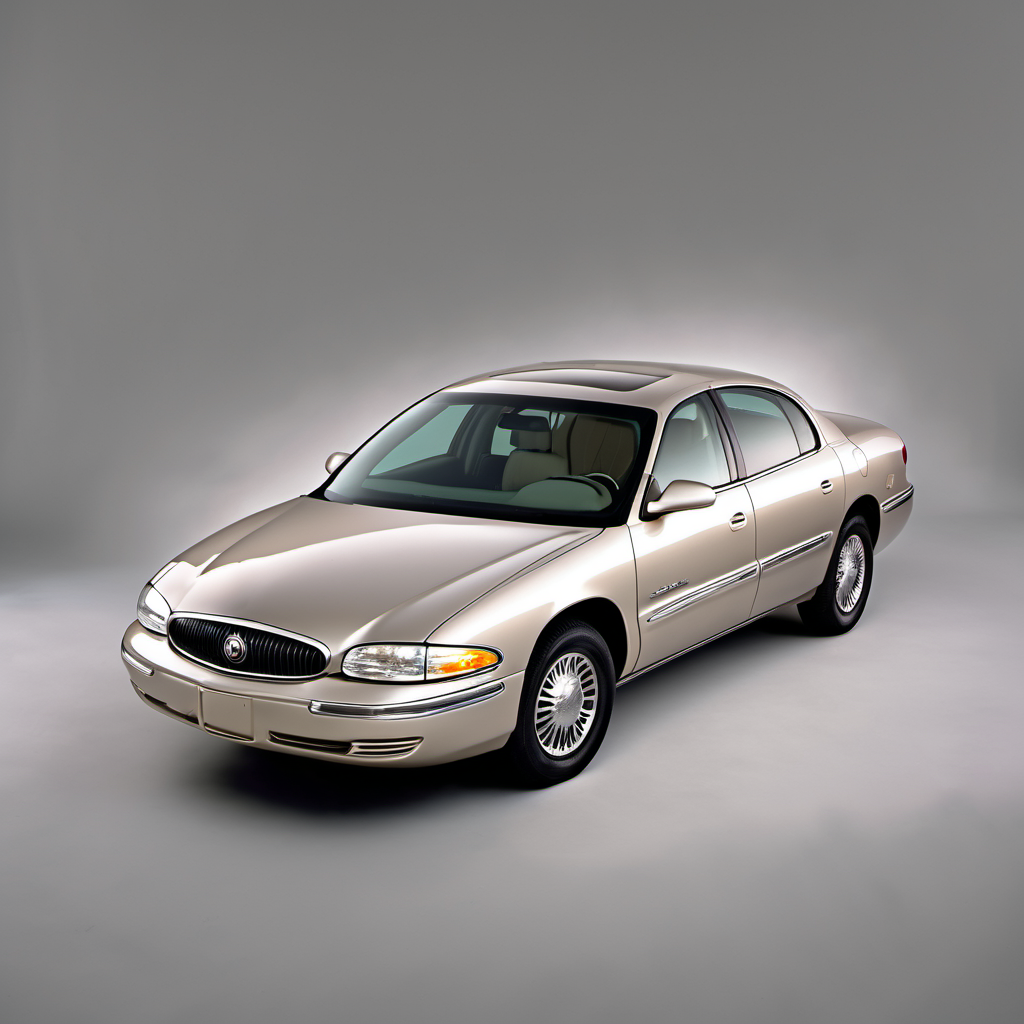
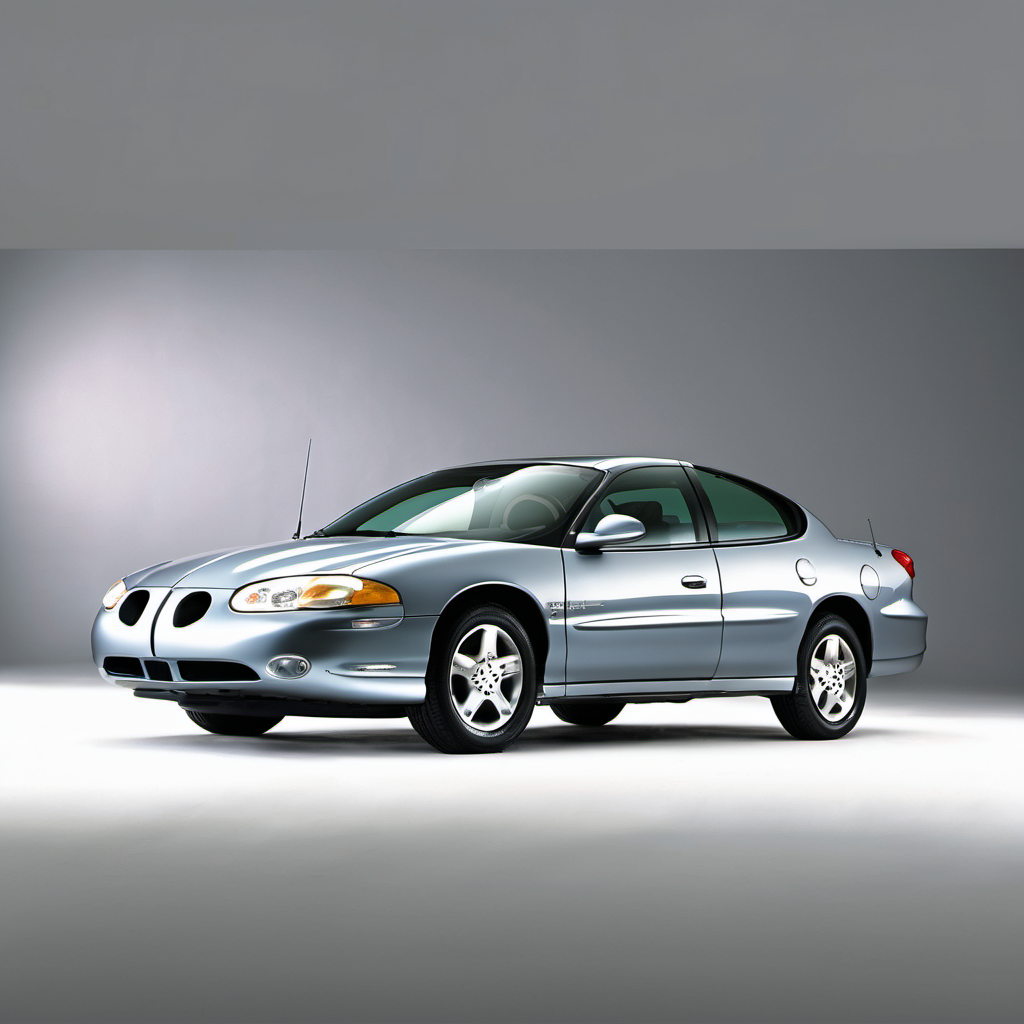
2002 Chevrolet Impala Sedan

2002 Chevrolet

ImpalaSedan

Sedan

The 2002 Chevrolet Impala is a full-size front-wheel-drive sedan built on GM's W-body platform, shared with the Buick Century, Regal, and Pontiac Grand Prix. Revived in 2000 after a long hiatus, this generation Impala was aimed squarely at buyers who wanted a spacious, comfortable American sedan at an approachable price. It came standard with a 3.4L V6, but the 3.8L V6 — as indicated by this vehicle's specs — was the higher-output option and the engine of choice for the Police package, known for its durability under hard use. The 3.8L Series II engine (L36) is widely regarded as one of GM's most dependable powerplants of the era, with a strong track record of reaching 200,000 miles when maintained properly. The 4T65-E automatic transmission behind it is adequate but does require attention, particularly on higher-mileage examples. The Impala's size and trunk space made it a family and fleet favorite, and Police-spec cars received heavy-duty cooling, suspension, and electrical systems. At over 20 years old now, survivorship matters more than reputation. Most of the mechanical foundation is solid, but rust, deferred maintenance, and worn suspension components are the real enemies at this age — especially here in Wisconsin where road salt is a way of life.

Reliability
3/5
Verified data
Specs shown for Impala — the most common configuration. Other trims may vary in engine, drivetrain, or fuel economy. Sign in to see your vehicle's exact specs.
Engine
[object Object]
Drivetrain
FWD
Fuel
Gasoline
MPG
16 city / 26 hwy / 20 combined
Seats
Doors
Body
Large Cars

Overview

AI-curated

The 2002 Chevrolet Impala is a full-size front-wheel-drive sedan built on GM's W-body platform, shared with the Buick Century, Regal, and Pontiac Grand Prix. Revived in 2000 after a long hiatus, this generation Impala was aimed squarely at buyers who wanted a spacious, comfortable American sedan at an approachable price. It came standard with a 3.4L V6, but the 3.8L V6 — as indicated by this vehicle's specs — was the higher-output option and the engine of choice for the Police package, known for its durability under hard use. The 3.8L Series II engine (L36) is widely regarded as one of GM's most dependable powerplants of the era, with a strong track record of reaching 200,000 miles when maintained properly. The 4T65-E automatic transmission behind it is adequate but does require attention, particularly on higher-mileage examples. The Impala's size and trunk space made it a family and fleet favorite, and Police-spec cars received heavy-duty cooling, suspension, and electrical systems. At over 20 years old now, survivorship matters more than reputation. Most of the mechanical foundation is solid, but rust, deferred maintenance, and worn suspension components are the real enemies at this age — especially here in Wisconsin where road salt is a way of life.

Known for
  • Bulletproof 3.8L V6 engine with long-term durability
  • Roomy interior and large trunk — one of the biggest in its class
  • Simple, well-understood mechanicals that are cheap to repair
  • Popular fleet/police use means parts availability is excellent
Best for
  • Budget-conscious buyers who need reliable daily transportation
  • High-mileage highway commuters
  • Buyers comfortable doing basic DIY maintenance
  • Those who prioritize interior space over fuel economy
Watch for
  • Intake manifold gasket failure on the 3.8L — a well-known and common issue
  • 4T65-E transmission wear on high-mileage examples
  • Severe underbody rust from Wisconsin road salt exposure
  • Unknown service history — especially on former fleet or police vehicles
  • Cracked or leaking coolant reservoir and aged rubber cooling hoses

Common issues by mileage

6 known

Intake Manifold Gasket Failure (Lower Gasket Coolant/Oil Leak)

high
Typically appears
60–120k mi
Estimated repair
$350 – $650

4T65-E Transmission Slipping or Harsh Shifts

medium
Typically appears
100–160k mi
Estimated repair
$800 – $2,800

Oxygen Sensor Heater Circuit Failure

medium
Typically appears
80–130k mi
Estimated repair
$150 – $350

Coolant Reservoir Cracking / Cooling System Leaks

high
Typically appears
60–100k mi
Estimated repair
$80 – $250

Struts, Control Arm Bushings, and Front-End Wear

high
Typically appears
80–130k mi
Estimated repair
$400 – $900

Underbody / Frame Rail Rust (Brake Lines, Fuel Lines, Subframe)

high
Typically appears
Any mileage on salt-belt vehicles
Estimated repair
$300 – $2,500

Maintenance schedule

  1. 1
    Every 5,000 miles or 6 months Engine oil and filter change

    The 3.8L thrives on consistent oil changes. At this age, use full-synthetic 5W-30 to protect seals and reduce cold-start wear in Wisconsin winters.

  2. 2
    Every 2 years / 30,000 miles Coolant flush and hose inspection

    Degraded coolant accelerates intake manifold gasket failure — the most expensive common repair on this engine. Inspect all hoses and the plastic reservoir for cracks.

  3. 3
    Every 30,000 miles on a used vehicle with unknown history Transmission fluid service (4T65-E)

    Dark, burnt-smelling fluid is a warning sign. Fresh Dexron VI fluid extends transmission life significantly on this unit.

  4. 4
    Every 60,000 miles (platinum plugs) or 30,000 miles (copper plugs) Spark plug replacement

    Worn plugs stress the ignition coil pack and can cause misfires. Rear bank plugs are harder to access on this transverse V6 — don't delay.

  5. 5
    Every 60,000 miles or at signs of cracking/glazing Serpentine belt and tensioner inspection

    A snapped belt at highway speed in a Wisconsin winter is a dangerous, avoidable breakdown. Tensioner pulleys on this vintage Impala can seize.

  6. 6
    Annually Brake line inspection (full undercar)

    Salt-belt rust attacks the steel brake lines first. A pinhole leak can cause sudden brake failure. This is a safety-critical check every fall before winter.

  7. 7
    Every fall (October recommended in Lake Geneva area) Battery load test

    A battery that's borderline in September will fail at -10°F in January. The 3.8L starts easily in cold weather, but only if the battery can deliver.

  8. 8
    Every 30,000 miles or at any humming/grinding noise Wheel bearing inspection

    FWD wheel bearings take a beating from Wisconsin potholes and salt exposure. Worn bearings affect handling and ABS function.

Always defer to the manufacturer's service manual for warranty-mandated intervals.

Cost of ownership

Annual maintenance
$600 – $1,400
Fuel
At 20 MPG combined and ~12,000 miles/year, expect roughly $1,500–$1,800/year at current Midwest gas prices. Highway-heavy driving will push toward the better end of the EPA estimate.
Insurance
Typically low — older full-size sedans with high safety ratings and low market values attract minimal premiums. Expect $600–$1,000/year for full coverage depending on driver history.

One of the cheapest vehicles to keep running in its class. Parts are abundant, labor is straightforward, and the 3.8L engine rarely generates surprise repair bills when maintained. The main financial wildcard is rust — underbody brake line or fuel line replacement can push annual costs well above average on a neglected Wisconsin car. Budget for one significant repair every 2–3 years.

Seasonal care

Lake Geneva, WI
Winter
  • Test battery every fall — cold cranking amps drop sharply below 0°F and a marginal battery will strand you.
  • Switch to full-synthetic 5W-30 if you haven't already; it flows better during cold starts and reduces engine wear during warm-up.
  • Flush and refill washer fluid reservoir with a -20°F or colder rated fluid. The stock reservoir location is prone to freezing if diluted fluid is used.
  • Inspect and replace wiper blades before the first snowfall. Consider winter-specific beam blades.
  • Check coolant freeze protection — the 3.8L runs hot under load, but freezing coolant can crack the block or head.
  • Inspect all rubber brake lines and steel brake lines underneath for rust pitting before winter; salt will accelerate any existing damage through the season.
Summer
  • Watch coolant temperature closely in stop-and-go traffic — the plastic coolant reservoir can crack under sustained heat, causing a sudden loss of coolant.
  • Check A/C refrigerant charge and cabin air filter. A 20+ year old system may have slow refrigerant leaks.
  • Inspect tire pressure monthly — temperatures in the 80s and 90s can raise pressure 4–6 PSI above cold readings, leading to uneven wear.
  • Clean salt residue from the undercarriage before summer; trapped road salt under body panels continues corroding even when roads are dry.

Comparable vehicles

If you're shopping for one

Red flags
  • Any visible rust holes in the floor, rocker panels, or rear wheel wells — structural rust at this age can be a total loss situation.
  • Milky or caramel-colored oil on the dipstick — likely intake manifold gasket failure or worse.
  • Transmission that slips, surges, or clunks between gears — rebuilds start at $1,500 at an independent shop.
  • A former police vehicle with no maintenance records — high-stress duty cycles without documented service is a significant unknown.
  • Coolant reservoir that's empty, cracked, or showing brown sludge — indicates ongoing cooling system neglect.
What to inspect
  • Crawl under the car and inspect steel brake lines, fuel lines, and the front subframe for rust perforation — this is the make-or-break check on any upper Midwest Impala.
  • Check the coolant for oil contamination (milky or foamy) and look for coolant in the oil — signs of intake manifold gasket failure already in progress.
  • Have the 4T65-E transmission checked for smooth shifts through all gears; listen for clunking on gear engagement.
  • If listed as a former police or fleet vehicle, expect high-speed/high-load duty cycles; inspect brakes, suspension, and tires for accelerated wear.
  • Pull codes before buying. The 3.8L is forgiving, but an O2 sensor or cooling system code may indicate deferred maintenance.
AI profile generated 13 days ago · claude-sonnet-4-6 · v2.