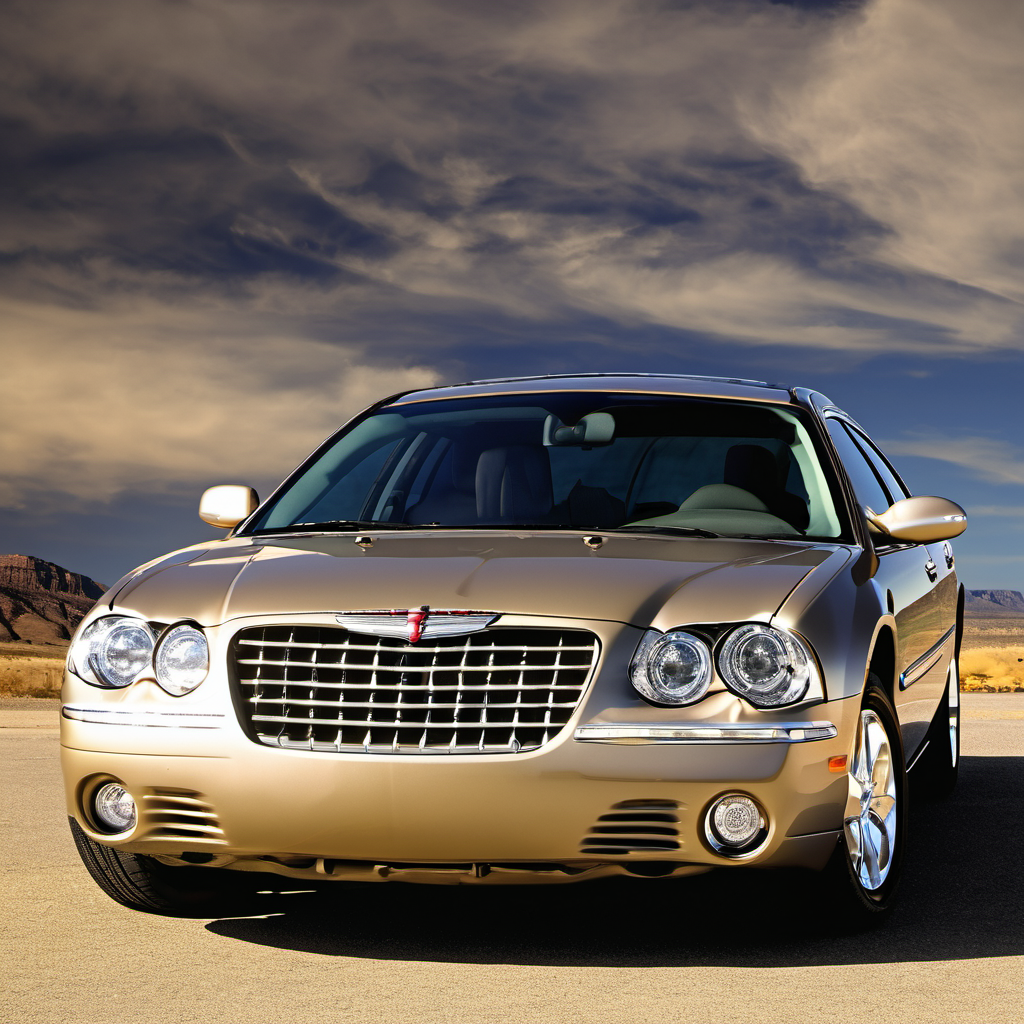
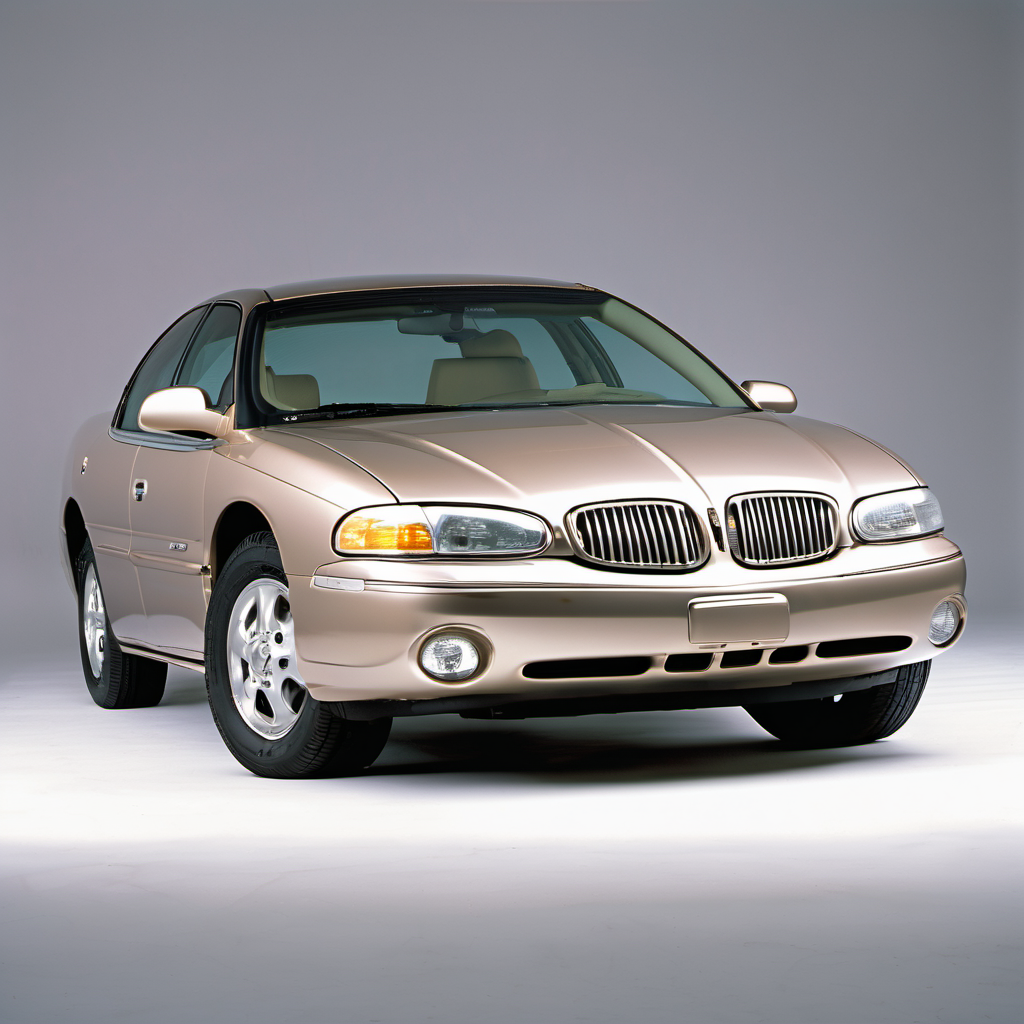
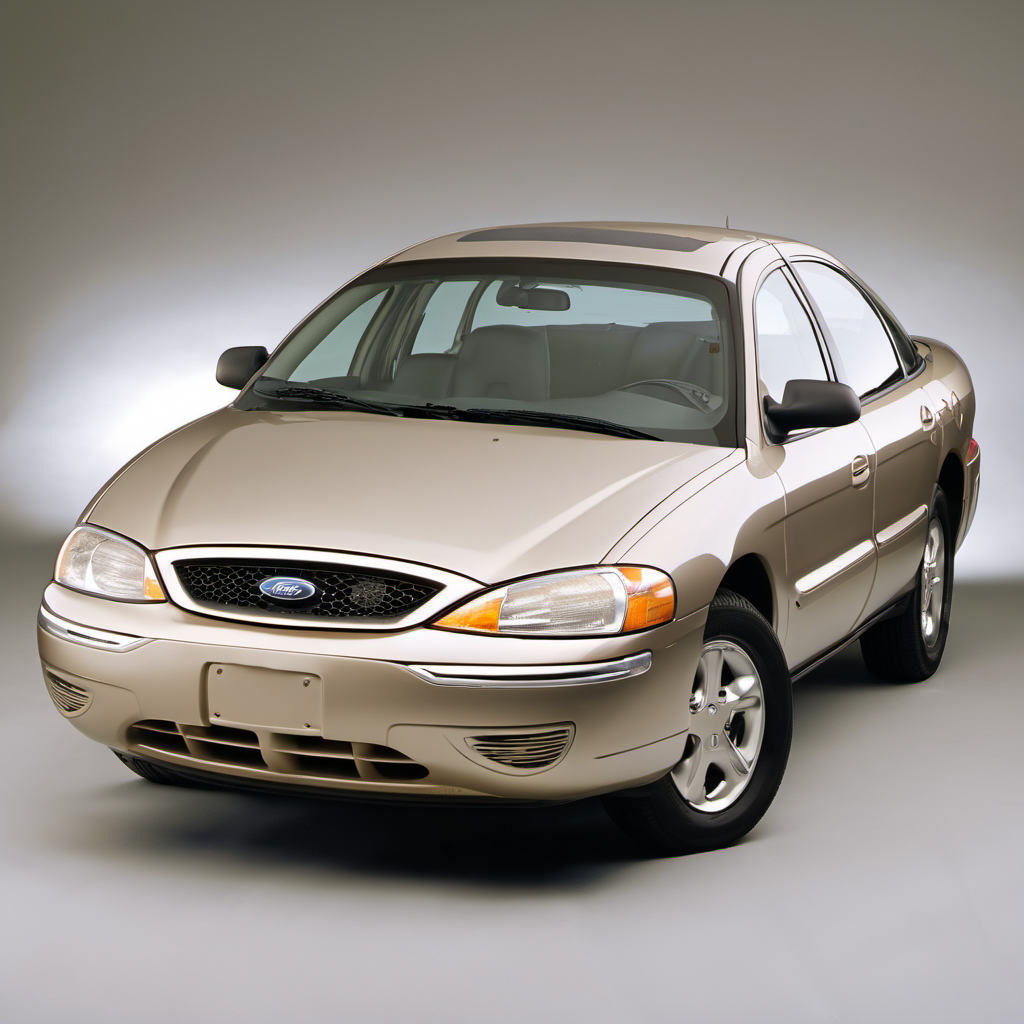
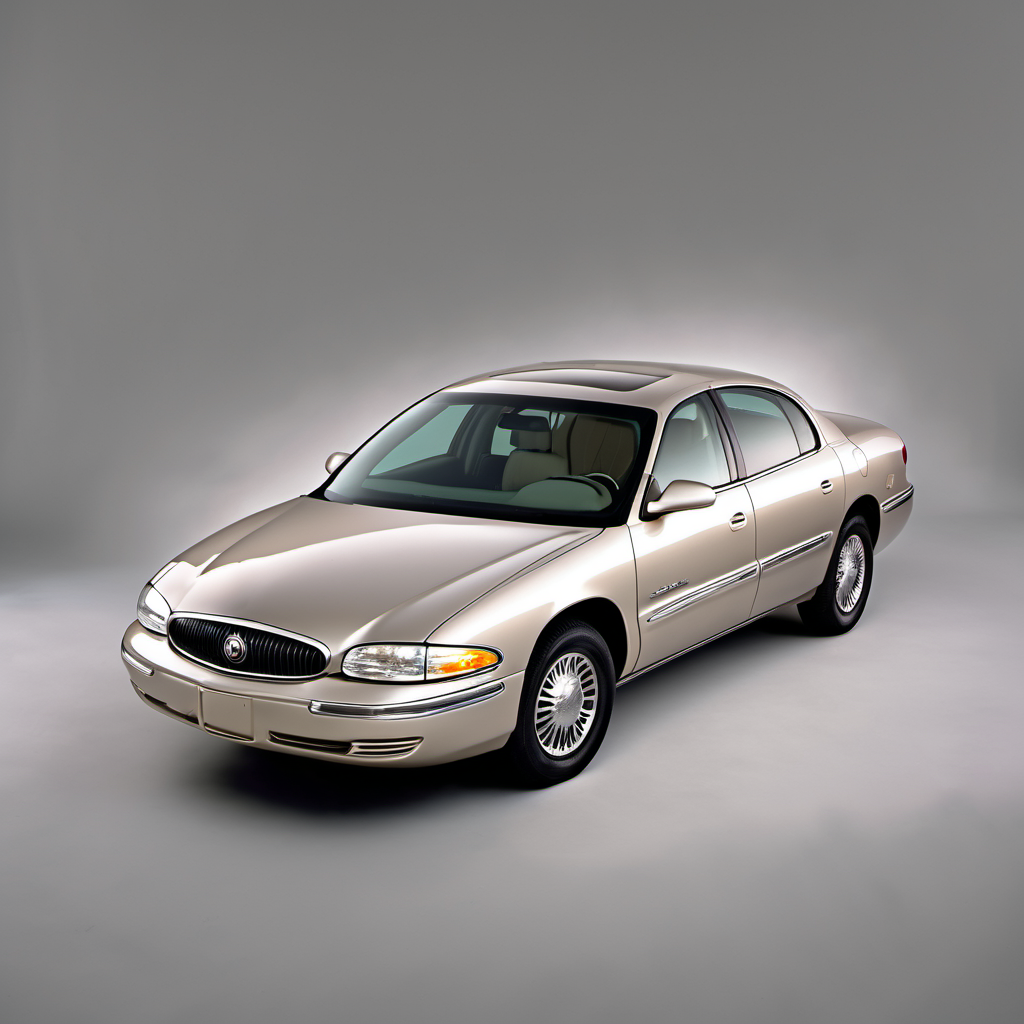
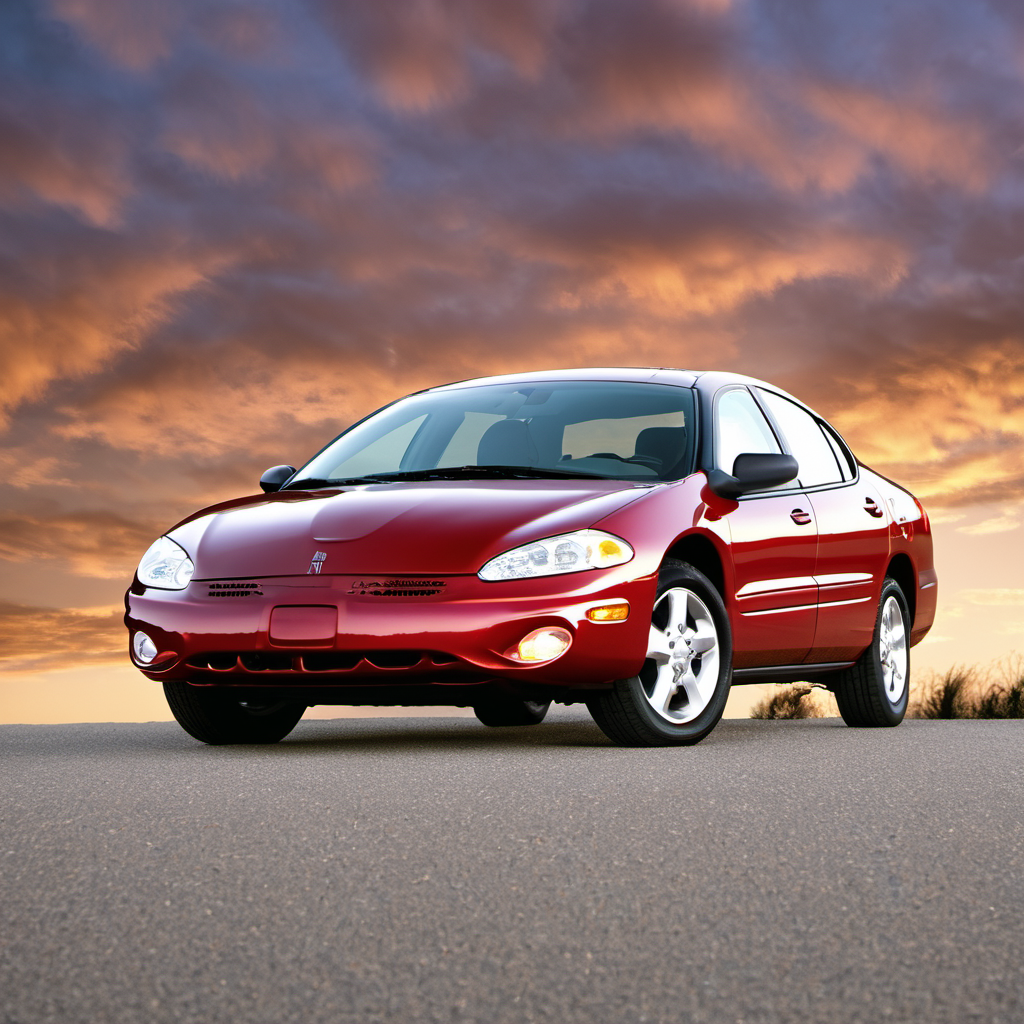
2002 Chrysler 300M Sedan

2002 Chrysler

300MSedan

3.5L V6 · Sedan

The 2002 Chrysler 300M is a front-wheel-drive full-size sedan built on Chrysler's LH platform — the same bones shared with the Dodge Intrepid and Chrysler Concorde. It was the sporty, upscale member of the family, pitched as a near-luxury cruiser with a standard 3.5L V6 producing 255 hp, sport-tuned suspension, and a distinctly bold exterior. By 2002 it was in its final model year before the LH platform gave way to the iconic 300C, so these cars are now well into high-mileage territory. The 300M carved out a niche as an affordable American alternative to the entry European sedans of its era — roomy, reasonably quick, and well-appointed inside. The Autostick transmission let drivers do manual-style shifts without a clutch. Ride quality was comfortable but not floaty, handling was more confident than most domestic sedans of the time. As a 20+ year old vehicle, condition is everything. The LH platform has known weak points — particularly around suspension, cooling, and transmission — and deferred maintenance is common on cars this age and price. Budget for catch-up work and inspect carefully before buying.

Reliability
2/5
Verified data
Engine
3.5L V6
Drivetrain
FWD
Fuel
Gasoline
MPG
17 city / 25 hwy / 20 combined
Seats
5
Doors
4
Body
Sedan
MSRP
$29,985

Overview

AI-curated

The 2002 Chrysler 300M is a front-wheel-drive full-size sedan built on Chrysler's LH platform — the same bones shared with the Dodge Intrepid and Chrysler Concorde. It was the sporty, upscale member of the family, pitched as a near-luxury cruiser with a standard 3.5L V6 producing 255 hp, sport-tuned suspension, and a distinctly bold exterior. By 2002 it was in its final model year before the LH platform gave way to the iconic 300C, so these cars are now well into high-mileage territory. The 300M carved out a niche as an affordable American alternative to the entry European sedans of its era — roomy, reasonably quick, and well-appointed inside. The Autostick transmission let drivers do manual-style shifts without a clutch. Ride quality was comfortable but not floaty, handling was more confident than most domestic sedans of the time. As a 20+ year old vehicle, condition is everything. The LH platform has known weak points — particularly around suspension, cooling, and transmission — and deferred maintenance is common on cars this age and price. Budget for catch-up work and inspect carefully before buying.

Known for
  • Powerful 3.5L SOHC V6 with 255 hp — strong for its era
  • Sporty LH-platform handling and a well-bolstered interior
  • Autostick semi-manual transmission control
  • Bold, distinctive styling that still turns heads
Best for
  • Budget-conscious buyers wanting a near-luxury highway cruiser
  • Drivers who prioritize interior room and engine power over fuel economy
  • Someone comfortable doing their own maintenance or using an independent shop
Watch for
  • Transmission reliability — 4-speed auto is a known weak spot
  • Cooling system neglect leading to head gasket and water pump failures
  • Rust on subframes and suspension components from road salt exposure
  • Electrical gremlins common on aging LH-platform cars
  • Parts availability getting tighter as the platform ages out

Common issues by mileage

6 known

Automatic Transmission Failure

high
Typically appears
80–130k mi
Estimated repair
$1,800 – $3,500

Cooling System Failure (water pump, thermostat, radiator)

high
Typically appears
70–120k mi
Estimated repair
$400 – $1,100

Power Steering Rack Leak or Failure

medium
Typically appears
90–140k mi
Estimated repair
$600 – $1,400

Oxygen Sensor Heater Circuit Failure

medium
Typically appears
80–150k mi
Estimated repair
$150 – $400

Front Strut and Control Arm Bushing Wear

high
Typically appears
80–130k mi
Estimated repair
$500 – $1,200

Electrical/Network Communication Faults (Body/PCM modules)

medium
Typically appears
100k+ mi
Estimated repair
$200 – $900

Maintenance schedule

  1. 1
    Every 30,000 miles — do not rely on 'lifetime fluid' claims on a car this old Transmission fluid change

    The 4-speed automatic in the LH cars is the biggest reliability liability. Fresh ATF is the single best thing you can do to extend its life. Use only the fluid type specified on the dipstick or owner's manual.

  2. 2
    Every 50,000 miles or 5 years, whichever comes first Full cooling system service (flush, thermostat, inspect hoses and pressure cap)

    The 3.5L V6 runs warm and is sensitive to coolant condition. Old coolant loses its pH buffer and corrodes the aluminum block and head surfaces. A $200 cooling service prevents a $1,500 head gasket job.

  3. 3
    Every 60,000 miles or at first sign of cracking Serpentine belt and tensioner replacement

    Belt-driven accessories include the water pump on this engine. Belt failure means immediate overheating. Tensioners on these cars wear and can cause belt slip before outright failure.

  4. 4
    Every 30,000 miles Spark plugs and ignition wires

    The 3.5L uses a distributorless ignition. Worn plugs or cracked wires cause misfires that can set codes and stress the catalytic converters. Access to rear-bank plugs is tight — budget extra labor time.

  5. 5
    Every 2 years or 30,000 miles Inspect and lubricate front suspension bushings and ball joints

    LH-platform front suspension takes a beating on Midwest roads. Worn bushings cause loose, wandering steering. Wisconsin winters accelerate rubber bushing deterioration.

  6. 6
    Every 2–3 years Brake fluid flush

    Brake fluid absorbs moisture over time, lowering boiling point and promoting internal caliper and ABS modulator corrosion — a real concern in a high-salt environment like Lake Geneva.

  7. 7
    Every spring after winter season Undercarriage wash and inspection for rust

    Road salt accelerates rust on LH-platform subframe cradles and suspension brackets. Catching surface rust early with treatment is far cheaper than subframe replacement or failed inspections.

  8. 8
    Every fall before winter season Battery load test

    The 300M has substantial electrical loads from its near-luxury features. A weak battery that starts the car in summer can leave you stranded at -10°F. Load-test every October.

Always defer to the manufacturer's service manual for warranty-mandated intervals.

Cost of ownership

Annual maintenance
$900 – $2,200
Fuel
At ~20 MPG combined and Wisconsin average gas prices, expect roughly $1,800–$2,400/year for a typical 12,000-mile driver. Premium fuel is not required but the 3.5L does prefer 89 octane for best performance.
Insurance
Generally low — older, depreciated vehicle with modest book value. Expect $700–$1,100/year for full coverage depending on driver profile, though some insurers add surcharges for older vehicles with higher repair costs.

The 300M is cheap to buy but not cheap to own. At this age, budget for at least one major repair per year. If the transmission hasn't been serviced recently, treat that cost as near-certain. A well-maintained example with fresh fluids and solid suspension can be a reasonable highway commuter, but deferred-maintenance cars will eat budget fast. Set aside $100–$150/month as a repair reserve.
Seasonal care

Lake Geneva, WI
Winter
  • Load-test the battery every October — cold cranking amps drop sharply at sub-zero temps and the 3.5L V6 needs a strong battery to fire reliably.
  • Switch to a full-synthetic 5W-30 oil if not already used — it flows faster on cold starts and reduces camshaft wear during the critical first seconds in -10°F to -20°F starts.
  • Fill washer fluid reservoir with a -20°F or lower rated fluid; the stock reservoir cap can crack from repeated freeze-thaw cycles, so inspect it each fall.
  • Inspect wiper blades and consider winter blades — the 300M's curved windshield catches ice and snow unevenly, and summer blades can chatter or streak.
  • Flush and fill coolant to the correct 50/50 mix; check freeze protection to at least -34°F given Lake Geneva winter lows.
  • Wash the undercarriage every 2–3 weeks during salting season, paying attention to the front subframe cradle and suspension brackets which trap salt and rust quickly on LH-platform cars.
Summer
  • Check tire pressure monthly — pressures drop roughly 1 PSI for every 10°F of temperature change; summer heat inflates tires and can mask slow leaks.
  • Inspect the A/C system performance early in the season — the condenser sits in front of the radiator and a partially blocked condenser raises coolant temps on hot days, compounding any latent cooling system weakness.
  • Check coolant level and condition before any long highway trips — the 3.5L runs harder in sustained highway heat and cooling system margin shrinks with age.
  • Inspect rubber door and trunk seals for cracking; dried seals let water into the cabin and the 300M's trunk seal in particular is prone to age-related failure.

Comparable vehicles

If you're shopping for one

Red flags
  • Any signs of transmission slipping, hesitation out of park, or fluid that is dark/burned-smelling
  • Coolant that is brown or has visible sediment — indicates a neglected system heading toward expensive failure
  • Rust holes or heavy scaling on the front subframe or rear suspension trailing arms
  • Multiple U-codes (network communication faults) stored — can indicate failing modules that are expensive and increasingly hard to source
  • Evidence of overheating in service history (replaced radiator, hoses, thermostat within the last 30k miles without explanation)
  • No service records at all — at this age and price point, undocumented history almost always means deferred maintenance
What to inspect
  • Transmission behavior: test all gear ranges including reverse; feel for slipping, harsh shifts, or delayed engagement — any of these signals impending failure
  • Cooling system: check coolant color (should be orange/green, not brown or rusty), look for milky residue on oil cap (head gasket), and feel for heater hose softness
  • Undercarriage: look at the front subframe cradle for rust perforation — surface rust is common, but holes or flaking in structural areas is a deal-breaker in Wisconsin
  • Front suspension: push down on each corner and listen for clunks; grab each front tire at 9 and 3 o'clock and wiggle for play indicating worn tie rods
  • Check engine light and stored codes: have the car scanned before purchase — a cleared light with no codes is not the same as a car with no problems
  • Brake rotors and calipers: look through the wheels for rust-seized caliper slides and deeply grooved rotors, common on cars that sit through Wisconsin winters
AI profile generated 11 days ago · claude-sonnet-4-6 · v2.