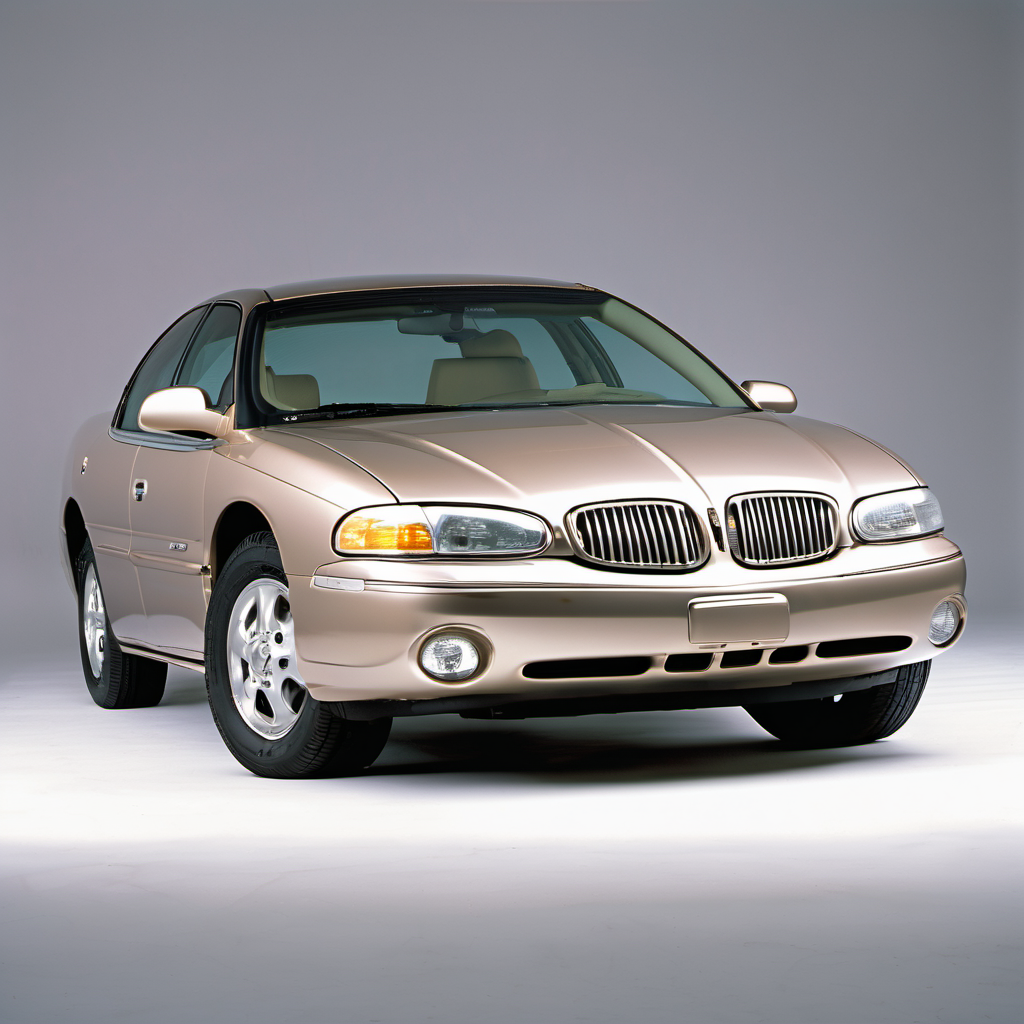
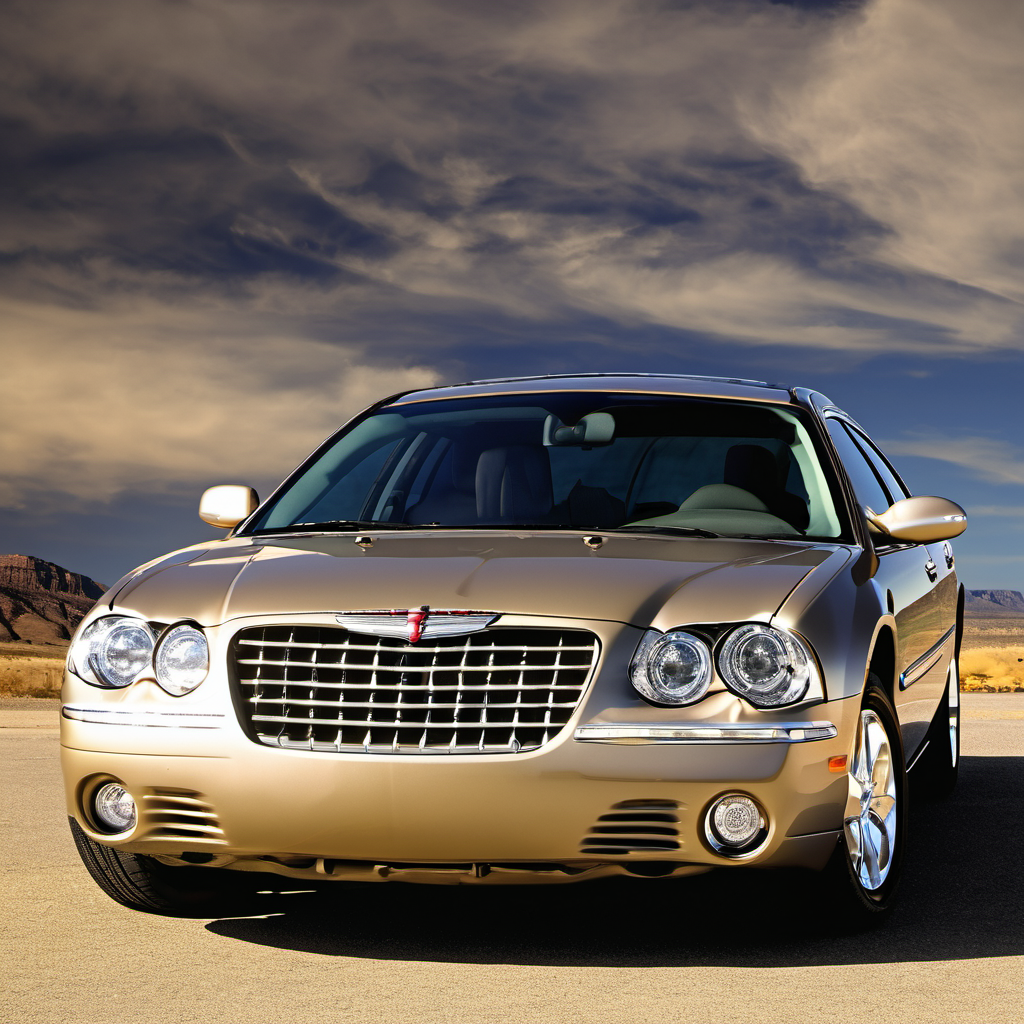
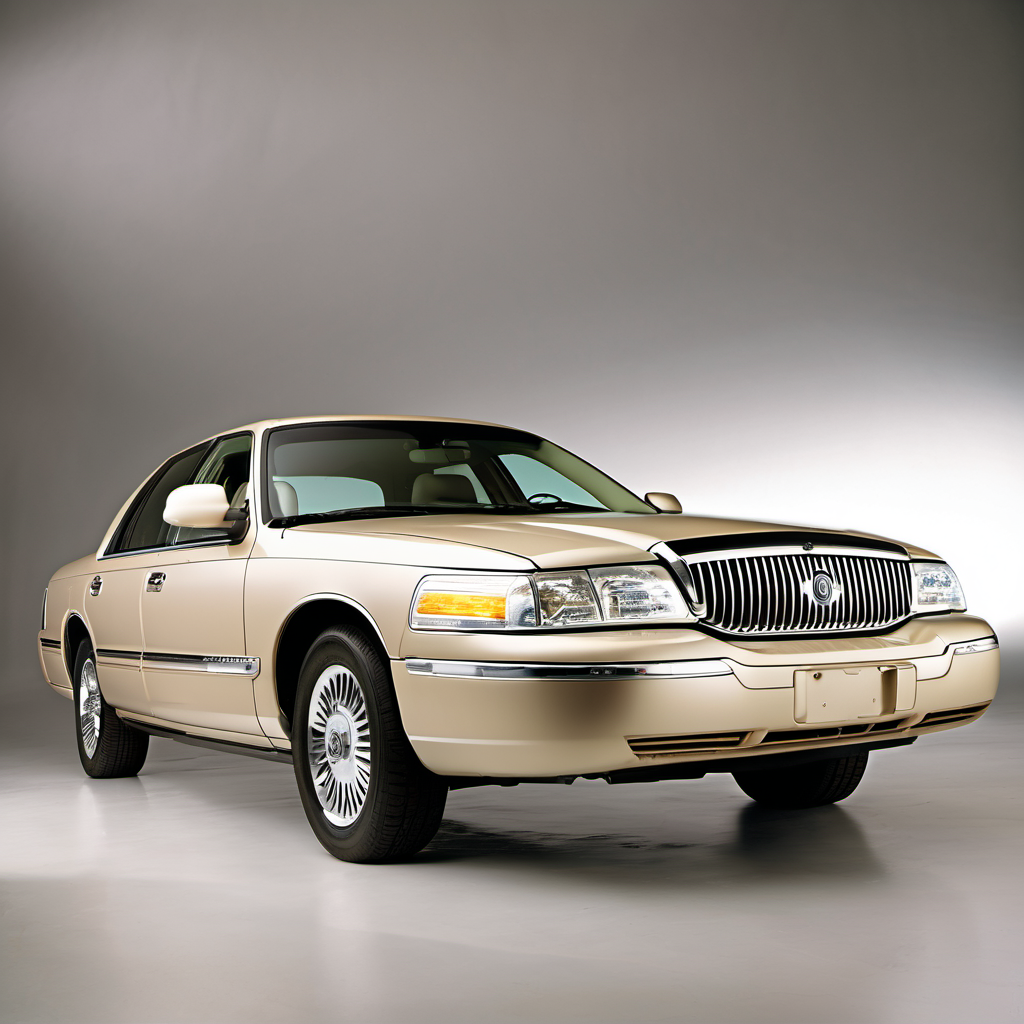
2002 Pontiac Bonneville Sedan

2002 Pontiac

BonnevilleSedan

Sedan

The 2002 Pontiac Bonneville is a full-size front-wheel-drive sedan built on GM's G-body platform, sharing its bones with the Buick LeSabre and Oldsmobile Aurora. In base SE trim it carried the naturally aspirated 3800 Series II V6; the SLE and SSEi trims stepped up to the supercharged version of that same engine, which is what this vehicle's data indicates. The Bonneville was GM's performance-flavored entry in the large sedan segment — comfortable enough for long highway miles, with enough punch (especially in supercharged form) to separate it from its Buick cousin. The 3800 supercharged engine is genuinely strong and has a solid track record, but the supercharger adds complexity and its own maintenance demands. The platform as a whole is known for being overbuilt relative to most competitors of the era, which is why well-maintained examples still turn up with high mileage. At over 20 years old, though, deferred maintenance and rust are the primary concerns for any buyer. As a Lake Geneva daily driver, the Bonneville's FWD and substantial curb weight give it reasonable winter traction, but the low ground clearance means deep snow is a challenge. Road-salt exposure is a known killer of these platforms, so undercarriage condition is critical on any used example.

Reliability
3/5
Verified data
Specs shown for Bonneville — the most common configuration. Other trims may vary in engine, drivetrain, or fuel economy. Sign in to see your vehicle's exact specs.
Engine
[object Object]
Drivetrain
FWD
Fuel
Premium gasoline
MPG
16 city / 25 hwy / 19 combined
Seats
Doors
Body
Large Cars

Overview

AI-curated

The 2002 Pontiac Bonneville is a full-size front-wheel-drive sedan built on GM's G-body platform, sharing its bones with the Buick LeSabre and Oldsmobile Aurora. In base SE trim it carried the naturally aspirated 3800 Series II V6; the SLE and SSEi trims stepped up to the supercharged version of that same engine, which is what this vehicle's data indicates. The Bonneville was GM's performance-flavored entry in the large sedan segment — comfortable enough for long highway miles, with enough punch (especially in supercharged form) to separate it from its Buick cousin. The 3800 supercharged engine is genuinely strong and has a solid track record, but the supercharger adds complexity and its own maintenance demands. The platform as a whole is known for being overbuilt relative to most competitors of the era, which is why well-maintained examples still turn up with high mileage. At over 20 years old, though, deferred maintenance and rust are the primary concerns for any buyer. As a Lake Geneva daily driver, the Bonneville's FWD and substantial curb weight give it reasonable winter traction, but the low ground clearance means deep snow is a challenge. Road-salt exposure is a known killer of these platforms, so undercarriage condition is critical on any used example.

Known for
  • Bulletproof 3800 Series II supercharged V6 — one of GM's best engines
  • Roomy, comfortable interior with available sport-tuned suspension
  • Strong highway cruising capability
  • Long service life when properly maintained
Best for
  • Highway commuters who want big-car comfort without a truck
  • Buyers seeking a high-horsepower sedan on a budget
  • Owners comfortable doing their own maintenance on an older platform
  • Those who prioritize parts availability (GM 3800 parts are everywhere)
Watch for
  • Supercharger coupler and intake manifold gasket failures
  • Significant rust on subframes and brake lines on Wisconsin examples
  • Coolant leaks that go unaddressed and damage the supercharger
  • Aging plastic interior components becoming brittle

Common issues by mileage

6 known

Intake manifold gasket failure / coolant leak

high
Typically appears
60–120k mi
Estimated repair
$350 – $650

Supercharger coupler deterioration

high
Typically appears
80–150k mi
Estimated repair
$150 – $350

Lower intake manifold coolant crossover leak

medium
Typically appears
80–130k mi
Estimated repair
$400 – $750

Oxygen sensor heater circuit failure

medium
Typically appears
80–160k mi
Estimated repair
$100 – $250

Brake line rust-through (Wisconsin salt exposure)

high
Typically appears
100k+ mi or 15+ years
Estimated repair
$400 – $900

Maintenance schedule

  1. 1
    Every 30,000–50,000 miles Supercharger oil change

    The L67 supercharger has its own oil reservoir. Low or degraded oil leads to bearing wear and costly supercharger replacement. This is the single most overlooked item on these cars.

  2. 2
    Every 2 years or 30,000 miles Coolant flush and pressure test

    The 3800's plastic intake manifold and crossover gaskets are prone to seeping coolant into the oil. Keeping fresh coolant and catching leaks early prevents catastrophic engine damage.

  3. 3
    Every 60,000 miles Spark plugs and wires

    Worn plugs stress the supercharger and ignition coils. On a supercharged engine, misfires cause more heat stress than on a normally aspirated motor.

  4. 4
    Every 30,000–45,000 miles Transmission fluid service

    The 4T65-E automatic is durable but sensitive to degraded fluid. Fluid that goes dark and burnt shortens clutch pack life significantly.

  5. 5
    Every spring after winter season Undercarriage inspection (brake lines, subframe, fuel lines)

    Wisconsin road salt accelerates rust on unprotected steel lines and subframe mounting points. Catching a soft brake line before it fails is a safety issue, not just a maintenance one.

  6. 6
    Every 60,000 miles or at signs of cracking/glazing Serpentine belt and tensioner inspection

    The supercharger drive belt is separate from the main serpentine on some configurations. A snapped belt leaves you without power steering and charging — replace proactively.

  7. 7
    Every fall before winter Battery test and terminal cleaning

    Cold-cranking a high-compression supercharged engine in Wisconsin sub-zero temps is hard on a marginal battery. Test it before the first hard freeze.

  8. 8
    Every 5,000–7,500 miles Tire rotation and alignment check

    FWD large sedans wear front tires faster, especially with the extra weight of the supercharged drivetrain. Uneven wear on winter roads compounds the issue.

Always defer to the manufacturer's service manual for warranty-mandated intervals.

Cost of ownership

Annual maintenance
$600 – $1,400
Fuel
Premium fuel required for the supercharged L67. At 19 MPG combined and ~15,000 miles/year, budget roughly $2,000–$2,500/year depending on pump prices.
Insurance
Full-size domestic sedan — typically low-to-moderate insurance rates. Expect $900–$1,400/year for full coverage depending on driving record and carrier.

A healthy, maintained 2002 Bonneville SSEi is an affordable car to run year to year. The risk is deferred maintenance — the supercharger coupler, coolant system, and brake lines can each become expensive if ignored. Budget on the higher end of the maintenance range if the car's service history is unknown. Parts are inexpensive and widely available.
Seasonal care

Lake Geneva, WI
Winter
  • Test the battery every fall — cold starts on a supercharged engine are demanding and a weak battery won't tell you it's failing until it's -10°F at 7 a.m.
  • Switch to a winter-rated windshield washer fluid rated to at least -20°F; the stock reservoir and lines can freeze with summer-grade fluid.
  • Inspect brake lines and fuel lines underneath for rust pinholes before winter — salt will turn a small rust bubble into a leak under the added stress of cold temps.
  • Check tire tread depth and consider dedicated winter tires; FWD helps with acceleration but doesn't improve braking on ice.
  • Flush coolant if it hasn't been done in 2+ years — degraded antifreeze loses freeze-point protection and corrodes the aluminum intake components faster.
  • Keep the gas tank above half in deep winter to prevent fuel line condensation and add weight over the driven front wheels.
Summer
  • Check A/C system refrigerant and cabin air filter — the HVAC system on these cars is capable but aging seals can cause slow refrigerant loss.
  • Monitor coolant level and temp gauge closely in stop-and-go heat; the L67 runs warm and a compromised cooling system will show it first in traffic.
  • Check tire pressure monthly — heat increases pressure and an overinflated tire on hot pavement wears unevenly and reduces wet traction.
  • Inspect the supercharger bypass valve for proper operation — heat soak can cause it to stick, leading to rough idle and reduced performance.
  • Clean salt residue from the undercarriage in early spring before it bakes in during summer heat and accelerates corrosion.

Comparable vehicles

If you're shopping for one

Red flags
  • Any evidence of coolant in the oil or oil in the coolant — walk away without a complete receipted repair history showing the intake was properly replaced.
  • Rust-perforated brake or fuel lines — this is a safety issue requiring immediate repair and drives up the true cost of the vehicle significantly.
  • A supercharger that makes grinding or rattling noises — replacement or rebuild costs can exceed the car's market value.
  • No service records and high mileage — on a supercharged engine, unknown maintenance history is a serious risk.
  • Mismatched or peeling paint on body panels suggesting prior collision repair that wasn't disclosed.
What to inspect
  • Pull the engine oil dipstick and look for a milky, tan residue — a sure sign of coolant intrusion from a leaking intake manifold gasket.
  • Check the supercharger oil level and color at the fill plug on the snout — black, burnt oil means the supercharger has been neglected.
  • Inspect all brake lines and fuel lines underneath with a flashlight — look for heavy surface rust, bubbling, or flaking on steel lines.
  • Look at the subframe mounting points and front cradle for rust perforation, especially on the rear subframe bolts.
  • Start the engine cold and listen for a whining, grinding, or rattling from the supercharger — normal operation is a mild whine; grinding indicates bearing wear.
  • Check for coolant smell inside the cabin or from the defroster vents, which can indicate a leaking heater core.
AI profile generated 11 days ago · claude-sonnet-4-6 · v2.