Rear Air Suspension Failure
high- Typically appears
- 80–150k mi
- Estimated repair
- $300 – $900
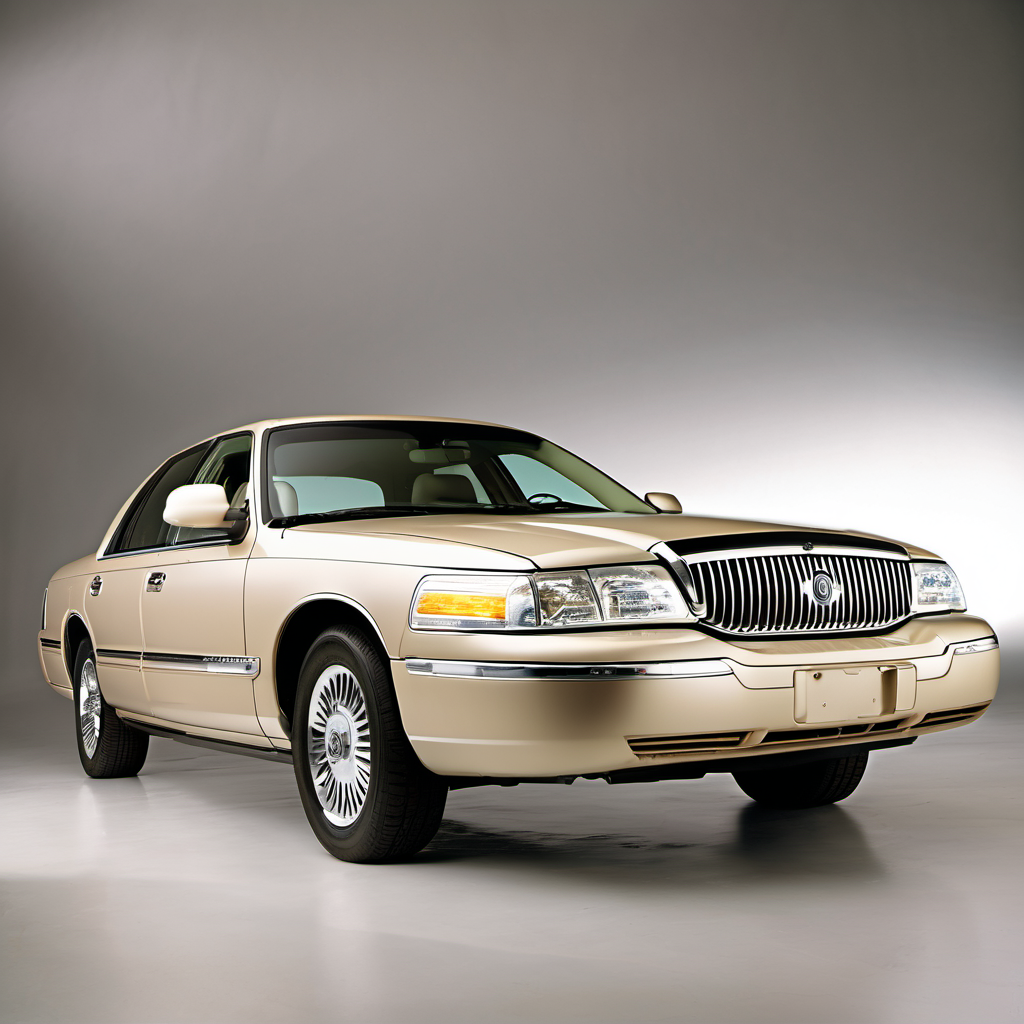
2002 Mercury
Sedan
The 2002 Mercury Grand Marquis is a full-size, body-on-frame rear-wheel-drive sedan built on Ford's Panther platform — the same architecture shared with the Ford Crown Victoria and Lincoln Town Car. It was designed from the ground up for comfort, durability, and straightforward serviceability, making it a favorite among high-mileage drivers, retired motorists, and fleet operators alike. Under the hood sits Ford's proven 4.6L SOHC V8, paired with a 4-speed automatic. The engine is well-understood by virtually every independent shop in the country, parts are cheap and plentiful, and the drivetrain has a documented history of lasting well past 200,000 miles with basic maintenance. This is not a sporty car — it's a big, soft-riding highway cruiser that prioritizes passenger comfort over dynamics. By 2002, the Grand Marquis had received the 'Marauder-inspired' styling refresh that cleaned up the exterior considerably. Air suspension on the rear was optional and is the single biggest reliability wildcard on used examples. If you're buying used, the first question to ask is: original air suspension or converted to coil springs?
The 2002 Mercury Grand Marquis is a full-size, body-on-frame rear-wheel-drive sedan built on Ford's Panther platform — the same architecture shared with the Ford Crown Victoria and Lincoln Town Car. It was designed from the ground up for comfort, durability, and straightforward serviceability, making it a favorite among high-mileage drivers, retired motorists, and fleet operators alike. Under the hood sits Ford's proven 4.6L SOHC V8, paired with a 4-speed automatic. The engine is well-understood by virtually every independent shop in the country, parts are cheap and plentiful, and the drivetrain has a documented history of lasting well past 200,000 miles with basic maintenance. This is not a sporty car — it's a big, soft-riding highway cruiser that prioritizes passenger comfort over dynamics. By 2002, the Grand Marquis had received the 'Marauder-inspired' styling refresh that cleaned up the exterior considerably. Air suspension on the rear was optional and is the single biggest reliability wildcard on used examples. If you're buying used, the first question to ask is: original air suspension or converted to coil springs?
The 4.6L V8 tolerates extended intervals poorly as it ages — sludge buildup accelerates wear on timing chain guides. Stick to conventional 5W-30 unless otherwise specified.
Ford's official interval was longer, but the 4R70W runs hotter in city traffic. Fresh fluid at 30k keeps the transmission healthy well past 200k miles.
The plastic coolant crossover tube on the upper intake manifold is a known failure point. Inspect for seeping or corrosion at every coolant service — catching it early avoids a much larger repair.
Air bladders crack with age and cold temperatures. Check compressor run time and bladder condition annually. Many owners convert to passive coil springs as a permanent fix.
The 4.6L SOHC uses two plugs per cylinder on some variants, but the standard GS/LS uses one. Platinum plugs go the distance, but don't push past 60k on a high-mileage engine.
Brake fluid absorbs moisture over time, lowering its boiling point. On a heavy full-size sedan, fresh fluid matters for fade resistance.
Lake Geneva roads are heavily salted. The Panther platform frame, floor pans, and brake lines are vulnerable. Annual inspection and spot treatment extends the vehicle's useful life significantly.
Rubber degrades faster with age than mileage on low-use vehicles. A snapped belt leaves you stranded and can cause collateral damage.
Always defer to the manufacturer's service manual for warranty-mandated intervals.
The Grand Marquis is genuinely cheap to own when it's healthy. Parts are among the least expensive of any V8 sedan, labor time is low because the engine bay is spacious and well-documented, and independent shops can handle everything without special tooling. The cost risks are age-related: air suspension repair, coolant system work, and rust remediation can add up quickly on neglected examples. A well-maintained car runs $600–$1,000/year in routine maintenance; a deferred-maintenance car can surprise you with a $2,000–$4,000 catch-up bill in year one.

Essentially the same car on the same Panther platform — identical drivetrain, similar pricing, and even more parts availability due to fleet/police use. The most direct alternative.
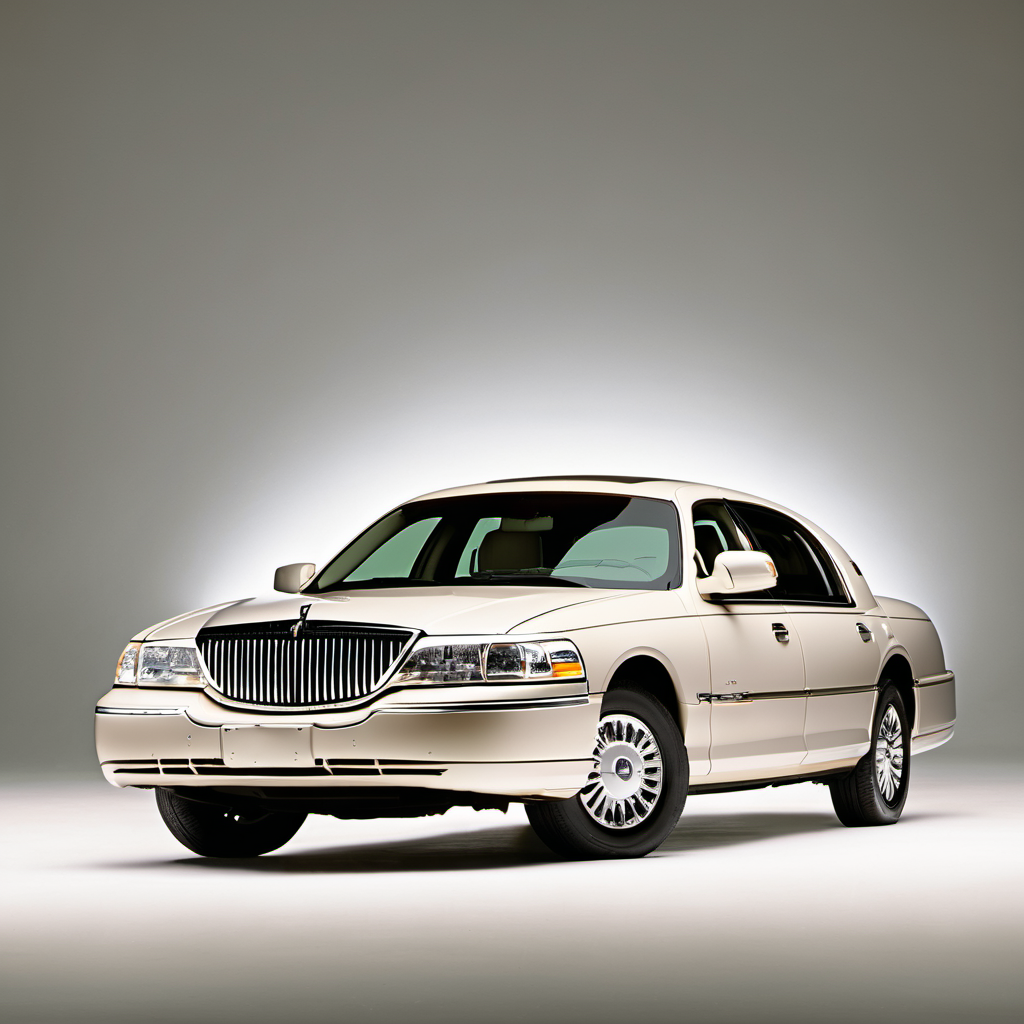
The upmarket Panther sibling. More luxury features and a longer wheelbase, but the same 4.6L V8 and all the same maintenance considerations. Costs a bit more to buy used.
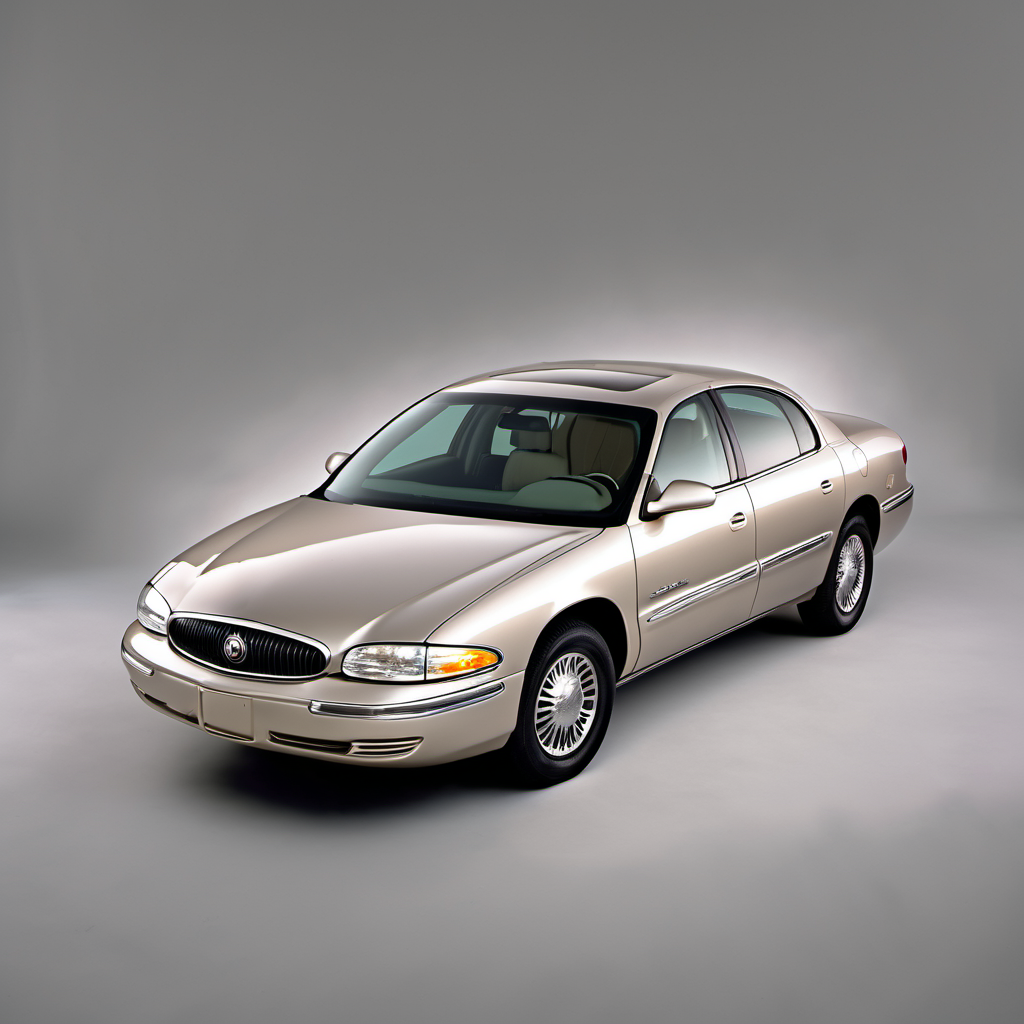
Front-wheel-drive alternative in the same full-size comfort sedan segment. The 3800 V6 is similarly durable and cheap to maintain, with better fuel economy.
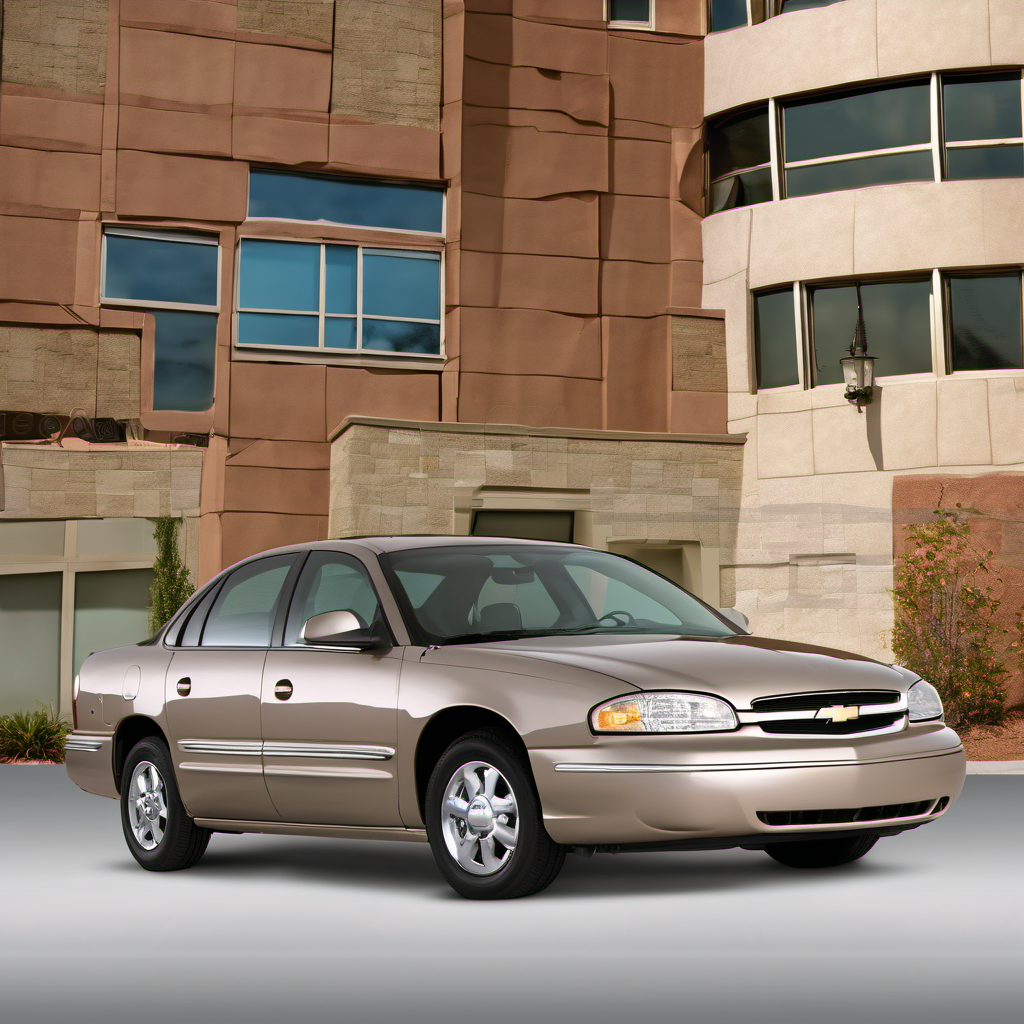
Smaller and FWD, but a popular budget-friendly V6 alternative in the same used price range. Less luxurious but more maneuverable.