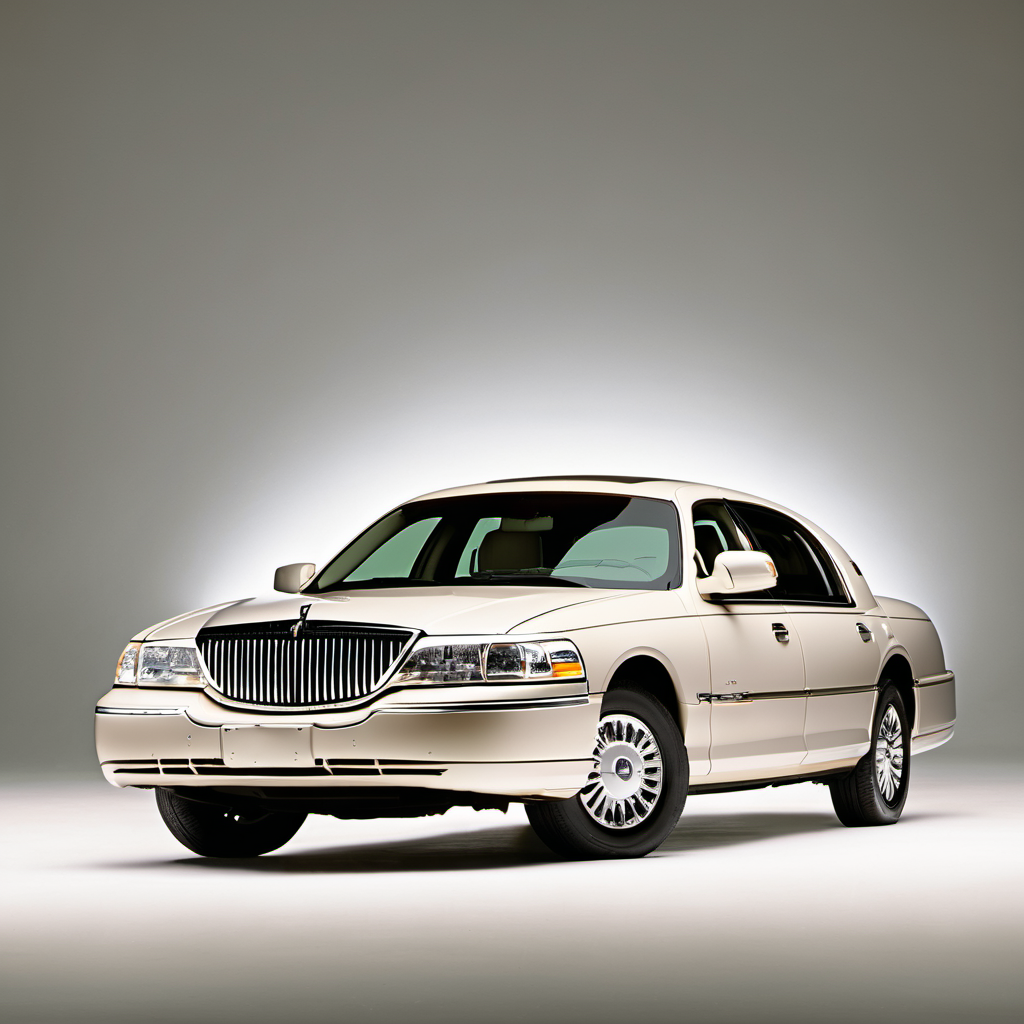
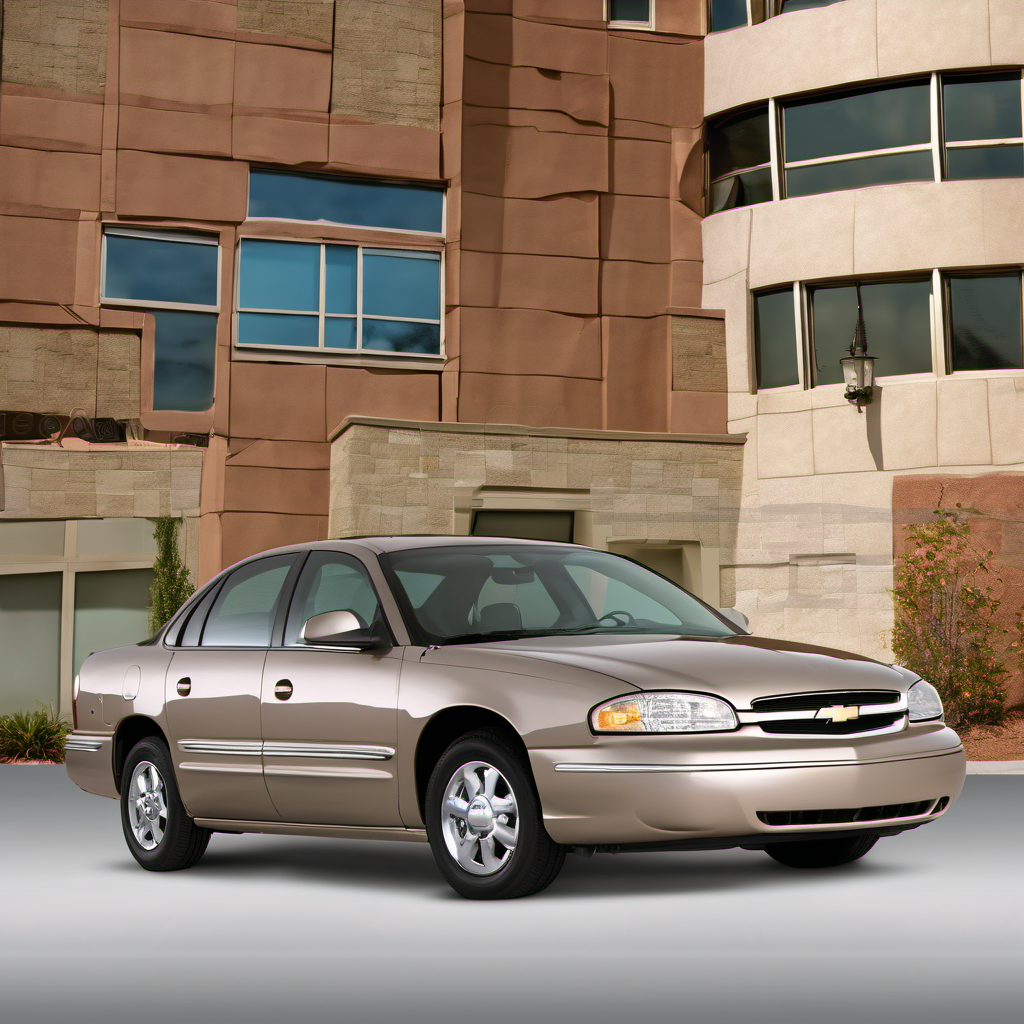
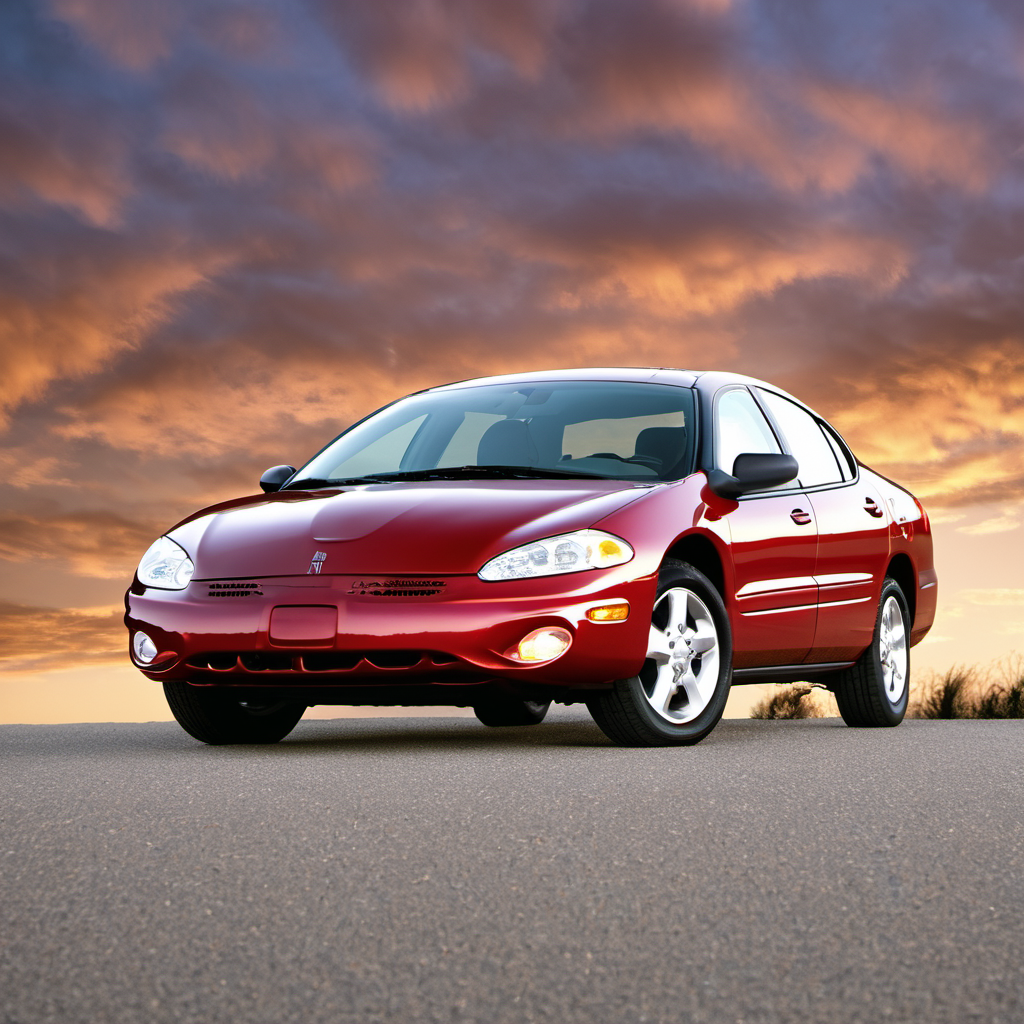
2002 Ford Crown Victoria Sedan

2002 Ford

Crown VictoriaSedan

Sedan

The 2002 Ford Crown Victoria is a full-size, body-on-frame rear-wheel-drive sedan built on Ford's Panther platform — the same bones shared with the Mercury Grand Marquis and Lincoln Town Car. By 2002 this platform had been refined for over two decades, making it one of the most mechanically sorted large sedans ever sold in the US. It was the backbone of American police fleets and taxi services precisely because it is simple, tough, and repairable with basic tools. Under the hood sits Ford's 4.6L SOHC Modular V8, a proven iron-block engine that routinely sees 200,000–300,000 miles with proper maintenance. The 4-speed automatic is equally durable. Nothing here is exotic — which is exactly the point. Parts are cheap, labor is straightforward, and any competent independent shop can service it. By 2002 the Crown Vic received a refresh that added a better interior, revised suspension tuning, and the optional handling package. It's a large car with a large trunk, a smooth ride, and room for four adults to stretch out. Fuel economy is not a selling point, but if you want a reliable, repairable, American-made V8 sedan that can absorb high miles, the Crown Vic is hard to beat for the money.

Reliability
4/5
Verified data
Specs shown for Crown Victoria — the most common configuration. Other trims may vary in engine, drivetrain, or fuel economy. Sign in to see your vehicle's exact specs.
Engine
[object Object]
Drivetrain
RWD
Fuel
Gasoline
MPG
15 city / 23 hwy / 18 combined
Seats
Doors
Body
Large Cars

Overview

AI-curated

The 2002 Ford Crown Victoria is a full-size, body-on-frame rear-wheel-drive sedan built on Ford's Panther platform — the same bones shared with the Mercury Grand Marquis and Lincoln Town Car. By 2002 this platform had been refined for over two decades, making it one of the most mechanically sorted large sedans ever sold in the US. It was the backbone of American police fleets and taxi services precisely because it is simple, tough, and repairable with basic tools. Under the hood sits Ford's 4.6L SOHC Modular V8, a proven iron-block engine that routinely sees 200,000–300,000 miles with proper maintenance. The 4-speed automatic is equally durable. Nothing here is exotic — which is exactly the point. Parts are cheap, labor is straightforward, and any competent independent shop can service it. By 2002 the Crown Vic received a refresh that added a better interior, revised suspension tuning, and the optional handling package. It's a large car with a large trunk, a smooth ride, and room for four adults to stretch out. Fuel economy is not a selling point, but if you want a reliable, repairable, American-made V8 sedan that can absorb high miles, the Crown Vic is hard to beat for the money.

Known for
  • Exceptional long-term mechanical durability on the 4.6L Modular V8
  • Body-on-frame construction — far more repairable than unibody competitors
  • Massive trunk and spacious rear seat
  • Extremely low parts costs and wide mechanic familiarity
Best for
  • High-mileage commuters who want cheap, reliable transportation
  • Owners comfortable doing basic DIY maintenance
  • Anyone needing a large rear-seat for passengers or long highway trips
  • Budget buyers who prioritize repairability over fuel economy
Watch for
  • Fuel tank/filler neck corrosion — a real concern in salt-belt states like Wisconsin
  • Air suspension delete (if equipped) — stock rear air springs can fail; many owners convert to coils
  • High-mileage examples with deferred coolant and transmission service
  • Prior police/taxi use — verify service history and inspect for pursuit-package wear

Common issues by mileage

6 known

Intake manifold cross-over tube coolant leak

high
Typically appears
60–130k mi
Estimated repair
$300 – $600

Rear air spring failure (if air suspension equipped)

high
Typically appears
80–150k mi
Estimated repair
$200 – $500

Fuel tank/filler neck rust and fuel pump failure

high
Typically appears
100–200k mi
Estimated repair
$400 – $900

Oxygen sensor heater circuit failure (upstream sensors)

medium
Typically appears
80–150k mi
Estimated repair
$150 – $350

Throttle body/idle air control — rough idle or stalling

medium
Typically appears
80–160k mi
Estimated repair
$100 – $300

Transmission fluid degradation causing shift quality issues

medium
Typically appears
100–180k mi
Estimated repair
$150 – $400

Maintenance schedule

  1. 1
    Every 30k miles or 3 years Engine coolant flush and inspect cross-over tube

    The plastic cross-over coolant tube on the 4.6L SOHC is notorious for cracking and causing coolant loss. Catching it early prevents overheating and much larger repair bills.

  2. 2
    Every 30k miles Transmission fluid change (not just a drain-and-fill — full service with filter)

    Ford's 4R75W is durable but does not tolerate neglected fluid. Full filter-and-fluid service at an independent shop costs far less than a rebuild.

  3. 3
    Annually before winter Inspect and undercoat exposed frame and fuel tank

    Wisconsin road salt attacks the exposed steel frame, fuel tank, and filler neck. Annual inspection and undercoating adds years to the car's useful life.

  4. 4
    Every 60k miles Spark plug replacement

    The 4.6L has two plugs per cylinder. Waiting too long allows plugs to seize in the aluminum heads, which turns a simple tune-up into an expensive extraction job.

  5. 5
    Every 15k miles Engine air filter and PCV valve check

    A restricted PCV valve on the 4.6L can push oil into the intake and cause rough idle and excess oil consumption.

  6. 6
    Every fall (before Wisconsin winter) Battery load test

    Cold-cranking amps drop significantly in sub-zero temps. A marginal battery that starts fine in October may not start in January.

  7. 7
    Every 2 years or when ride quality changes Inspect rear suspension — air springs or coil conversion

    If still on original air springs, leaks are common. Many owners convert to passive coil springs for long-term reliability. Inspect for sagging or compressor noise.

  8. 8
    Every 2 years Brake fluid flush

    Brake fluid absorbs moisture over time, lowering boiling point. Important for a heavy RWD sedan that relies on its brakes on snowy Wisconsin roads.

Always defer to the manufacturer's service manual for warranty-mandated intervals.

Cost of ownership

Annual maintenance
$600 – $1,400
Fuel
At 18 mpg combined and ~12,000 miles/year, expect roughly $1,800–$2,200/year at current Midwest gas prices. Highway-heavy driving brings this closer to the lower end.
Insurance
Generally inexpensive to insure — a large older domestic sedan with a low market value. Expect $800–$1,400/year for full coverage depending on driving record and zip code.

The Crown Vic is one of the cheapest large cars to keep running. Parts are plentiful and inexpensive, mechanic familiarity is high, and labor times are reasonable. Fuel is the biggest ongoing expense. Budget $1,000–$1,500 in the first year for any deferred maintenance (coolant system, plugs, transmission service) on a used purchase — then annual costs drop significantly.
Seasonal care

Lake Geneva, WI
Winter
  • Load-test the battery every fall — the 4.6L V8 needs strong cold-cranking amps to spin reliably at sub-zero temperatures.
  • Flush and fill washer fluid with a -30°F rated formula before first freeze; the large windshield is hard to keep clear without it.
  • Inspect and replace wiper blades with winter-rated blades; the long blade sweep area on the Crown Vic catches ice buildup quickly.
  • Rinse the undercarriage — especially the fuel tank, filler neck, and frame rails — after heavy salt exposure. A $10 car wash saves hundreds in rust repair.
  • Check tire tread depth and consider winter tires; RWD sedans can be twitchy in deep snow without proper rubber.
  • Verify antifreeze concentration is good to at least -34°F; test with a coolant strip or refractometer at the shop.
Summer
  • Inspect the A/C system for refrigerant leaks and check cabin blower operation — the Crown Vic's large interior needs a fully functioning A/C in Wisconsin heat and humidity.
  • Check tire pressure monthly; heat causes pressure to rise and these cars carry significant weight on each tire.
  • Inspect the cooling system hoses and thermostat — the cross-over tube issue is more likely to surface during sustained high-load summer driving.
  • Park in shade when possible; the large dark dashboard on 2002 interiors heat-soaks quickly and accelerates cracking.

Comparable vehicles

If you're shopping for one

Red flags
  • Heavy rust on frame rails or fuel tank — repair costs can exceed the car's value.
  • Coolant in the oil (milky dipstick) or white exhaust smoke — potential head gasket or cross-over tube failure.
  • Any signs of front-end collision repair — Panther platform front ends don't always align perfectly after major impact.
  • No maintenance records and odometer over 150k — budget for a full fluid service refresh immediately.
  • Rear sitting noticeably lower on one side — failing air spring that the seller hasn't disclosed.
What to inspect
  • Frame rails and fuel tank — look for heavy rust, perforation, or flaking on the underside. This is the make-or-break item on Wisconsin cars.
  • Coolant condition and color — brown or rusty coolant signals a neglected cross-over tube situation that may already be leaking.
  • Transmission fluid — should be pink/red and not smell burnt. Dark or burnt fluid means deferred service.
  • Air suspension operation (if equipped) — listen for the compressor running excessively or the rear sitting low after overnight parking.
  • Oxygen sensor and emissions readiness monitors — check for stored codes before purchase.
  • Brake rotors and pads — these are heavy cars; worn brakes are common on high-mileage examples.
  • Interior for partition mounting holes or fleet cage brackets — a former police or taxi car that was hard-used.
AI profile generated 12 days ago · claude-sonnet-4-6 · v2.