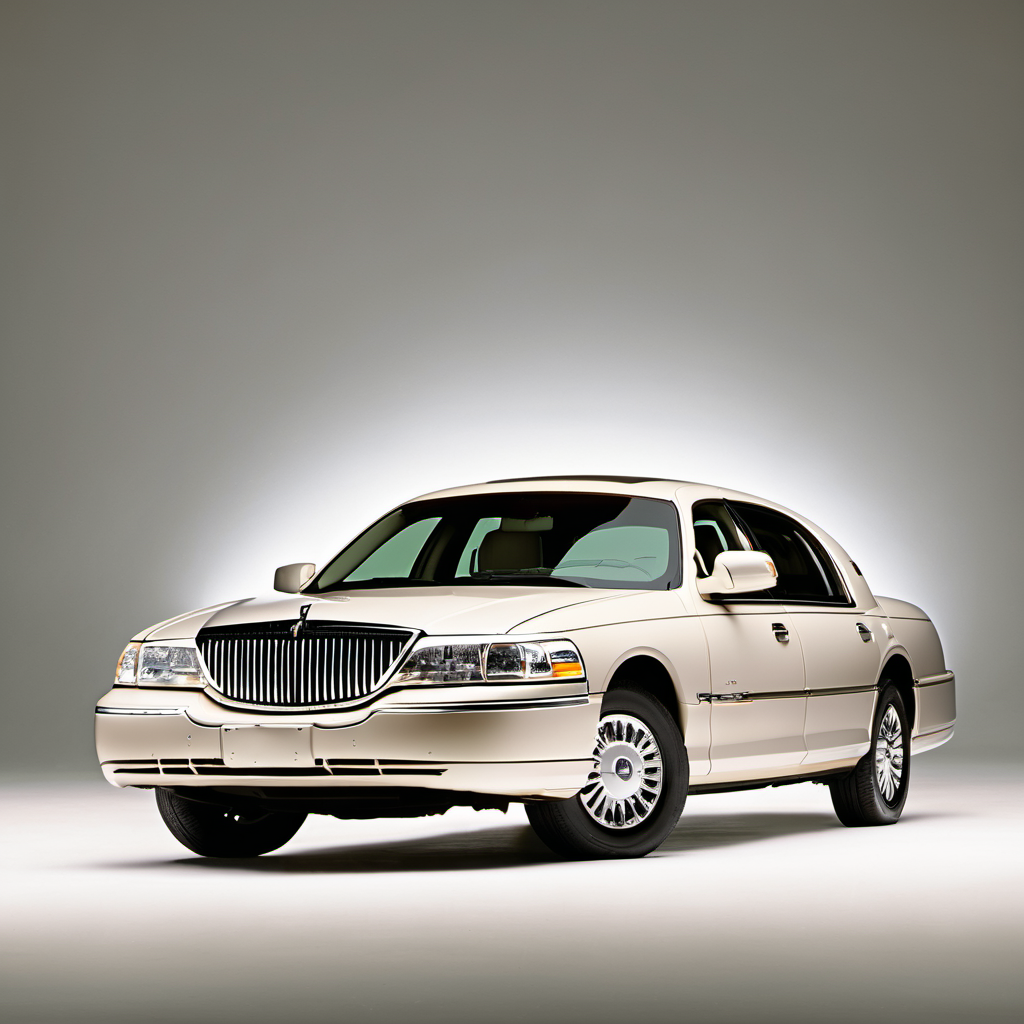
2002 Lincoln Town Car Sedan

2002 Lincoln

Town CarSedan

Sedan

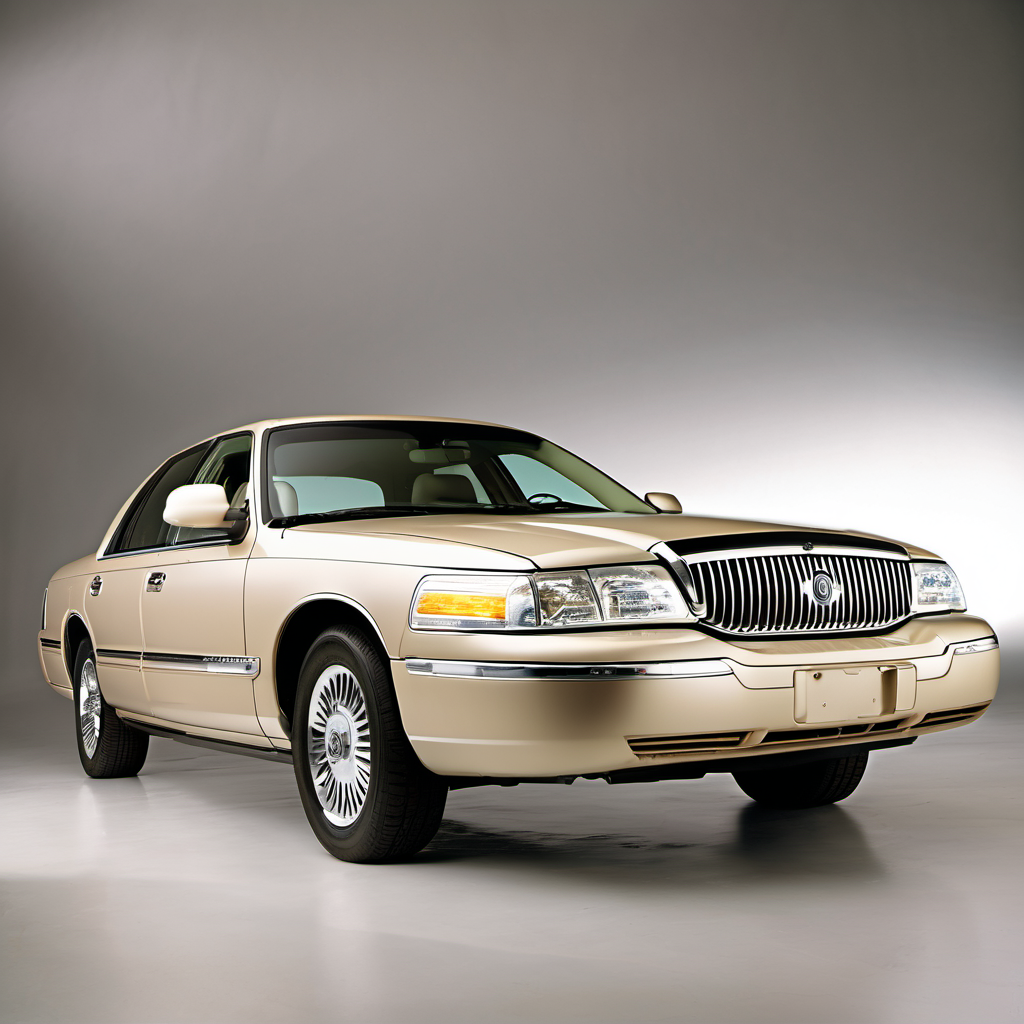
The 2002 Lincoln Town Car is a full-size, body-on-frame luxury sedan built on Ford's Panther platform — the same architecture shared with the Crown Victoria and Mercury Grand Marquis. By 2002, the Town Car had been refined into a remarkably comfortable long-distance cruiser with a smooth-riding air suspension, a powerful 4.6L V8, and a genuinely spacious interior. It was a favorite of livery fleets, retirees, and anyone who wanted large-car comfort without European-car repair bills. The Panther platform is one of the most mechanically straightforward designs of its era. Parts are plentiful, mechanics know it well, and the 4.6L modular V8 is a proven engine that routinely sees 200,000+ miles with basic upkeep. The 2002 model year sits in the middle of the third-generation body style (1998–2011), which is generally considered the most well-sorted version of the Town Car. The biggest ownership consideration in 2002 and later is the air suspension — it is comfortable when healthy but expensive when neglected. Most high-mileage examples will need air spring or compressor work at some point. Beyond that, these are genuinely durable cars with low ongoing mechanical complexity.

Reliability
4/5
Verified data
Specs shown for Town Car — the most common configuration. Other trims may vary in engine, drivetrain, or fuel economy. Sign in to see your vehicle's exact specs.
Engine
[object Object]
Drivetrain
RWD
Fuel
Gasoline
MPG
15 city / 21 hwy / 17 combined
Seats
Doors
Body
Large Cars

Overview

AI-curated

The 2002 Lincoln Town Car is a full-size, body-on-frame luxury sedan built on Ford's Panther platform — the same architecture shared with the Crown Victoria and Mercury Grand Marquis. By 2002, the Town Car had been refined into a remarkably comfortable long-distance cruiser with a smooth-riding air suspension, a powerful 4.6L V8, and a genuinely spacious interior. It was a favorite of livery fleets, retirees, and anyone who wanted large-car comfort without European-car repair bills. The Panther platform is one of the most mechanically straightforward designs of its era. Parts are plentiful, mechanics know it well, and the 4.6L modular V8 is a proven engine that routinely sees 200,000+ miles with basic upkeep. The 2002 model year sits in the middle of the third-generation body style (1998–2011), which is generally considered the most well-sorted version of the Town Car. The biggest ownership consideration in 2002 and later is the air suspension — it is comfortable when healthy but expensive when neglected. Most high-mileage examples will need air spring or compressor work at some point. Beyond that, these are genuinely durable cars with low ongoing mechanical complexity.

Known for
  • Exceptionally smooth, pillow-like ride from the air suspension
  • Roomy, quiet cabin with premium materials for the era
  • Proven 4.6L modular V8 with long-term durability
  • Parts availability and mechanic familiarity due to Panther platform sharing
Best for
  • Highway commuters and long-distance drivers
  • Buyers who prioritize ride comfort over handling
  • Owners who want a large, reliable sedan with affordable independent-shop repair costs
  • Those needing generous trunk space for travel or hauling
Watch for
  • Air suspension failures — compressor and air springs are the top ownership cost
  • Coolant leaks at the intake manifold crossover and heater core
  • Rust on the frame, subframe, and rocker panels in salt-belt states
  • Deferred maintenance on high-mileage fleet or livery examples

Common issues by mileage

6 known

Coolant crossover tube / intake manifold coolant leak

high
Typically appears
70–130k mi
Estimated repair
$250 – $600

Oxygen sensor / heater circuit fault

medium
Typically appears
80–160k mi
Estimated repair
$100 – $350

Heater core failure / coolant smell in cabin

medium
Typically appears
100–180k mi
Estimated repair
$450 – $950

Power window regulator failure

medium
Typically appears
80–150k mi
Estimated repair
$150 – $350

Maintenance schedule

  1. 1
    Every 5,000 miles or 6 months Engine oil and filter change

    The 4.6L V8 responds well to consistent oil changes. At this age, don't stretch intervals — sludge buildup accelerates wear on the valve train.

  2. 2
    Every 30,000 miles or 3 years Coolant flush and inspect crossover tube

    The plastic crossover tube on the intake manifold is a known failure point. A flush gives your mechanic a chance to catch early seepage before it becomes a breakdown.

  3. 3
    Every 30,000 miles or at any sign of sag/lean Air suspension compressor and air spring inspection

    The front air springs and compressor are the single most common failure on this generation. Catching a slow leak early is far cheaper than replacing a burned-out compressor.

  4. 4
    Every 30,000–40,000 miles Transmission fluid change

    Ford's 4R70W is durable but benefits from fresh fluid. Many used examples arrive with original fluid — change it at purchase regardless of interval.

  5. 5
    Every 2–3 years Brake fluid flush

    Wisconsin salt and moisture absorption degrade brake fluid. Fresh fluid protects calipers and ABS components.

  6. 6
    Every 60,000 miles (platinum) or 100,000 miles (iridium) Spark plugs — use OEM-spec plugs only

    The 4.6L modular V8 is sensitive to plug type. Incorrect plugs can cause misfires. Have plugs inspected for signs of coolant fouling at each change.

  7. 7
    Every spring Undercarriage rust inspection and treatment

    Lake Geneva road salt is brutal on the Panther platform's frame rails, rear subframe, and brake lines. Annual inspection and treatment significantly extends service life.

  8. 8
    Every fall before winter Battery load test

    The Town Car's electrical demands (heated seats, climate control, large starter motor for the V8) are hard on aging batteries. Cold Wisconsin winters expose weak batteries fast.

Always defer to the manufacturer's service manual for warranty-mandated intervals.

Cost of ownership

Annual maintenance
$600 – $1,400
Fuel
At 17 MPG combined and roughly 12,000 miles/year, expect around $2,000–$2,400/year at current midwest fuel prices. Premium fuel is not required — regular 87 octane is specified.
Insurance
Generally inexpensive to insure given the vehicle's age, low market value, and no sports-car risk profile. Expect $700–$1,200/year for full coverage depending on driving history and coverage limits.

The Town Car is one of the more economical large luxury cars to own used. Parts are inexpensive and widely available, and most work can be done at any competent independent shop. The main budget wildcard is the air suspension — budget $500–$900 if it hasn't been serviced recently. Fuel costs are the largest ongoing expense given the V8 and RWD platform.

Seasonal care

Lake Geneva, WI
Winter
  • Load-test the battery every fall — the large V8 starter and high electrical demands will kill a marginal battery at -10°F.
  • Switch to a full-synthetic oil if not already using one; it flows better on cold starts and protects the engine during the critical first minutes of operation.
  • Inspect and treat the undercarriage for rust before and after winter. Lake Geneva roads are heavily salted; the Panther platform's frame rails and rear subframe are known rust targets.
  • Use a winter-rated washer fluid rated to at least -25°F — the Town Car's large windshield gathers road spray quickly.
  • Check air suspension more frequently in winter. Cold temperatures make aged air springs and compressor seals more prone to leaking and slow operation.
  • Keep at least a half tank of fuel to prevent fuel line condensation and ensure the fuel pump stays submerged and cool.
Summer
  • Inspect the A/C system — the Town Car's cabin is large and the system works hard in heat. A weak refrigerant charge will struggle to cool it.
  • Check tire pressure monthly; tires lose and gain roughly 1 PSI per 10°F of temperature change. The Town Car's large tires can mask pressure loss.
  • Inspect the cooling system hoses and overflow reservoir for heat-related cracking, especially around the crossover tube area.
  • Check the air suspension compressor for heat-related extended run times — a sagging corner that only shows up in hot weather signals a slow leak.

Comparable vehicles

If you're shopping for one

Red flags
  • Any evidence of fleet or livery service — high mileage and hard use are common, and maintenance is often deferred.
  • Air suspension converted to passive coil-over springs without disclosure — it changes the ride significantly and may indicate the seller didn't want to fix the root cause.
  • Significant rust on the frame, floor pans, or rear subframe — structural repair on a 20+ year old body-on-frame car is rarely cost-effective.
  • Coolant residue or white staining around the intake manifold area.
  • Any check-engine light — at this age and mileage, codes should be diagnosed and resolved before purchase, not explained away.
What to inspect
  • Check all four corners for air suspension sag — park on level ground and look for any corner sitting lower than the others.
  • Warm up the engine fully and look for coolant steam from the intake area or a sweet smell in the cabin (heater core).
  • Inspect the undercarriage carefully — frame rails, rear subframe, and brake lines are the first casualties of Wisconsin salt. Walk away from heavy rust.
  • Test every power window, seat, and lock. Regulators and switches are common failures and add up quickly.
  • Check the transmission for smooth, firm shifts through all gears, especially from stop. Harsh or delayed engagement signals fluid neglect or wear.
  • Pull the oil dipstick and check for milky or frothy oil — a sign of coolant intrusion from the crossover leak.
AI profile generated 11 days ago · claude-sonnet-4-6 · v2.