Northstar Head Gasket Failure / Stripped Head Bolt Threads
high- Typically appears
- 80–150k mi
- Estimated repair
- $2,000 – $4,500
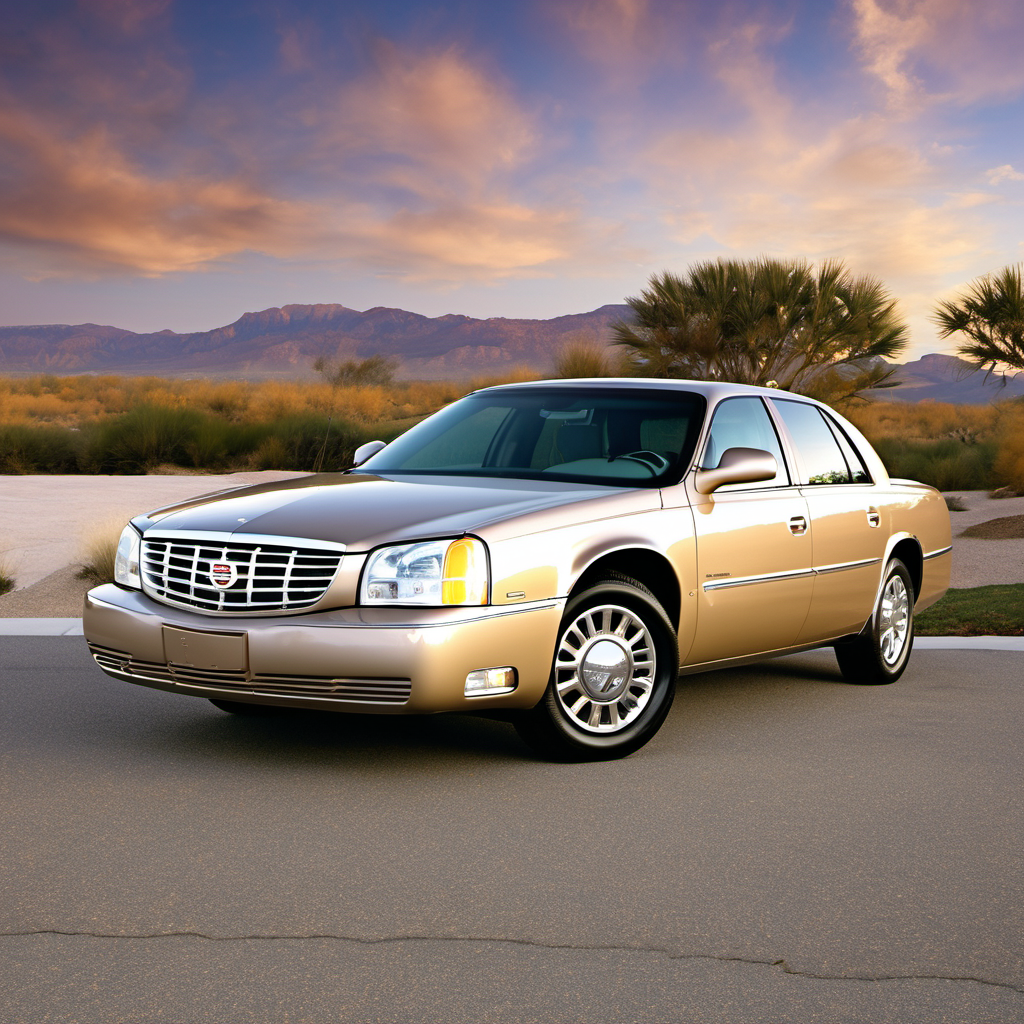
2002 Cadillac
Sedan
The 2002 Cadillac DeVille is a full-size front-wheel-drive luxury sedan built on GM's K-body platform. It was Cadillac's best-selling model for years, offering a large, quiet cabin, a smooth-riding suspension, and a long list of standard comfort and technology features for its era. Power comes from GM's 4.6L Northstar V8, an engine known for strong performance but also for a handful of well-documented reliability concerns that buyers should understand before purchasing. By 2002 the DeVille had been refreshed with standard side curtain airbags and StabiliTrak stability control, making it one of the better-equipped large sedans of the time. The ride is tuned for boulevard comfort rather than sport, and the interior — especially rear passenger space — is genuinely spacious. Trunk volume is also among the best in its class. At this age, a used DeVille is an affordable way into a big American luxury car, but ownership cost depends heavily on the mechanical condition at purchase. Head gasket and head bolt issues on the Northstar engine are serious and expensive; any used example should be inspected specifically for those before buying.
The 2002 Cadillac DeVille is a full-size front-wheel-drive luxury sedan built on GM's K-body platform. It was Cadillac's best-selling model for years, offering a large, quiet cabin, a smooth-riding suspension, and a long list of standard comfort and technology features for its era. Power comes from GM's 4.6L Northstar V8, an engine known for strong performance but also for a handful of well-documented reliability concerns that buyers should understand before purchasing. By 2002 the DeVille had been refreshed with standard side curtain airbags and StabiliTrak stability control, making it one of the better-equipped large sedans of the time. The ride is tuned for boulevard comfort rather than sport, and the interior — especially rear passenger space — is genuinely spacious. Trunk volume is also among the best in its class. At this age, a used DeVille is an affordable way into a big American luxury car, but ownership cost depends heavily on the mechanical condition at purchase. Head gasket and head bolt issues on the Northstar engine are serious and expensive; any used example should be inspected specifically for those before buying.
The Northstar is extremely sensitive to coolant condition. Degraded coolant accelerates head gasket failure. Use only DEX-COOL or the specified GM coolant. Never top off with plain water. Monitor the overflow tank level closely — unexplained drops are an early warning sign.
The Northstar V8 consumes some oil between changes as it ages. Check the level monthly. Low oil accelerates cam and timing chain wear, which can trigger P0012/P0015/P0022/P0025 codes.
The Northstar V8 has rear-bank plugs that require intake manifold removal — labor adds up. Doing all eight at once saves money. Worn plugs stress coils; failing coils cause misfires that can damage the catalytic converters.
The 4T80-E is a robust transmission when fluid is kept fresh. At this vehicle age, fluid is often overdue or degraded; a fresh fluid and filter service extends life significantly.
Brake fluid absorbs moisture over time, lowering boiling point and promoting internal corrosion in the ABS modulator — a very expensive part on this platform.
A snapped belt leaves the Northstar without coolant circulation; the engine overheats very quickly and head gasket damage can follow within minutes.
Wisconsin road salt attacks brake lines, fuel lines, and subframe mounting points. Catch rust before it compromises safety-critical components.
The DeVille's heavy electronics draw — seats, climate control, OnStar, suspension — demand a strong battery. A weak battery that passes a standard voltage check can fail instantly in sub-zero temps.
Always defer to the manufacturer's service manual for warranty-mandated intervals.
Purchase price on a used 2002 DeVille is low — often $3,000–$7,000 — but don't let that mask potential repair costs. A head gasket job alone can equal or exceed the purchase price of a cheaper example. Budget for routine maintenance plus a contingency reserve. Fuel costs are average for a V8 of this era. If the engine is healthy and the car is bought with good records, ongoing costs are manageable. If the coolant history is unknown, budget for a thorough inspection before committing.
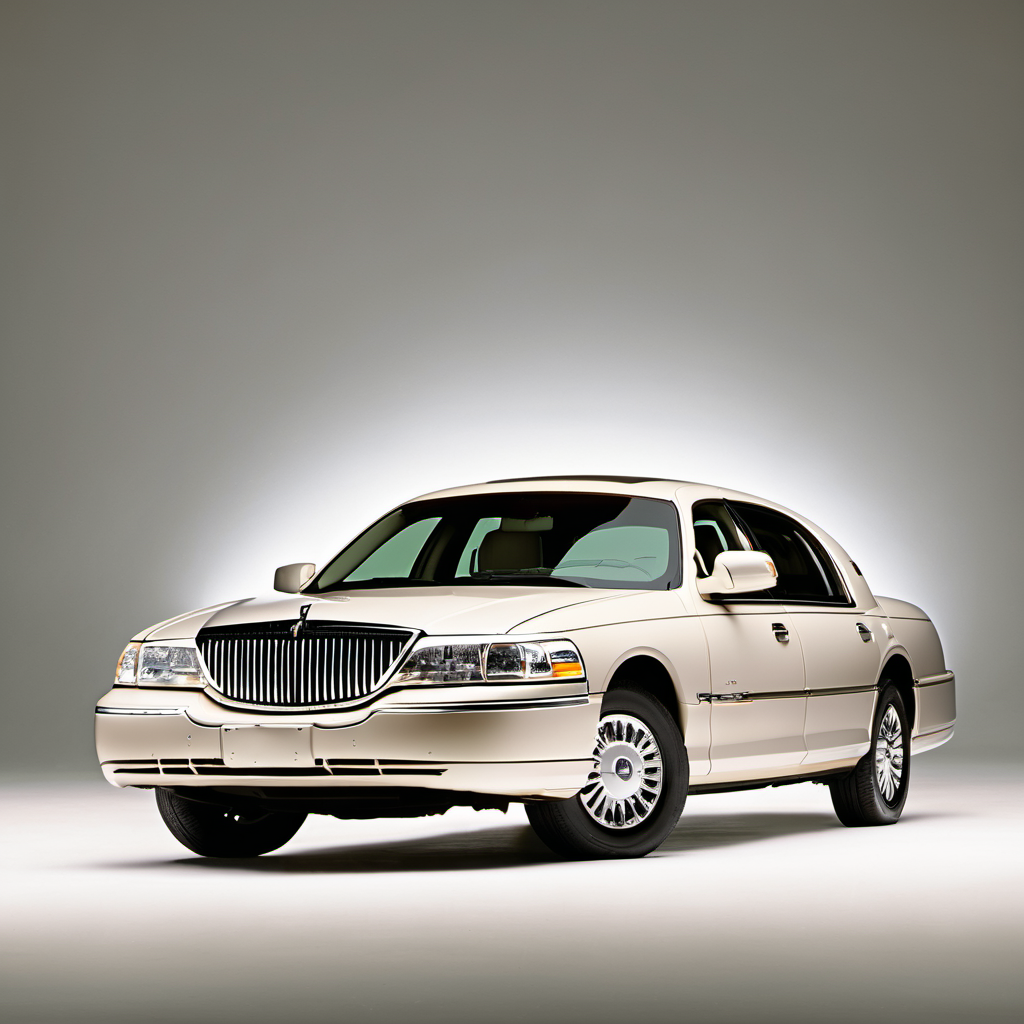
Same era full-size American luxury sedan, similar price on the used market, but RWD and a simpler 4.6L V8 with a much stronger reliability record. Fewer electronics-related headaches.
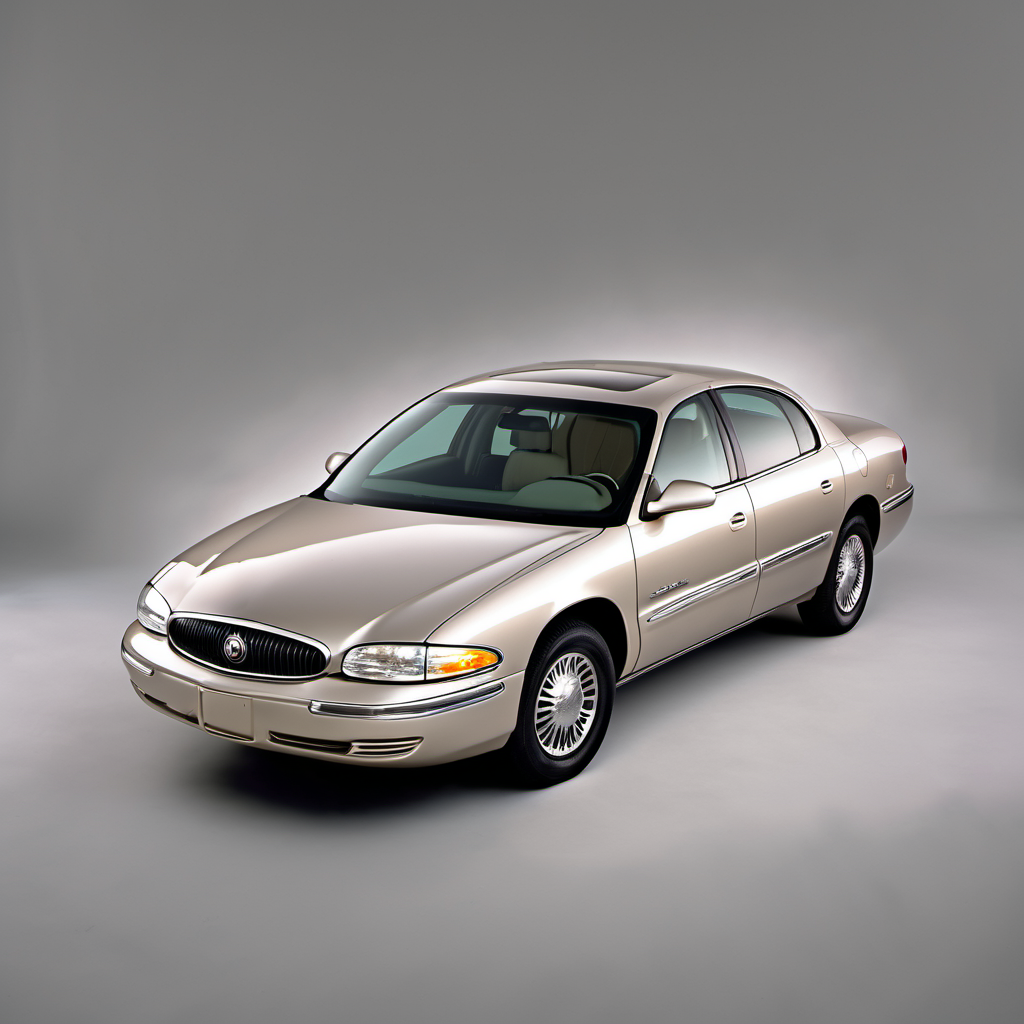
Shares GM's FWD large-car platform but uses the proven 3800 V6 — one of the most reliable engines ever built. Less prestigious than the DeVille but significantly lower repair risk and running costs.
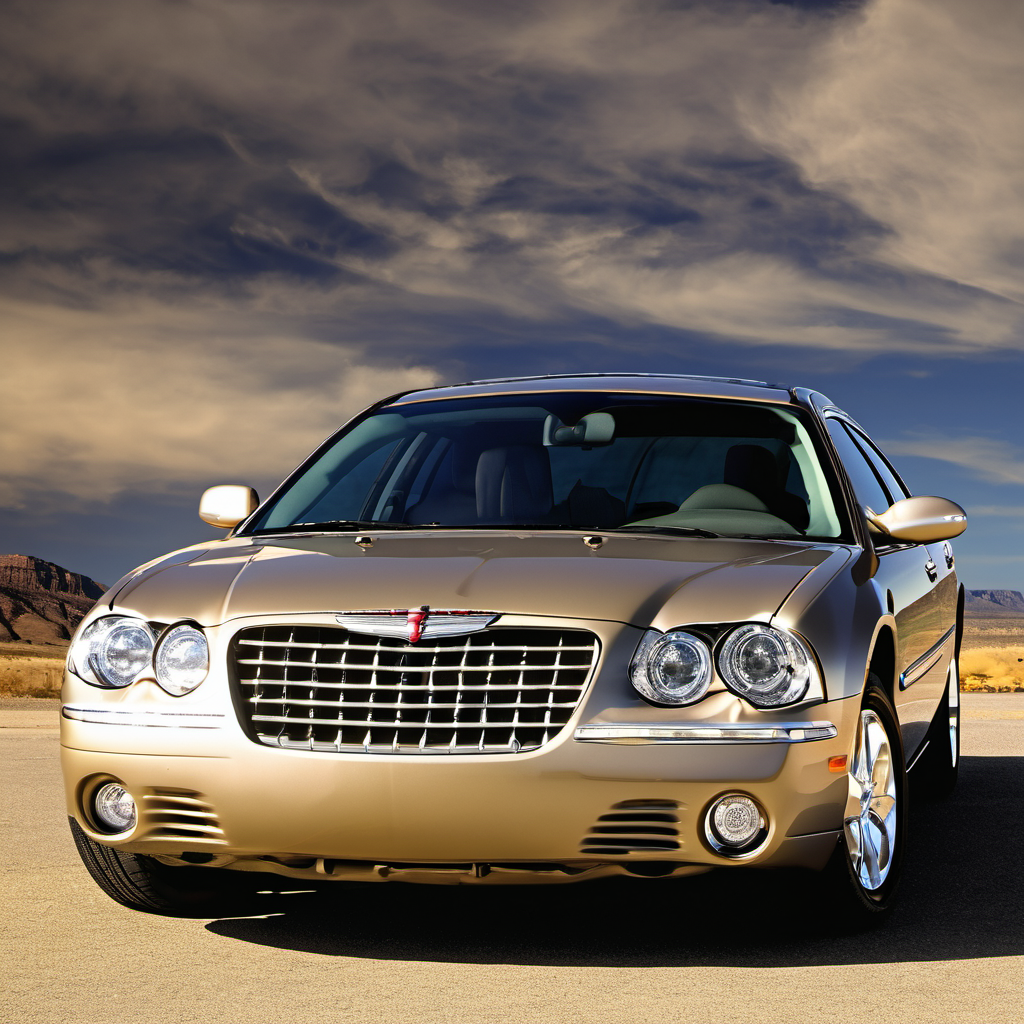
Smaller footprint but similar luxury-sedan mission, FWD, and era. The 3.5L V6 is generally more reliable than the Northstar. Good interior quality for the price.
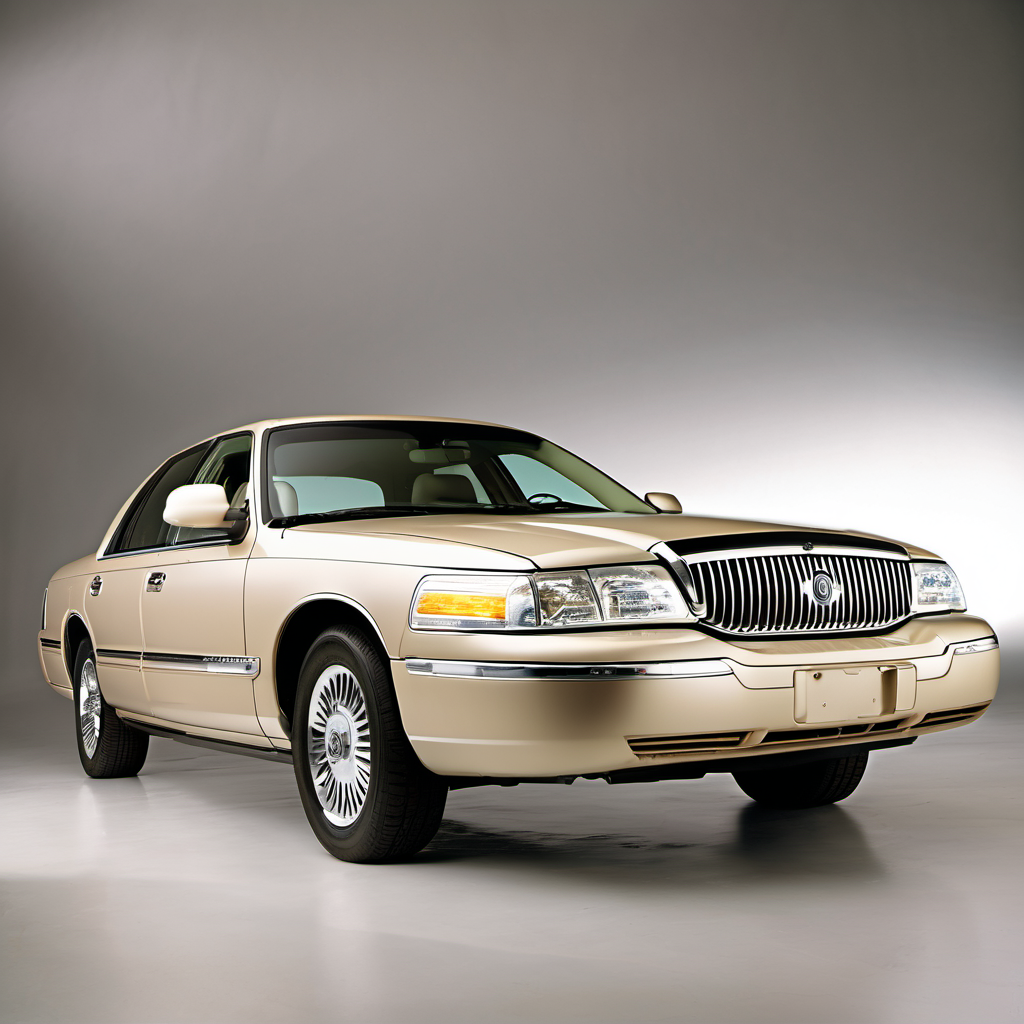
Body-on-frame, RWD, simpler V8 powertrain. Extremely low maintenance cost compared to the DeVille. Less refined but far more forgiving for owners who don't want surprise repair bills.