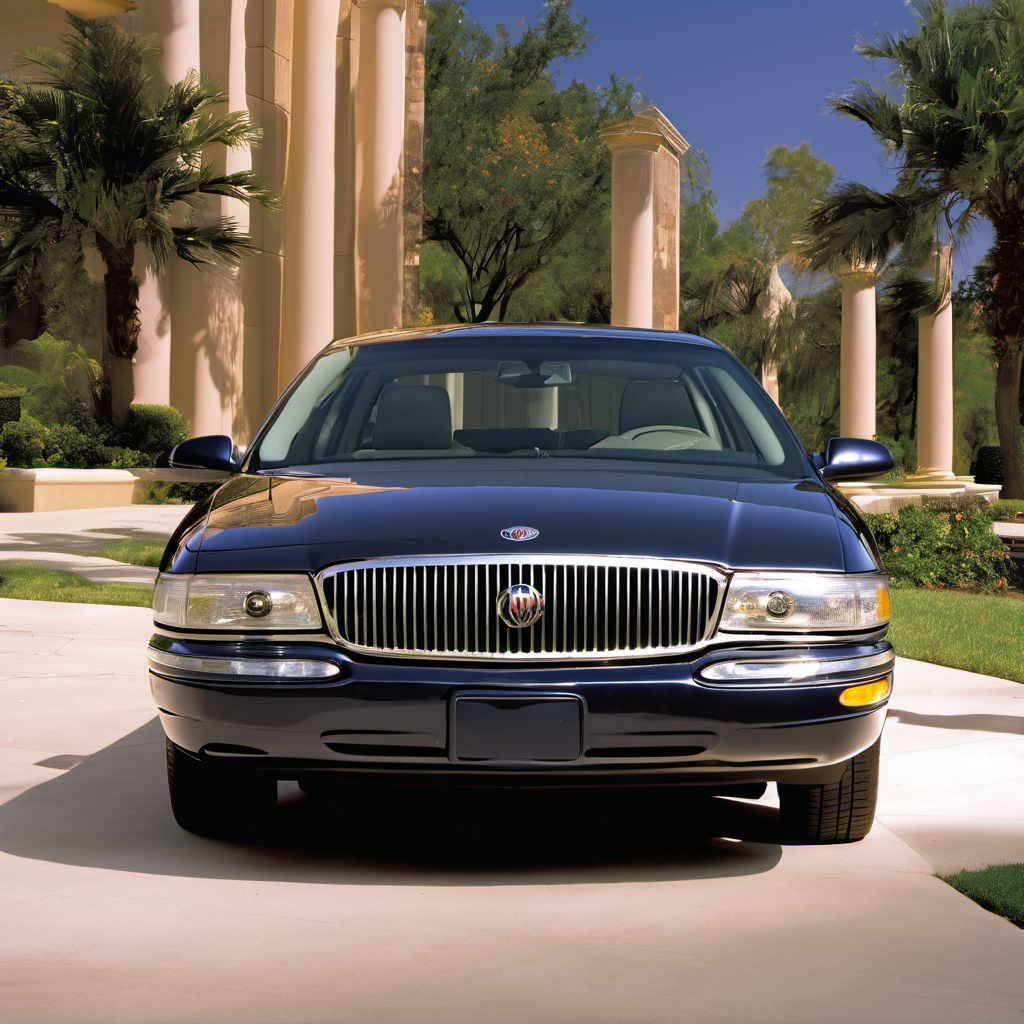
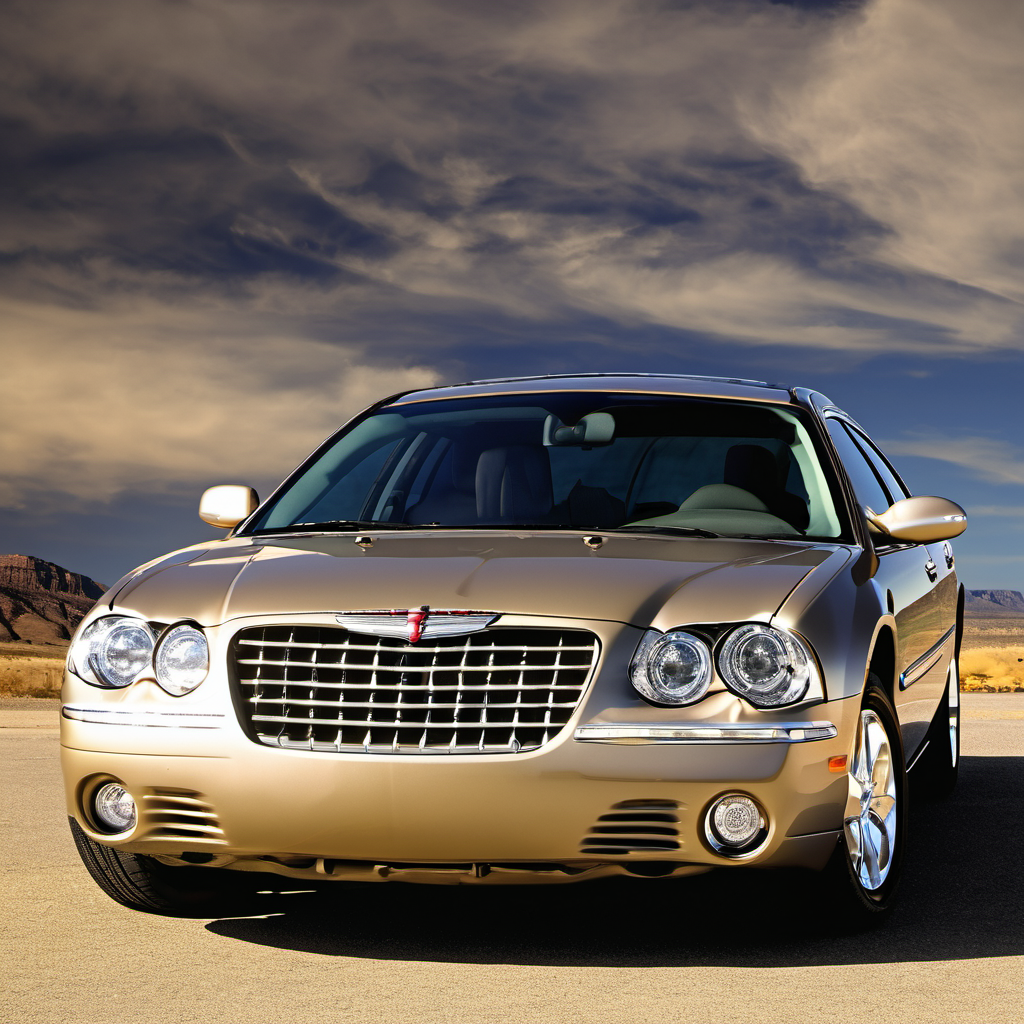
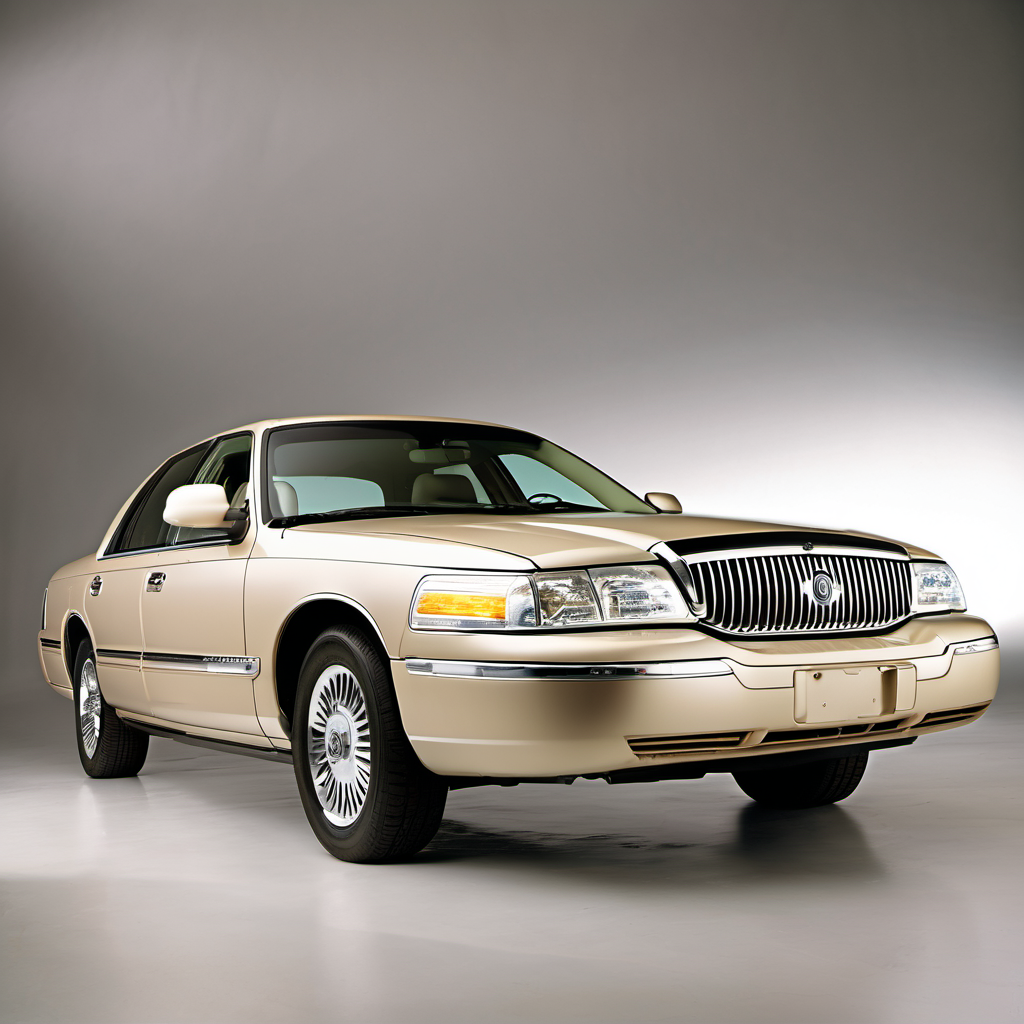
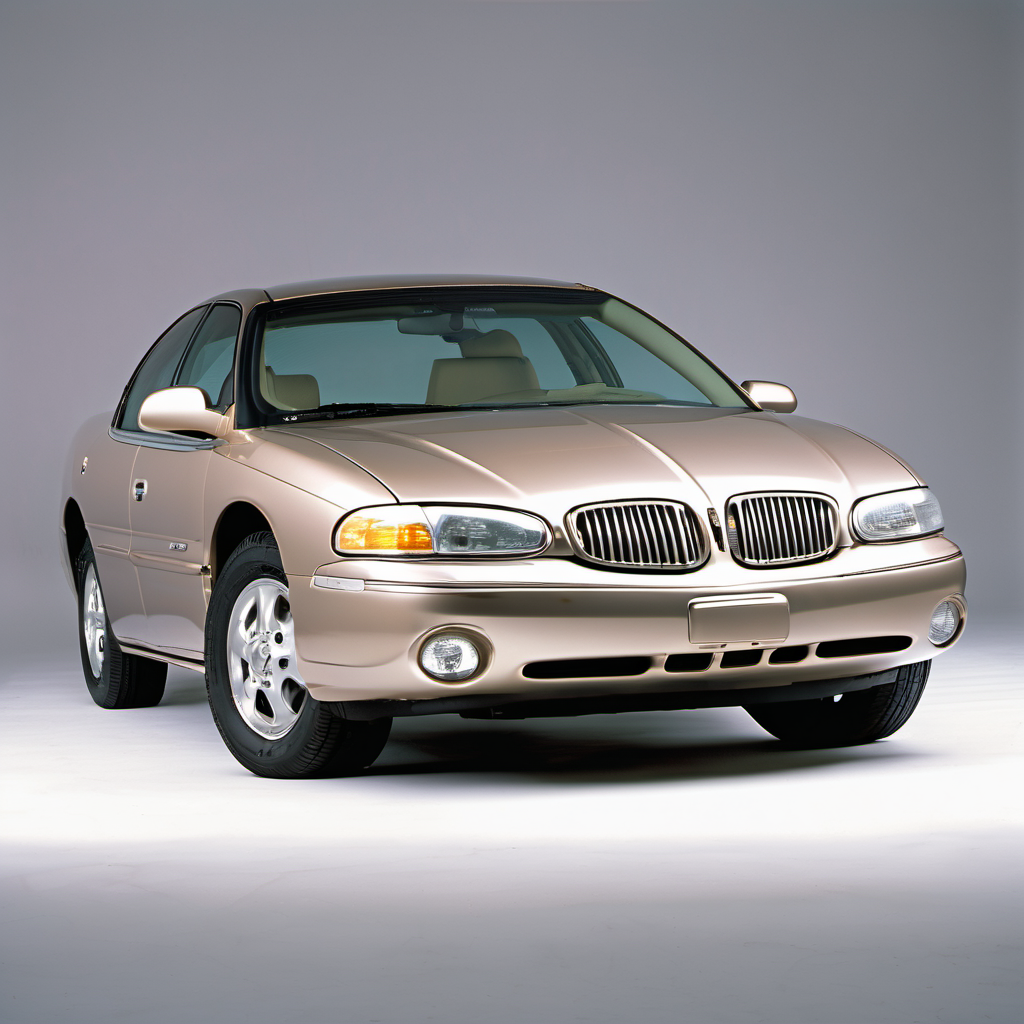
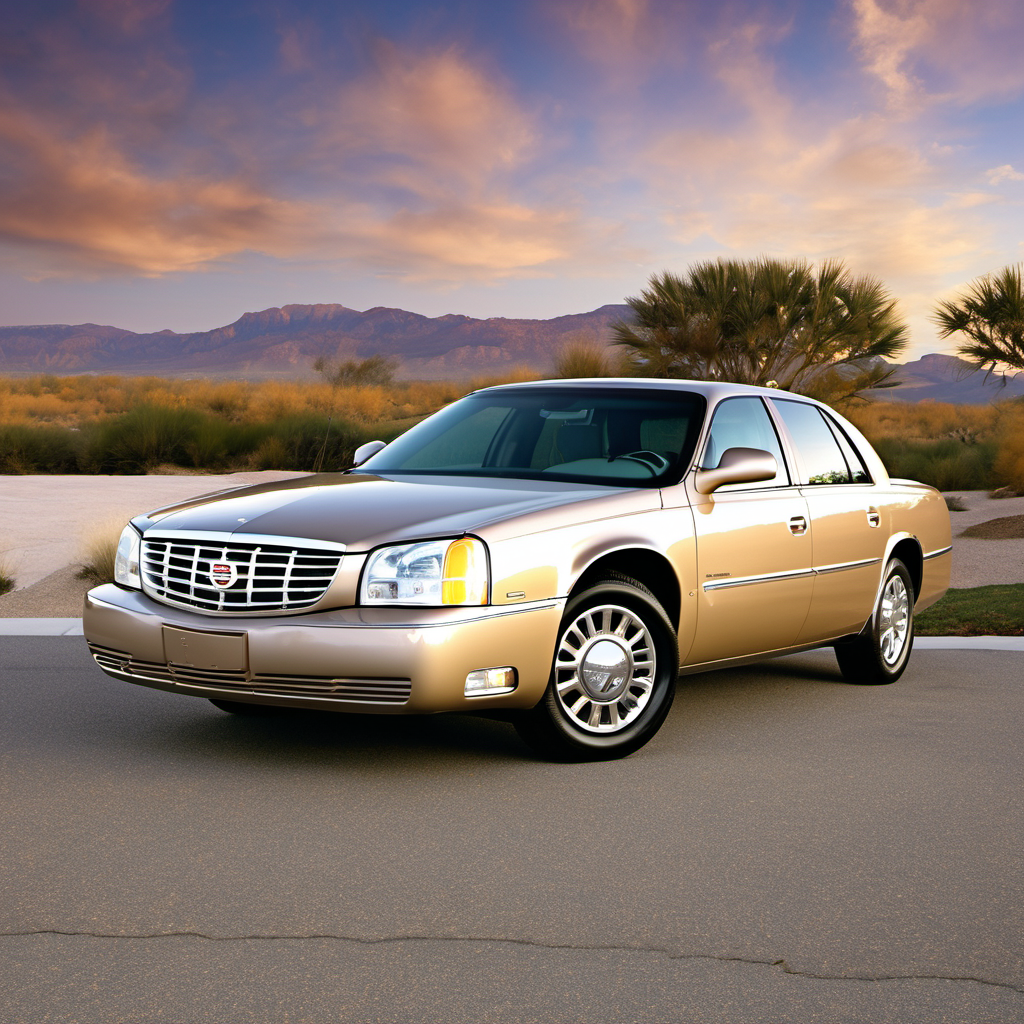
2002 Buick Park Avenue Sedan

2002 Buick

Park AvenueSedan

Sedan

The 2002 Buick Park Avenue is a full-size front-wheel-drive luxury sedan built on GM's venerable H-body platform. It was Buick's flagship car for much of the 1990s and early 2000s, offering genuine big-car comfort at a fraction of European luxury prices. This particular example carries the supercharged 3800 Series II V6 — a powertrain combination that enthusiasts genuinely respect for its blend of smooth power delivery and long-term durability when maintained. By 2002, the Park Avenue was in its final generation (1997–2005) and represented a polished, mature product. The interior is broad, quiet, and loaded with comfort features for its era — dual-zone climate control, heated seats, and a DIC (Driver Information Center) were standard on the Ultra trim. Ride quality is soft and highway-biased, which suits its original buyer profile well. As a used vehicle at this age, the Park Avenue is a study in contrasts: the supercharged 3800 engine can easily exceed 200k miles with basic care, but the surrounding electrical systems, plastic trim, and suspension bushings show their age. Budget for deferred maintenance and electronics surprises, and this car can still deliver a lot of comfort per dollar.

Reliability
3/5
Verified data
Specs shown for Park Avenue — the most common configuration. Other trims may vary in engine, drivetrain, or fuel economy. Sign in to see your vehicle's exact specs.
Engine
[object Object]
Drivetrain
FWD
Fuel
Premium gasoline
MPG
16 city / 25 hwy / 19 combined
Seats
Doors
Body
Large Cars

Overview

AI-curated

The 2002 Buick Park Avenue is a full-size front-wheel-drive luxury sedan built on GM's venerable H-body platform. It was Buick's flagship car for much of the 1990s and early 2000s, offering genuine big-car comfort at a fraction of European luxury prices. This particular example carries the supercharged 3800 Series II V6 — a powertrain combination that enthusiasts genuinely respect for its blend of smooth power delivery and long-term durability when maintained. By 2002, the Park Avenue was in its final generation (1997–2005) and represented a polished, mature product. The interior is broad, quiet, and loaded with comfort features for its era — dual-zone climate control, heated seats, and a DIC (Driver Information Center) were standard on the Ultra trim. Ride quality is soft and highway-biased, which suits its original buyer profile well. As a used vehicle at this age, the Park Avenue is a study in contrasts: the supercharged 3800 engine can easily exceed 200k miles with basic care, but the surrounding electrical systems, plastic trim, and suspension bushings show their age. Budget for deferred maintenance and electronics surprises, and this car can still deliver a lot of comfort per dollar.

Known for
  • Supercharged 3800 Series II V6 — one of GM's most durable engines
  • Exceptionally smooth, quiet highway ride
  • Spacious, well-appointed interior for the price
  • Solid long-term engine and transmission reliability when maintained
Best for
  • Highway commuters and road-trip drivers wanting comfort
  • Budget luxury buyers who wrench or have a trusted shop
  • Older drivers who prioritize a large, quiet cabin
  • Buyers who want supercharged V6 performance without European repair bills
Watch for
  • Aging electrical and body control modules on a 20+ year-old platform
  • Intake manifold coolant crossover leaks (common on supercharged 3800)
  • Strut tower and subframe corrosion from Wisconsin salt exposure
  • Deferred maintenance — many of these are now on second or third owners

Common issues by mileage

6 known

Intake Manifold Coolant Crossover Leak

high
Typically appears
80–130k mi
Estimated repair
$400 – $750

Supercharger Coupler / Nose Cone Failure

medium
Typically appears
100–160k mi
Estimated repair
$250 – $600

Power Steering Rack Leak or Failure

medium
Typically appears
90–150k mi
Estimated repair
$350 – $800

Strut Mount and Front Suspension Bushing Wear

high
Typically appears
80–120k mi
Estimated repair
$300 – $700

Oxygen Sensor / HO2S Heater Circuit Failure

medium
Typically appears
100–150k mi
Estimated repair
$150 – $350

Body and Electronic Control Module Communication Faults

medium
Typically appears
120k+ mi
Estimated repair
$200 – $1,200

Maintenance schedule

  1. 1
    Every 5,000 miles or 6 months Engine oil and filter change — use a quality 5W-30

    The supercharged 3800 runs hotter and puts more stress on oil. Clean oil is the single biggest factor in keeping this engine alive past 200k.

  2. 2
    Every 50,000 miles Supercharger gear oil change

    The Eaton M62 supercharger has its own internal gear oil reservoir. Neglecting it leads to bearing and rotor wear that requires supercharger rebuild or replacement.

  3. 3
    Every 30,000 miles or 3 years Coolant flush and inspect intake manifold crossover

    The plastic coolant crossover on the supercharged 3800 is notorious for cracking. Catching low coolant early prevents overheating and head gasket damage.

  4. 4
    Every 30,000–35,000 miles Transmission fluid change (4T65-E HD)

    GM's severe-duty recommendation for this transmission. Fresh Dexron VI fluid significantly extends shift quality and transmission life.

  5. 5
    Every 60,000 miles Spark plugs and plug wires inspection/replacement

    Original AC Delco plugs are preferred. Worn plugs cause misfires that are hard on the supercharged engine's ignition system.

  6. 6
    Every 60,000 miles or at first sign of cracking Serpentine belt and belt tensioner inspection

    The belt drives the supercharger. A snapped belt leaves you stranded and can cause power steering and cooling loss simultaneously.

  7. 7
    Every 2 years or at tire rotation Inspect and grease front strut mounts and control arm bushings

    Salt and age deteriorate rubber bushings quickly in Wisconsin. Worn mounts cause clunking, poor alignment, and accelerated tire wear.

  8. 8
    Every fall (September–October) Battery load test

    A 20+ year-old platform with multiple modules draws significant standby current. A weak battery causes hard starts and module communication errors in Wisconsin winters.

Always defer to the manufacturer's service manual for warranty-mandated intervals.

Cost of ownership

Annual maintenance
$600 – $1,400
Fuel
Premium fuel required for the supercharged engine. At 19 MPG combined and 15,000 miles/year, expect $1,800–$2,400/year depending on pump prices.
Insurance
Full-size luxury sedan at this age typically runs $900–$1,400/year in the Lake Geneva area for full coverage, less for liability-only.

The Park Avenue is inexpensive to buy but carries moderate ongoing costs. Routine maintenance is straightforward, but parts for a 20+ year-old luxury platform can be pricier than average. The biggest wildcard is deferred maintenance — if this car hasn't had regular coolant, transmission fluid, and supercharger oil service, budget $1,500–$2,500 upfront to bring it current. Premium fuel is a real added expense compared to regular-grade vehicles.
Seasonal care

Lake Geneva, WI
Winter
  • Battery: Load-test every fall. The 3800 supercharged system and multiple comfort modules draw significant current; a marginal battery will fail in sub-zero starts.
  • Coolant: Verify freeze protection to at least -34°F. The plastic crossover manifold is especially vulnerable to freeze-crack damage.
  • Wiper fluid: Use -20°F or lower rated washer fluid — Lake Geneva road salt spray demands a full reservoir at all times.
  • Undercarriage wash: Rinse the subframe, strut towers, and brake lines at every opportunity during and after salt events. These are the biggest corrosion victims on H-body cars.
  • Tire check: The Park Avenue is FWD, which helps in snow, but original equipment touring tires are poor in ice and heavy snow — consider dedicated winter tires.
  • Remote start (if equipped): Let the engine warm at idle 2–3 minutes before driving in temps below 10°F to allow oil circulation through the supercharger.
Summer
  • Coolant level: Check monthly — the intake crossover can weep slowly before failing outright. Catching low coolant early prevents overheating.
  • A/C system: Have the R-134a charge and condenser checked each spring. The condenser sits forward and collects road debris; a dirty or low-charge system struggles in Wisconsin July heat.
  • Tire pressure: Check monthly — temperature swings between Wisconsin spring and summer can shift pressure 4–6 PSI. The Park Avenue's large tires wear unevenly when underinflated.
  • Power steering fluid: Heat accelerates seal degradation in the rack. Check the reservoir level and watch for weeping at hose connections.
  • Inspect belt and tensioner: Heat cracks accelerate in summer — a visual check takes 2 minutes and prevents a roadside failure.

Comparable vehicles

If you're shopping for one

Red flags
  • Overheating history or white exhaust smoke — likely coolant crossover or head gasket failure, potentially expensive engine damage.
  • Any evidence of subframe or strut tower rust perforation — structural and costly to address properly.
  • Multiple U-code (network communication) fault codes stored — can indicate failing BCM, PCM, or wiring harness issues on a platform where new modules are increasingly hard to source.
  • Milky or brown coolant — indicates internal coolant leak, do not purchase without a full cooling system inspection.
  • No maintenance records and high mileage — the supercharger, transmission, and cooling system are all interval-critical. Unknown service history is a significant financial risk on this vehicle.
What to inspect
  • Coolant: Pull the reservoir cap and look for oily film or brown discoloration — signs of head gasket or crossover leak mixing with the coolant.
  • Supercharger: Listen for whining or rattling from the top of the engine at idle and under load — indicates worn bearings or coupler.
  • Undercarriage: Get it on a lift and inspect the subframe, strut towers, and brake lines for rust perforation. Wisconsin cars can look fine on the outside and be rotting underneath.
  • Transmission: Drive it through all gear ranges including manual hold positions. Slipping, delayed engagement, or shudder points to worn clutches or low fluid.
  • All power accessories: Windows, seat heaters, mirrors, DIC display, and HVAC controls — these are aging and expensive to repair. Confirm everything works before purchase.
  • Check engine / ABS / TRAC lights: Scan for stored and pending codes before buying. Multiple network or module codes (U-codes) suggest wiring or module issues that can be costly.
AI profile generated 12 days ago · claude-sonnet-4-6 · v2.