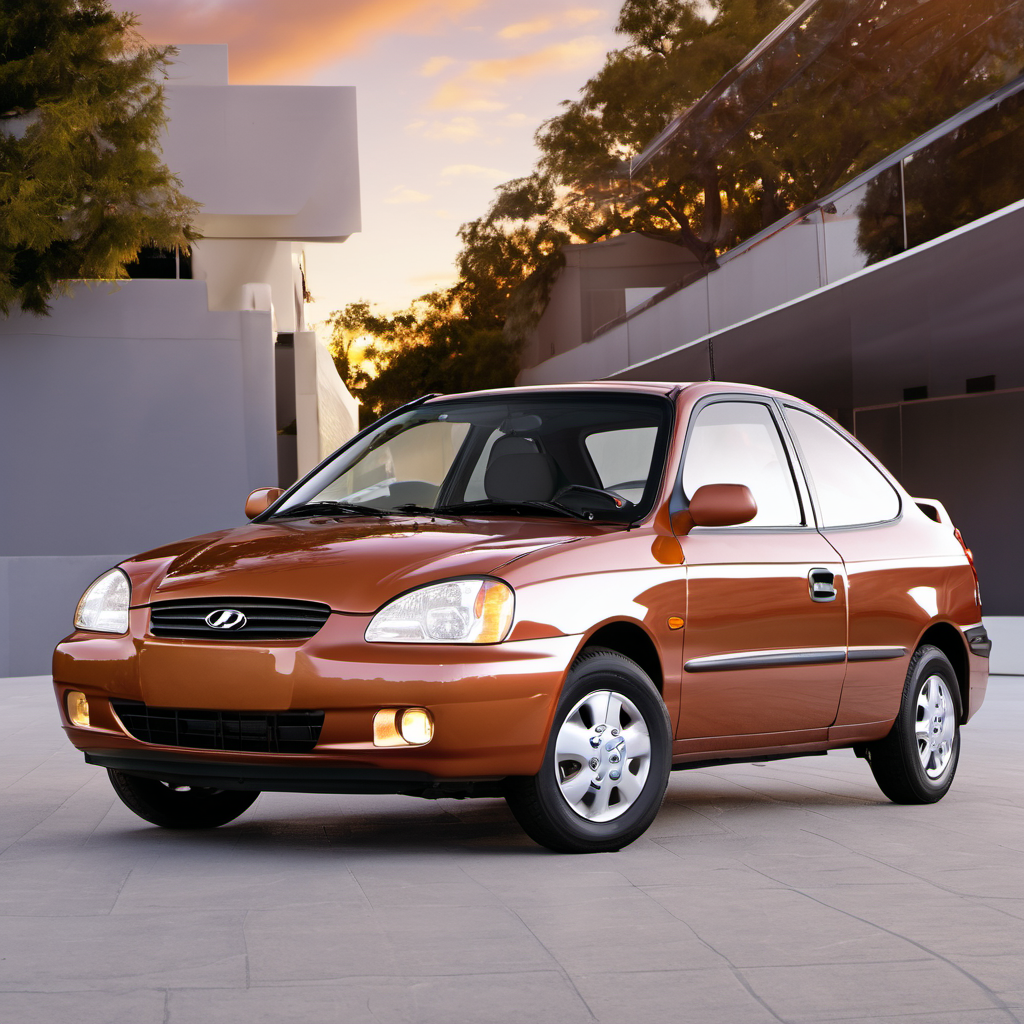
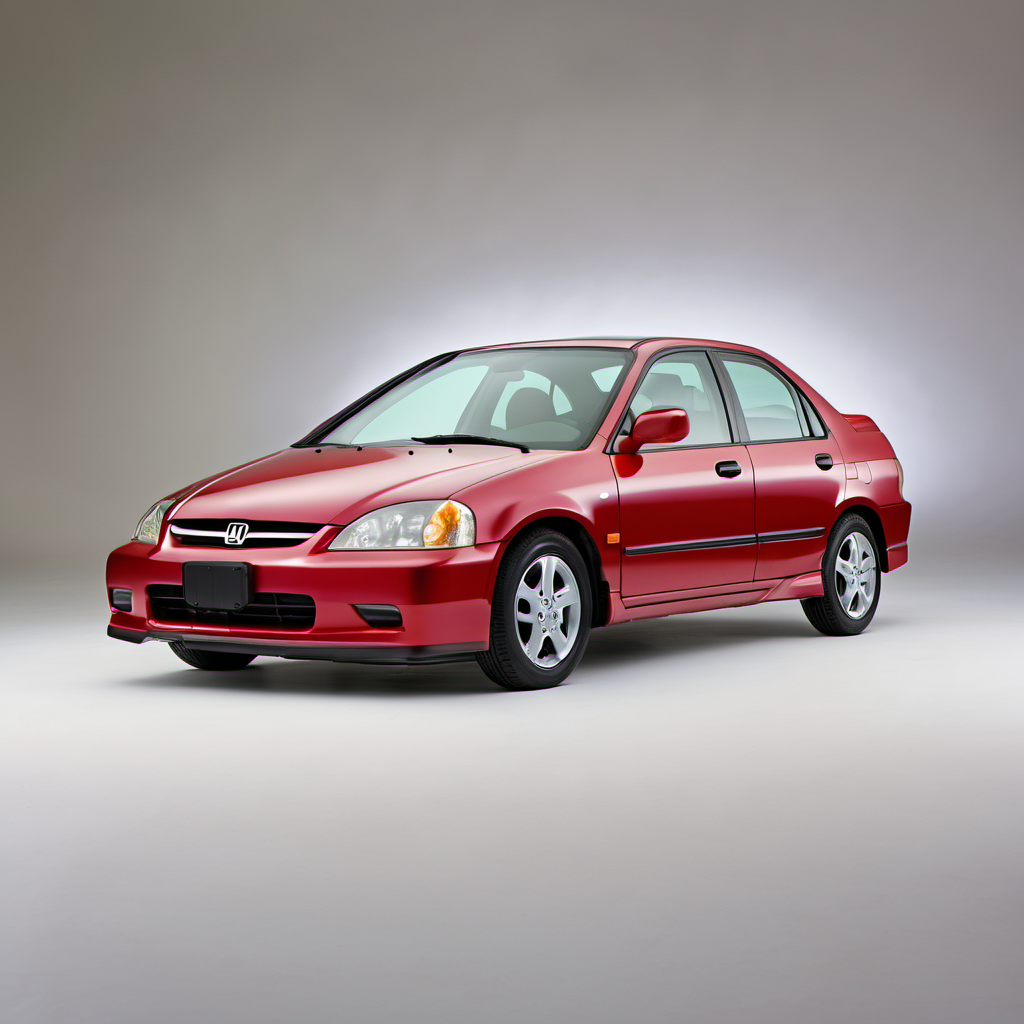
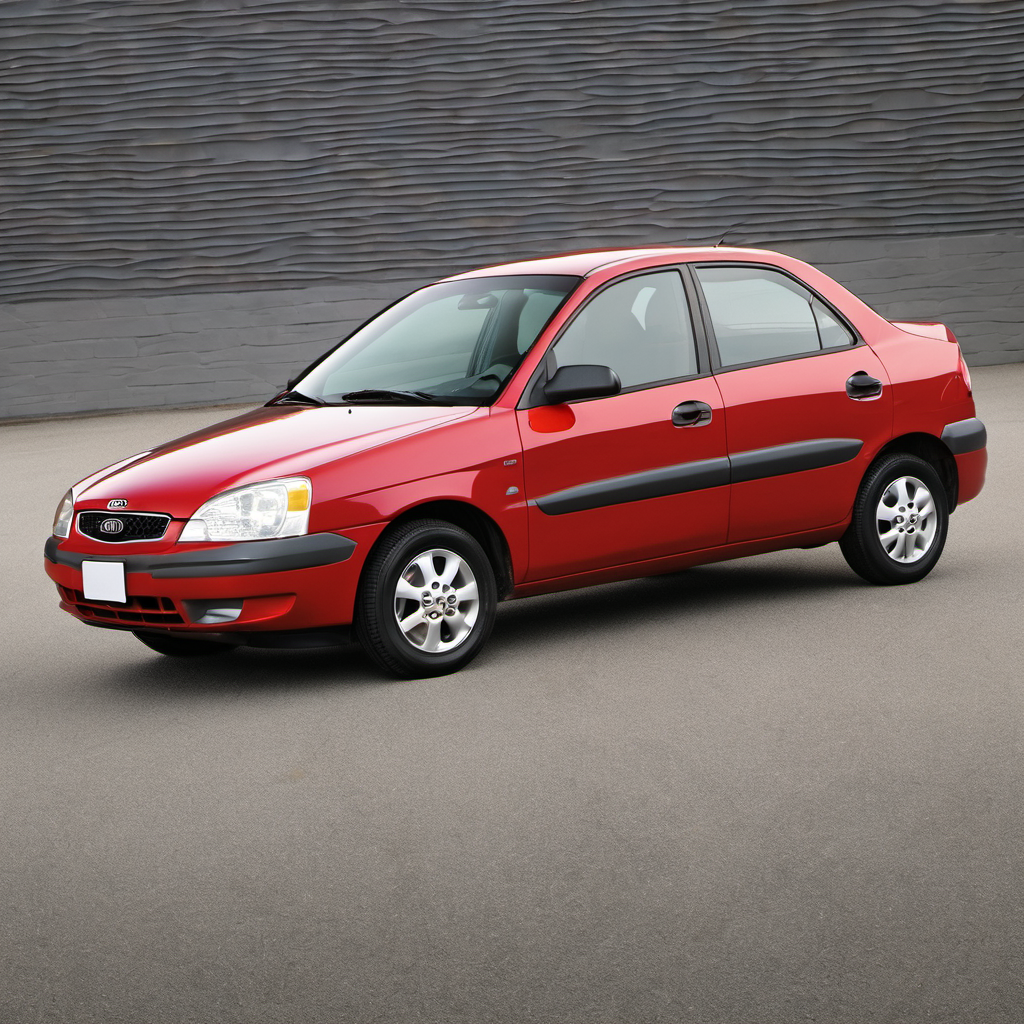
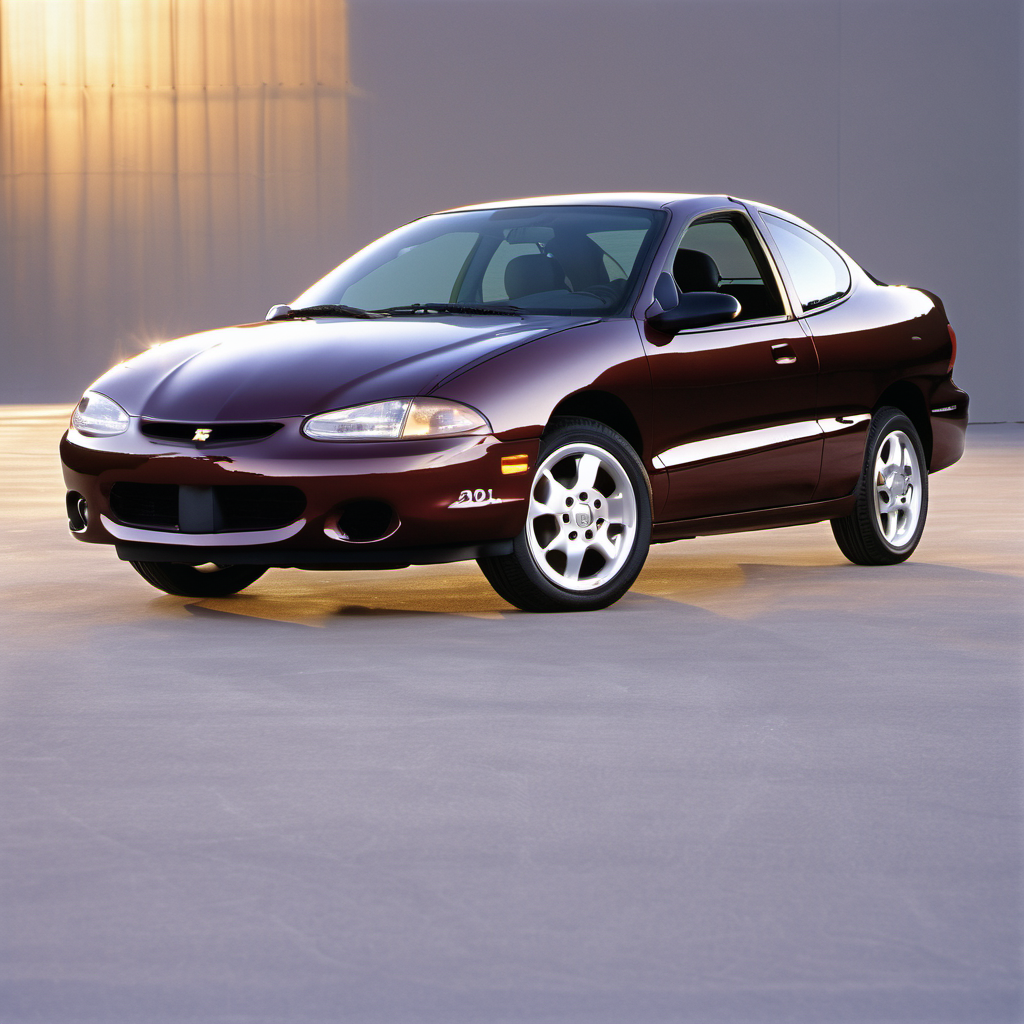
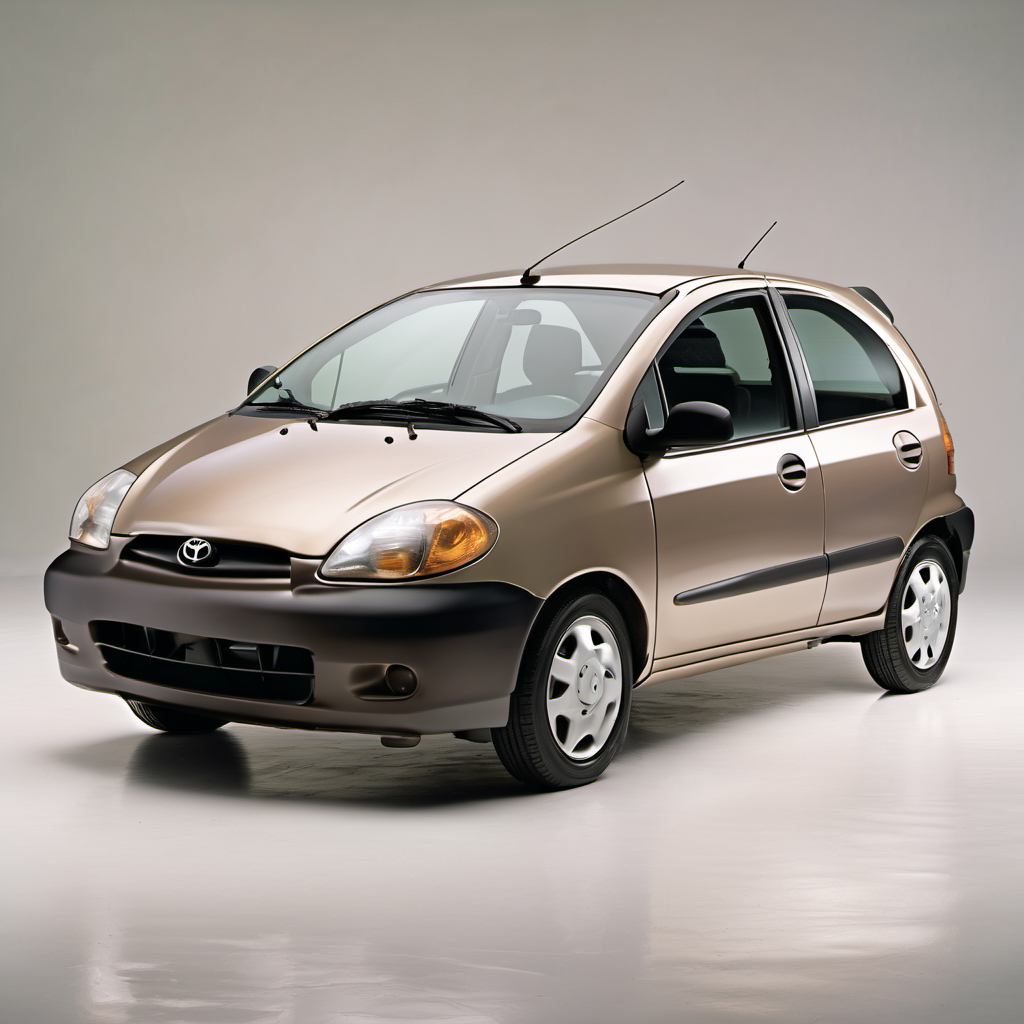
2002 Hyundai Accent Hatchback

2002 Hyundai

AccentHatchback

1.6L I4 · Hatchback

The 2002 Hyundai Accent is a front-wheel-drive subcompact hatchback built during Hyundai's aggressive push into the budget-car market. It offered bare-bones transportation with a small 1.5L or 1.6L four-cylinder engine, a tight but usable cabin, and one of the lowest sticker prices in the segment. Fuel economy was the headline number, and the Accent delivered — though it asked owners to give up refinement, power, and safety features in return. By 2002 Hyundai's build quality had improved compared to the early 1990s, but the Accent was still an entry-level product. Rust resistance, interior durability, and engine longevity all depended heavily on how well the car was maintained and whether it lived in a salt-belt state. In Wisconsin, corrosion is the single biggest threat to a high-mileage Accent's continued life. These cars are now 20+ years old. Any surviving example has either been very well cared for or has significant deferred maintenance. Parts are inexpensive and widely available, and independent shops can service them affordably — but don't underestimate what age and road salt can do to brake lines, fuel lines, and floor pans on a car this light.

Reliability
3/5
Verified data
Engine
1.6L I4
Drivetrain
FWD
Fuel
Gasoline
MPG
28 city / 35 hwy / 31 combined
Seats
5
Doors
3
Body
Hatchback
MSRP
$10,699

Overview

AI-curated

The 2002 Hyundai Accent is a front-wheel-drive subcompact hatchback built during Hyundai's aggressive push into the budget-car market. It offered bare-bones transportation with a small 1.5L or 1.6L four-cylinder engine, a tight but usable cabin, and one of the lowest sticker prices in the segment. Fuel economy was the headline number, and the Accent delivered — though it asked owners to give up refinement, power, and safety features in return. By 2002 Hyundai's build quality had improved compared to the early 1990s, but the Accent was still an entry-level product. Rust resistance, interior durability, and engine longevity all depended heavily on how well the car was maintained and whether it lived in a salt-belt state. In Wisconsin, corrosion is the single biggest threat to a high-mileage Accent's continued life. These cars are now 20+ years old. Any surviving example has either been very well cared for or has significant deferred maintenance. Parts are inexpensive and widely available, and independent shops can service them affordably — but don't underestimate what age and road salt can do to brake lines, fuel lines, and floor pans on a car this light.

Known for
  • Exceptionally low purchase and operating cost
  • Good fuel economy for the era
  • Simple, easy-to-work-on mechanicals
  • Snappy manual gearbox feel
  • Bare-bones interior with minimal electronics to fail
Best for
  • Budget-conscious commuters with short daily drives
  • First-time car owners learning basic maintenance
  • Buyers who want the cheapest reliable A-to-B transportation
  • City drivers who value easy parking and low fuel bills
Watch for
  • Advanced underbody rust on salt-belt cars — check brake and fuel lines carefully
  • Neglected timing belt (interference engine — skipped belt = engine damage)
  • Worn or cracked CV axle boots leading to joint failure
  • Deferred coolant and transmission fluid changes on high-mileage examples
  • Thin body panels that show accident damage and rust easily

Common issues by mileage

6 known

Timing Belt Failure (Interference Engine)

high
Typically appears
60–105k mi
Estimated repair
$250 – $500

CV Axle Boot Cracking / Joint Failure

high
Typically appears
80–150k mi
Estimated repair
$150 – $350

Oxygen Sensor Heater Circuit Failure

medium
Typically appears
80–140k mi
Estimated repair
$100 – $250

Underbody Rust (Brake Lines, Fuel Lines, Floor Pan)

high
Typically appears
80k+ mi (salt-belt vehicles)
Estimated repair
$300 – $1,500

Coolant Hose and Thermostat Deterioration

medium
Typically appears
100–160k mi
Estimated repair
$100 – $300

Power Steering Rack Leaks / Steering Noise

medium
Typically appears
100–160k mi
Estimated repair
$200 – $600

Maintenance schedule

  1. 1
    Every 60,000 miles or 5 years, whichever comes first Timing Belt Replacement

    This is an interference engine — if the belt snaps, pistons hit valves and the engine is destroyed. Replace the water pump at the same time since labor overlaps. If the belt history is unknown on a used purchase, replace it immediately.

  2. 2
    Every 5,000 miles with conventional oil; 7,500 with full synthetic Engine Oil Change

    The 1.6L I4 has tight tolerances. Dirty oil accelerates cam and bearing wear. In cold Wisconsin winters, a 5W-30 or 0W-30 full synthetic is worth the extra cost for faster cold-start lubrication.

  3. 3
    Every 30,000 miles or 3 years Coolant Flush

    Degraded coolant becomes acidic and attacks the aluminum head and water pump. Keep the freeze protection at -34°F or lower for Wisconsin winters.

  4. 4
    Every year, especially after winter Brake Line and Fuel Line Inspection

    Wisconsin road salt aggressively corrodes the unprotected steel lines on this generation Accent. A rusted brake line failure is a safety emergency. Catch it early while it's a repair, not a crisis.

  5. 5
    Every 15,000 miles or at each oil change CV Boot Inspection

    Torn CV boots let grease escape and allow water and grit in. Replacing a boot early ($80–150) beats replacing the entire axle shaft ($200–350).

  6. 6
    Every 30,000 miles Spark Plug Replacement

    Standard copper plugs wear quickly. Fresh plugs maintain fuel economy and cold-start reliability — both matter in a Wisconsin winter.

  7. 7
    Every fall before winter season Battery Load Test

    The Accent's small charging system and the demands of cold-weather starting can expose a marginal battery fast. A battery that passes a summer test can still fail at -10°F. Load-test it every October.

  8. 8
    Annually, before winter Underbody Rust-Proofing / Inspection

    Thin panels and minimal factory undercoating make this car vulnerable. An annual undercarriage inspection and spot treatment of any exposed metal significantly extends the car's viable life in the salt belt.

Always defer to the manufacturer's service manual for warranty-mandated intervals.

Cost of ownership

Annual maintenance
$400 – $900
Fuel
At 31 MPG combined and ~15,000 miles/year, expect roughly $1,400–$1,700/year at current Midwest gas prices. One of the cheapest non-hybrid cars to fuel.
Insurance
Among the lowest in its class due to low vehicle value and low repair costs. Expect $600–$1,000/year for full coverage depending on driver profile, dropping significantly if you carry liability only on an older example.

Total annual cost of ownership is very low — that's the Accent's strongest selling point. Routine maintenance is cheap because parts are inexpensive and labor time is short on a simple 4-cylinder. The wild card is rust repair: a single bad brake line or severely corroded floor pan can cost more than the car is worth. Catch corrosion early and this remains one of the most affordable cars to operate.
Seasonal care

Lake Geneva, WI
Winter
  • Load-test the battery every October — cold cranking demands expose a weak battery fast, and this car's small alternator doesn't recover quickly from repeated cold starts.
  • Switch to a full synthetic 0W-30 or 5W-30 oil before temperatures drop below 20°F for reliable cold-start lubrication.
  • Verify coolant freeze protection is at -34°F or lower; the small cooling system is unforgiving of diluted antifreeze.
  • Flush and refill the washer fluid reservoir with -20°F or colder rated fluid — the reservoir cap and lines are exposed and will freeze with summer fluid.
  • Install winter wiper blades; the lightweight hood makes the standard blades prone to chattering and streaking in snow and ice.
  • Rinse the underbody monthly at a coin-op car wash — road salt accumulation accelerates the already-vulnerable brake and fuel line corrosion on these cars.
Summer
  • Check tire pressure at every other fill-up — the compact tires on the Accent lose pressure faster in heat, and under-inflation hurts the already-modest fuel economy.
  • Inspect the A/C refrigerant charge and cabin air filter before the first hot spell; the small compressor works hard in heat and struggles if undercharged.
  • Monitor coolant temperature on hot days with the A/C running — the Accent's small radiator and fan can struggle in stop-and-go traffic above 90°F.
  • Inspect rubber coolant hoses for softness or swelling; summer heat accelerates hose deterioration on a 20-year-old car.

Comparable vehicles

If you're shopping for one

Red flags
  • No timing belt history and high mileage — walk away or demand a significant price reduction to cover immediate replacement.
  • Rust-perforated brake or fuel lines — this is a safety issue that may cost more to fix than the car is worth.
  • Any visible floor pan rust-through — structural and very expensive to repair properly.
  • Overheating history or white exhaust smoke — head gasket issues on the 1.6L are expensive relative to the car's value.
  • Mismatched body panels or poor-quality paint repairs suggesting hidden accident damage on the thin unibody.
What to inspect
  • Crawl under the car and look at every inch of the brake lines and fuel lines for rust perforation — non-negotiable safety check on any Wisconsin-area example.
  • Pull up the floor mats and press on the floor pan carpet; soft spots mean rust-through underneath.
  • Ask for the timing belt replacement record. If unknown or overdue, budget $250–$500 for immediate replacement and walk away if the seller inflates the asking price to compensate.
  • Check CV axle boots for tears and grease sling on the inside of the wheel well.
  • Start the engine cold and listen for ticking or rattling from the top end — oil sludge or worn cam followers are common on neglected examples.
  • Inspect all four corners for rust bubbles along the wheel arches, rocker panels, and lower door skins.
AI profile generated 12 days ago · claude-sonnet-4-6 · v2.