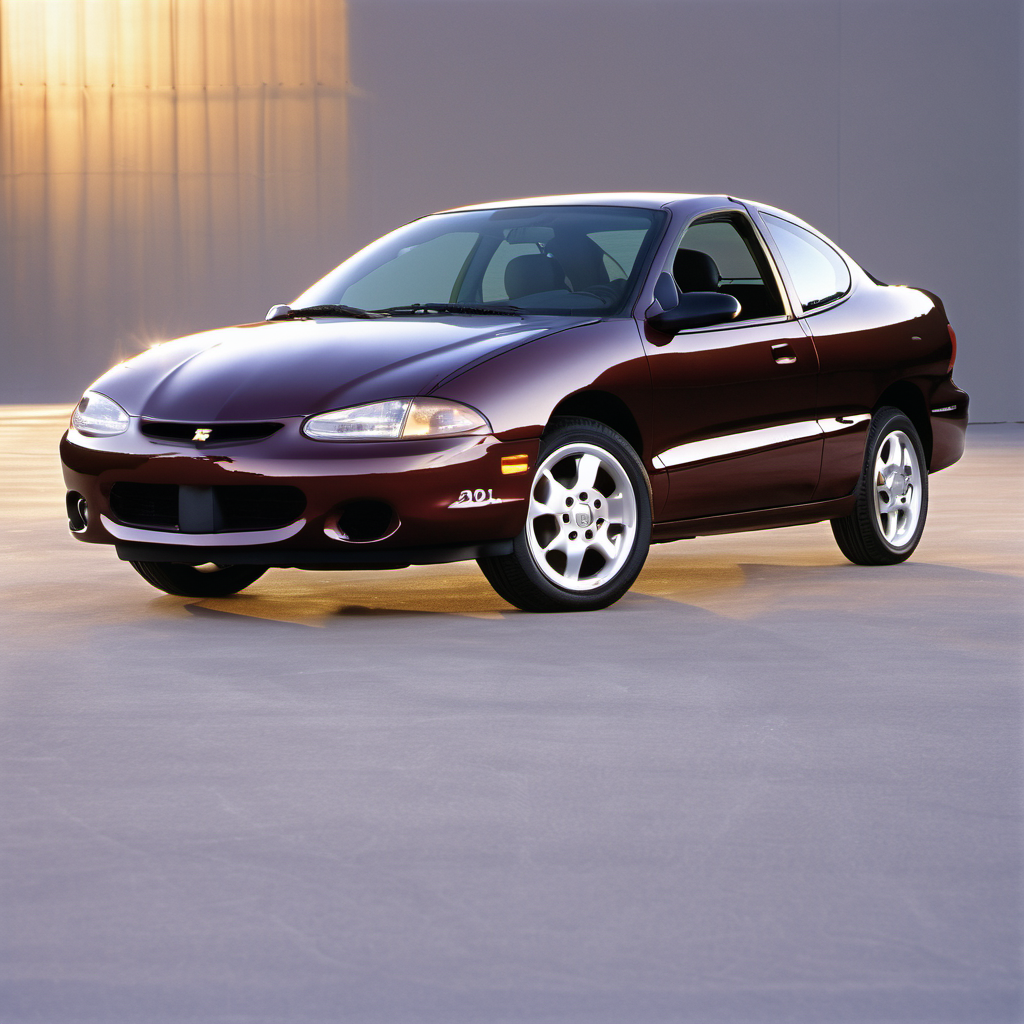
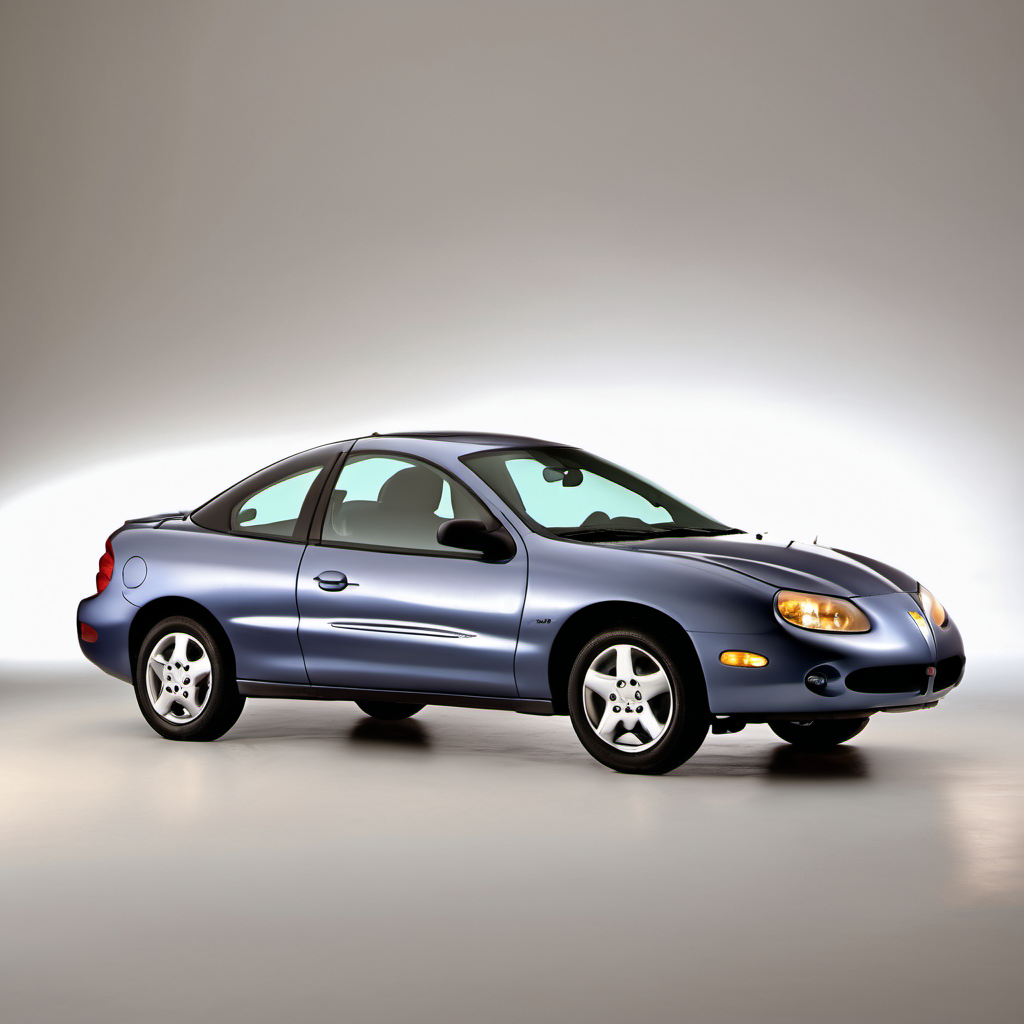
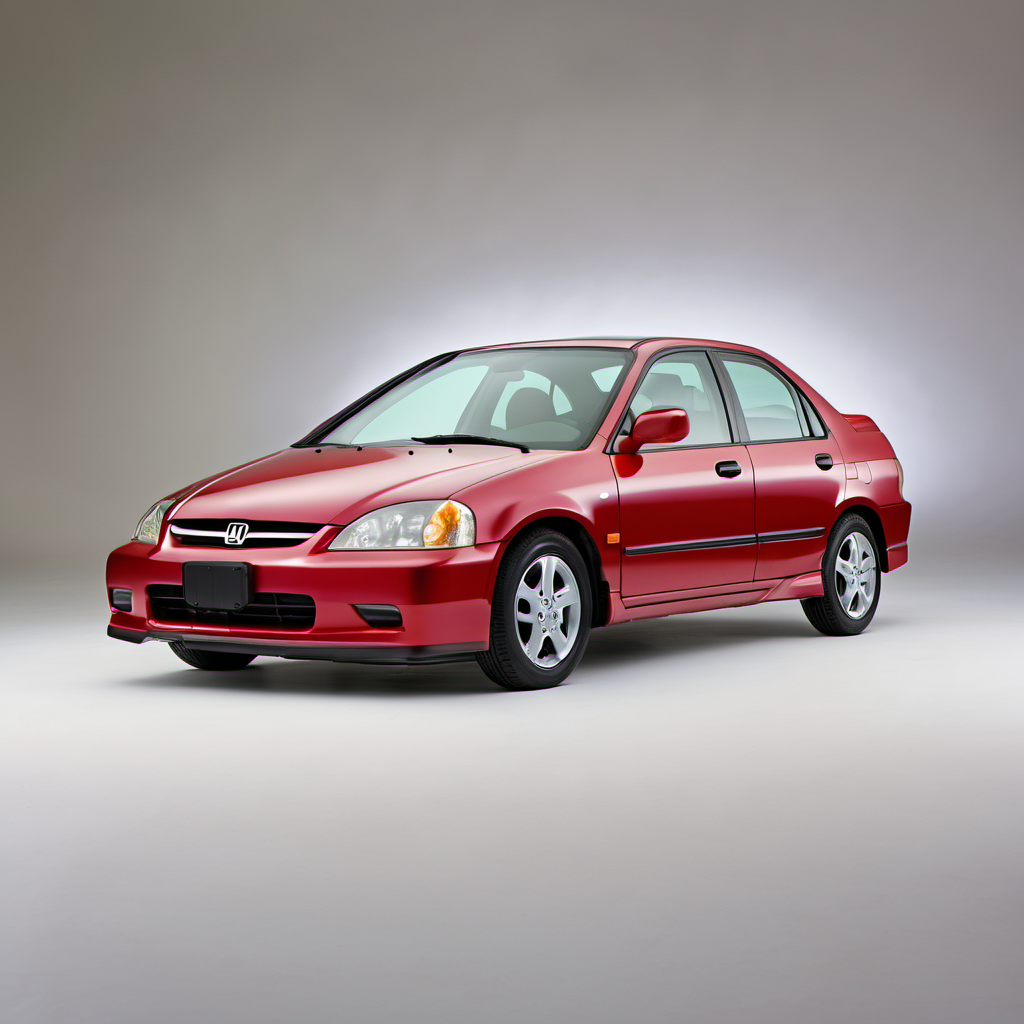
2002 Chevrolet Cavalier Sedan

2002 Chevrolet

CavalierSedan

Sedan

The 2002 Chevrolet Cavalier is a front-wheel-drive compact sedan that was GM's bread-and-butter economy car through the late 1980s and into the mid-2000s. By 2002 it was near the end of its production life — the platform was aging, but the car was cheap to buy, cheap to insure, and got reasonable fuel economy. That made it a popular choice for first-time buyers, commuters, and fleet use. Under the hood sits the 2.2L pushrod four-cylinder — simple, proven, and reasonably durable if basic maintenance is kept up. The biggest liabilities are rust (especially in salt-belt states like Wisconsin), a budget interior that doesn't age gracefully, and a suspension that was never more than adequate. Parts are widely available and inexpensive. At 20+ years old, virtually every 2002 Cavalier on the road today is a high-mileage survivor. The question isn't whether the car is capable of lasting — it's whether this particular example was maintained and how badly rust has eaten into the underbody. Budget accordingly.

Reliability
2/5
Verified data
Specs shown for Cavalier — the most common configuration. Other trims may vary in engine, drivetrain, or fuel economy. Sign in to see your vehicle's exact specs.
Engine
[object Object]
Drivetrain
FWD
Fuel
Gasoline
MPG
21 city / 30 hwy / 24 combined
Seats
Doors
Body
Compact Cars

Overview

AI-curated

The 2002 Chevrolet Cavalier is a front-wheel-drive compact sedan that was GM's bread-and-butter economy car through the late 1980s and into the mid-2000s. By 2002 it was near the end of its production life — the platform was aging, but the car was cheap to buy, cheap to insure, and got reasonable fuel economy. That made it a popular choice for first-time buyers, commuters, and fleet use. Under the hood sits the 2.2L pushrod four-cylinder — simple, proven, and reasonably durable if basic maintenance is kept up. The biggest liabilities are rust (especially in salt-belt states like Wisconsin), a budget interior that doesn't age gracefully, and a suspension that was never more than adequate. Parts are widely available and inexpensive. At 20+ years old, virtually every 2002 Cavalier on the road today is a high-mileage survivor. The question isn't whether the car is capable of lasting — it's whether this particular example was maintained and how badly rust has eaten into the underbody. Budget accordingly.

Known for
  • Very low purchase price and affordable parts
  • Simple 2.2L pushrod engine that's easy to work on
  • Good fuel economy for a 2002 economy car
  • High sales volume — parts are everywhere
Best for
  • Budget commuters needing basic A-to-B transportation
  • Buyers who can do their own maintenance
  • Short-term or secondary vehicle use
  • Very low-mileage local driving
Watch for
  • Severe underbody and frame rail rust — critical in Wisconsin
  • Aging interior plastics and electrical connectors
  • Worn or collapsed struts and control arm bushings at this age
  • Intake manifold gasket failure on the 2.2L
  • Deferred maintenance is common on budget cars — always pull service history

Common issues by mileage

6 known

Intake manifold gasket failure

high
Typically appears
70–130k mi
Estimated repair
$250 – $500

Strut and control arm bushing wear

high
Typically appears
80k+ mi
Estimated repair
$300 – $700

Oxygen sensor failure (upstream/downstream)

medium
Typically appears
80–150k mi
Estimated repair
$150 – $300

Underbody and subframe corrosion (rust)

high
Typically appears
Any mileage — age-driven in salt-belt states
Estimated repair
$0 – $3,000

Cooling system leaks (water pump, hoses, thermostat)

medium
Typically appears
90–150k mi
Estimated repair
$150 – $500

Electrical connector corrosion and intermittent faults

medium
Typically appears
100k+ mi
Estimated repair
$100 – $600

Maintenance schedule

  1. 1
    Every 5,000 miles or 6 months Engine oil and filter change

    The 2.2L OHV runs conventional oil well; don't stretch intervals on an aging engine — sludge accelerates wear on valvetrain components.

  2. 2
    Every 2–3 years or 30,000 miles Coolant flush

    Degraded coolant is corrosive and contributes to intake gasket and water pump failure. Use the correct DEX-COOL or compatible coolant.

  3. 3
    Every 60,000 miles or at first sign of cracking Inspect and replace serpentine belt

    A snapped belt disables alternator, power steering, and water pump simultaneously — cheap insurance on a high-mileage car.

  4. 4
    Annually — every fall before winter Inspect brake lines and fuel lines for rust

    Wisconsin road salt attacks steel lines aggressively. Rusted brake lines are a safety emergency. Catch them before they fail.

  5. 5
    Every 30,000 miles or annually Inspect CV axle boots and joints

    Torn boots let grease escape and dirt in — a $50 boot repair avoids a $300–500 CV axle replacement.

  6. 6
    Every 30,000 miles Spark plugs and wires

    The 2.2L OHV uses conventional spark plugs. Fresh plugs and wires maintain fuel economy and smooth idle.

  7. 7
    Every fall before winter Battery load test

    Cold cranking on a sub-zero Wisconsin morning exposes a weak battery immediately. Any battery over 4 years old should be tested.

  8. 8
    Every 2–3 years Flush and inspect brake fluid

    Brake fluid absorbs moisture over time, lowering its boiling point and promoting internal corrosion in calipers and wheel cylinders.

Always defer to the manufacturer's service manual for warranty-mandated intervals.

Cost of ownership

Annual maintenance
$600 – $1,800
Fuel
At 24 MPG combined and typical Wisconsin driving, expect roughly $1,400–$1,800/year at current gas prices for an average-mileage driver.
Insurance
Insurance is one of the Cavalier's strengths — expect among the lowest premiums in any segment, typically $600–$900/year for full coverage on a 2002 model.

The Cavalier is cheap to own if it's clean and maintained. Parts and labor are inexpensive, and insurance is minimal. The financial risk is on the rust and deferred-maintenance side — a single major repair (subframe corrosion, transmission, head gasket) can easily exceed the car's market value. Keep a repair-vs.-value calculation in mind on any job over $500.
Seasonal care

Lake Geneva, WI
Winter
  • Test the battery every fall — a marginal battery that starts fine in October will strand you in January at -10°F.
  • Switch to a winter-grade windshield washer fluid rated to at least -20°F; the 2.2L's hood sits low and road spray hits the windshield constantly.
  • Inspect and replace wiper blades before first snowfall — use winter-style blades to prevent ice buildup in the arm assembly.
  • Rinse the undercarriage weekly during salting season — pay attention to the subframe, frame rails, and brake line routing where rust hides.
  • Verify the coolant freeze protection is good to at least -34°F; check with an inexpensive antifreeze tester strip.
  • Check tire tread depth before winter — the Cavalier's modest weight and FWD layout mean worn tires become dangerous quickly on ice.
Summer
  • Check tire pressure monthly — hot pavement causes pressure to rise; overinflated tires reduce traction and wear unevenly.
  • Inspect the A/C system for refrigerant leaks; the Cavalier's A/C is adequate but the aging hoses and seals are prone to slow leaks on a 20+ year-old car.
  • Watch the temperature gauge during stop-and-go traffic — a marginal cooling system that holds up on the highway can overheat sitting in traffic on a 90°F day.
  • Inspect rubber coolant hoses for swelling, cracking, or soft spots — heat accelerates rubber degradation.

Comparable vehicles

If you're shopping for one

Red flags
  • Visible rust holes, bubbling paint on rocker panels, or soft spots when pressing on the floor — walk away.
  • Any sign of overheating history (white residue at coolant reservoir cap, milky oil on dipstick) — possible head gasket damage.
  • Check engine light on or recently cleared codes — insist on a pre-purchase OBD-II scan.
  • Missing service records entirely on a high-mileage example — assume nothing was done.
  • Soft or spongy brake pedal — could indicate rusted or leaking brake lines, a serious safety issue.
What to inspect
  • Lift the car and inspect the subframe, frame rails, and brake/fuel lines for rust — this is the most important check on any Wisconsin Cavalier.
  • Check the intake manifold area for coolant seepage or white residue — intake gasket leaks are common and can cause overheating.
  • Test all electrical accessories — power windows, locks, and dash gauges; aging connectors cause intermittent failures that are annoying to diagnose.
  • Look for oil leaks at the valve cover gasket and front crankshaft seal.
  • Drive it on the highway — listen for CV joint clicking on full-lock turns and vibration that could indicate worn struts or wheel bearing issues.
  • Pull a free CARFAX or AutoCheck report and verify it wasn't a rental or fleet vehicle — these see deferred maintenance routinely.
AI profile generated 16 days ago · claude-sonnet-4-6 · v2.