Timing Belt Service Overdue
high- Typically appears
- 90–105k mi (and every 105k thereafter)
- Estimated repair
- $350 – $600
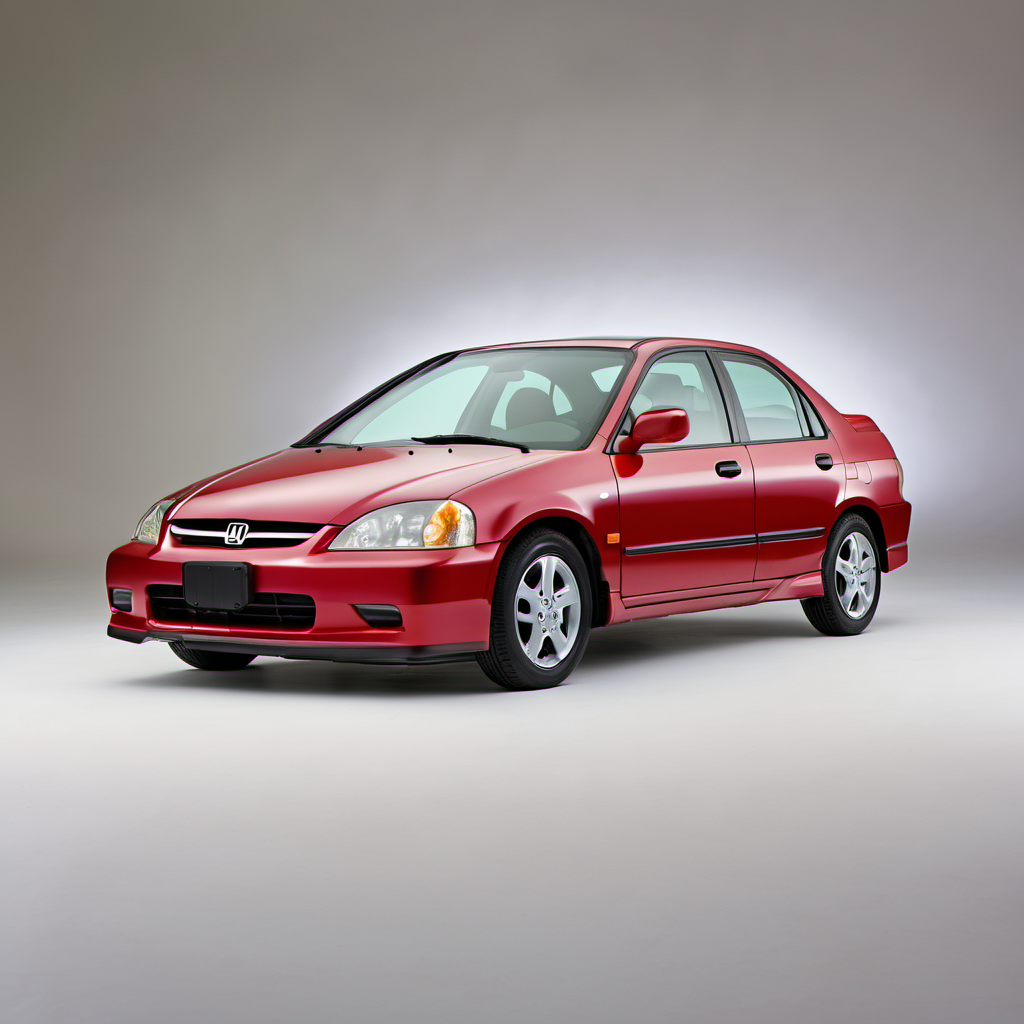
2002 Honda
1.7L I4 · Sedan
The 2002 Honda Civic is part of the seventh-generation Civic lineup (2001–2005), one of Honda's most celebrated redesigns. It arrived with a stiffer body, a more refined cabin, and improved fuel economy while keeping the Civic's reputation for bulletproof reliability intact. The 7th-gen Civic quickly became one of the best-selling compact cars in the country, and for good reason — well-maintained examples routinely reach 200,000–250,000 miles without major mechanical drama. The base DX and LX trims carry the 1.7L D17A1 engine, a naturally aspirated four-cylinder rated at 115 hp. It's not a fast car, but it's smooth, economical, and remarkably durable. The five-speed manual is one of the best-feeling gearboxes in its class. Even the automatic holds up well over time with regular fluid changes. At 20+ years old, nearly every 2002 Civic on the market has high miles and an unknown service history. Rust is the number-one killer of this generation in Wisconsin — inspect the subframe, rear wheel wells, and floor pans closely before buying. Mechanically, these engines and transmissions outlast the body by a wide margin.
The 2002 Honda Civic is part of the seventh-generation Civic lineup (2001–2005), one of Honda's most celebrated redesigns. It arrived with a stiffer body, a more refined cabin, and improved fuel economy while keeping the Civic's reputation for bulletproof reliability intact. The 7th-gen Civic quickly became one of the best-selling compact cars in the country, and for good reason — well-maintained examples routinely reach 200,000–250,000 miles without major mechanical drama. The base DX and LX trims carry the 1.7L D17A1 engine, a naturally aspirated four-cylinder rated at 115 hp. It's not a fast car, but it's smooth, economical, and remarkably durable. The five-speed manual is one of the best-feeling gearboxes in its class. Even the automatic holds up well over time with regular fluid changes. At 20+ years old, nearly every 2002 Civic on the market has high miles and an unknown service history. Rust is the number-one killer of this generation in Wisconsin — inspect the subframe, rear wheel wells, and floor pans closely before buying. Mechanically, these engines and transmissions outlast the body by a wide margin.
The D17 engine's VTEC system relies on clean oil at the correct pressure. Neglect here is the root cause of most VTEC solenoid and spool valve problems.
This is an interference engine. A broken belt means a destroyed engine. If history is unknown, replace it regardless of mileage.
Honda's ATF degrades faster than many owners realize. Regular changes are the single best way to extend automatic transmission life on this car.
The original blue coolant has a 5-year service life. Mixing coolant types causes silicate precipitation and clogs the heater core — critical for Wisconsin winters.
Cold cranking amps drop sharply below 0°F. A marginal battery that starts fine in October will often fail in January in Lake Geneva.
Brake lines on 7th-gen Civics rust through in salt-belt climates. A visual inspection each fall catches developing problems before they become a roadside emergency.
Worn plugs on the D17 cause rough idle and reduced fuel economy. At 20+ years old, verify the plugs have been changed at least once.
Road salt is the primary cause of frame-out on Wisconsin Civics. Annual undercoating and early rust treatment dramatically extend the car's usable life.
Always defer to the manufacturer's service manual for warranty-mandated intervals.
The 2002 Civic is one of the cheapest reliable cars to own. Parts are inexpensive and universally available. Routine maintenance — oil, brakes, tires, filters — runs $400–$900/year. Budget an extra $350–$600 for timing belt service when due. The main wildcard at this age is rust repair, which can range from cosmetic to catastrophic depending on the car's history. A rust-free example is genuinely inexpensive to keep on the road.
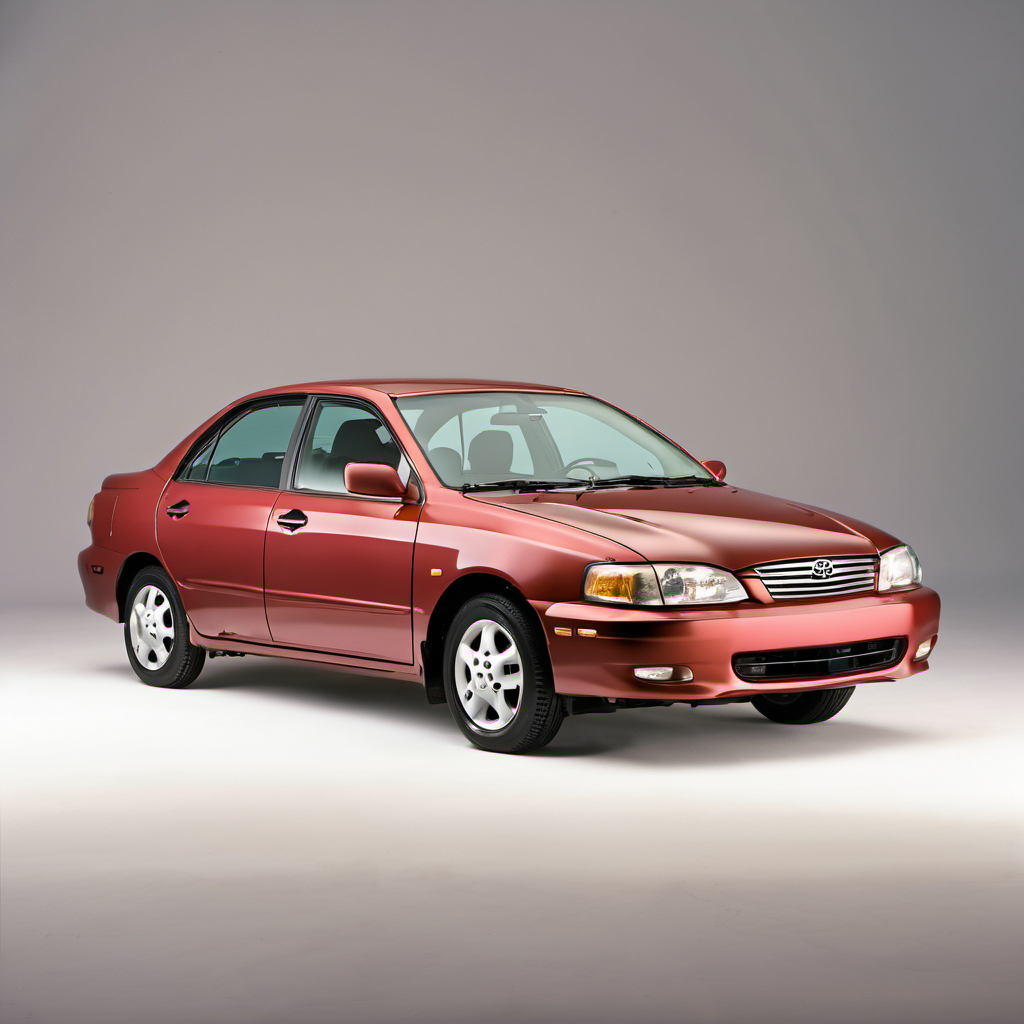
Same class, same price point, same reputation for high-mileage reliability. The Corolla is slightly roomier; the Civic has a better driving feel and marginally better fuel economy.
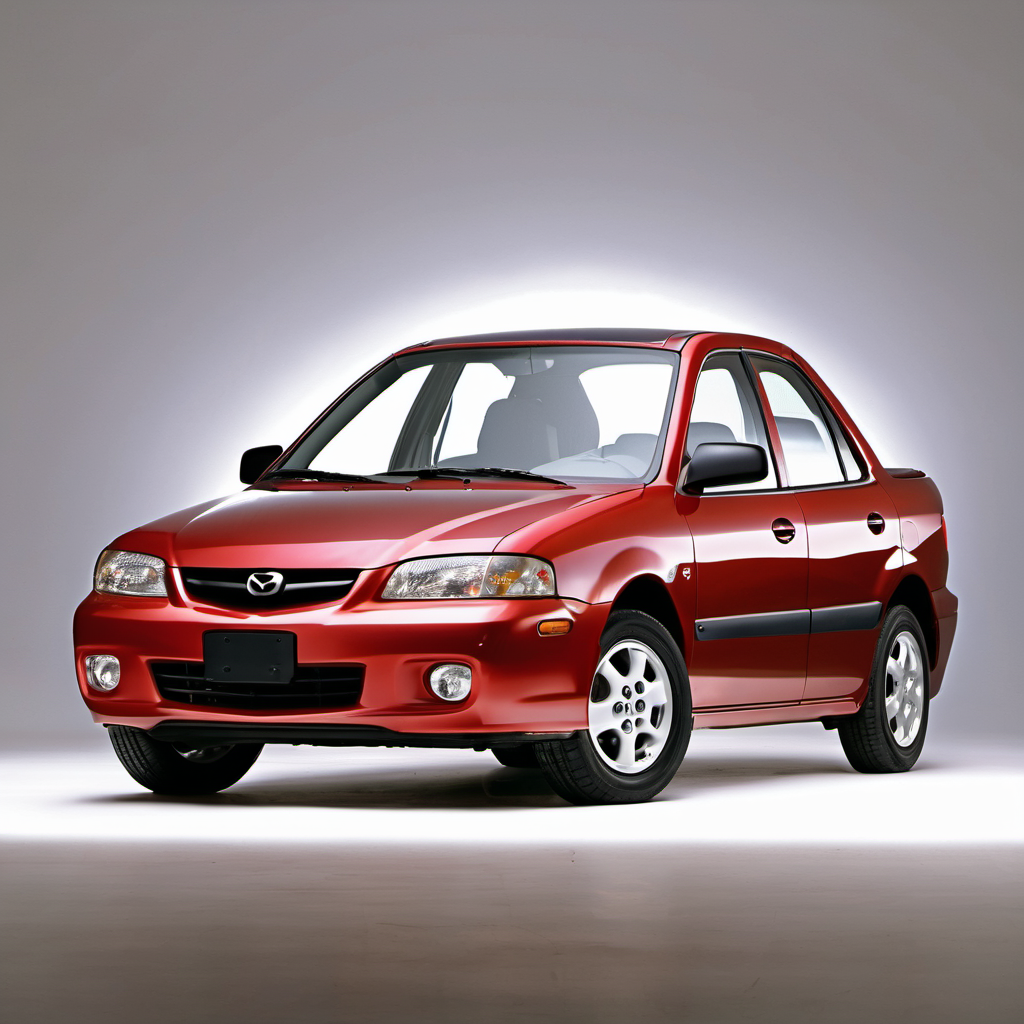
Competitive compact sedan with a fun-to-drive character similar to the Civic. Less common, so parts take more hunting, but usually priced lower than a comparable Civic.
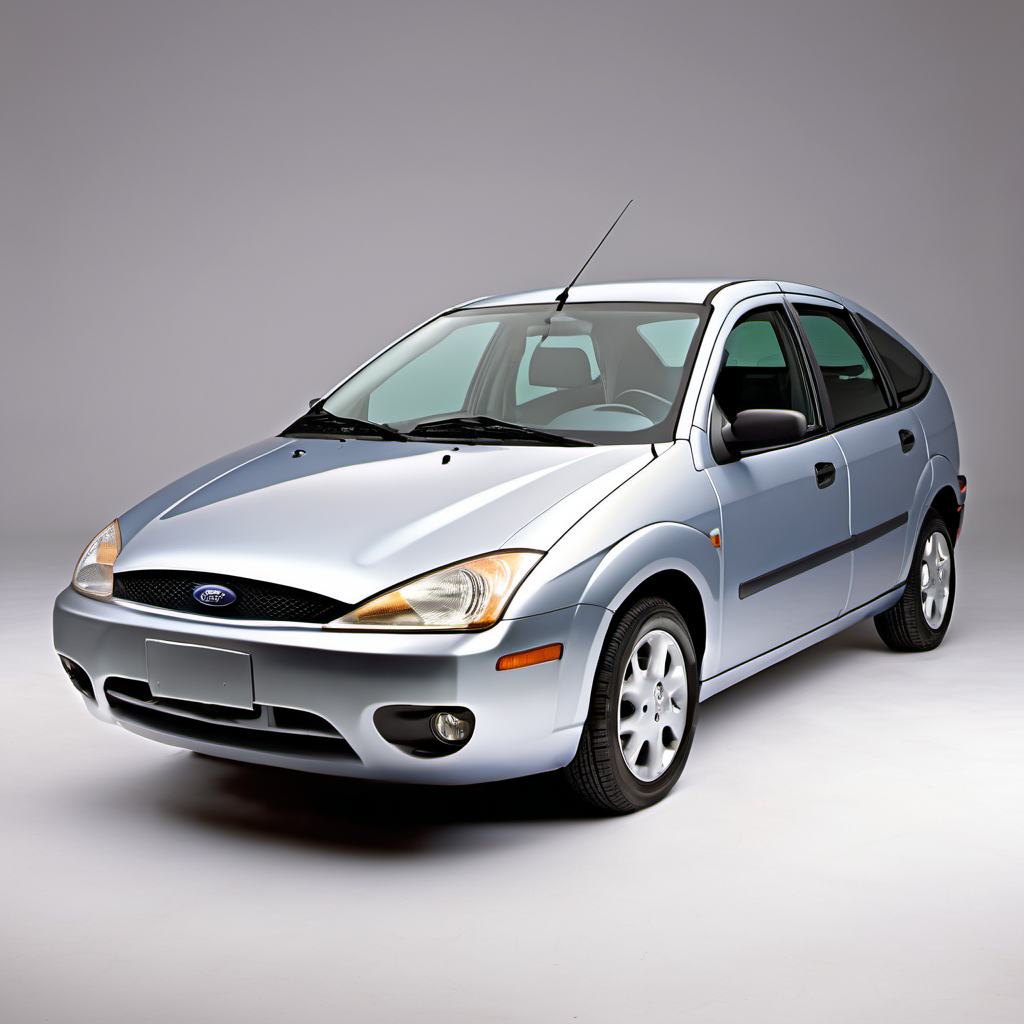
Larger cabin and lower purchase price, but significantly lower long-term reliability than the Civic. A reasonable alternative if budget is the priority over longevity.
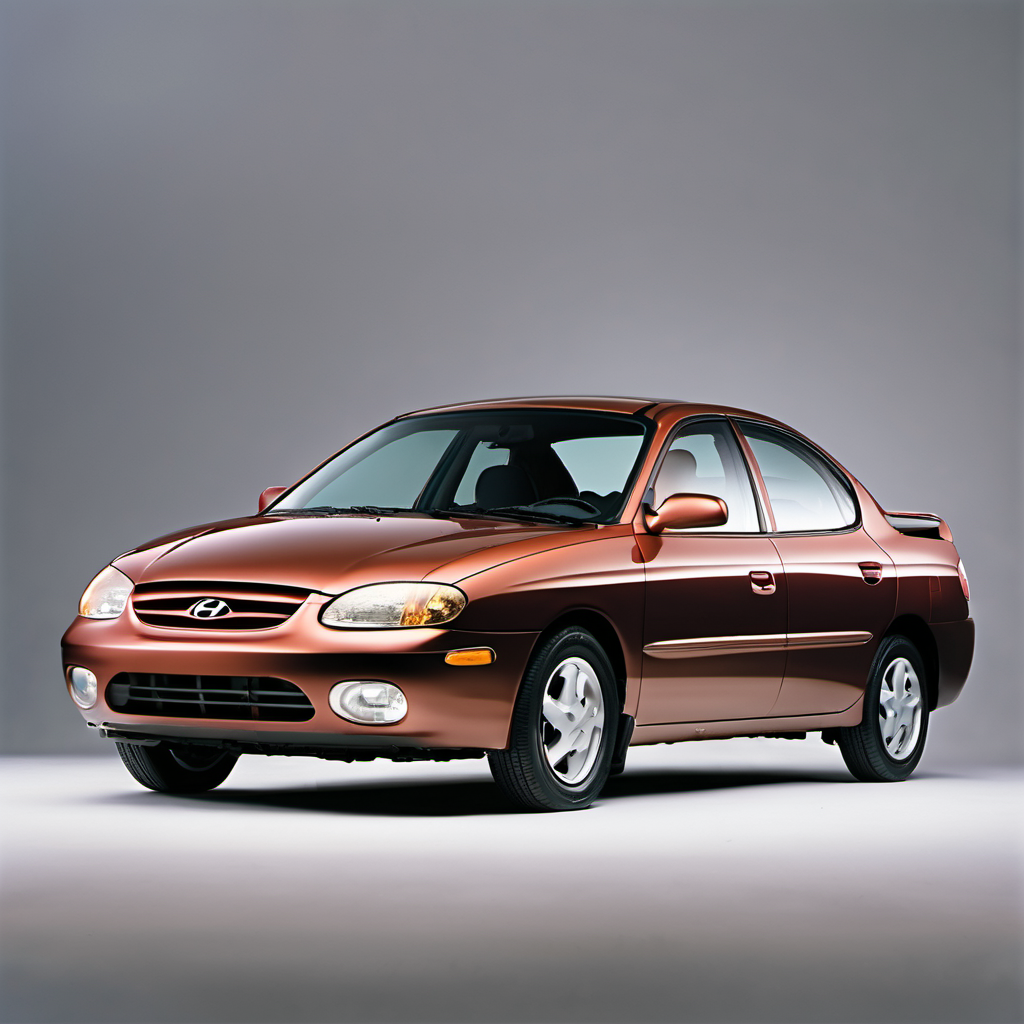
Roomier for the money and similarly priced on the used market, but this generation Elantra doesn't approach the Civic's long-term durability. Consider if mileage goals are under 150k.