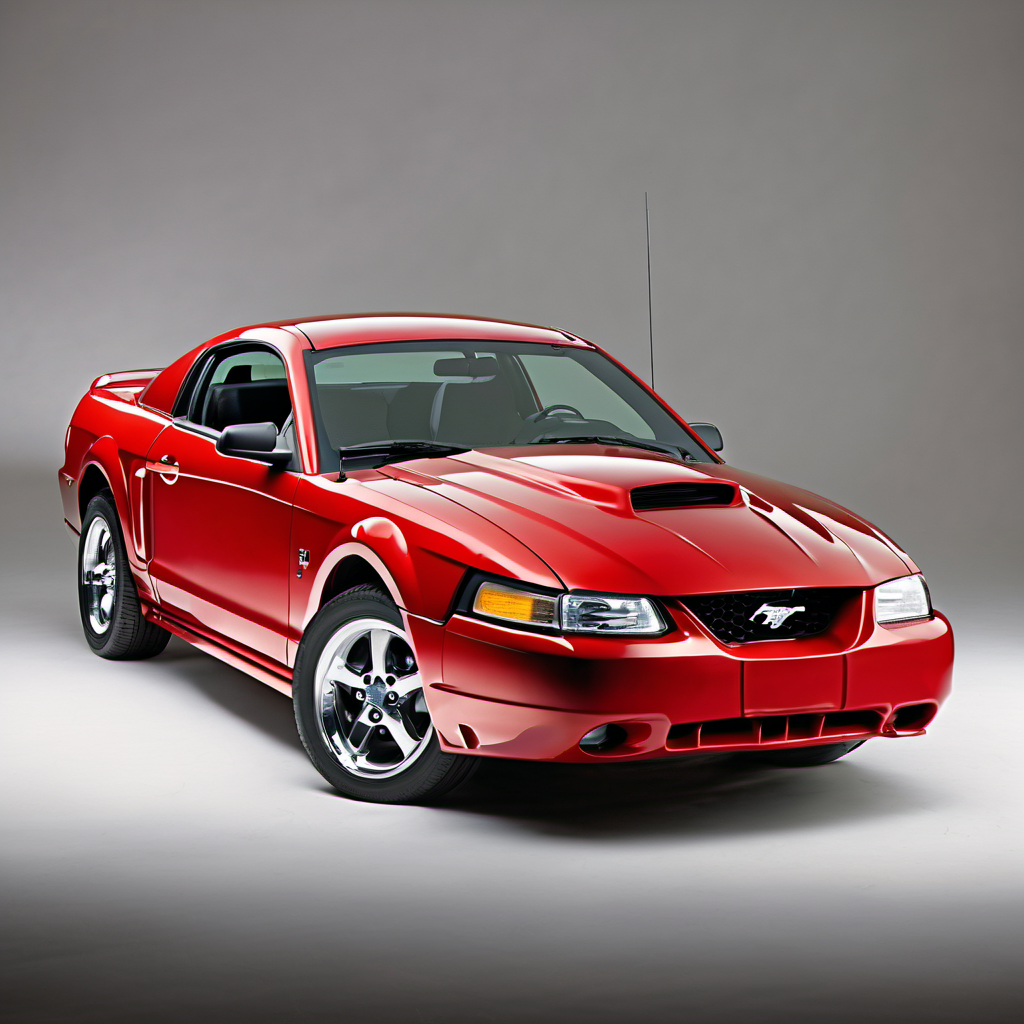
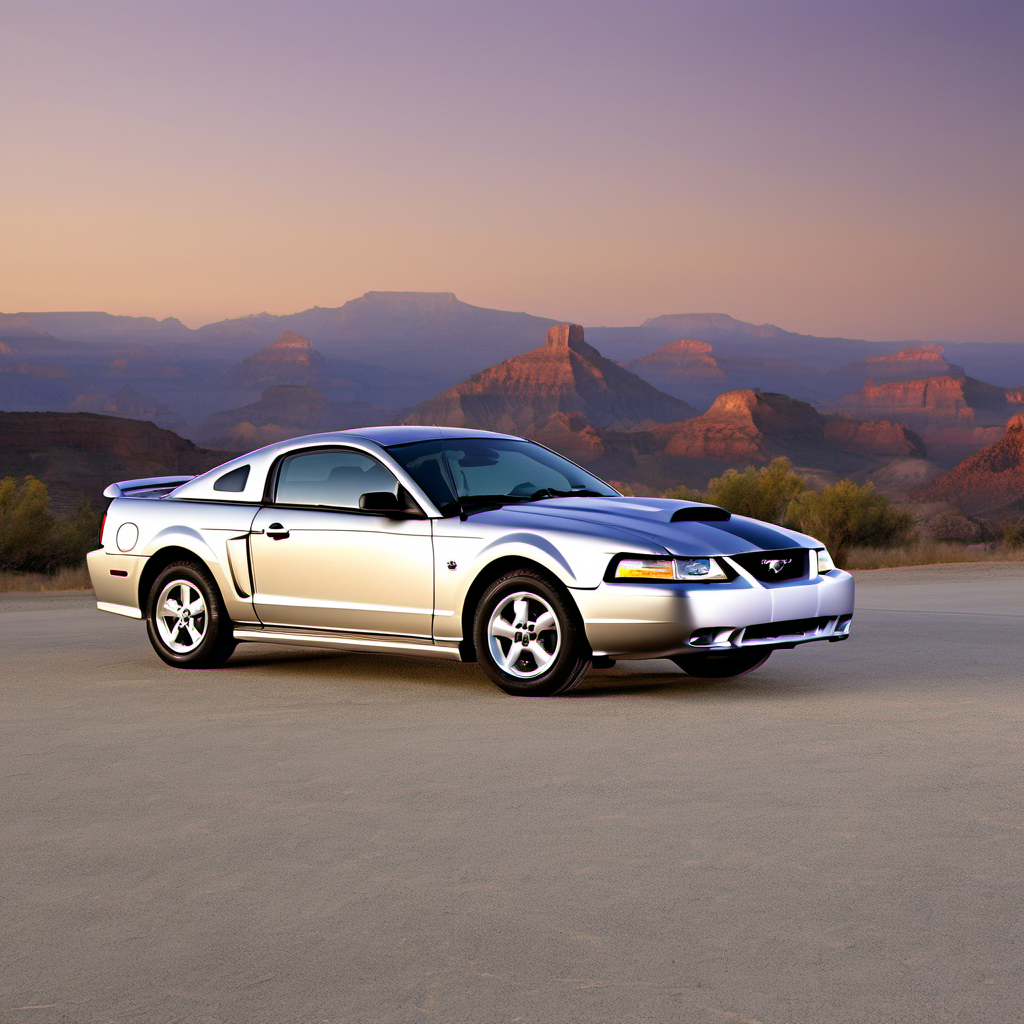
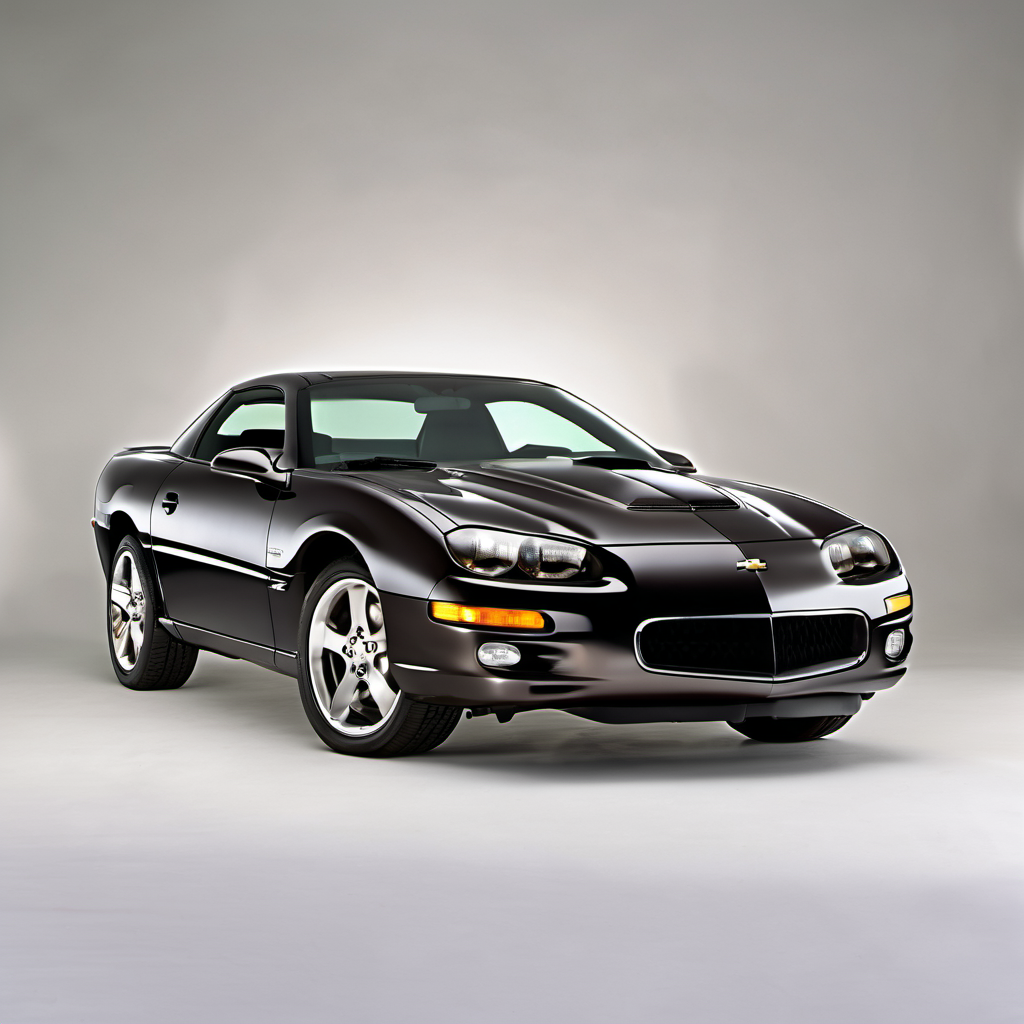
2002 Ford Mustang Coupe

2002 Ford

MustangCoupe

Coupe

The 2002 Ford Mustang Coupe is a fourth-generation (SN95) pony car carrying on one of America's most iconic nameplates. This model year sits near the end of the SN95 run before the 2005 redesign, sharing its platform with the Fox-body era's bones but dressed in a more rounded 'New Edge' body style introduced in 1999. The base coupe comes powered by Ford's 3.8L Essex V6, which is a budget-friendly entry point into the Mustang world — respectable torque for everyday driving but not a performance showcase. At 20+ years old, these cars are now firmly in the used/collector market. Rust, deferred maintenance, and hard driving are the biggest concerns. Parts are plentiful and cheap, and the independent aftermarket is enormous, which keeps repair costs manageable at an independent shop. Just about any mechanic familiar with domestic vehicles can work on one competently. This is a two-door RWD coupe — fun in summer, a handful in a Lake Geneva winter. If this is a daily driver, budget for winter tires or a second set of wheels, and be thoughtful about road salt exposure on a 20-plus-year-old chassis.

Reliability
3/5
Verified data
Specs shown for Mustang — the most common configuration. Other trims may vary in engine, drivetrain, or fuel economy. Sign in to see your vehicle's exact specs.
Engine
[object Object]
Drivetrain
RWD
Fuel
Gasoline
MPG
17 city / 25 hwy / 20 combined
Seats
Doors
Body
Subcompact Cars

Overview

AI-curated

The 2002 Ford Mustang Coupe is a fourth-generation (SN95) pony car carrying on one of America's most iconic nameplates. This model year sits near the end of the SN95 run before the 2005 redesign, sharing its platform with the Fox-body era's bones but dressed in a more rounded 'New Edge' body style introduced in 1999. The base coupe comes powered by Ford's 3.8L Essex V6, which is a budget-friendly entry point into the Mustang world — respectable torque for everyday driving but not a performance showcase. At 20+ years old, these cars are now firmly in the used/collector market. Rust, deferred maintenance, and hard driving are the biggest concerns. Parts are plentiful and cheap, and the independent aftermarket is enormous, which keeps repair costs manageable at an independent shop. Just about any mechanic familiar with domestic vehicles can work on one competently. This is a two-door RWD coupe — fun in summer, a handful in a Lake Geneva winter. If this is a daily driver, budget for winter tires or a second set of wheels, and be thoughtful about road salt exposure on a 20-plus-year-old chassis.

Known for
  • Iconic American pony car styling
  • Huge aftermarket parts and accessory support
  • Affordable entry-level V6 pricing and repair costs
  • RWD platform that rewards spirited driving
  • Strong enthusiast community
Best for
  • Weekend cruisers and driving enthusiasts
  • First-time project or performance car owners
  • Budget-conscious buyers who want a sporty coupe
  • Collectors preserving a piece of Ford history
Watch for
  • Rust on rocker panels, floor pans, and rear wheel wells — very common at this age in the upper Midwest
  • 3.8L V6 is known for intake manifold coolant leaks and head gasket issues
  • RWD is a liability on icy Wisconsin roads without proper winter tires
  • Many examples have been modified, raced, or neglected — check thoroughly
  • Convertible tops (if applicable) crack and leak; coupe seals can also deteriorate with age

Common issues by mileage

6 known

Intake Manifold Gasket Leak (Coolant)

high
Typically appears
60–120k mi
Estimated repair
$400 – $750

Oxygen Sensor Failure / Heater Circuit

high
Typically appears
80–150k mi
Estimated repair
$150 – $350

Rocker Panel and Floor Pan Rust

high
Typically appears
Any — age-dependent
Estimated repair
$500 – $3,000

Rear Wheel Bearing Wear

medium
Typically appears
80–130k mi
Estimated repair
$200 – $450

Clutch Wear (Manual Transmission)

medium
Typically appears
60–100k mi
Estimated repair
$500 – $900

Weatherstripping and Window Seal Deterioration

high
Typically appears
Any — age-dependent
Estimated repair
$100 – $400

Maintenance schedule

  1. 1
    Every 2 years or 30k mi — more urgently if not recently done Engine coolant flush and intake manifold inspection

    The 3.8L Essex is prone to intake manifold gasket failure that leaks coolant. Catching it early prevents overheating and engine damage. Check coolant for oil contamination and pressure-test the system.

  2. 2
    Every 5,000 mi or 6 months with conventional oil Oil and filter change

    The Essex V6 sludges with extended intervals. Stick to schedule and use the correct viscosity. Check for milky oil that could indicate a coolant leak into the crankcase.

  3. 3
    Every 30k mi or if misfires appear Spark plug and wire replacement

    Copper plugs are stock on this engine. Worn plugs increase fuel consumption and can stress the ignition coil pack. Wires on a 20-year-old car should be inspected for cracking and replaced proactively.

  4. 4
    Every 2 years Brake fluid flush

    Brake fluid absorbs moisture over time, lowering its boiling point. On an older vehicle that may have seen spirited driving, fresh fluid is cheap insurance.

  5. 5
    Every fall before winter Underbody rust inspection and treatment

    Lake Geneva roads get heavily salted. At this age, the floor pans, rocker panels, subframe rails, and brake/fuel lines need annual inspection. Coat exposed metal to slow progression.

  6. 6
    Every fall Battery load test

    Cold-cranking demand spikes in Wisconsin winters. A battery over 4 years old should be load-tested before the temperature drops — a marginal battery that starts fine in October may leave you stranded in January.

  7. 7
    Every 30–45k mi Rear differential fluid change

    The 7.5-inch open rear axle on V6 models is generally low-maintenance but benefits from fresh fluid, especially on a high-mileage used car with unknown service history.

  8. 8
    Every 6k mi or each oil change Tire rotation and inspection

    RWD cars wear rear tires faster under acceleration. On a used Mustang, check for uneven wear that could indicate alignment or suspension issues from prior spirited driving or modifications.

Always defer to the manufacturer's service manual for warranty-mandated intervals.

Cost of ownership

Annual maintenance
$600 – $1,400
Fuel
At 20 MPG combined and roughly 12,000 miles/year, expect 600 gallons annually — around $1,800–$2,100/yr at current Midwest prices.
Insurance
Typically moderate for a base V6 coupe — expect $900–$1,400/yr for a typical adult driver in the Lake Geneva area, though rates vary significantly by age and driving record.

A well-maintained 2002 V6 Mustang is a low-cost vehicle to run day-to-day. Parts are widely available and inexpensive. The risk is deferred maintenance catching up — particularly the intake manifold gasket and rust. Budget an extra $500–$1,000 in the first year of ownership on a used example to address items a prior owner likely skipped.
Seasonal care

Lake Geneva, WI
Winter
  • Fit a dedicated set of winter tires — RWD on icy Wisconsin roads is genuinely dangerous without them. Don't rely on all-season tires alone.
  • Load-test the battery every fall. The 3.8L needs strong cranking amperage in sub-zero temps.
  • Flush and refill washer fluid with a -20°F or lower rated formula before November. Standard fluid freezes in the lines and on the windshield.
  • Inspect and treat the undercarriage with a rust-inhibiting coating before road salt season. Pay special attention to rocker panels, floor pans, and brake lines on this 20-plus-year-old chassis.
  • Check the coolant freeze point — it should protect to at least -34°F. A fresh coolant mix also resists corrosion in the aging cooling system.
  • Keep the fuel tank at least half full in extreme cold to reduce condensation in the tank and help prevent fuel line issues.
Summer
  • Monitor coolant temperature closely during summer heat — the 3.8L's aging intake manifold gaskets are more likely to fail under sustained high-temp operation.
  • Check tire pressure monthly; pressure rises roughly 1 PSI per 10°F increase in ambient temperature, leading to overinflation in hot weather.
  • Inspect the A/C system at the start of the season. The evaporator and condenser on a 20-year-old car may be marginal; recharging with a leak check is inexpensive preventive care.
  • Check wiper blades — UV and heat degrade rubber quickly. Replace annually for clear visibility in summer storms.
  • Inspect coolant hoses for heat-related cracking or softness — original hoses at this age should already be replaced.

Comparable vehicles

If you're shopping for one

Red flags
  • Any evidence of structural rust in the floor, frame rails, or torque boxes — walk away
  • Milky or brown oil on the dipstick or oil filler cap — coolant contamination, potentially serious engine damage
  • Mismatched paint panels or gaps in body seams suggesting accident repair
  • Unknown or heavily modified drivetrain without documentation
  • Overheating history noted by seller or evidenced by cracked plastic around the radiator or coolant reservoir
  • Check engine light that seller claims 'just came on' or was recently cleared — scan it before purchase
What to inspect
  • Floor pans and rocker panels for rust-through — get under the car and press on the metal
  • Coolant condition: look for rust, oil sheen, or white residue on the oil cap (signs of the intake manifold gasket leak)
  • Underhood for evidence of overheating: warped coolant reservoir, stained hoses, heat damage around the intake
  • Clutch engagement point on manual models — a high or slipping bite indicates a worn clutch near end of life
  • Rear axle for leaks around the pinion seal and differential cover
  • Modification history — many of these were modified for performance; ask what was changed, by whom, and how
  • Brake lines for surface rust, corrosion, or soft rubber — a safety-critical check on any upper Midwest vehicle this age
AI profile generated 8 days ago · claude-sonnet-4-6 · v2.