Intake Manifold Gasket Failure (Lower)
high- Typically appears
- 60–120k mi
- Estimated repair
- $400 – $700
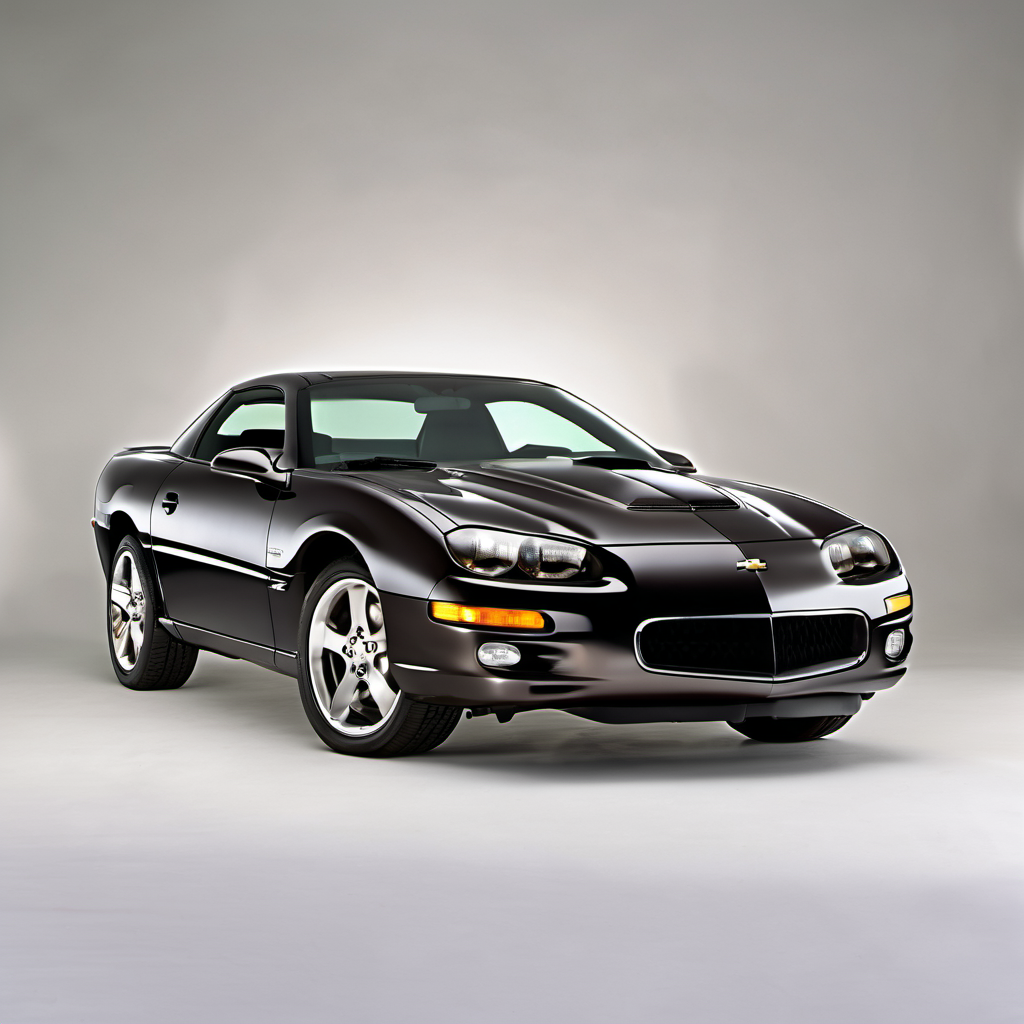
2002 Chevrolet
Coupe
The 2002 Chevrolet Camaro Coupe is the final model year of the fourth-generation (F-body) Camaro, a rear-wheel-drive American muscle car that GM produced from 1993 through 2002. The 3.8L V6 version delivers a solid balance of performance and everyday usability without the fuel and insurance penalties of the V8. Being the last year of the run, 2002 models were well-sorted after nearly a decade of continuous refinement. This is a two-door, 2+2 coupe with a low, wide stance built around a unibody platform shared with the Pontiac Firebird. It was designed for straight-line performance and weekend driving enjoyment rather than utility or family hauling. Rear visibility is limited, the rear seats are tight for adults, and ground clearance is minimal — all tradeoffs buyers accepted for the looks and performance. Because production ended in 2002, parts supply is now entirely the aftermarket and salvage yards, though the F-body enthusiast community is large and parts remain widely available. Rust is the primary long-term enemy, especially on Wisconsin-driven examples. A well-maintained V6 example can easily reach 200k miles; neglected ones develop expensive drivetrain and rust issues fast.
The 2002 Chevrolet Camaro Coupe is the final model year of the fourth-generation (F-body) Camaro, a rear-wheel-drive American muscle car that GM produced from 1993 through 2002. The 3.8L V6 version delivers a solid balance of performance and everyday usability without the fuel and insurance penalties of the V8. Being the last year of the run, 2002 models were well-sorted after nearly a decade of continuous refinement. This is a two-door, 2+2 coupe with a low, wide stance built around a unibody platform shared with the Pontiac Firebird. It was designed for straight-line performance and weekend driving enjoyment rather than utility or family hauling. Rear visibility is limited, the rear seats are tight for adults, and ground clearance is minimal — all tradeoffs buyers accepted for the looks and performance. Because production ended in 2002, parts supply is now entirely the aftermarket and salvage yards, though the F-body enthusiast community is large and parts remain widely available. Rust is the primary long-term enemy, especially on Wisconsin-driven examples. A well-maintained V6 example can easily reach 200k miles; neglected ones develop expensive drivetrain and rust issues fast.
The 3800 V6 rewards consistent oil changes. Extended intervals accelerate sludge buildup, which can clog passages and cause premature wear at high mileage.
The plastic lower intake gaskets are a known failure point on the 3800 Series II. Coolant can leak internally and contaminate oil, causing serious engine damage if ignored.
The 4L60-E is durable but heat and age degrade the fluid. Fresh fluid keeps the clutch packs and solenoids happy and extends transmission life significantly.
Leaking T-top seals allow water into the interior and can cause rust on floorboards and damage to the wiring harness. Replacement seals are inexpensive; ignoring them is not.
Wisconsin road salt is the top killer of F-body cars. Catching rust early lets you treat or patch it cheaply; structural rust repairs can cost thousands.
Degraded coolant becomes acidic and attacks the aluminum intake manifold and water pump. Use GM-approved DEX-COOL or a compatible universal coolant — do not mix types.
OEM-style plug wires on the 3800 can crack and arc at high mileage, causing misfires. Replacing plugs and wires together is cost-effective and restores smooth idle and power.
Sub-zero Wisconsin temps demand a fully healthy battery. The Camaro's long hood tucks the battery into a less-accessible spot — catching a weak battery in fall beats a dead start in January.
Always defer to the manufacturer's service manual for warranty-mandated intervals.
A well-maintained V6 Camaro is a relatively affordable sports car to own day-to-day. Routine maintenance costs are modest and parts are plentiful. The real financial risk is deferred maintenance leading to intake gasket failure or transmission issues, and rust — especially on cars that spent Wisconsin winters on the road. A clean, documented example bought right can be a low-cost enthusiast vehicle; a neglected one can drain your wallet quickly.
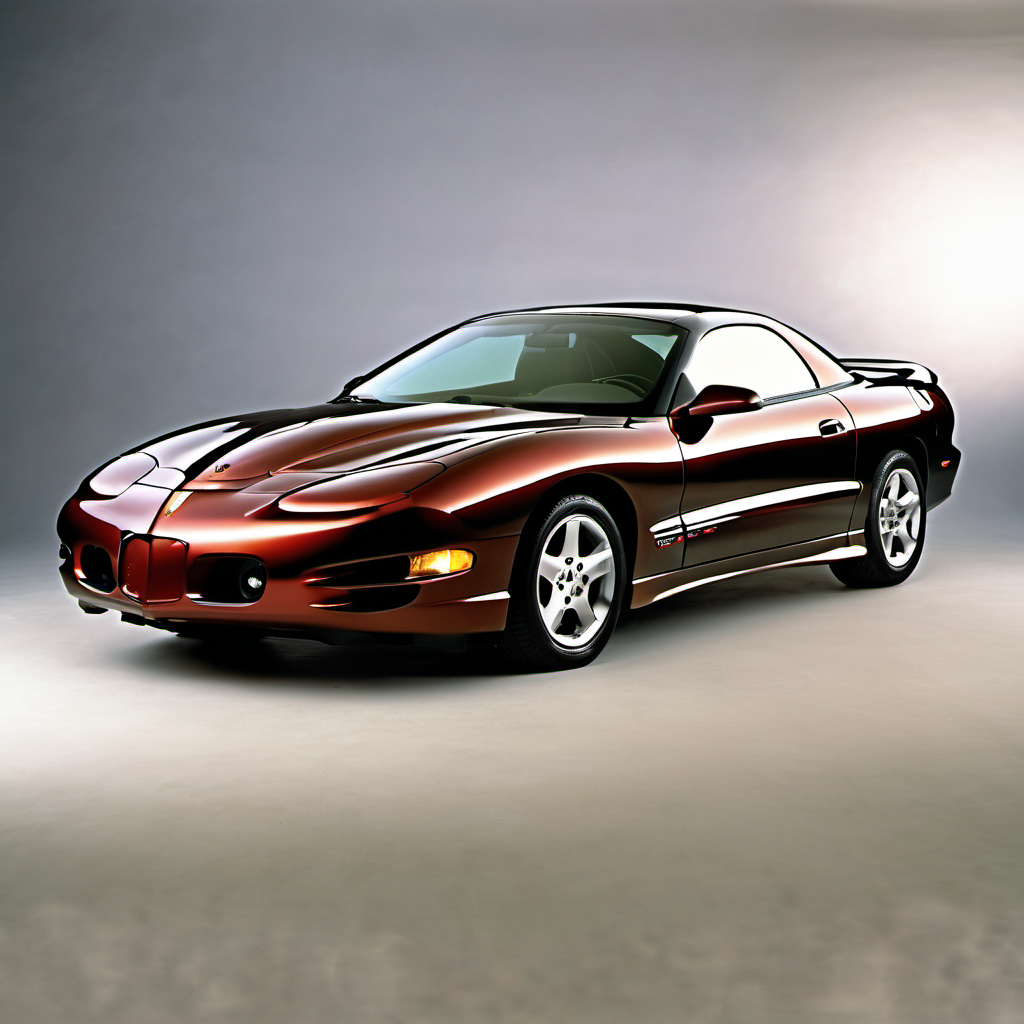
Shares the identical F-body platform, drivetrain options, and price point. Styling and some trim differ, but mechanically it's the same vehicle — parts interchangeability is very high.
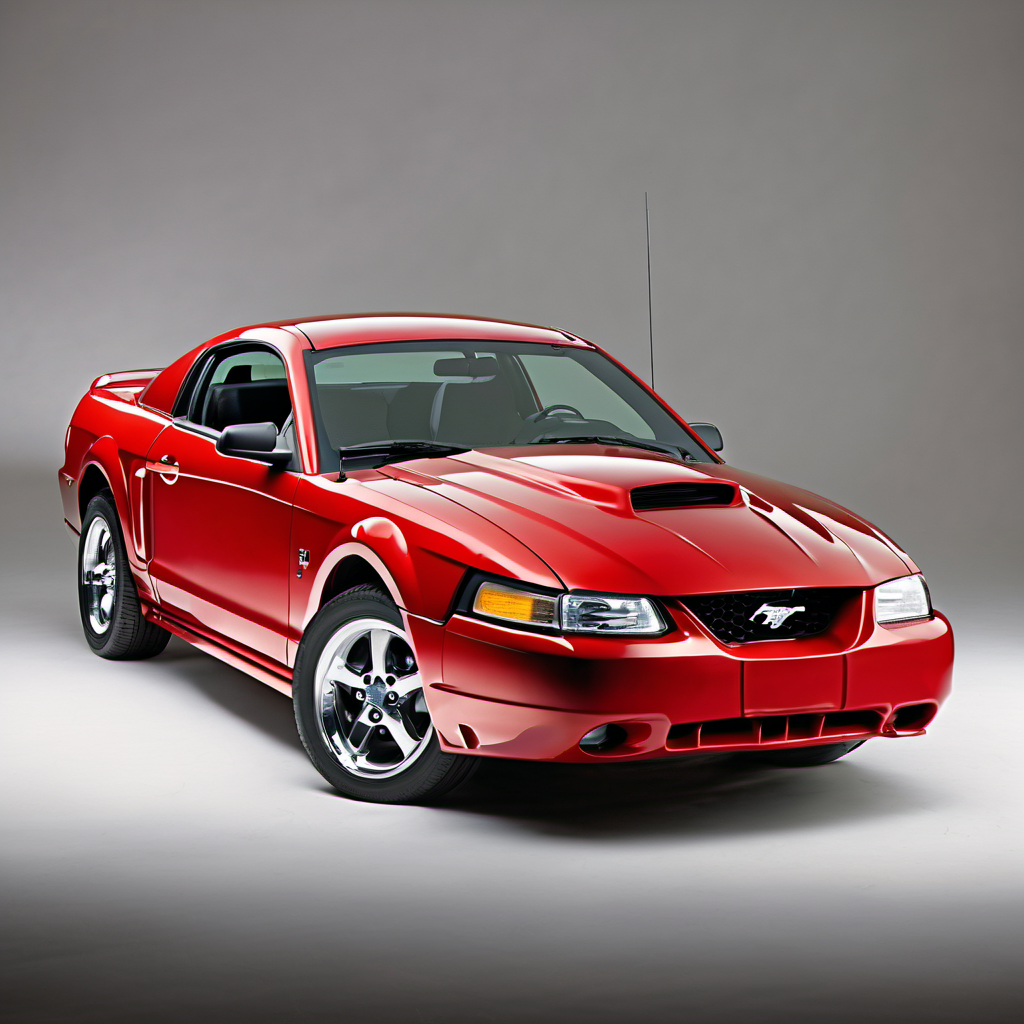
The direct American competitor — similar RWD sports coupe mission, V6 and V8 options, similar pricing, and a massive aftermarket. The Mustang continued production (no end-of-run concern) but the Fox/SN95 platform has its own rust and age issues.
Not yet in production in 2002 — the better cross-shop is the Dodge Neon R/T or a used Viper if budget allows. However, buyers cross-shopping a Camaro today frequently consider a used Challenger (2008+) for a similar RWD muscle-car experience with more modern features.
No catalog matchFor buyers who want a RWD sports coupe with more daily refinement and European handling at a similar used-market price. Higher parts and maintenance costs, but a genuinely different driving experience worth comparing.
No catalog match