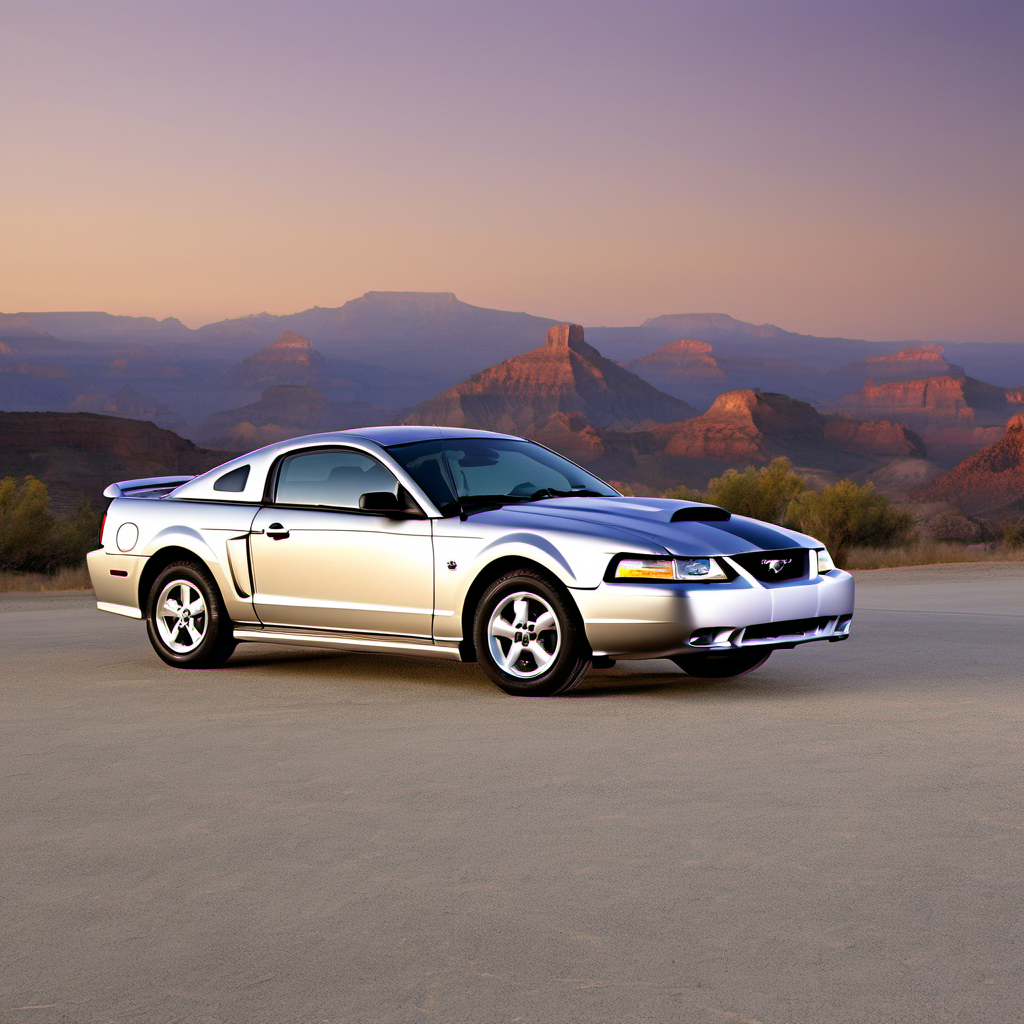
2003 Ford Mustang Convertible

2003 Ford

MustangConvertible

Convertible

The 2003 Ford Mustang Convertible with the 3.8L V6 is a fourth-generation (SN95) pony car that was in its final year before the 2005 redesign. It offers classic Mustang style and open-air driving without the price premium of the GT or Cobra. The 3.8L Essex V6 makes a modest 193 horsepower — plenty for weekend cruising, though not a drag-strip threat. As a daily driver or fair-weather cruiser, the V6 convertible checks a lot of boxes: it's affordable to buy, relatively simple mechanically, and parts are everywhere. The soft top adds open-air fun but also adds maintenance responsibility that most owners underestimate. Being a 2003 model, this car is now 20+ years old. Age-related issues — cooling system wear, soft top degradation, and rust from road salt — matter as much as mileage at this point. Expect to budget for deferred maintenance on any used example.

Reliability
3/5
Verified data
Specs shown for Mustang — the most common configuration. Other trims may vary in engine, drivetrain, or fuel economy. Sign in to see your vehicle's exact specs.
Engine
[object Object]
Drivetrain
RWD
Fuel
Gasoline
MPG
17 city / 25 hwy / 20 combined
Seats
Doors
Body
Subcompact Cars

Overview

AI-curated

The 2003 Ford Mustang Convertible with the 3.8L V6 is a fourth-generation (SN95) pony car that was in its final year before the 2005 redesign. It offers classic Mustang style and open-air driving without the price premium of the GT or Cobra. The 3.8L Essex V6 makes a modest 193 horsepower — plenty for weekend cruising, though not a drag-strip threat. As a daily driver or fair-weather cruiser, the V6 convertible checks a lot of boxes: it's affordable to buy, relatively simple mechanically, and parts are everywhere. The soft top adds open-air fun but also adds maintenance responsibility that most owners underestimate. Being a 2003 model, this car is now 20+ years old. Age-related issues — cooling system wear, soft top degradation, and rust from road salt — matter as much as mileage at this point. Expect to budget for deferred maintenance on any used example.

Known for
  • Iconic pony car styling with open-air convertible option
  • Simple, robust rear-wheel-drive platform with wide aftermarket support
  • 3.8L Essex V6 known for head gasket sensitivity at higher mileage
  • Affordable entry point into classic Mustang ownership
Best for
  • Weekend and fair-weather driving enthusiasts
  • Budget-conscious buyers who want a convertible sports car
  • DIY mechanics — parts are cheap and plentiful
  • Collectors looking for an affordable late SN95 example
Watch for
  • Head gasket failure on the 3.8L V6, especially over 80k miles
  • Soft top leaks, tears, and motor/hydraulic failures common on older examples
  • Rust on floor pans, frame rails, and convertible top hardware in Midwest/salt-belt cars
  • Cooling system neglect — intake manifold gaskets and thermostats are common failure points
  • Worn or cracked rear axle seals leading to differential fluid loss

Common issues by mileage

6 known

Head Gasket Failure (3.8L V6)

high
Typically appears
80–130k mi
Estimated repair
$900 – $1,800

Intake Manifold Gasket Leak / Coolant Loss

high
Typically appears
60–120k mi
Estimated repair
$400 – $850

Soft Top Leak or Hydraulic/Motor Failure

high
Typically appears
Any age/mileage
Estimated repair
$200 – $1,500

Rear Axle Seal Leak (8.8" Rear End)

medium
Typically appears
70–120k mi
Estimated repair
$150 – $350

Floor Pan and Frame Rail Rust (Convertible)

high
Typically appears
Any — age-dependent in salt states
Estimated repair
$500 – $3,500

Oxygen Sensor / Heater Circuit Failure

medium
Typically appears
80–150k mi
Estimated repair
$150 – $400

Maintenance schedule

  1. 1
    Every 30k miles or 3 years Coolant system flush and thermostat inspection

    The 3.8L is sensitive to coolant condition. Old coolant turns acidic and attacks intake and head gaskets. Use the correct Ford-spec coolant and don't mix types.

  2. 2
    Every 5,000 miles or 6 months Engine oil change (5W-30 conventional or full synthetic)

    Older Essex V6 engines benefit from consistent oil changes; neglect accelerates sludge buildup around valve covers and oil passages.

  3. 3
    Every spring and fall Soft top inspection and lubrication

    Inspect fabric/vinyl for cracks, tears, and seam separation. Lubricate folding hardware and latches annually. A leaking top causes floor and interior rust quickly in Wisconsin.

  4. 4
    Every 30k miles Rear differential fluid change

    The 8.8" rear end is durable but fluid degrades. Check axle seals for weeping at the same time.

  5. 5
    Every 30k miles on standard plugs; 60k on platinum Spark plugs and plug wires

    The 3.8L can develop misfires from worn plugs or cracked wires, which stress the catalytic converters.

  6. 6
    Every fall before winter season Undercarriage rust inspection and treatment

    Convertibles have more exposed seams and floor pan welds. Wisconsin road salt will find them. Catch surface rust early — treat it before it becomes structural.

  7. 7
    Every fall Battery load test

    Cold Wisconsin winters are hard on any battery over 3–4 years old. A battery that starts fine at 60°F may fail at -10°F.

  8. 8
    Every 2–3 years Brake fluid flush

    Brake fluid absorbs moisture over time, lowering boiling point and promoting internal caliper and master cylinder corrosion — especially in a vehicle that sees salty roads.

Always defer to the manufacturer's service manual for warranty-mandated intervals.

Cost of ownership

Annual maintenance
$600 – $1,400
Fuel
At 20 MPG combined and ~12,000 miles/year, expect roughly $1,500–$1,900/year at current Midwest gas prices. The V6 takes regular 87 octane.
Insurance
Typically moderate — classified as a sports car, so expect a bump over a sedan, but the V6 convertible is not in the same risk tier as a GT or Cobra. Budget $900–$1,400/year for a clean-record adult driver.

Day-to-day costs are manageable. Fuel and insurance are the recurring hits. The wildcard is deferred maintenance and soft top repairs on a 20-year-old convertible — a neglected example can surprise you with a $2,000–$4,000 catch-up bill. Buy a well-documented car and budget a cushion for the first year.

Seasonal care

Lake Geneva, WI
Winter
  • Load-test the battery every fall — the 3.8L needs a strong crank in sub-zero temps and the convertible's electrical accessories add drain.
  • Switch to a full synthetic 5W-30 if using conventional oil; it flows better during cold starts and reduces wear before the engine warms up.
  • Fill the washer reservoir with a fluid rated to at least -20°F — Wisconsin winters will freeze standard fluid solid in the lines.
  • Inspect and treat soft top seams and weatherstripping before winter; a leaking top plus road salt is the fastest route to floor pan rust.
  • Consider storing the convertible if possible — continuous exposure to road salt accelerates rust on the unibody seams, frame rails, and convertible hardware.
  • Rinse the undercarriage regularly through winter if driven; salt accumulation in body seams and around the trunk and floor pan is a known issue on these cars.
Summer
  • Check tire pressure monthly — heat causes pressure to rise and the rear tires on an RWD car wear faster, especially with spirited driving.
  • Inspect the soft top fabric for UV cracking and treat with an appropriate vinyl or fabric protectant to prevent premature drying and tearing.
  • Keep an eye on the temperature gauge; the 3.8L runs hot when the cooling system is marginal, and a hot summer day in traffic will expose a weak thermostat or low coolant situation quickly.
  • Check A/C performance early in the season — refrigerant leaks are common on older systems, and recharging is far cheaper before a hot streak hits.
  • Inspect the radiator cap seal and overflow reservoir; pressure loss is subtle but leads to coolant loss and eventual overheating.

Comparable vehicles

2003 Chevrolet
Camaro

Direct pony car rival, also available as a convertible, similar RWD layout and price range. The 3.8L V6 Camaro offers comparable performance and also had its final year in 2002, making used examples plentiful and comparable in age.

No catalog match
2003 Pontiac
Firebird

Sister car to the Camaro on the F-body platform, also offered as a convertible with a V6 or V8. Very similar ownership cost and target buyer profile.

No catalog match
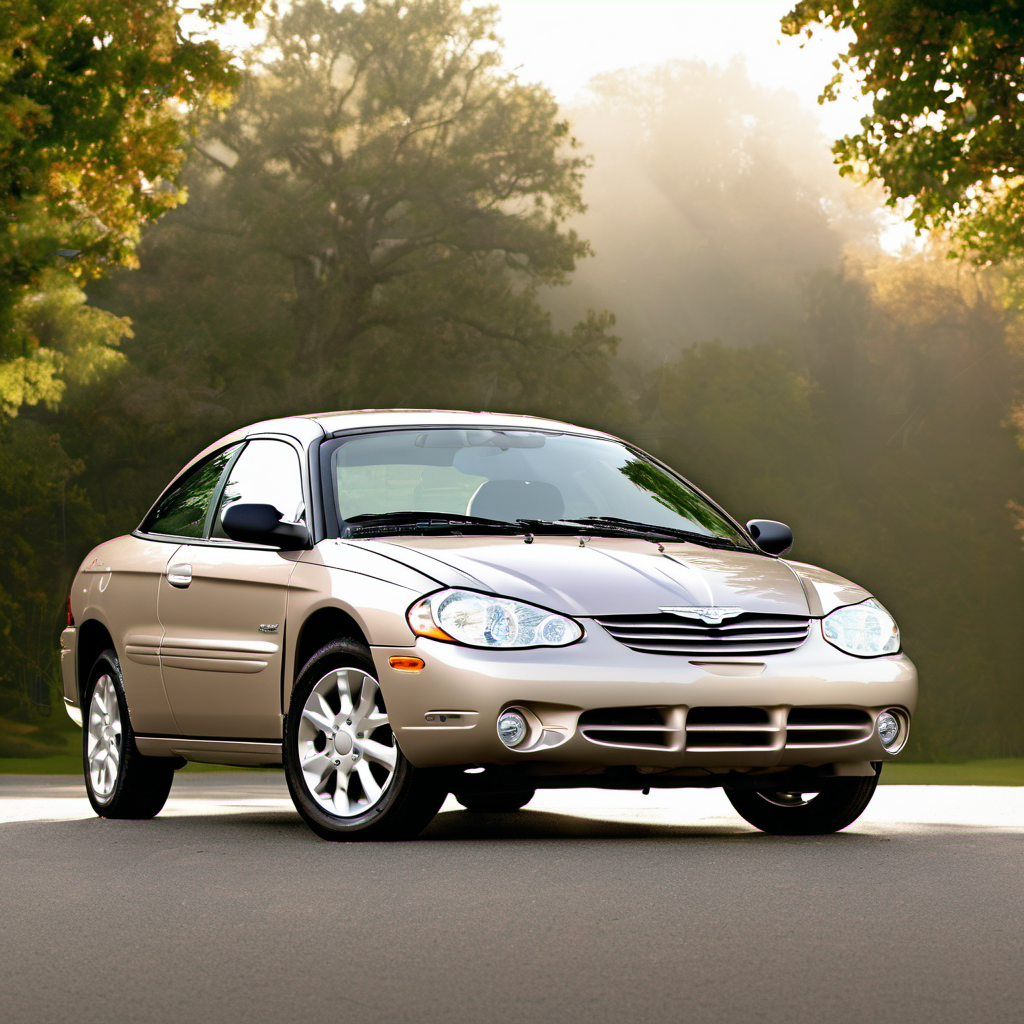
2003 Chrysler Sebring Convertible
2003 Chrysler
Sebring Convertible

Front-wheel-drive alternative at a similar used price point. More practical as a cruiser, less driver-focused, but a legitimate open-air competitor for buyers prioritizing comfort over driving feel.
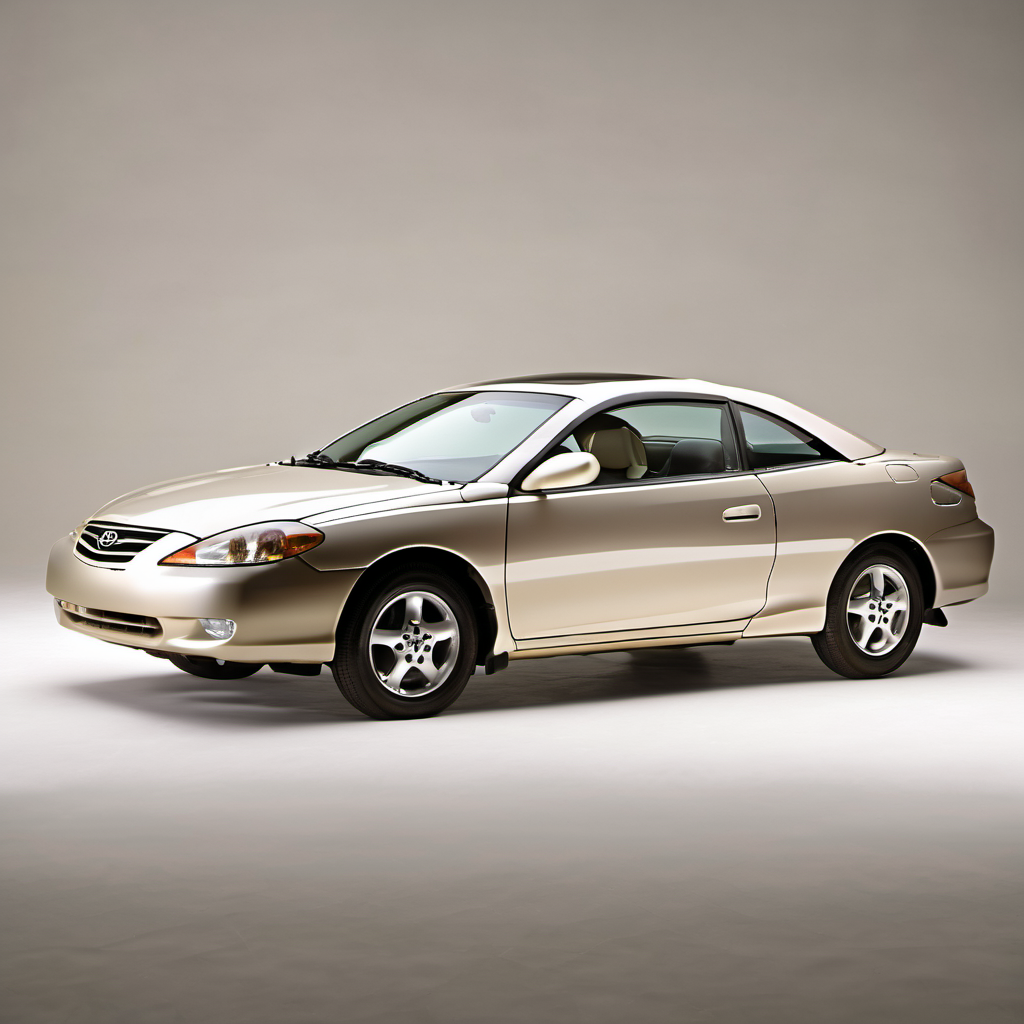
2003 Toyota Solara Convertible
2003 Toyota
Solara Convertible

Japanese-market open-air coupe competitor in the same price bracket. Better long-term rust resistance and reliability track record, but less performance character and no V8 option.

If you're shopping for one

Red flags
  • Overheating history or any evidence of a cracked or replaced head — walk away unless the price reflects a full repair.
  • Soft top that leaks, tears, or fails to operate — budget $800–$1,500 minimum for a replacement top with installation.
  • Heavy rust on floor pans or frame rails — repair costs can easily exceed the vehicle's value.
  • Check engine light with oxygen sensor or coolant system codes — could signal ongoing head gasket or sensor issues.
  • Evidence of water intrusion in the trunk or interior — carpets, spare tire well, and trunk liner should be dry.
  • No maintenance records on a 20-year-old car — assume all fluids, gaskets, and wear items need immediate attention and price accordingly.
What to inspect
  • Pull the carpets and check the floor pans under the driver and passenger footwells — convertible body seams trap water and rust through from the inside.
  • Run the soft top through a full cycle; listen for motor strain, watch for hydraulic hesitation, and check that all four corners seal tight against the windshield frame.
  • Check for white smoke on startup or a sweet coolant smell — these are early signs of head gasket or intake manifold gasket failure on the 3.8L.
  • Inspect the undercarriage, frame rails, and torque boxes (where the subframe meets the unibody) for rust — critical structural areas on a convertible.
  • Look for mismatched paint on the quarters and trunk lid — convertible tops can leak and cause bubbling or prior collision repair.
  • Verify coolant condition and level; milky or foamy oil cap residue is a red flag for head gasket failure.
AI profile generated 1 day ago · claude-sonnet-4-6 · v2.