Head Gasket Failure
high- Typically appears
- 80–130k mi
- Estimated repair
- $900 – $1,600
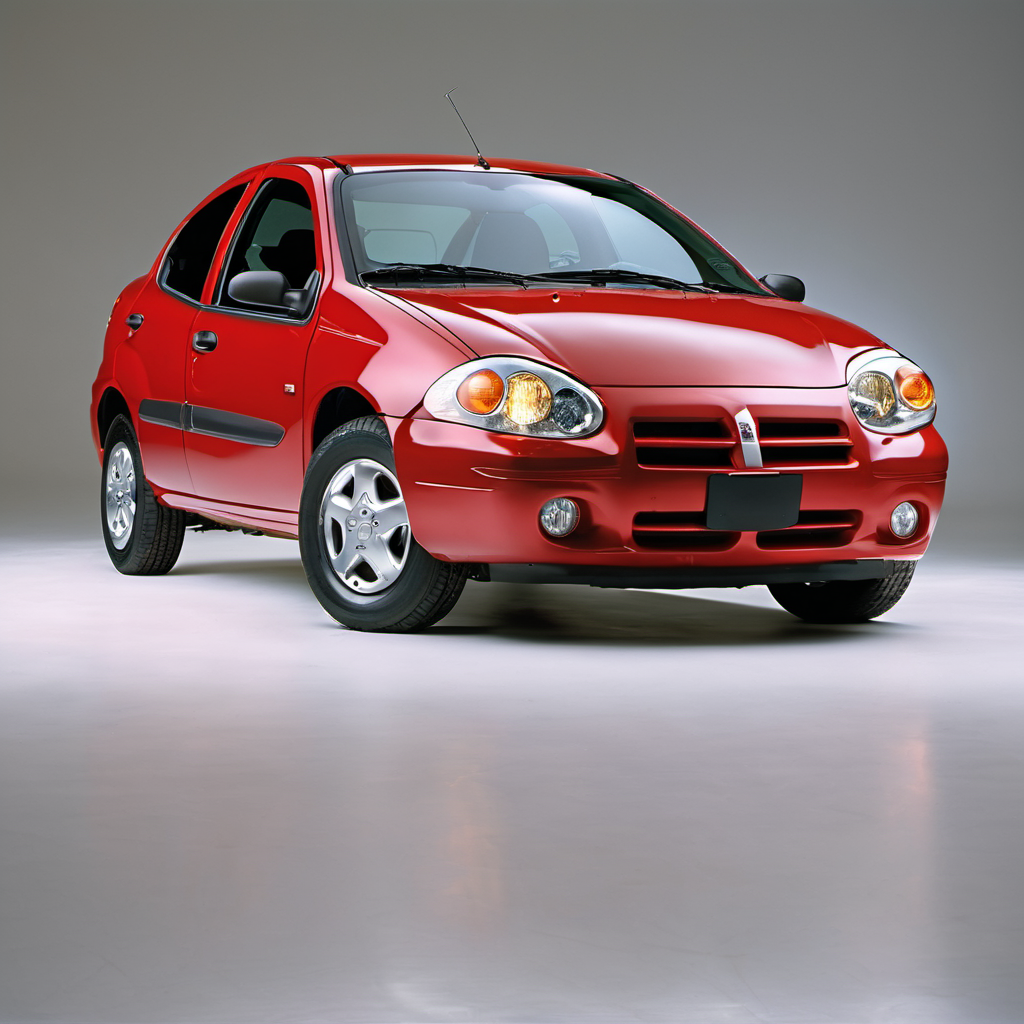
2002 Dodge
Sedan
The 2002 Dodge Neon is a second-generation (PL platform) compact front-wheel-drive sedan produced by Chrysler. It replaced the original Neon with a stiffer body, mildly refreshed styling, and a revised interior — but carried over much of the same powertrain. At its price point it was one of the more spacious and feature-rich subcompacts on the market, making it popular with budget-conscious commuters and first-time buyers. The 2.0L SOHC four-cylinder is adequate for city and highway use but not a performer. The automatic transmission in particular has a well-documented weak spot at this mileage and age. Rust is a serious concern on any Neon that spent time in the Salt Belt — including Wisconsin — and the cost to address it on a vehicle of this value rarely pencils out. At 20+ years old, the 2002 Neon is firmly in beater/budget territory. Parts are cheap and widely available, and a well-maintained example can still serve as basic transportation. However, buyers and owners should be clear-eyed: deferred maintenance on these is common, and the repair costs can quickly exceed the car's market value.
The 2002 Dodge Neon is a second-generation (PL platform) compact front-wheel-drive sedan produced by Chrysler. It replaced the original Neon with a stiffer body, mildly refreshed styling, and a revised interior — but carried over much of the same powertrain. At its price point it was one of the more spacious and feature-rich subcompacts on the market, making it popular with budget-conscious commuters and first-time buyers. The 2.0L SOHC four-cylinder is adequate for city and highway use but not a performer. The automatic transmission in particular has a well-documented weak spot at this mileage and age. Rust is a serious concern on any Neon that spent time in the Salt Belt — including Wisconsin — and the cost to address it on a vehicle of this value rarely pencils out. At 20+ years old, the 2002 Neon is firmly in beater/budget territory. Parts are cheap and widely available, and a well-maintained example can still serve as basic transportation. However, buyers and owners should be clear-eyed: deferred maintenance on these is common, and the repair costs can quickly exceed the car's market value.
Degraded coolant accelerates head gasket failure, which is this engine's most expensive known failure mode. Always use the correct HOAT or OAT-compatible coolant; mixing types causes silicate dropout that clogs passages.
The 2.0L SOHC is an interference engine. A broken belt means bent valves and a very expensive repair bill. At 20+ years old, replace by age even if mileage is low — rubber degrades with time.
Chrysler's 3-speed automatic in this car is not robust. Fresh ATF is the single best thing you can do to extend its life. Do not use a flush machine — a drain-and-fill is safer on high-mileage units.
Worn ignition components cause misfires that stress the catalytic converter and O2 sensors. Plug wires on 20-year-old cars are often original and cracked.
Age-hardened belts crack and fail without warning. At 20+ years, replace regardless of visual condition.
Brake fluid is hygroscopic — it absorbs moisture over time, lowering boiling point and corroding internal brake components. Critical on a vehicle this age.
Cold starts below 0°F put maximum strain on the battery. Corroded terminals compound the problem. Replace the battery if it is more than 4–5 years old heading into a Wisconsin winter.
Road salt in Lake Geneva area aggressively attacks the Neon's rocker panels, floor pans, and brake lines. Catch rust early — once it penetrates the structural floor or brake lines, repair costs can exceed the car's value.
Always defer to the manufacturer's service manual for warranty-mandated intervals.
The Neon's low purchase price is its main financial argument. Routine maintenance is cheap because parts are inexpensive and plentiful. The risk is one large repair — head gasket, transmission, or extensive rust work — that can easily exceed the car's total market value. Budget conservatively and keep an emergency repair fund. Any car this age in Wisconsin should be inspected for brake line and fuel line rust before purchase or continued use.
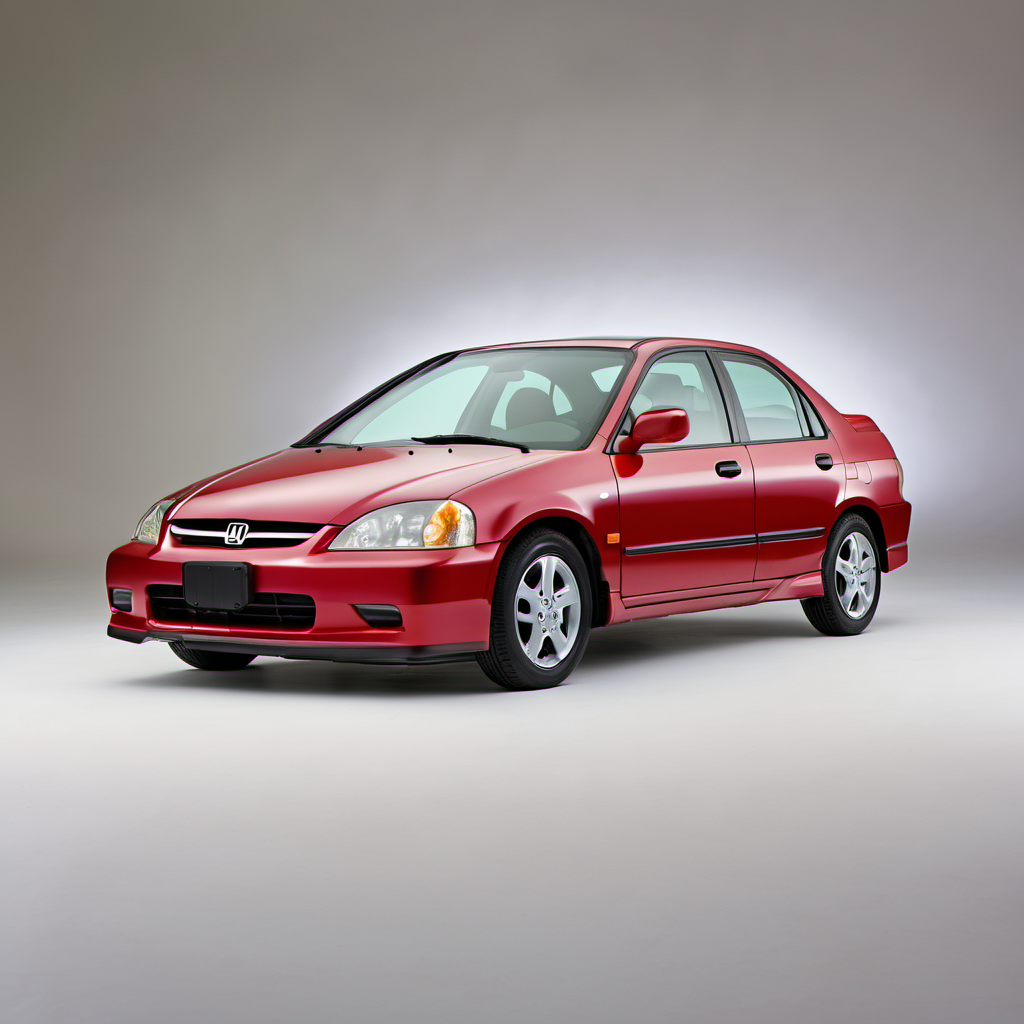
Same compact sedan segment and era. More reliable long-term, better resale, but commands a higher price used. The benchmark the Neon was always chasing.
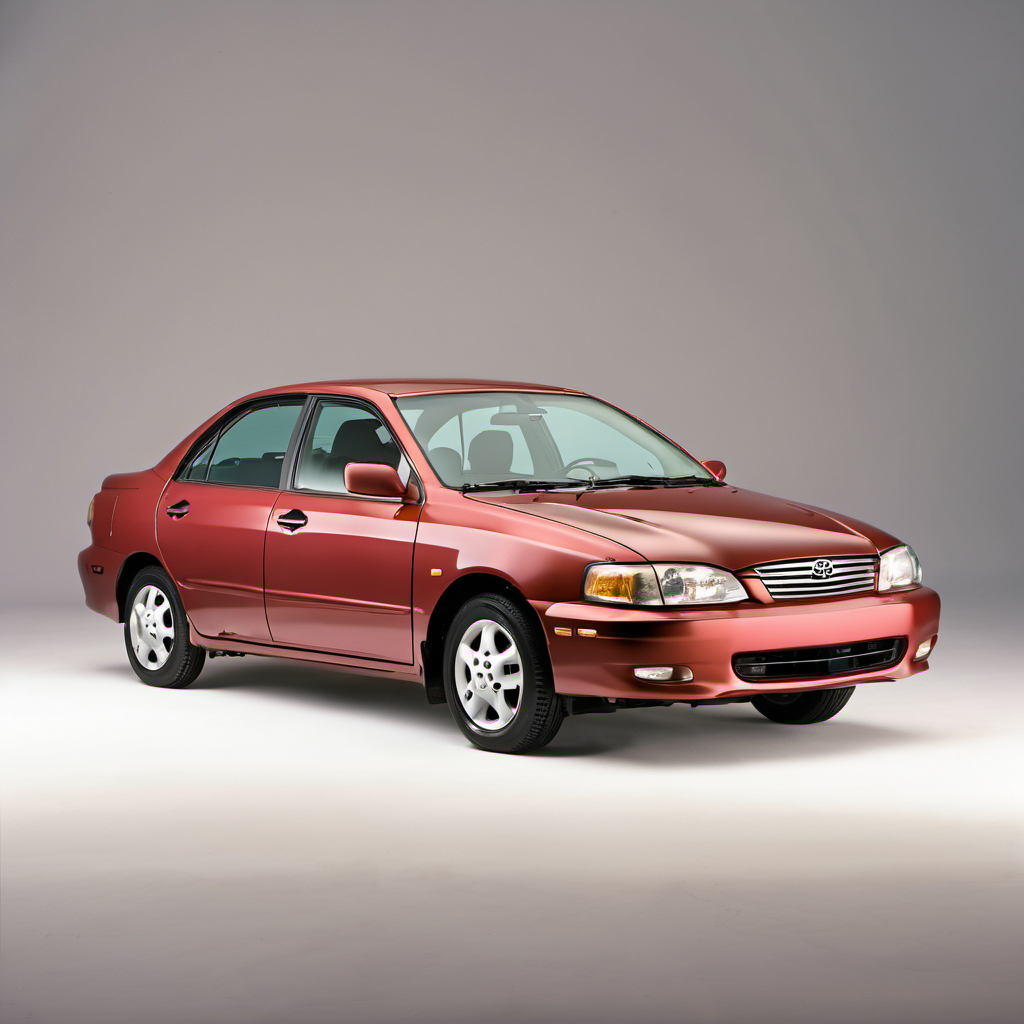
Direct competitor in budget compact sedans. Significantly better reliability and rust resistance; typically costs more used for the same mileage.
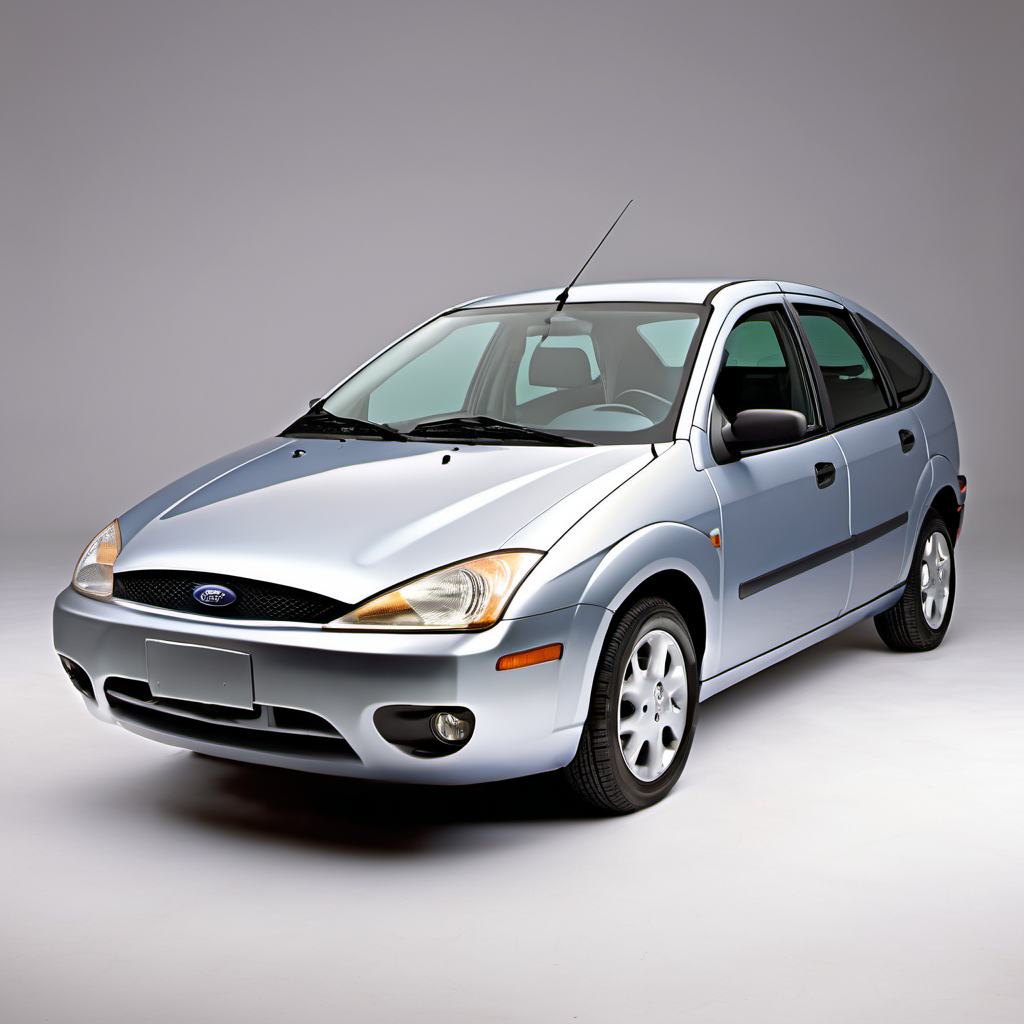
Similar price, similar mission, similar era. The Focus has its own reliability quirks (early automatic transmissions) but a wider range of body styles. Parts availability is comparable.
Another domestic budget compact from the same era. Polymer body panels resist rust better than the Neon, which is a real advantage in Wisconsin — though the GM powertrain has its own aging concerns.
No catalog match