T-Top and Hatch Seal Failure / Water Intrusion
high- Typically appears
- Any age/mileage — time-dependent
- Estimated repair
- $150 – $600
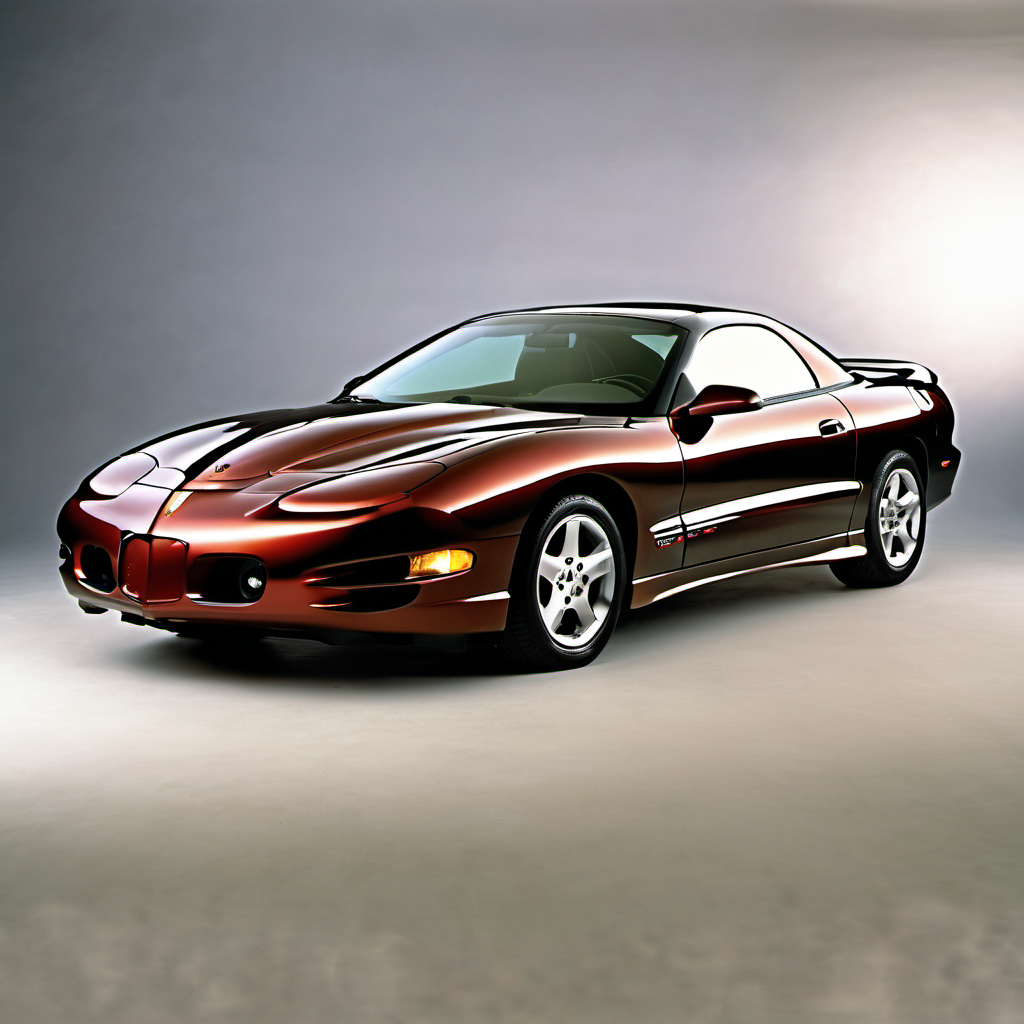
2002 Pontiac
3.8L V6 · Coupe
The 2002 Pontiac Firebird is the final model year of the fourth-generation F-body platform shared with the Chevrolet Camaro. GM discontinued both cars after 2002, making this a collector-relevant vehicle right out of the gate. The base Firebird came with a 3.8L V6, while the Formula and Trans Am trims packed the legendary LS1 5.7L V8 — the same engine found in the C5 Corvette. With rear-wheel drive and a long hood, it's a true American sports car from a disappearing era. By 2002, the F-body had been refined considerably from its 1993 relaunch. Handling was sharper, the interior was improved (though still far from plush), and the LS1 V8 variants were genuinely quick — 0–60 in the mid-5-second range for automatics and low-5s for 6-speeds. The platform is well-understood by enthusiasts and mechanics alike, parts are still available, and the aftermarket is enormous. Owning a 2002 Firebird in the upper Midwest means being realistic: these cars are now 20+ years old, they sit low, and they were not designed with Wisconsin winters in mind. Most survivors have been garage-kept or lightly used seasonally. Budget for aging rubber, electrical gremlins typical of early-2000s GM, and T-top or hatch seal replacement if applicable.
The 2002 Pontiac Firebird is the final model year of the fourth-generation F-body platform shared with the Chevrolet Camaro. GM discontinued both cars after 2002, making this a collector-relevant vehicle right out of the gate. The base Firebird came with a 3.8L V6, while the Formula and Trans Am trims packed the legendary LS1 5.7L V8 — the same engine found in the C5 Corvette. With rear-wheel drive and a long hood, it's a true American sports car from a disappearing era. By 2002, the F-body had been refined considerably from its 1993 relaunch. Handling was sharper, the interior was improved (though still far from plush), and the LS1 V8 variants were genuinely quick — 0–60 in the mid-5-second range for automatics and low-5s for 6-speeds. The platform is well-understood by enthusiasts and mechanics alike, parts are still available, and the aftermarket is enormous. Owning a 2002 Firebird in the upper Midwest means being realistic: these cars are now 20+ years old, they sit low, and they were not designed with Wisconsin winters in mind. Most survivors have been garage-kept or lightly used seasonally. Budget for aging rubber, electrical gremlins typical of early-2000s GM, and T-top or hatch seal replacement if applicable.
The LS1 V8 in particular is sensitive to oil sludge — short oil change intervals are cheap insurance. The 3.8L V6 benefits equally. Use a quality 5W-30 conventional or synthetic.
The 3.8L V6 is notorious for intake manifold gasket leaks that begin as coolant seepage. Catching low coolant or contamination early prevents a far more expensive repair. Dexcool (orange) coolant degrades over time — flush on schedule.
Both the 3.8L and LS1 run factory plug intervals around 60k. Worn plugs on a V8 with a high compression ratio will hurt performance and fuel economy noticeably.
Leaking seals allow water into the cabin, soaking carpet and accelerating floor pan rust. Inspect condition every season change and replace at first sign of cracking or leaking.
Glycol-based brake fluid absorbs moisture over time, lowering its boiling point. With RWD performance driving common on this platform, fresh fluid keeps braking response crisp and protects calipers.
The 7.625-inch rear axle is adequate for the V6 but can be stressed on V8 cars. Fresh gear oil prevents premature bearing and pinion wear.
Salt-belt cars are the enemy of this low-slung platform. Annual inspection of floor pans, frame rails, rocker panels, and brake lines — plus touch-up with rust inhibitor — extends the car's life significantly.
Cold Wisconsin winters are brutal on aging batteries. A battery that starts fine in October can fail dead at -10°F in January. Load-test annually before the season drops.
Always defer to the manufacturer's service manual for warranty-mandated intervals.
A well-kept 2002 Firebird is relatively affordable to maintain if you stay ahead of the age-related issues. The 3.8L V6 is genuinely economical. Where costs spike is deferred maintenance on a 20-year-old car: seals, hoses, brakes, and electrical repairs can pile up quickly if the previous owner neglected them. Budget more in year one of ownership to bring an unknown-history car up to spec.
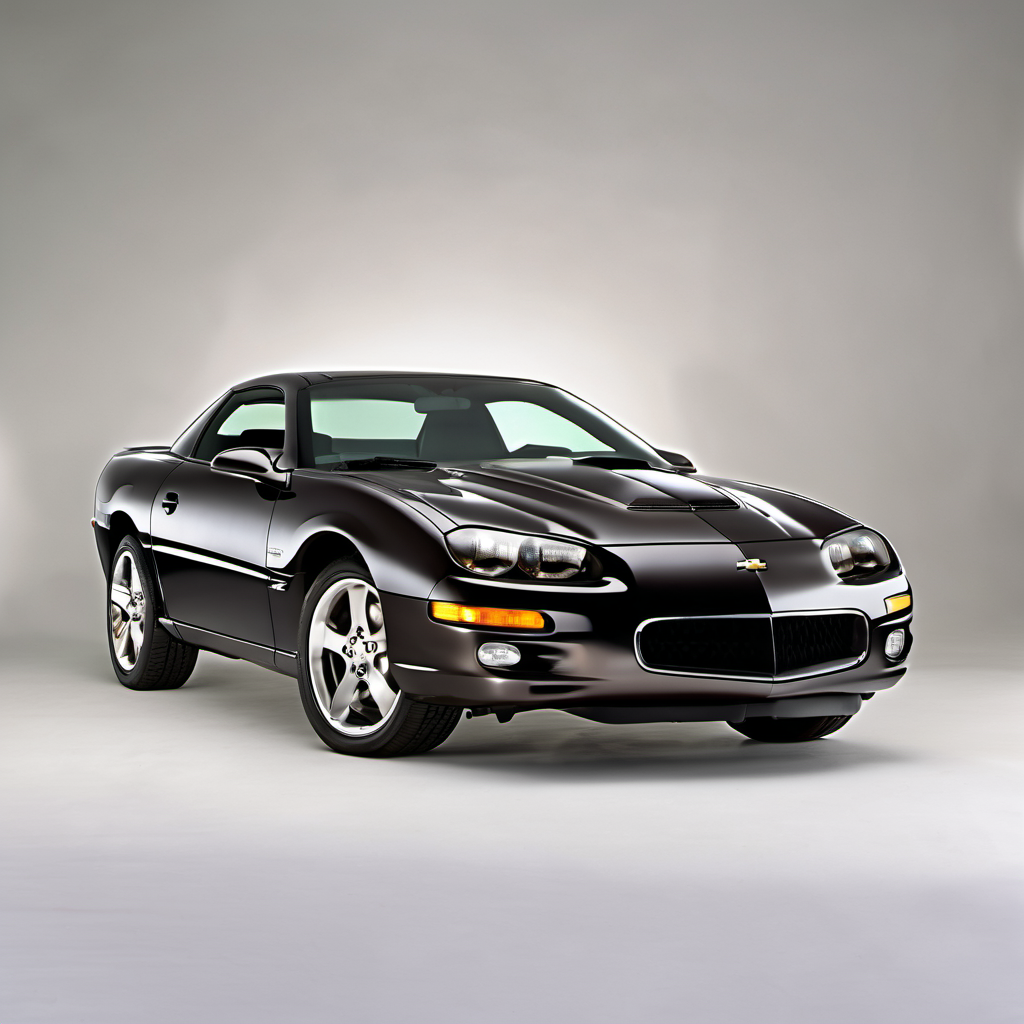
Identical F-body platform, same LS1 V8 available, also a final model year — the closest apples-to-apples comparison. Parts interchangeability is extensive.
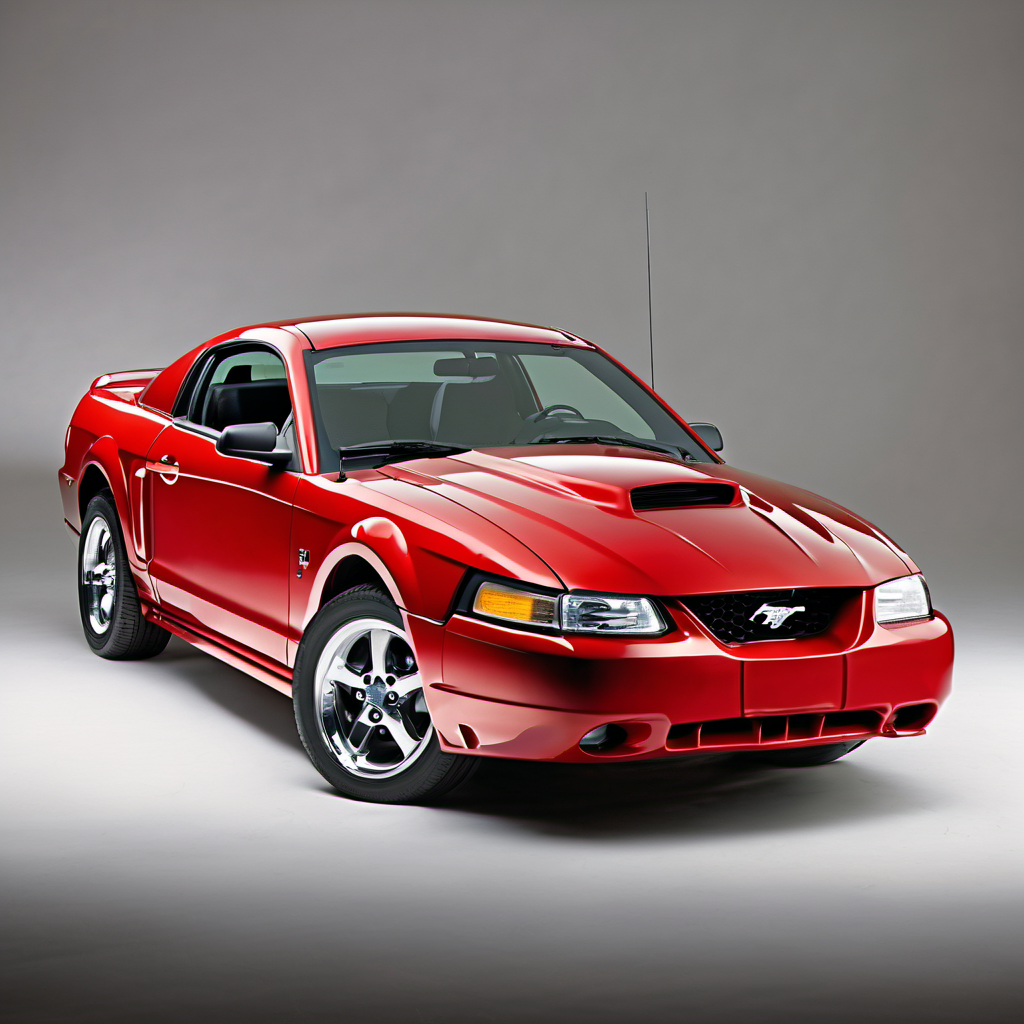
Direct American RWD sports car rival at similar price points. 4.6L V8 makes slightly less power than the LS1 but is equally well-supported by the aftermarket.
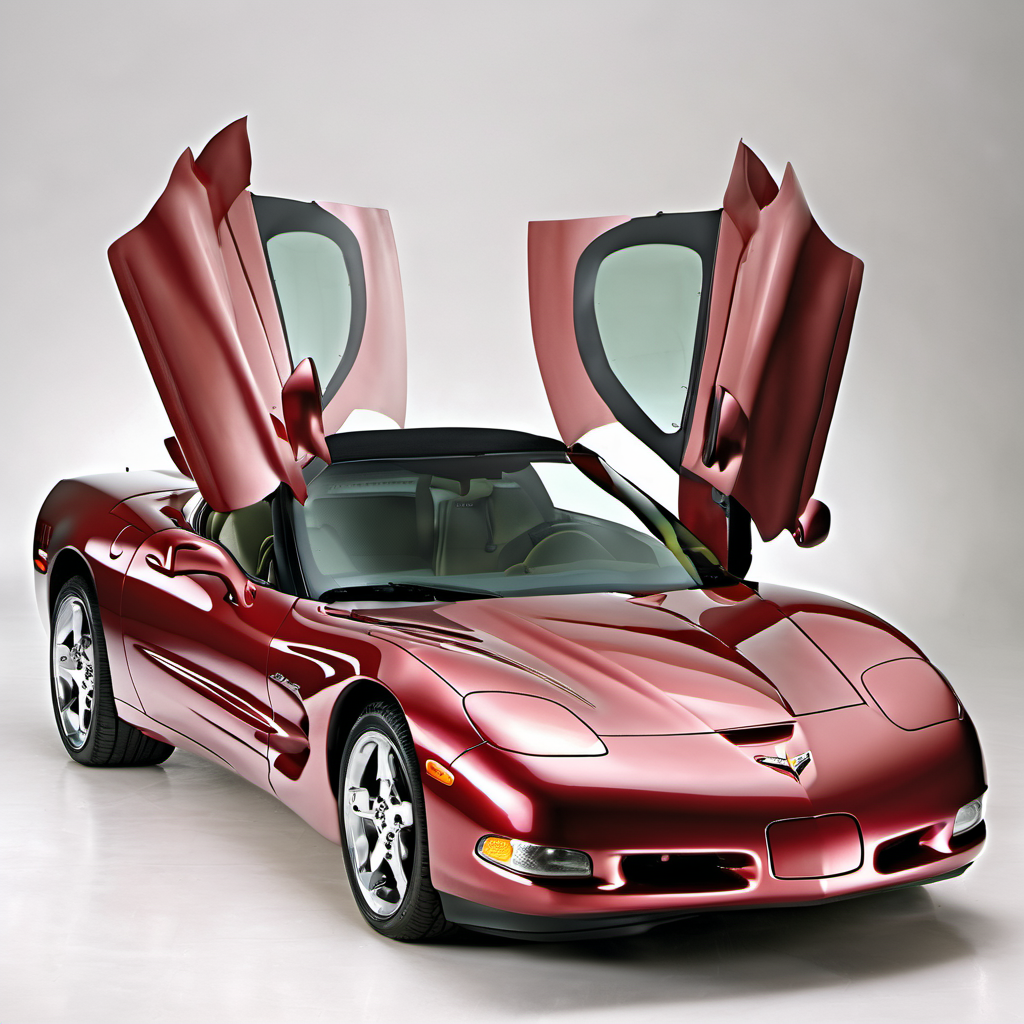
Shares the LS1 engine with the Trans Am trim. The Corvette is faster and more refined but significantly more expensive to buy and maintain — worth considering if budget allows.
Not yet available in 2002 — the Dodge Viper or later Challenger SRT are the spiritual Mopar comparables for buyers cross-shopping American performance coupes.
No catalog match