2.7L Engine Oil Sludge / Oil Passage Blockage
high- Typically appears
- 60–120k mi
- Estimated repair
- $2,500 – $6,000
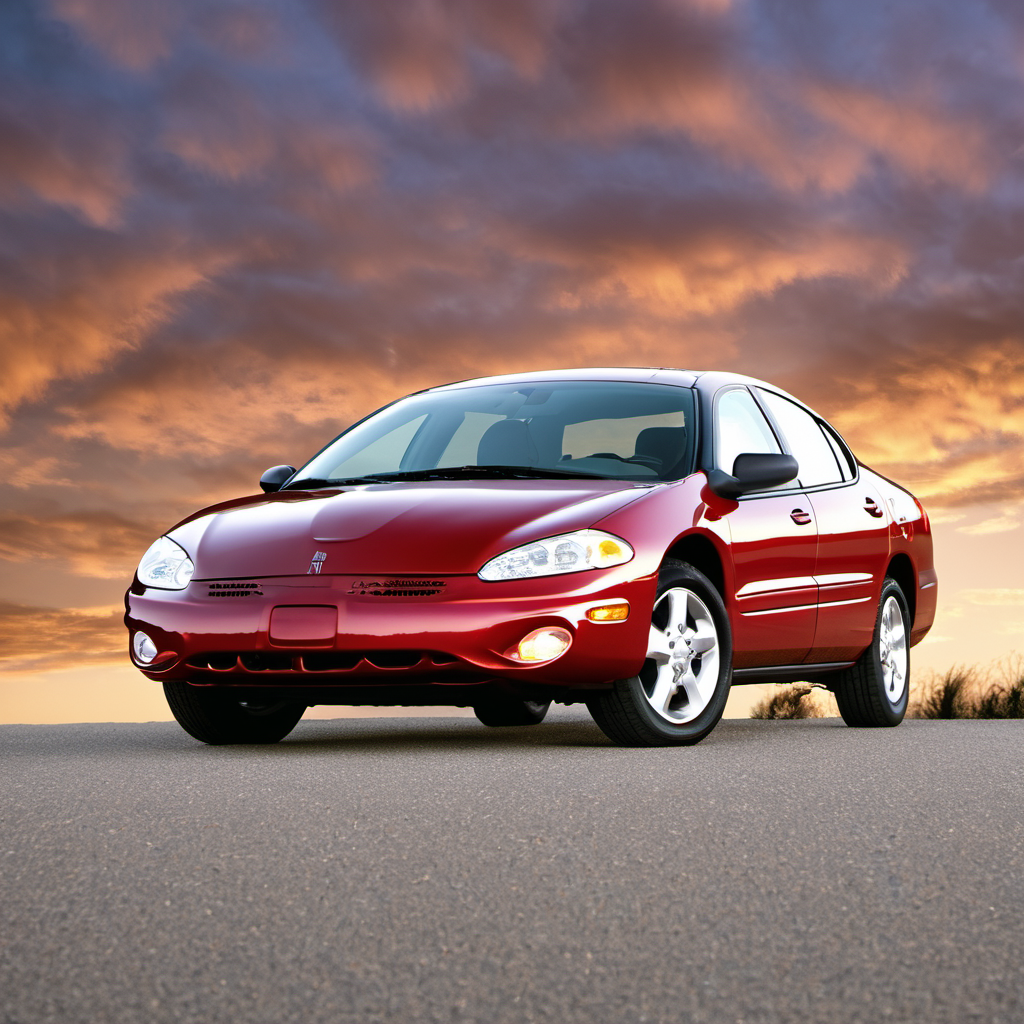
2002 Dodge
Sedan
The 2002 Dodge Intrepid is a front-wheel-drive full-size sedan built on Chrysler's LH platform, sharing its bones with the Chrysler 300M and Concorde. It was Dodge's answer to the Ford Taurus and Chevy Impala — roomy, comfortable, and priced to move. In 2002, it was in its final full model year before the platform was retired, making used examples abundant but parts support increasingly limited today. With the 2.7L V6, the Intrepid is a smooth highway cruiser that delivers acceptable fuel economy for its size. However, the 2.7L engine has a well-documented and serious sludge problem that has defined this car's reputation among mechanics. Neglected oil changes cause oil passages to clog, leading to engine failure — often before 100,000 miles. That single issue dominates the ownership conversation. At 20+ years old, this is a high-risk used purchase unless you can verify a religiously maintained service history. Parts availability is shrinking, the buyer pool is thin, and repair costs can easily exceed the car's value. That said, a well-maintained example with documented oil change records can still serve as basic transportation on a tight budget.
The 2002 Dodge Intrepid is a front-wheel-drive full-size sedan built on Chrysler's LH platform, sharing its bones with the Chrysler 300M and Concorde. It was Dodge's answer to the Ford Taurus and Chevy Impala — roomy, comfortable, and priced to move. In 2002, it was in its final full model year before the platform was retired, making used examples abundant but parts support increasingly limited today. With the 2.7L V6, the Intrepid is a smooth highway cruiser that delivers acceptable fuel economy for its size. However, the 2.7L engine has a well-documented and serious sludge problem that has defined this car's reputation among mechanics. Neglected oil changes cause oil passages to clog, leading to engine failure — often before 100,000 miles. That single issue dominates the ownership conversation. At 20+ years old, this is a high-risk used purchase unless you can verify a religiously maintained service history. Parts availability is shrinking, the buyer pool is thin, and repair costs can easily exceed the car's value. That said, a well-maintained example with documented oil change records can still serve as basic transportation on a tight budget.
The 2.7L V6 has narrow oil passages that clog rapidly with sludge when oil is not changed frequently. On this engine, extended intervals are the primary cause of catastrophic engine failure. Use full synthetic 5W-30 and do not stretch this interval.
The 2.7L runs hot and is prone to water pump and thermostat housing failures. Fresh coolant maintains corrosion inhibitors that protect these components. A pressure test catches leaks before they cause overheating and engine damage.
The 42LE automatic transmission does not have a forgiving service window. Degraded fluid accelerates wear. Independent shops can drop the pan, clean the filter, and refill — do not skip this.
Belt failure at highway speed leaves you stranded and can cause power steering loss. Tensioner wear is common by 80k miles on this platform.
The 2.7L uses platinum plugs but the tight engine bay makes the job labor-intensive. Keeping plugs fresh maintains combustion efficiency and protects the catalytic converter.
Lake Geneva winters regularly drop below 0°F. A marginal battery that starts fine in September will fail in January. Test it every autumn — batteries over 4 years old should be considered for proactive replacement.
Brake fluid absorbs moisture over time, lowering its boiling point and accelerating internal corrosion. Wisconsin road salt accelerates this on caliper and wheel cylinder hardware.
Wisconsin road salt aggressively attacks subframe, brake lines, and exhaust hangers. A post-winter inspection catches rust-through on brake lines before it becomes a safety failure.
Always defer to the manufacturer's service manual for warranty-mandated intervals.
The Intrepid looks cheap to own until something breaks. Routine maintenance is affordable, but the 2.7L engine's sludge risk means one skipped oil change interval can turn a $2,000 car into a $4,000 repair bill — or a parts car. Budget conservatively and keep a repair reserve. If the engine or transmission needs major work, the math rarely pencils out on a car this age.
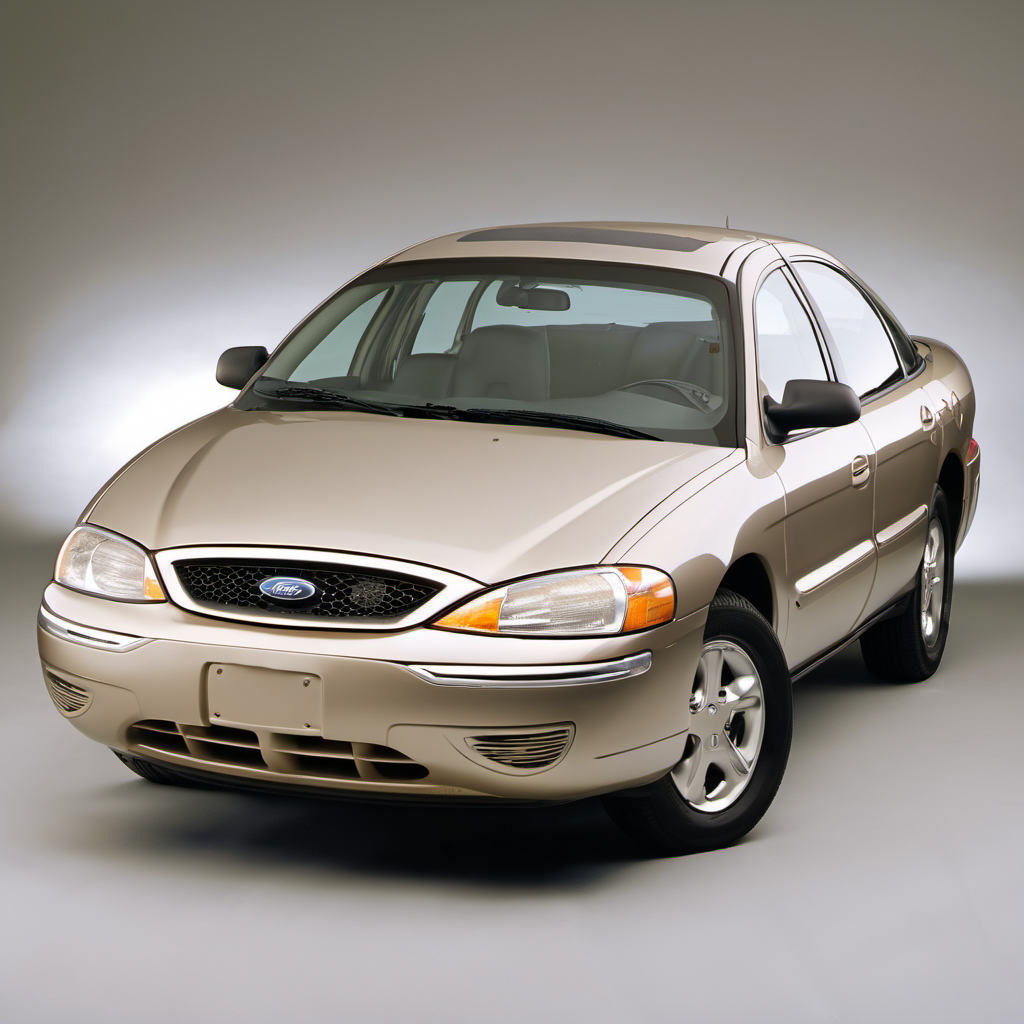
Same segment, similar price point, FWD full-size family sedan. The Taurus Vulcan V6 has fewer catastrophic failure tendencies than the 2.7L Intrepid, making it a safer used buy in the same budget range.
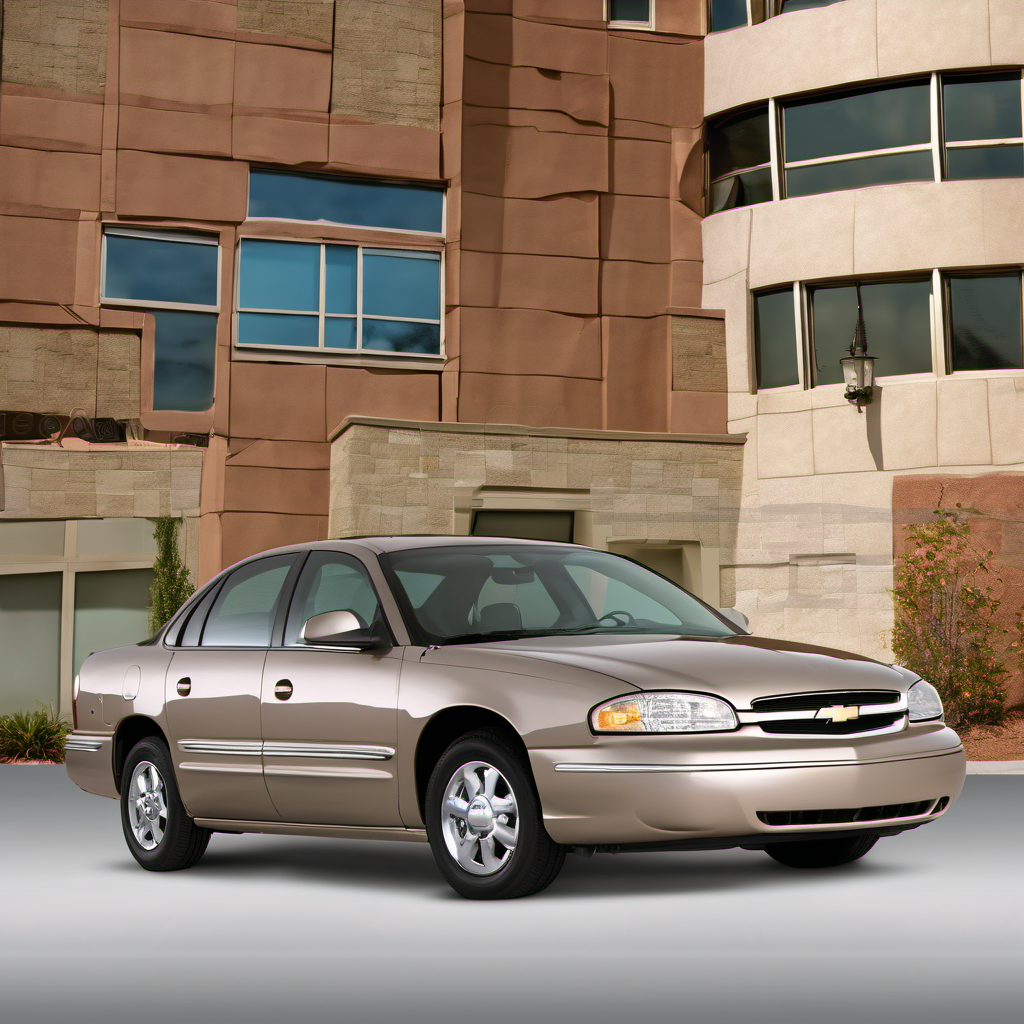
Direct competitor in size, price, and mission. The 3800 V6 in the Impala is widely regarded as one of the most durable domestic V6 engines of its era — substantially more reliable than the Intrepid's 2.7L.
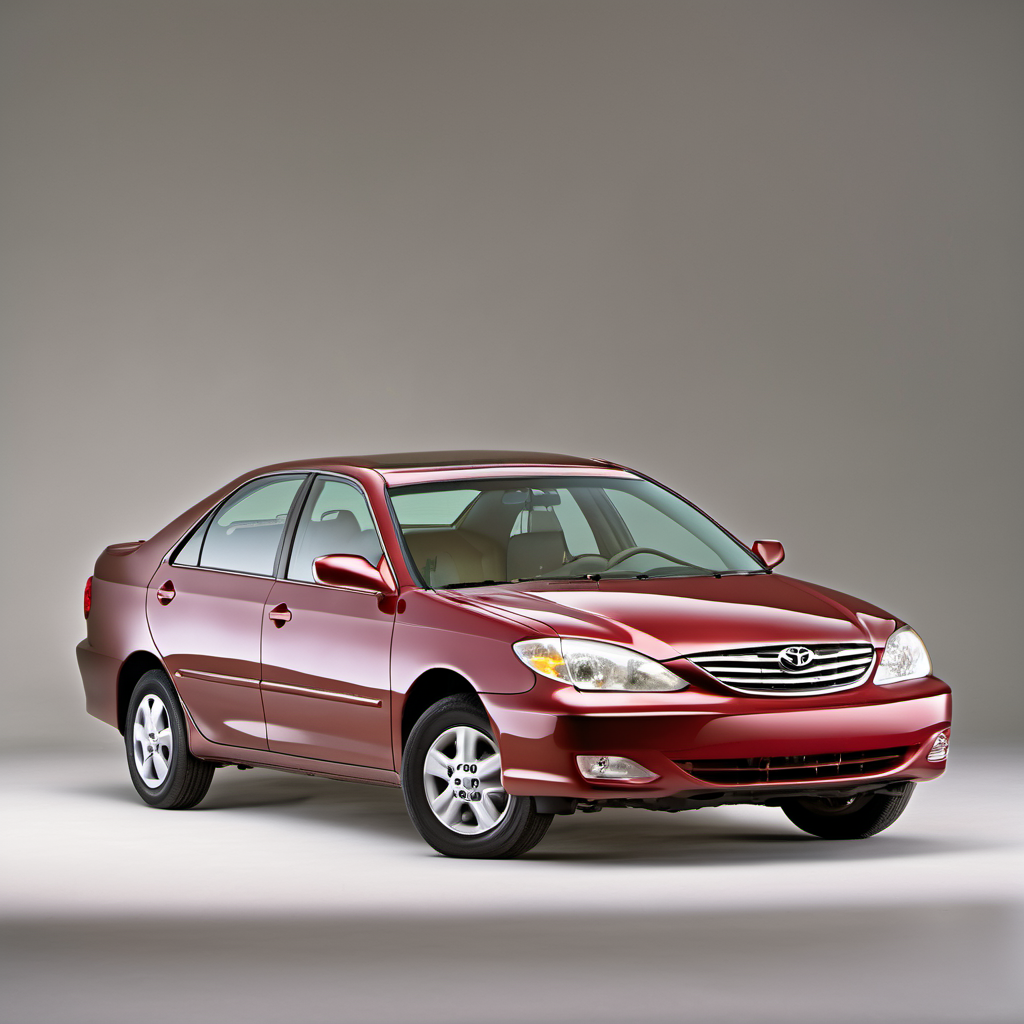
Slightly smaller but significantly more reliable. A same-vintage Camry will almost certainly outlast an Intrepid with less drama, though it commands a higher used price for that reason.
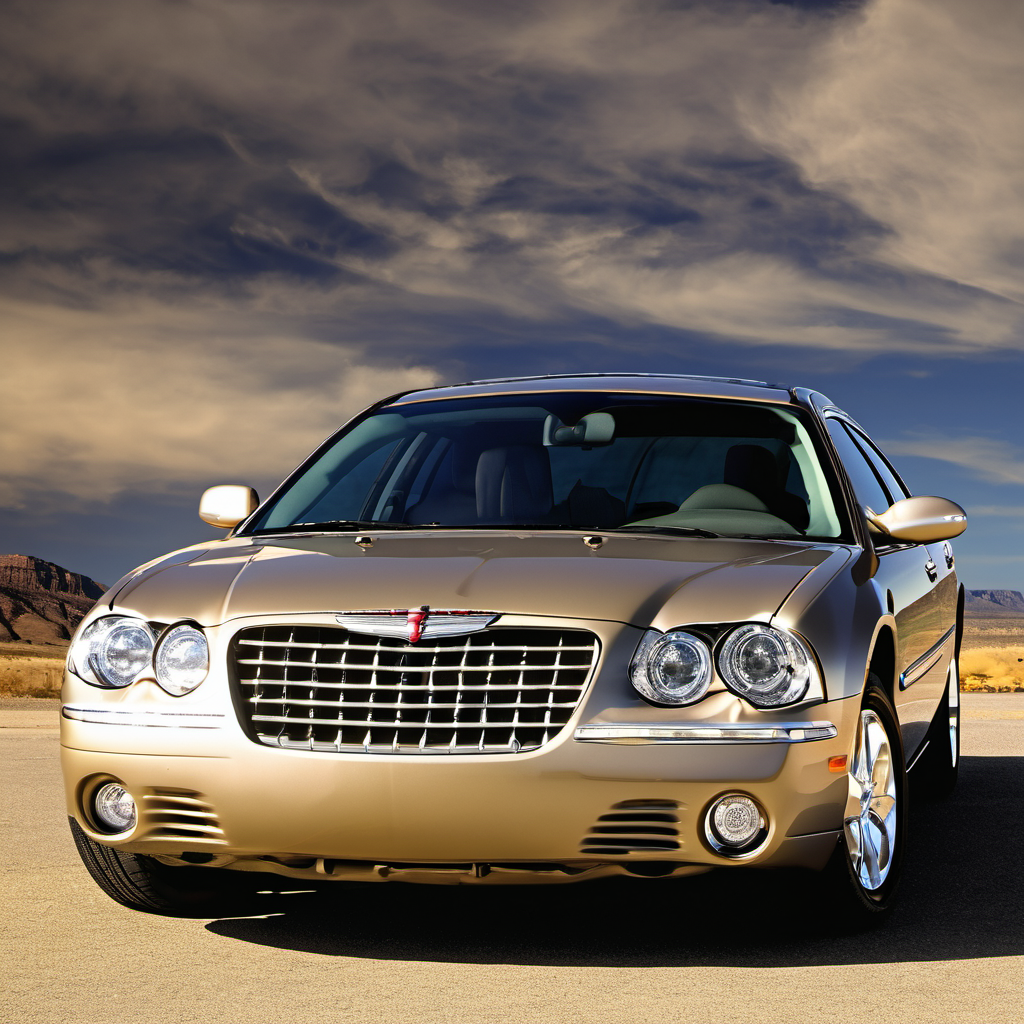
Shares the LH platform with the Intrepid but typically came with the more reliable 3.5L V6. If you want the Intrepid's bones without the 2.7L sludge risk, a 300M with a verified history is the smarter buy.