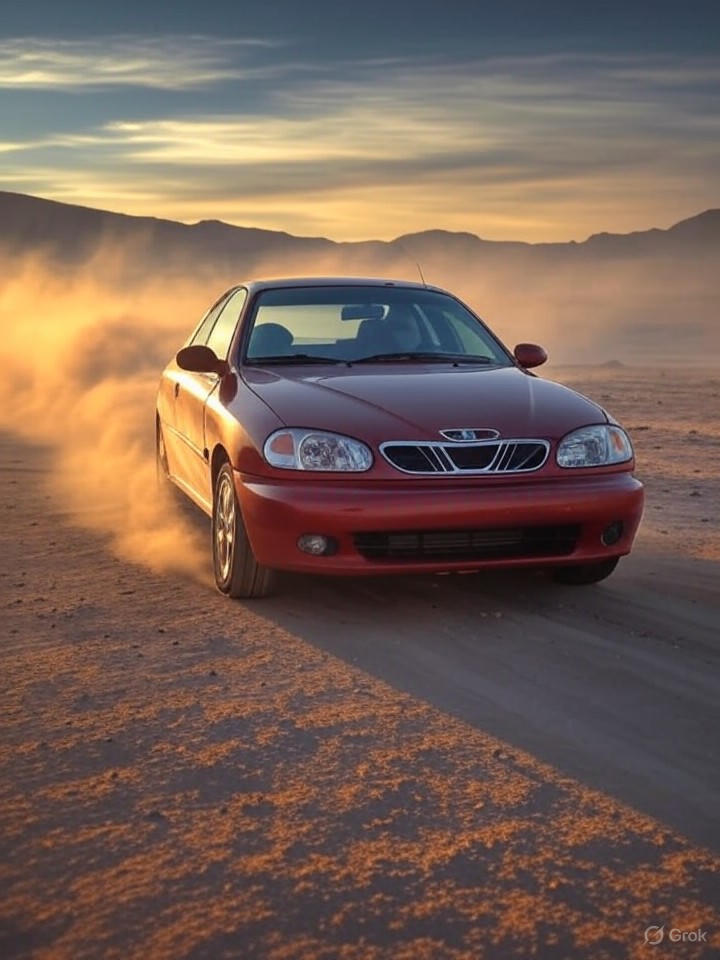
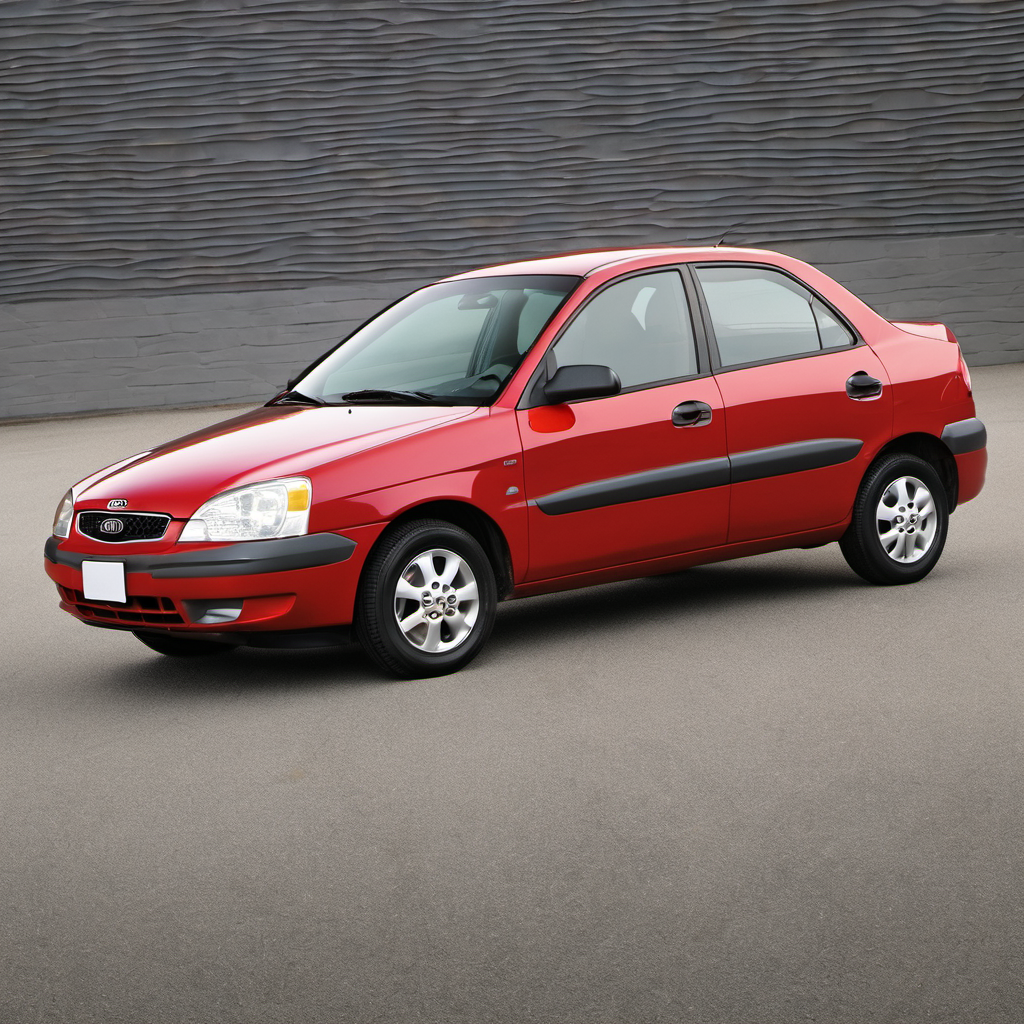
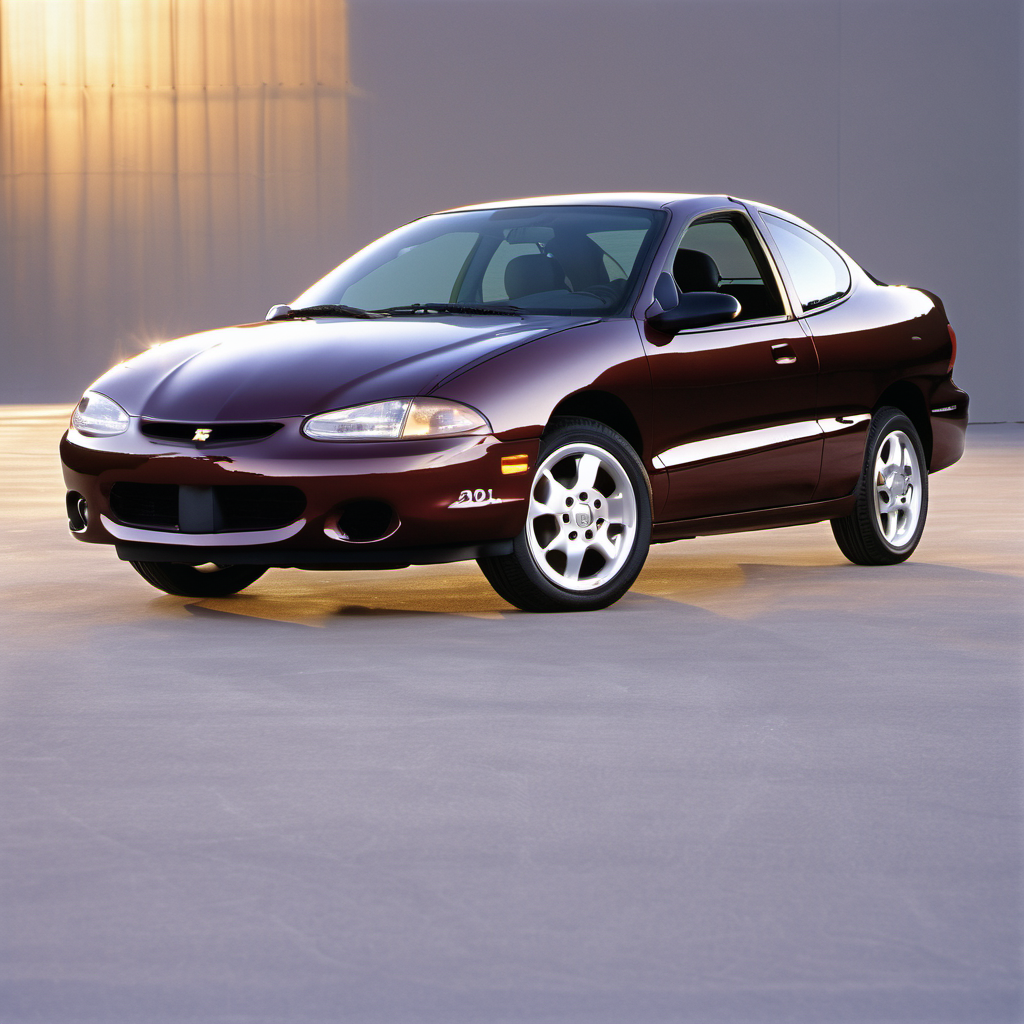
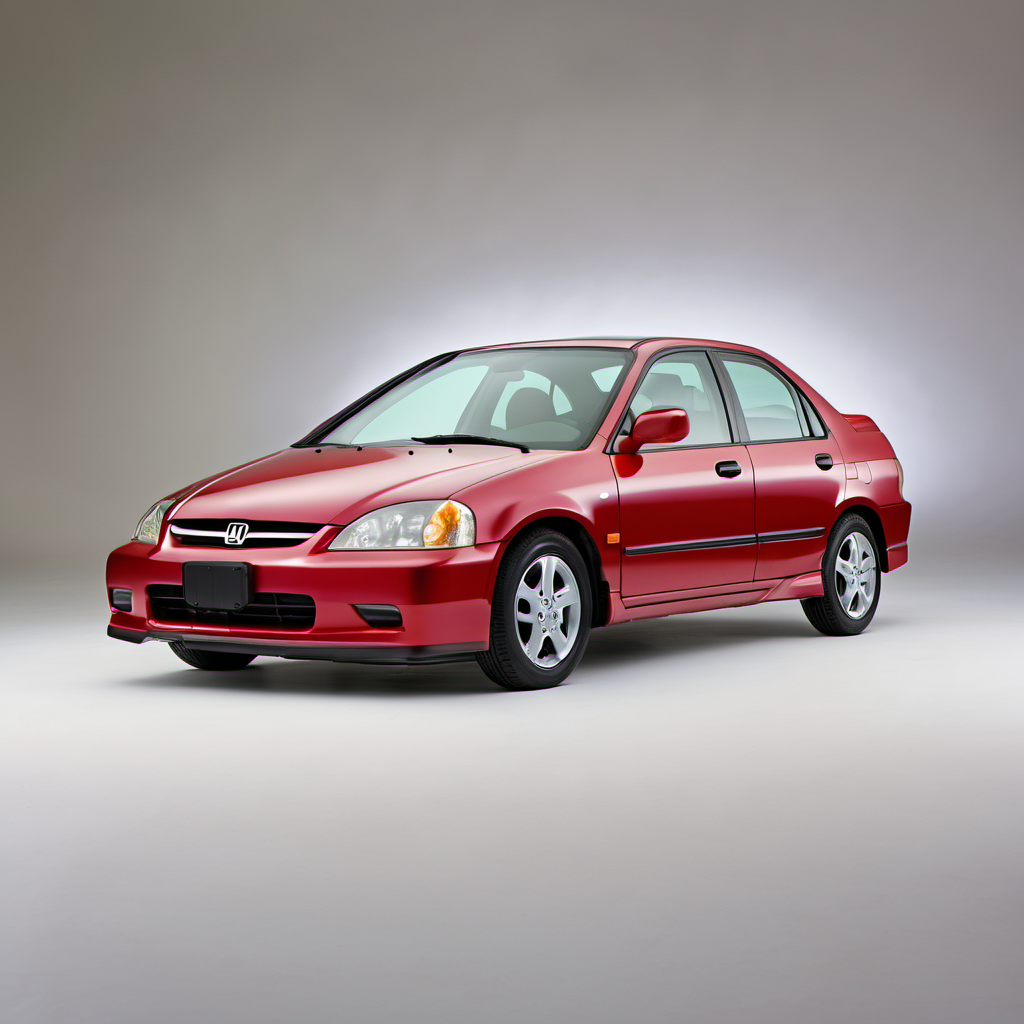
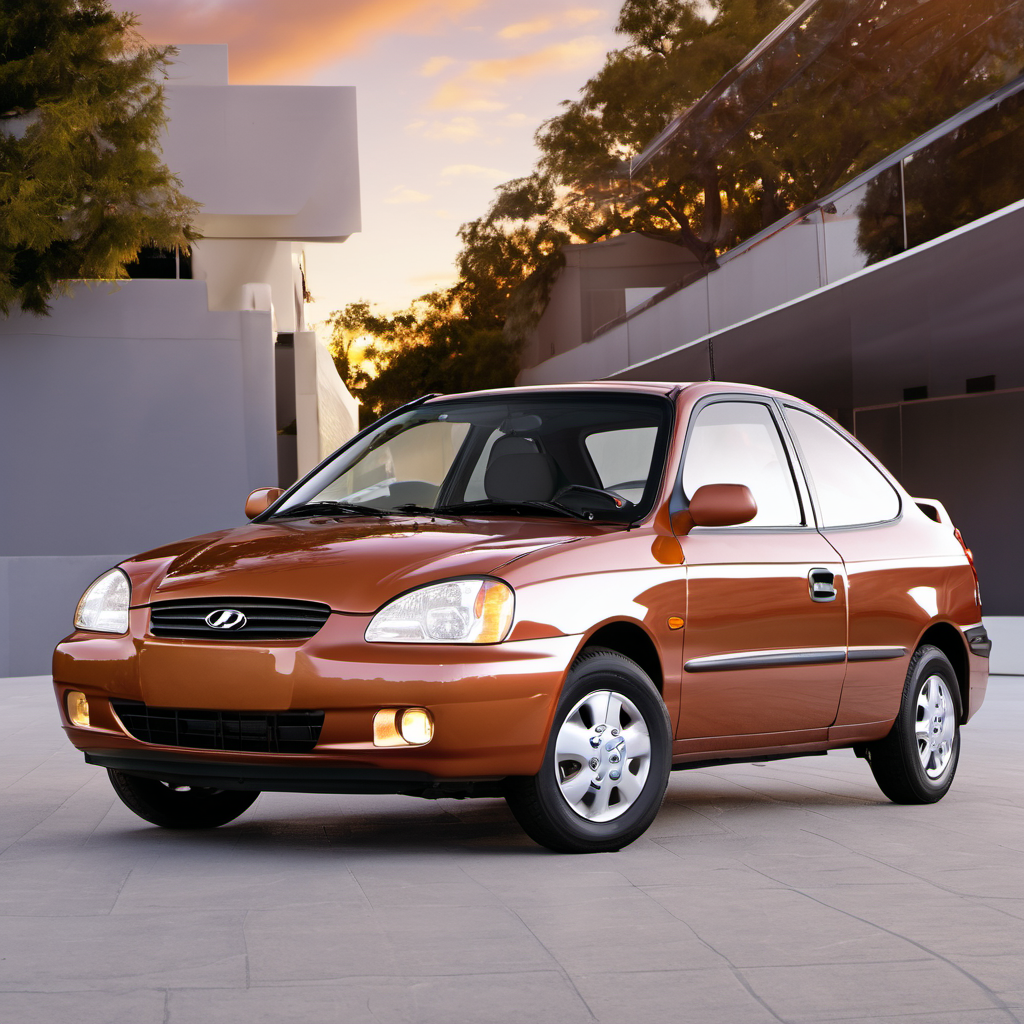
2002 Daewoo Lanos Sedan

2002 Daewoo

LanosSedan

Sedan

The 2002 Daewoo Lanos is a subcompact sedan that was sold in the US during Daewoo's short-lived American push in the late 1990s and early 2000s. It was built on a platform developed with input from GM and Italdesign, offering basic transportation at a low entry price. Daewoo's US operations collapsed in 2002, meaning this car has been without factory or dealer support for over two decades — that's the single biggest thing a potential buyer or current owner needs to understand. The Lanos paired a modest 1.6L four-cylinder with a simple, serviceable chassis. It was never fast or luxurious, but in its day it undercut nearly every competitor on sticker price. Parts availability has steadily shrunk since 2002, and finding a knowledgeable independent mechanic is the only realistic service path at this point. For anyone still driving one in 2024+, the mission is straightforward: keep the basic maintenance up, watch for rust (critical in Wisconsin salt country), and have realistic expectations about long-term parts sourcing. These are rare survivors, not investment vehicles.

Reliability
2/5
Verified data
Specs shown for Lanos — the most common configuration. Other trims may vary in engine, drivetrain, or fuel economy. Sign in to see your vehicle's exact specs.
Engine
[object Object]
Drivetrain
FWD
Fuel
Gasoline
MPG
20 city / 30 hwy / 23 combined
Seats
Doors
Body
Compact Cars

Overview

AI-curated

The 2002 Daewoo Lanos is a subcompact sedan that was sold in the US during Daewoo's short-lived American push in the late 1990s and early 2000s. It was built on a platform developed with input from GM and Italdesign, offering basic transportation at a low entry price. Daewoo's US operations collapsed in 2002, meaning this car has been without factory or dealer support for over two decades — that's the single biggest thing a potential buyer or current owner needs to understand. The Lanos paired a modest 1.6L four-cylinder with a simple, serviceable chassis. It was never fast or luxurious, but in its day it undercut nearly every competitor on sticker price. Parts availability has steadily shrunk since 2002, and finding a knowledgeable independent mechanic is the only realistic service path at this point. For anyone still driving one in 2024+, the mission is straightforward: keep the basic maintenance up, watch for rust (critical in Wisconsin salt country), and have realistic expectations about long-term parts sourcing. These are rare survivors, not investment vehicles.

Known for
  • Ultra-low original purchase price
  • Simple, relatively easy-to-work-on 1.6L engine
  • Compact, lightweight body — easy to maneuver in town
  • Brand collapse in 2002 left owners without OEM support
Best for
  • Budget-conscious commuters who already own one
  • Mechanically inclined owners comfortable sourcing rare parts
  • Short urban hops where reliability demands are modest
Watch for
  • Severe parts scarcity — many OEM parts are discontinued
  • Heavy rust on underbody and floor pans, especially in Midwest salt zones
  • Aging rubber: seals, hoses, and belts are now 20+ years old
  • No US dealer network; finding a shop familiar with this car is a real challenge
  • Thin resale value makes major repairs economically questionable

Common issues by mileage

6 known

Timing belt failure

high
Typically appears
60–100k mi
Estimated repair
$250 – $500

Underbody and floor pan rust

high
Typically appears
Any mileage on Midwest vehicles
Estimated repair
$300 – $2,000

Cooling system leaks (hoses, water pump, thermostat)

high
Typically appears
80k+ mi
Estimated repair
$150 – $550

Suspension wear (struts, CV axle boots, tie rod ends)

medium
Typically appears
70–130k mi
Estimated repair
$200 – $750

Electrical gremlins (aging wiring, corroded grounds)

medium
Typically appears
100k+ mi
Estimated repair
$100 – $600

Maintenance schedule

  1. 1
    Every 60k mi or 5 years, whichever comes first Timing belt replacement

    This is an interference engine — a snapped belt means bent valves and a very expensive repair on a car that may not be worth it. Do not skip or delay this service.

  2. 2
    Every 2 years Coolant flush and hose inspection

    Rubber hoses and the water pump are now 20+ years old. Coolant degrades and becomes corrosive. Inspect every hose for cracking and replace preventively.

  3. 3
    Every spring after winter Underbody rust inspection

    Wisconsin road salt accelerates rust on the subframe, brake lines, and fuel lines. Catch problems before they become structural or safety hazards.

  4. 4
    Annually Brake line inspection

    Steel brake lines on 20+ year old cars in salt states are a known failure risk. A rusted-through brake line is a no-warning safety emergency.

  5. 5
    Every 3,000–5,000 mi or 6 months Engine oil and filter change

    Older engine tolerances benefit from more frequent oil changes. Fresh oil is the cheapest form of engine protection on an engine you can no longer easily replace.

  6. 6
    Every 15,000–20,000 mi Air filter replacement

    A clogged air filter noticeably hurts performance and fuel economy on this small engine.

  7. 7
    Every fall before winter Battery load test

    Wisconsin winters are hard on batteries. A marginal battery that starts the car in October may leave you stranded in January.

  8. 8
    Every 30,000 mi CV axle boot inspection

    Torn CV boots let grease escape and allow water and dirt in, leading to axle failure. Catching a torn boot early is a $100 fix; ignoring it becomes a $400+ axle replacement.

Always defer to the manufacturer's service manual for warranty-mandated intervals.

Cost of ownership

Annual maintenance
$600 – $1,800
Fuel
At 23 MPG combined and Wisconsin average gas prices, expect roughly $1,400–$1,800/year for typical driving. The small tank (~11 gal) means frequent fill-ups.
Insurance
Insurance is generally very low — liability-only is common given the car's minimal market value. Full coverage may cost more annually than the car is worth.

Day-to-day costs are low when nothing breaks. The danger is that any significant repair — timing belt failure, major rust, or a hard-to-source part — can quickly exceed the car's market value. Budget for contingencies and know your exit point before investing in major repairs.
Seasonal care

Lake Geneva, WI
Winter
  • Test battery every fall — cold cranking amps drop sharply below 0°F and this is a known failure point in Wisconsin winters.
  • Switch to a full-synthetic 5W-30 oil if not already used; it flows better on sub-zero starts and reduces cold-start wear.
  • Inspect brake lines and fuel lines for rust pitting before winter — a corroded line under salt spray is a safety emergency waiting to happen.
  • Fill the washer reservoir only with rated -20°F or colder fluid; plain water or weak mix will freeze in the lines and crack the pump.
  • Check that all weather stripping seals properly — aged rubber on a 20-year-old car can crack and leak, leading to wet floors and accelerated floor pan rust.
  • Keep the fuel tank at least half full to reduce condensation in the tank and avoid fuel-line freeze in extreme cold.
Summer
  • Monitor coolant level and temperature gauge closely — the aging cooling system is prone to leaks and overheating in stop-and-go heat.
  • Check tire pressure monthly; heat causes pressure to rise roughly 1 PSI per 10°F of temperature increase, which can lead to uneven wear or a blowout.
  • Run the A/C system periodically and check for weak cooling — refrigerant leaks on a 20+ year old system are common and inexpensive to address before they worsen.
  • Inspect rubber belts and hoses for cracking or glazing; summer heat accelerates deterioration on already-aged components.

Comparable vehicles

If you're shopping for one

Red flags
  • Any signs of floor pan rust or soft spots in the carpet — structural rust can make the car unsafe and is not economically worth repairing.
  • Unknown timing belt history — if the seller can't document it, assume it's overdue and factor the cost into your offer.
  • Coolant leaks or overheating history — cooling system repairs require parts that may be hard to find.
  • Check engine light on with no explanation — parts to diagnose and repair OBD issues may simply not be available.
  • Any major collision repair: body panels and structural parts are effectively unobtainium at this point.
What to inspect
  • Underbody: look at subframe, brake lines, fuel lines, and floor pans for active rust or perforation.
  • Timing belt and accessory belts: ask for documentation; inspect for cracking or glazing.
  • All rubber hoses in the engine bay: squeeze them — they should feel firm and pliable, not hard and brittle.
  • CV axle boots: look for splits or grease flung onto the inside of the wheel well.
  • Brake calipers and rotors: surface rust is normal, but check for seized calipers and deeply grooved rotors.
  • Interior floor for moisture or rust bubbling through carpet, especially under the driver and passenger mats.
AI profile generated 11 days ago · claude-sonnet-4-6 · v2.