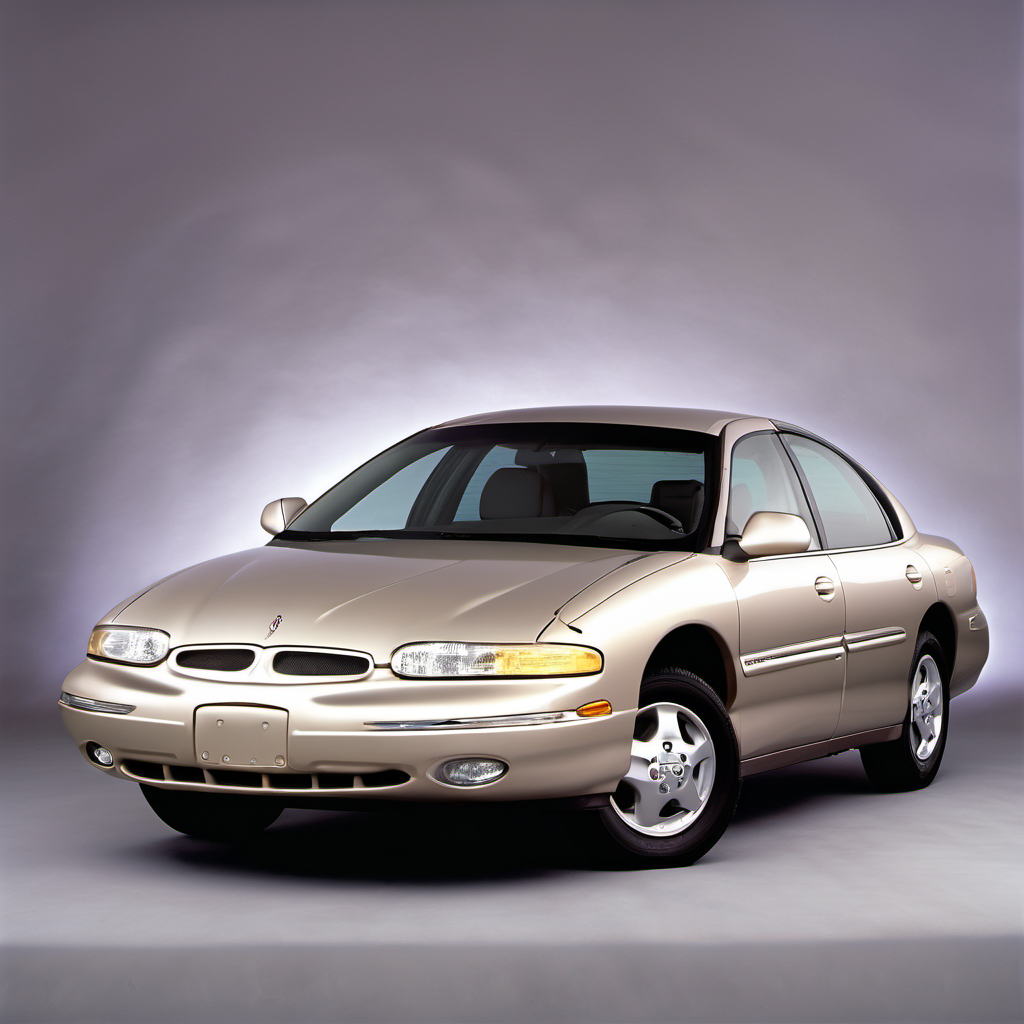
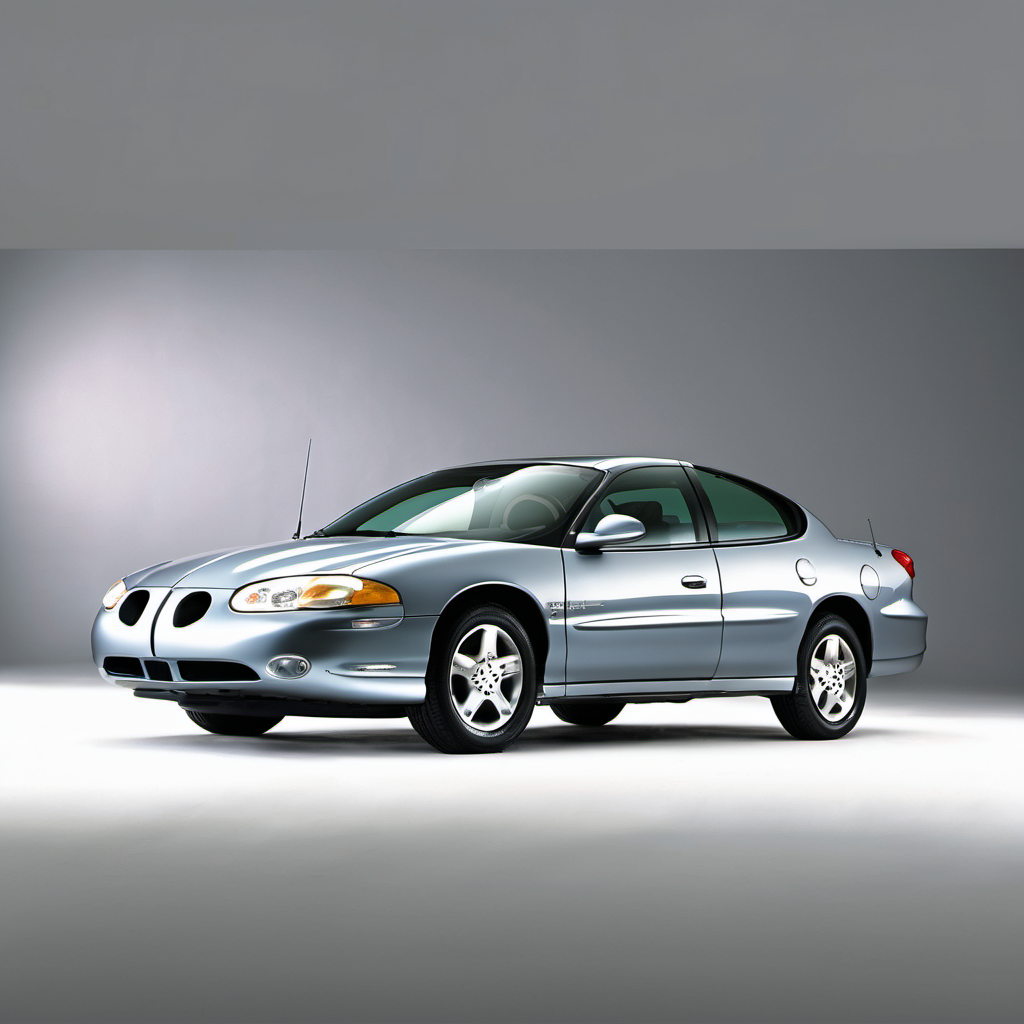
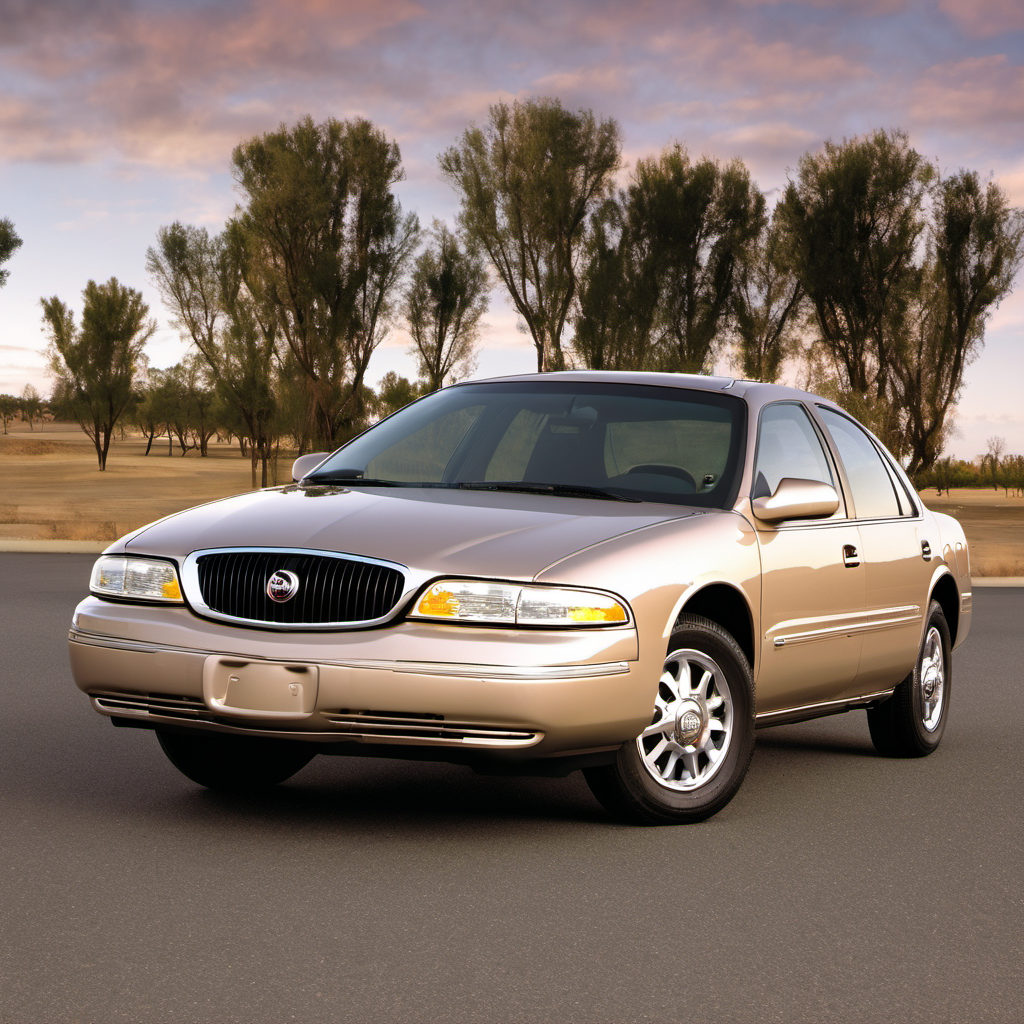
2002 Oldsmobile Intrigue Sedan

2002 Oldsmobile

IntrigueSedan

Sedan

The 2002 Oldsmobile Intrigue is a front-wheel-drive mid-size sedan that served as one of Oldsmobile's last attempts to compete with the Honda Accord and Toyota Camry before the brand was discontinued in 2004. Powered by GM's 3.5L V6 — a refined version of the 3.4L found in other GM products — the Intrigue offered a comfortable, composed ride with genuinely European-influenced handling for its era. It was reasonably well-equipped from the factory with features like a standard Monsoon audio system and Driver Information Center. By 2002, the Intrigue was in its final model year, which means parts availability has steadily declined. The car was never a high-volume seller, and that low production reality now makes some trim pieces, electronics, and body parts difficult to source. Mechanically, the 3.5L V6 and 4T65-E transmission are shared with other GM W-body cars (Century, Regal, Grand Prix), which helps on the repair side. For a daily driver in 2025, the Intrigue is a niche choice — best suited to someone who already owns one and wants to keep it running, or an enthusiast drawn to late-era GM styling. Expect to work harder to find parts than you would for a comparable Buick or Pontiac from the same platform.

Reliability
3/5
Verified data
Specs shown for Intrigue — the most common configuration. Other trims may vary in engine, drivetrain, or fuel economy. Sign in to see your vehicle's exact specs.
Engine
[object Object]
Drivetrain
FWD
Fuel
Gasoline
MPG
18 city / 27 hwy / 21 combined
Seats
Doors
Body
Midsize Cars

Overview

AI-curated

The 2002 Oldsmobile Intrigue is a front-wheel-drive mid-size sedan that served as one of Oldsmobile's last attempts to compete with the Honda Accord and Toyota Camry before the brand was discontinued in 2004. Powered by GM's 3.5L V6 — a refined version of the 3.4L found in other GM products — the Intrigue offered a comfortable, composed ride with genuinely European-influenced handling for its era. It was reasonably well-equipped from the factory with features like a standard Monsoon audio system and Driver Information Center. By 2002, the Intrigue was in its final model year, which means parts availability has steadily declined. The car was never a high-volume seller, and that low production reality now makes some trim pieces, electronics, and body parts difficult to source. Mechanically, the 3.5L V6 and 4T65-E transmission are shared with other GM W-body cars (Century, Regal, Grand Prix), which helps on the repair side. For a daily driver in 2025, the Intrigue is a niche choice — best suited to someone who already owns one and wants to keep it running, or an enthusiast drawn to late-era GM styling. Expect to work harder to find parts than you would for a comparable Buick or Pontiac from the same platform.

Known for
  • Comfortable, well-damped ride for a domestic sedan of its era
  • 3.5L V6 shared across GM W-body platform — mechanic familiarity helps
  • Refined interior with above-average noise insulation
  • European-influenced suspension tuning
  • Final model year of the Intrigue and near end-of-brand for Oldsmobile
Best for
  • Current owners keeping a reliable daily driver alive
  • Budget-conscious buyers comfortable with older GM repair patterns
  • Drivers who prioritize ride comfort over sportiness
  • DIY mechanics familiar with W-body GM platforms
Watch for
  • Declining OEM and aftermarket parts availability as a discontinued brand
  • Lower intake manifold gasket failure — a known W-body V6 weakness
  • Aging electronics including the instrument cluster and DIC
  • Coolant leaks that can go unnoticed and damage the engine
  • Rust on underbody, subframe, and brake lines from Wisconsin road salt exposure

Common issues by mileage

6 known

Lower Intake Manifold Gasket Failure

high
Typically appears
60–120k mi
Estimated repair
$400 – $750

Oxygen Sensor / Heater Circuit Failure

medium
Typically appears
80–130k mi
Estimated repair
$150 – $350

Instrument Cluster / Driver Information Center Malfunction

high
Typically appears
70–150k mi
Estimated repair
$150 – $450

4T65-E Transmission Solenoid or Shift Issues

medium
Typically appears
100–150k mi
Estimated repair
$300 – $1,200

Brake Line and Subframe Corrosion (Salt Belt)

high
Typically appears
Any mileage on WI/salt-road cars
Estimated repair
$400 – $1,800

Throttle Position Sensor / Idle Control Issues

medium
Typically appears
80–130k mi
Estimated repair
$100 – $300

Maintenance schedule

  1. 1
    Every 2 years or 30k mi — do not skip on this vehicle Coolant flush and system inspection

    The 3.5L V6 runs warm and the lower intake manifold gaskets are vulnerable to coolant leaks. Degraded coolant accelerates gasket failure and can cause internal engine contamination. Use the correct Dex-Cool formulation.

  2. 2
    Every 30–45k mi with independent shop fluid (not 'lifetime') Transmission fluid change

    The 4T65-E benefits greatly from regular fluid changes. At this age, 'lifetime' fluid has already lived its life. Fresh fluid extends solenoid and clutch pack life significantly.

  3. 3
    Every 30k mi Spark plug replacement

    The rear bank plugs on this transversely-mounted V6 are difficult to access. Staying on schedule avoids the risk of a seized plug pulling threads on an aging cylinder head.

  4. 4
    Every year — visual check each spring after winter Brake line inspection

    Wisconsin salt exposure causes brake line rust from the outside in. A failed brake line is a safety emergency. Catch pinhole rust before it becomes a blowout.

  5. 5
    Every 60–75k mi or at first sign of cracking/glazing Serpentine belt and tensioner replacement

    At 20+ years old, rubber components harden regardless of mileage. A snapped belt strands the car and kills the water pump drive simultaneously.

  6. 6
    Every fall before Wisconsin winter Battery load test

    Cold-cranking amps drop sharply in sub-zero temps. A battery that seems fine in September can fail to start the car in January. Test proactively, not reactively.

  7. 7
    Every 4–5 years Thermostat and hose inspection

    Aging thermostats on this engine can stick open (causing poor heat and fuel economy) or closed (causing overheating). Hoses become brittle and should be replaced before they fail.

  8. 8
    Every 2 weeks during winter salt season Underbody wash

    Road salt accelerates rust on the subframe, control arms, and brake hardware. Regular washing is the lowest-cost rust prevention available.

Always defer to the manufacturer's service manual for warranty-mandated intervals.

Cost of ownership

Annual maintenance
$600 – $1,400
Fuel
At 21 MPG combined and ~12,000 miles/year, expect roughly $1,500–$1,900/year at current Wisconsin pump prices.
Insurance
Generally low — older vehicle with modest book value. Liability-only coverage is common on cars this age. Expect $600–$1,000/year depending on driver history.

Day-to-day running costs are manageable, but the Intrigue's age means you should budget for at least one larger repair annually — cooling system, brakes, or electronics. Parts for Oldsmobile-specific components can carry a premium or require sourcing used. A healthy contingency fund of $500–$1,000 on top of routine maintenance is realistic for a Wisconsin-driven example.
Seasonal care

Lake Geneva, WI
Winter
  • Load-test the battery every fall — sub-zero temps expose a marginal battery immediately and this car's age makes it a top failure risk.
  • Switch to a winter-grade washer fluid rated to at least -20°F; the Intrigue's hood line makes clearing road spray critical for visibility.
  • Inspect wiper blades before first snowfall; consider winter-specific blades to handle ice and heavy snow without streaking.
  • Flush and inspect the cooling system — a slow leak that hides in summer becomes an overheating or freeze-up risk once temps drop.
  • Inspect brake lines for rust pitting each fall; brake failure on icy roads is catastrophic. Address any soft spots immediately.
  • Wash the underbody every two weeks through salt season to slow corrosion on subframe, control arms, and brake hardware.
Summer
  • Check tire pressure monthly — Wisconsin summer heat causes pressure to rise; overinflated tires reduce wet-road grip.
  • Inspect the A/C system for refrigerant charge and compressor operation; the condenser on older GM cars can clog with debris.
  • Watch coolant temperature closely during hot weather — a marginal thermostat or low coolant level can push this engine toward overheating when sitting in traffic.
  • Inspect the serpentine belt for cracking or glazing; heat accelerates rubber degradation on a 20+ year old car.
  • Check power steering fluid level; heat thins the fluid and leaks become more apparent in summer.
  • Inspect door and trunk seals for cracking to prevent water intrusion during summer storms.

Comparable vehicles

If you're shopping for one

Red flags
  • Any sign of coolant in the oil or oil in the coolant — walk away, this repair often exceeds the car's value.
  • Visible subframe or brake line rust through — structural and safety concern that can cost more to fix than the car is worth.
  • No maintenance records and high mileage — deferred maintenance on this platform is cumulative and expensive.
  • Transmission that slips, hunts for gears, or has delayed engagement — 4T65-E rebuilds start around $1,200 at an independent shop.
  • Check engine light that the seller recently cleared — ask for an OBD-II scan before purchase to see pending codes.
  • Heavily worn or cracked interior plastics combined with high mileage — signals a car that has not been cared for.
What to inspect
  • Pull the coolant reservoir cap cold and look for oily residue or milky discoloration — a sign of intake manifold gasket failure or head gasket compromise.
  • Check underneath for rust on the subframe mounting points, rear beam, and brake lines. Wisconsin cars frequently have advanced corrosion here by this age.
  • Verify the instrument cluster reads correctly — gauge failures and DIC malfunctions are common and a refurbished cluster may cost $200–$400.
  • Test the A/C, heat, and all power accessories (windows, locks, mirrors) — electrical gremlins on 20+ year old GM electronics are common and can be tedious to trace.
  • Ask for coolant service and transmission fluid service records; absence of either is a red flag on a car this old.
  • Listen for rough idle, hesitation, or surging — can indicate intake gasket leak, TPS wear, or coil pack issues.
AI profile generated 11 days ago · claude-sonnet-4-6 · v2.