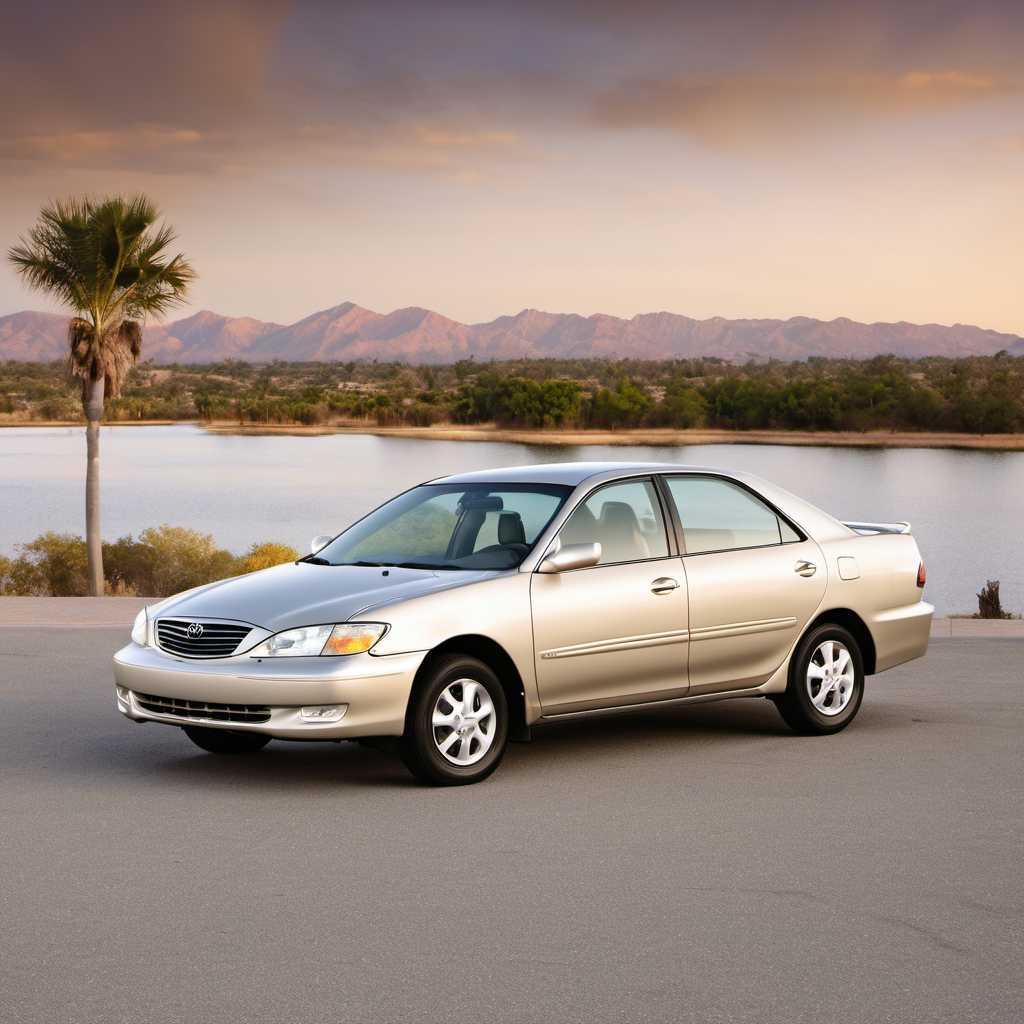
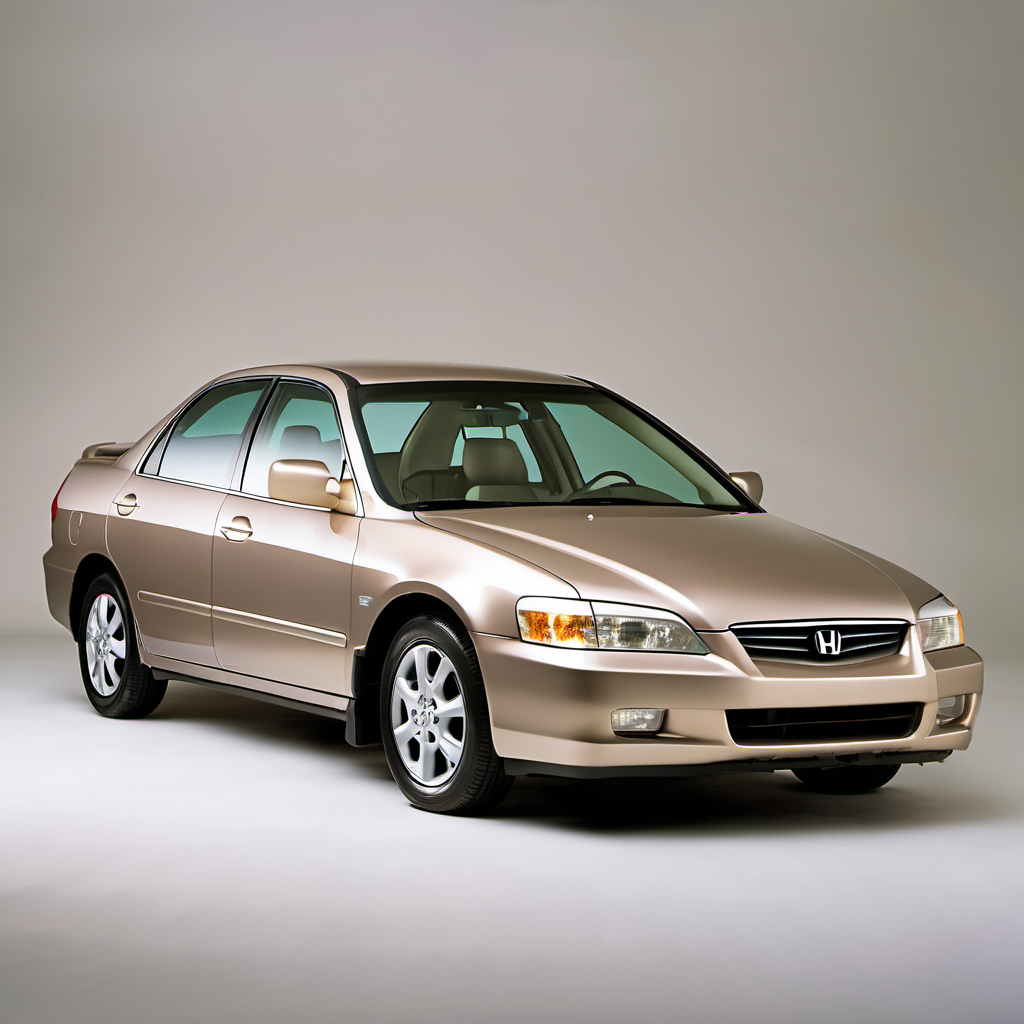
2001 Toyota Camry Sedan

2001 Toyota

CamrySedan

Sedan

The 2001 Toyota Camry is the fourth generation of America's best-selling sedan, built during Toyota's peak reputation for bulletproof reliability. Powered by either a 2.2L four-cylinder or an optional 3.0L V6, the four-cylinder version is the most common configuration and is widely regarded as one of the most dependable engines Toyota ever produced. At over 20 years old now, well-maintained examples are still common on the road with 200,000+ miles on the clock. This generation (1997–2001) offered a spacious, comfortable interior, a smooth ride, and enough features to satisfy most drivers without overcomplicating ownership. It's not exciting, but that's exactly the point — the Camry was engineered to be inoffensive, dependable, and cheap to maintain over the long haul. At this age, the conversation shifts from 'is it reliable?' to 'has it been maintained?' Rust, neglected cooling systems, and worn suspension bushings are the primary concerns on a 20+ year old Camry in the upper Midwest. A good pre-purchase inspection at an independent shop is money well spent.

Reliability
4/5
Verified data
Specs shown for Camry Solara Convertible — the most common configuration. Other trims may vary in engine, drivetrain, or fuel economy. Sign in to see your vehicle's exact specs.
Engine
[object Object]
Drivetrain
FWD
Fuel
Gasoline
MPG
19 city / 26 hwy / 22 combined
Seats
Doors
Body
Subcompact Cars

Overview

AI-curated

The 2001 Toyota Camry is the fourth generation of America's best-selling sedan, built during Toyota's peak reputation for bulletproof reliability. Powered by either a 2.2L four-cylinder or an optional 3.0L V6, the four-cylinder version is the most common configuration and is widely regarded as one of the most dependable engines Toyota ever produced. At over 20 years old now, well-maintained examples are still common on the road with 200,000+ miles on the clock. This generation (1997–2001) offered a spacious, comfortable interior, a smooth ride, and enough features to satisfy most drivers without overcomplicating ownership. It's not exciting, but that's exactly the point — the Camry was engineered to be inoffensive, dependable, and cheap to maintain over the long haul. At this age, the conversation shifts from 'is it reliable?' to 'has it been maintained?' Rust, neglected cooling systems, and worn suspension bushings are the primary concerns on a 20+ year old Camry in the upper Midwest. A good pre-purchase inspection at an independent shop is money well spent.

Known for
  • Exceptional long-term engine reliability
  • Low cost of ownership and widely available parts
  • Comfortable, practical family sedan packaging
  • Strong resale value and high production volume
Best for
  • Budget-conscious buyers wanting proven reliability
  • High-mileage daily drivers
  • First-time used car buyers
  • Owners who do basic maintenance themselves
Watch for
  • Rust on frame, subframe, and brake lines common in Wisconsin salt belt
  • Neglected timing belt (2.2L is interference engine — skipped belt = engine damage)
  • Oil sludge in engines that went long periods without oil changes
  • Worn or cracked coolant hoses and aging radiator at this age

Common issues by mileage

6 known

Timing belt failure (interference engine)

high
Typically appears
60–105k mi (then every 90k)
Estimated repair
$450 – $750

Oil sludge buildup

medium
Typically appears
80–150k mi
Estimated repair
$300 – $1,200

Oxygen sensor failure

medium
Typically appears
100–150k mi
Estimated repair
$150 – $350

Brake line and fuel line rust/corrosion

high
Typically appears
Any mileage on salt-belt vehicles
Estimated repair
$400 – $1,500

Coolant system failure (radiator, hoses, thermostat)

medium
Typically appears
100–180k mi
Estimated repair
$200 – $700

Worn front struts and suspension bushings

high
Typically appears
100k+ mi
Estimated repair
$400 – $900

Maintenance schedule

  1. 1
    Every 90,000 miles or 72 months Timing belt and water pump replacement

    The 2.2L 5S-FE is an interference engine — if the belt breaks, valves hit pistons and you're looking at an engine rebuild. Always replace the water pump at the same time since labor is shared. On a 2001 model, assume this is overdue unless you have paperwork.

  2. 2
    Every 5,000 miles or 6 months Engine oil and filter change

    This engine is susceptible to oil sludge if intervals are stretched. Stick to 5,000-mile changes with conventional oil, or 7,500 with full synthetic. Do not skip or delay — sludge damage is expensive and not covered by any warranty.

  3. 3
    Every 2 years or 30,000 miles Coolant flush

    Old coolant loses its corrosion inhibitors and attacks the aluminum head. On a 20+ year old car, inspect all hoses and the radiator while you're in there.

  4. 4
    Every 2 years Brake fluid flush

    Brake fluid absorbs moisture over time, lowering its boiling point. On a Wisconsin vehicle, also have brake lines inspected for rust perforation at each visit.

  5. 5
    Every 30,000 miles (copper/standard plugs) Spark plugs

    The 5S-FE responds well to fresh plugs. Worn plugs cause misfires and hurt fuel economy. Straightforward DIY job on this engine.

  6. 6
    Every 60,000 miles or at timing belt service Inspect and replace serpentine and accessory belts

    All rubber belts degrade with age, not just mileage. On a 20-year-old vehicle, replace on a calendar basis regardless of visual appearance.

  7. 7
    Every 30,000 miles (more frequent if towing or stop-and-go) Transmission fluid change

    Toyota's 4-speed automatic is durable but benefits from clean fluid. Drain-and-fill is preferred over a full flush on high-mileage transmissions.

  8. 8
    Every 3–5 years, or at first sign of slow cranking Battery inspection and replacement

    Wisconsin winters are brutal on aging batteries. A battery that marginal starts in October may not start in January. Test the battery every fall.

Always defer to the manufacturer's service manual for warranty-mandated intervals.

Cost of ownership

Annual maintenance
$400 – $900
Fuel
At 22 MPG combined, expect roughly $1,500–$2,100/year based on 12,000 miles annually and current Midwest regular-grade fuel prices.
Insurance
Typically low — older vehicle with high parts availability. Expect $600–$1,100/year for full coverage depending on driving history and coverage levels.

The 2001 Camry is one of the cheapest sedans to own in its class. Parts are abundant, labor is straightforward, and nothing on this car requires specialty tooling. Annual maintenance costs are modest when the car is kept up. The big expenses to plan for at this age are a timing belt (if not done), any rust remediation, and eventual strut replacement — budget for those as one-time catch-up costs separate from routine maintenance.
Seasonal care

Lake Geneva, WI
Winter
  • Test the battery every fall — cold cranking amps drop sharply below 20°F and an aging battery that passes in September can leave you stranded in January.
  • Switch to a full synthetic 5W-30 if running conventional oil — it flows better at sub-zero temperatures for easier cold starts and faster oil circulation.
  • Inspect and replace wiper blades before first snowfall; use winter-rated blades to prevent ice packing in the blade frame.
  • Fill the windshield washer reservoir with fluid rated to at least -20°F — standard summer fluid will freeze solid in the lines.
  • Check brake lines, fuel lines, and undercarriage for rust and salt corrosion each fall; treat exposed metal and address any pinhole leaks before winter.
  • Keep the gas tank at least half full in extreme cold to reduce moisture condensation in the fuel system and add weight over the drive wheels.
Summer
  • Inspect the cooling system before summer heat — check hoses for cracks, the radiator for leaks, and coolant level and condition. Overheating is a real risk on a 20-year-old cooling system.
  • Check tire pressure monthly — tire pressure drops about 1 PSI for every 10°F change in temperature; summer heat causes overinflation that increases blowout risk.
  • Test the A/C system in spring before you need it — recharging R-134a refrigerant and checking for leaks is cheaper when planned than when it's 90°F.
  • Inspect the serpentine belt for cracking and glazing; heat accelerates rubber degradation and a snapped belt strands you and may cause overheating.

Comparable vehicles

If you're shopping for one

Red flags
  • No oil change records or evidence of very long oil change intervals
  • Timing belt replacement cannot be documented — assume it's never been done
  • Visible rust bubbling on rocker panels, wheel arches, or along the rear subframe
  • Coolant that looks brown, rusty, or has visible debris — indicates a neglected or leaking cooling system
  • Any sign of oil in the coolant or coolant in the oil (white smoke, milky dipstick) — possible head gasket failure
  • Soft or spongy brake pedal, or visible rust scaling on brake calipers
What to inspect
  • Pull the oil filler cap and look for brown, mayonnaise-like sludge — a sign of chronic oil neglect that can mean expensive internal engine damage.
  • Get underneath and inspect brake lines, fuel lines, and the subframe for rust perforation — this is the #1 killer of otherwise good Camrys in Wisconsin.
  • Ask for timing belt service records. If the owner can't produce them, budget for an immediate replacement and negotiate accordingly.
  • Check all four corners of the floorboards and trunk for moisture or rust-through — common on high-mileage salt-belt sedans.
  • Start the engine cold and listen for ticking or rattling during the first 10–15 seconds — valve train noise on cold start can signal sludge restricting oil flow.
  • Test the A/C, heat, and all power accessories — climate controls and window switches on this era Camry can develop intermittent faults.
AI profile generated 17 days ago · claude-sonnet-4-6 · v2.