Intake manifold coolant crossover leak (Duratec 3.0L)
high- Typically appears
- 60–120k mi
- Estimated repair
- $400 – $750
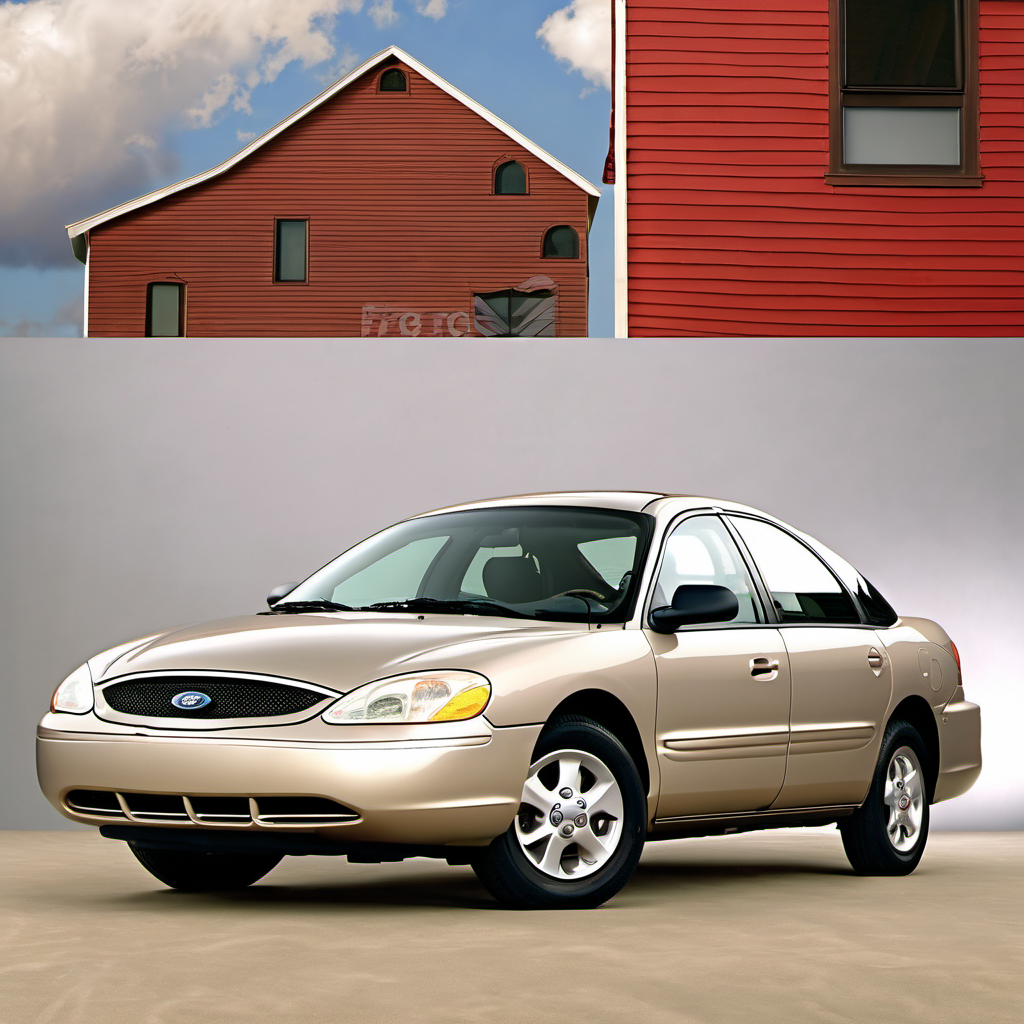
2001 Ford
Sedan
The 2001 Ford Taurus was one of America's best-selling family sedans for good reason — it offered a comfortable ride, a roomy interior, and a proven V6 powertrain at an accessible price. By 2001 Ford had refined the Taurus through several generations, and this model year sits in the last major body style before a refresh, meaning parts availability is excellent and any independent shop knows this car well. The 3.0L Vulcan V6 is the workhorse engine in the base and mid trims — a simple, 2-valve-per-cylinder design that is genuinely robust when maintained. The optional 3.0L DOHC Duratec (4-valve, as noted in the data) is smoother and more powerful but comes with higher maintenance complexity and a known coolant leak issue at the intake manifold. At 20+ years old, any surviving 2001 Taurus should be evaluated as a high-mileage used vehicle. Rust is the primary enemy here in Lake Geneva — Wisconsin salt exposure over two decades can compromise floor pans, subframe mounts, and brake lines. The bones of the car are sound, but condition is everything at this age.
The 2001 Ford Taurus was one of America's best-selling family sedans for good reason — it offered a comfortable ride, a roomy interior, and a proven V6 powertrain at an accessible price. By 2001 Ford had refined the Taurus through several generations, and this model year sits in the last major body style before a refresh, meaning parts availability is excellent and any independent shop knows this car well. The 3.0L Vulcan V6 is the workhorse engine in the base and mid trims — a simple, 2-valve-per-cylinder design that is genuinely robust when maintained. The optional 3.0L DOHC Duratec (4-valve, as noted in the data) is smoother and more powerful but comes with higher maintenance complexity and a known coolant leak issue at the intake manifold. At 20+ years old, any surviving 2001 Taurus should be evaluated as a high-mileage used vehicle. Rust is the primary enemy here in Lake Geneva — Wisconsin salt exposure over two decades can compromise floor pans, subframe mounts, and brake lines. The bones of the car are sound, but condition is everything at this age.
The Duratec's plastic coolant crossover and manifold gaskets degrade over time and heat cycles. Catching a seep early avoids a full overheating event and head gasket damage.
Ford's 'lifetime' fluid recommendation is not realistic on a 20-year-old transmission. Fresh Mercon V fluid is cheap insurance against slipping and solenoid wear.
Steel brake lines on cars this age rust from the inside out in salt-belt states. A line failure is a safety emergency. Inspect every fall.
The Duratec uses conventional spark plugs; worn plugs cause misfires and hurt fuel economy. Wires crack and arc in cold Wisconsin winters.
Cold-cranking demand at sub-zero temps will expose a weak battery. A battery 4+ years old should be load-tested and replaced proactively.
Belt rubber hardens in cold and cracks. A broken belt strands the car and kills the alternator and water pump simultaneously on this engine layout.
FWD sedans of this era wear front suspension components faster than rear. Worn joints affect alignment, tire wear, and safe handling on winter roads.
At 20+ years old, bare metal under the car is actively corroding. An oil-based undercoat spray applied by a shop extends subframe, floor pan, and suspension bracket life significantly.
Always defer to the manufacturer's service manual for warranty-mandated intervals.
The 2001 Taurus is one of the cheapest domestic sedans to own at this price point. Parts are plentiful, labor is straightforward, and nothing requires specialty tooling. The main financial wildcard is deferred maintenance on a used example — a transmission rebuild or intake manifold job can run $1,500–$2,800 if neglected. Budget more conservatively if the car's service history is unknown.
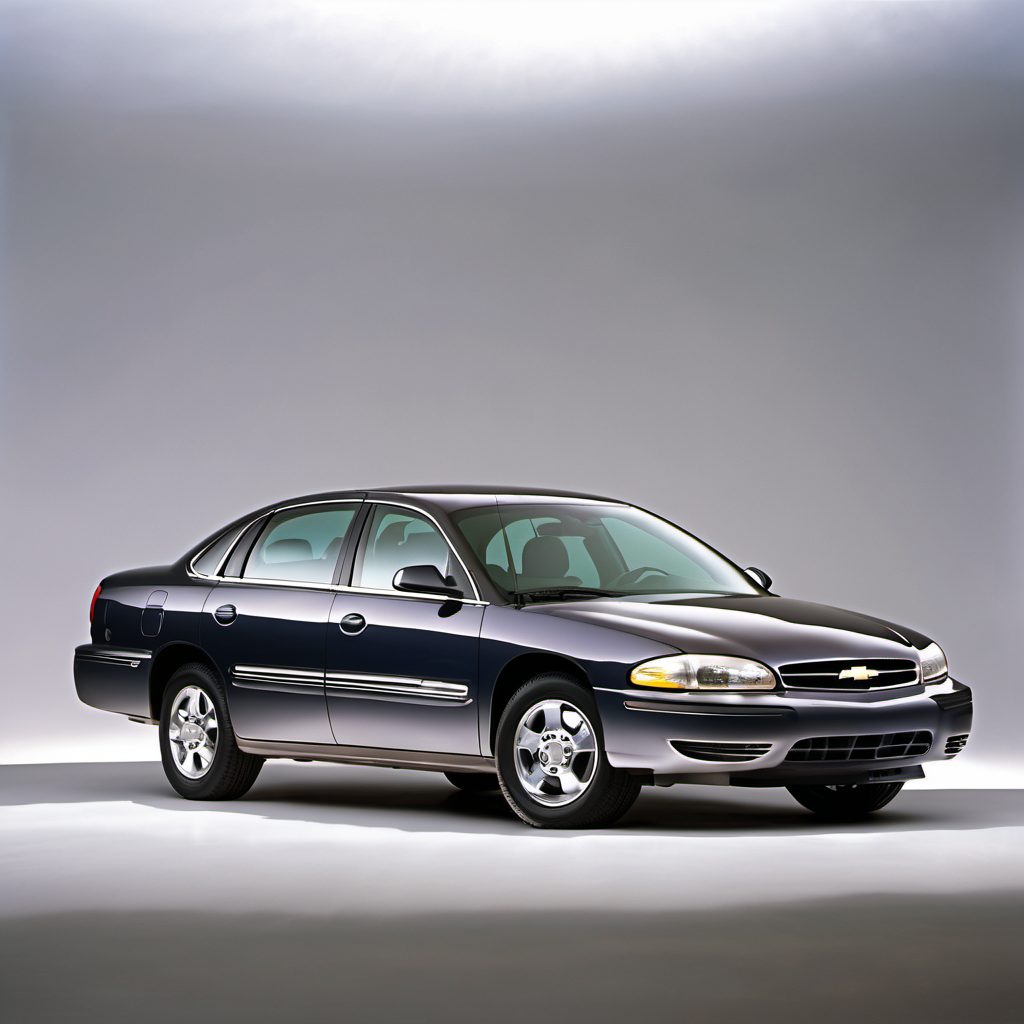
Same era FWD family sedan, 3.4L or 3.8L V6, similar price and parts availability. The 3.8L is arguably more robust than the Duratec.
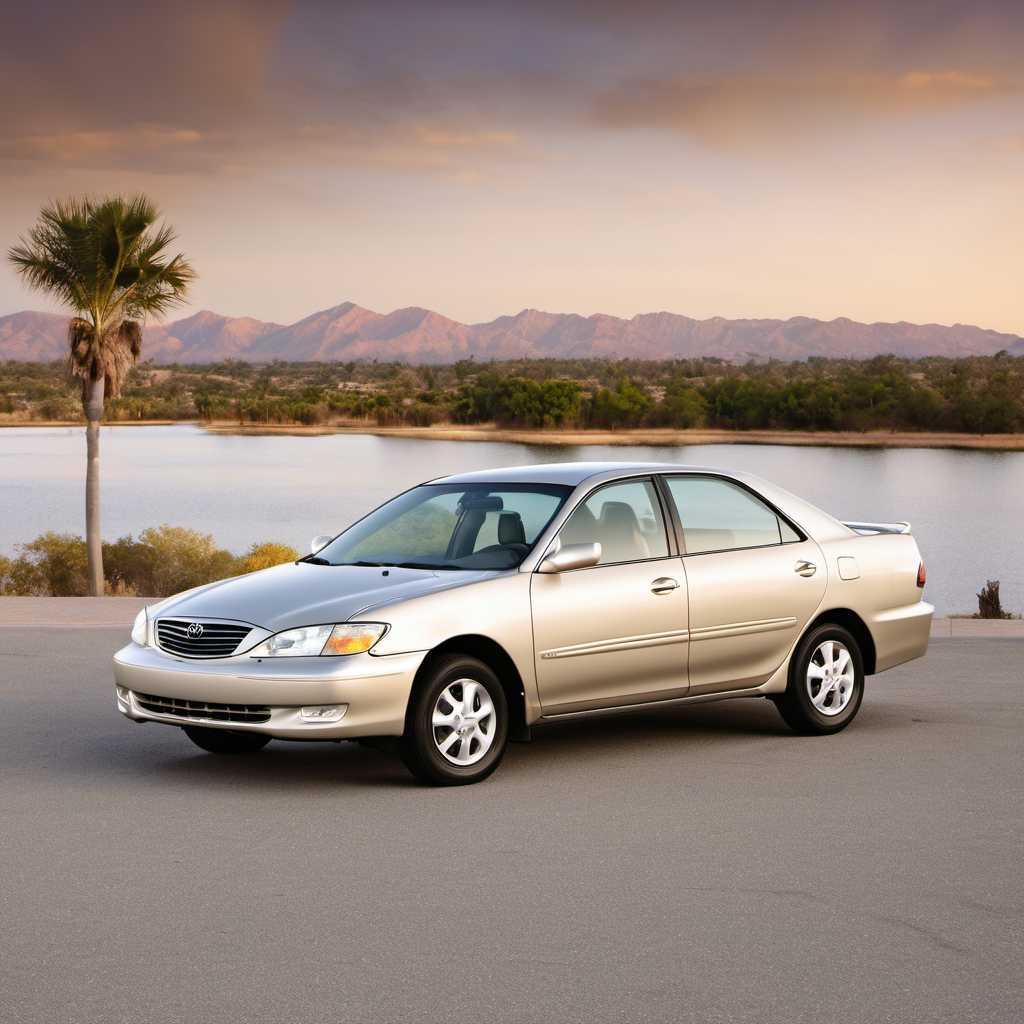
Direct competitor in the mid-size family sedan space. Generally commands a higher used price but offers a stronger reliability track record at high mileage.
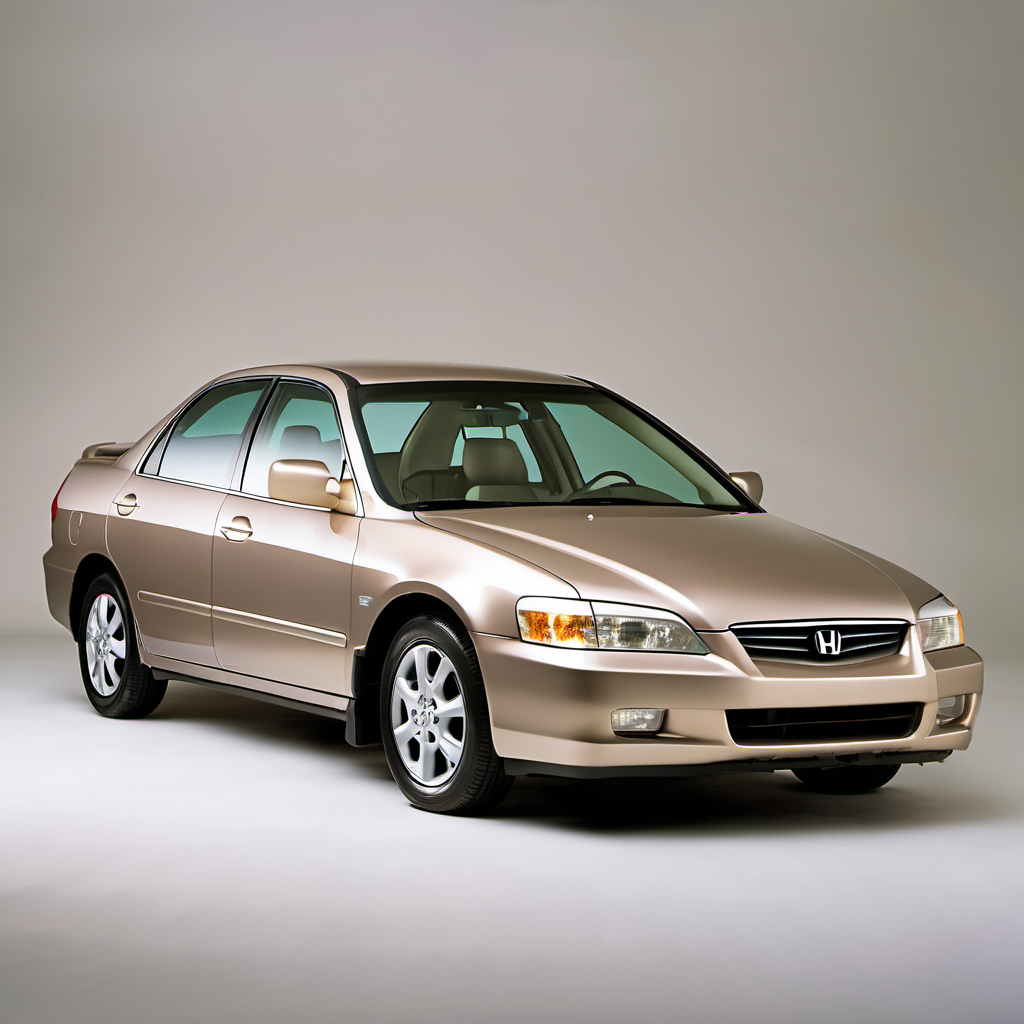
Similar mission and price bracket. The Accord's 4-cylinder or V6 options both outlast the Taurus on average, though rust resistance is also a concern at this age in the Midwest.
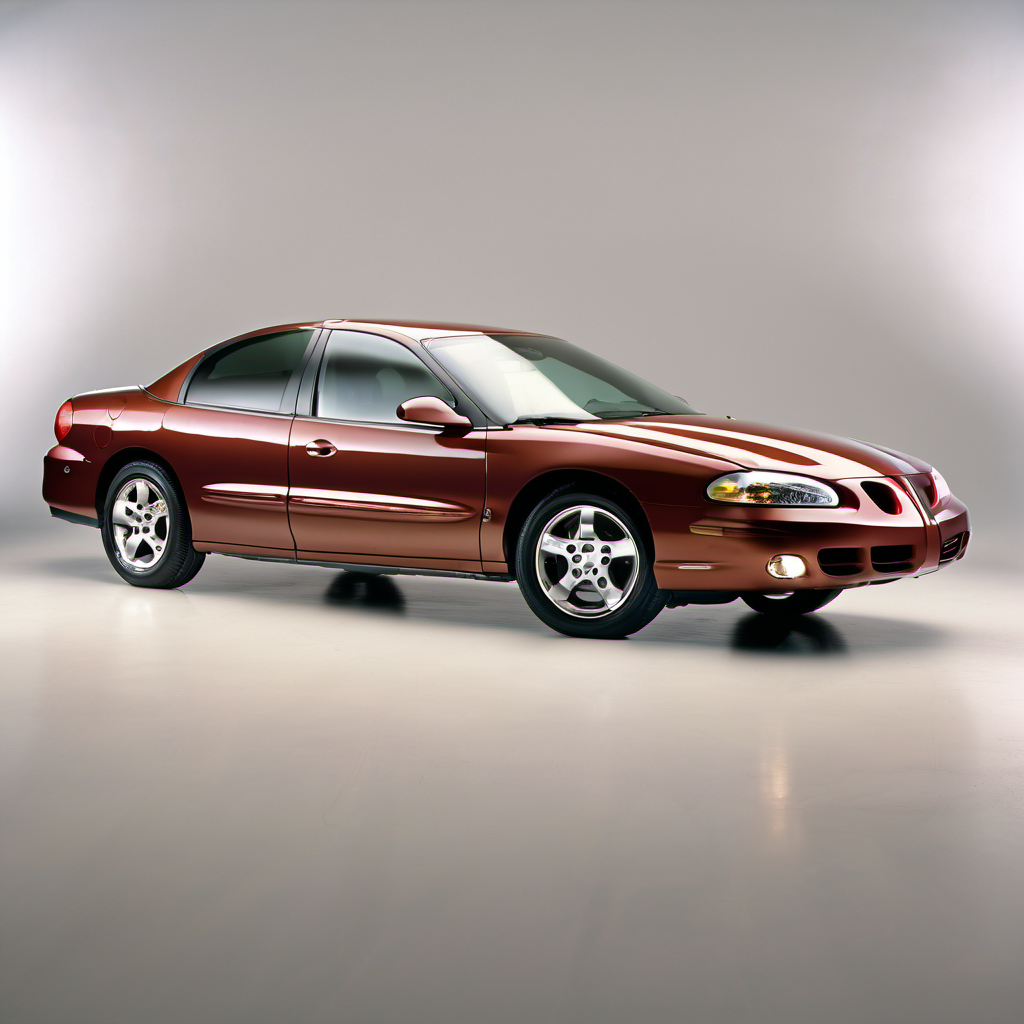
GM's comparable FWD V6 sedan from the same period. The 3800 Series II V6 is one of the most reliable engines of the era; parts are equally cheap and available.