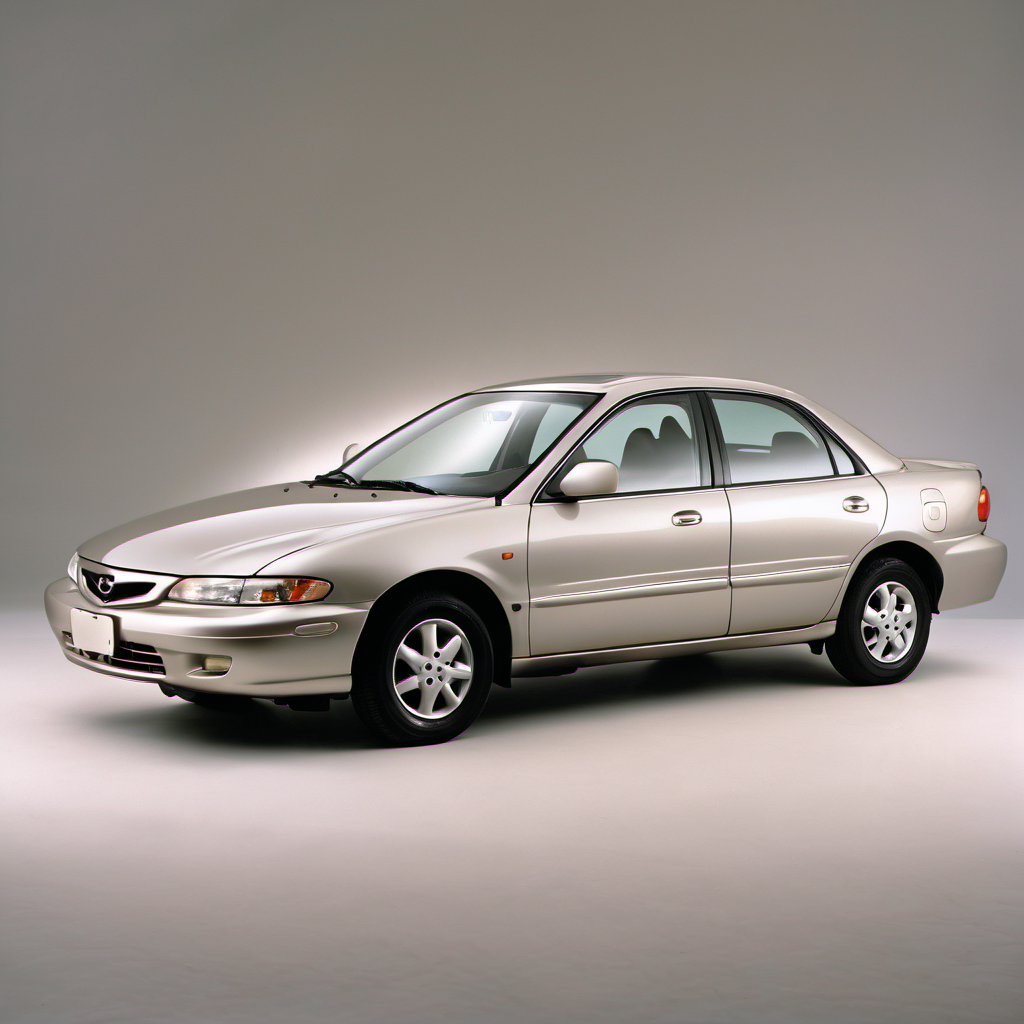
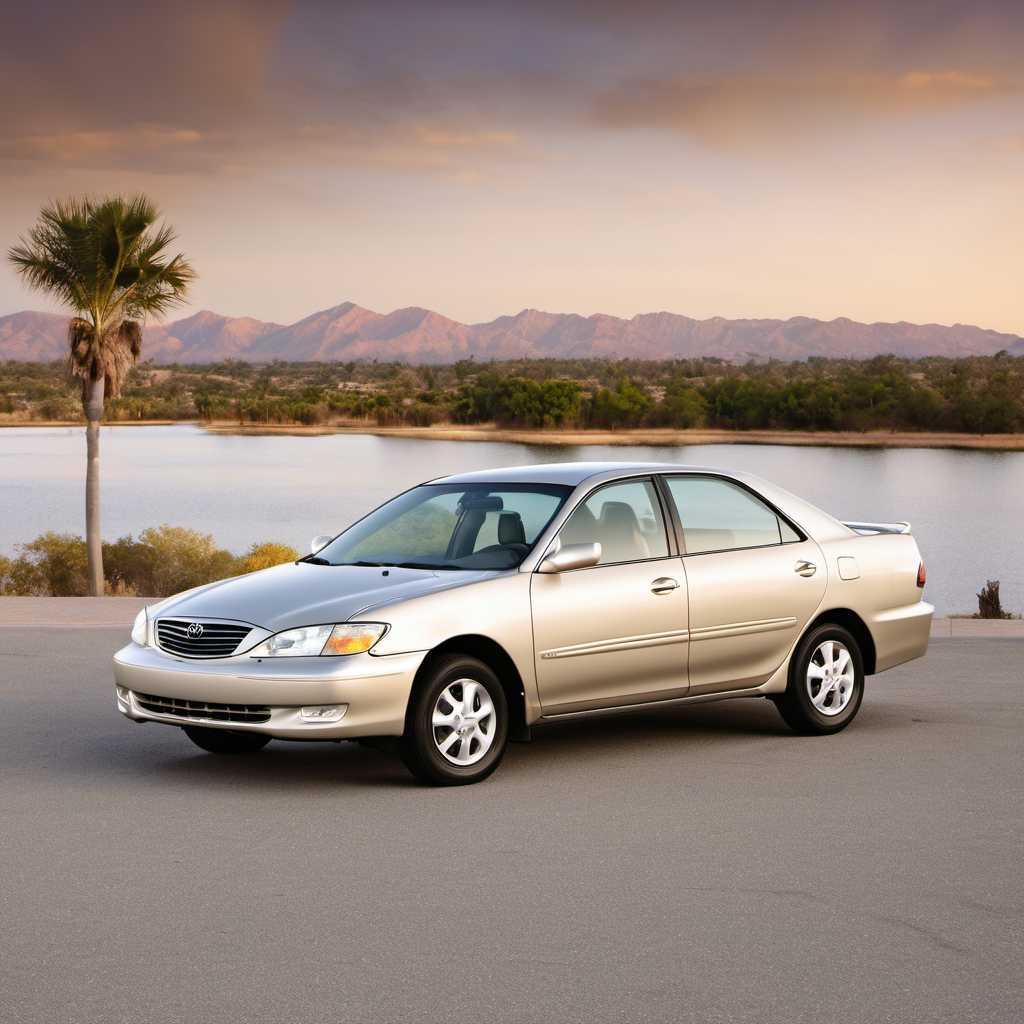
2001 MAZDA 626 Sedan

2001 MAZDA

626Sedan

Sedan

The 2001 Mazda 626 is a front-wheel-drive compact sedan that wrapped up a long-running nameplate before Mazda replaced it with the Mazda6 in 2003. By 2001 the 626 was a mature, refined design — comfortable, reasonably fuel-efficient, and priced squarely in the family sedan mainstream alongside the Honda Accord and Toyota Camry. It was offered with either a 2.0L four-cylinder or an optional 2.5L V6, both mated to either a 5-speed manual or 4-speed automatic. The four-cylinder variants are the ones to seek out. They tend to be more mechanically reliable and cheaper to maintain than the V6 automatic combination, which earned a poor reputation for transmission failures in the late 1990s–early 2000s generation. With good maintenance the FS-series 2.0L engine is durable, though it's not without its quirks. At this age — now over 20 years old — a 2001 626 is a high-mileage used-car proposition. Rust is the primary concern in Wisconsin. Survivors in solid shape can still be dependable daily drivers, but thorough inspection is essential before purchase.

Reliability
3/5
Verified data
Specs shown for 626 — the most common configuration. Other trims may vary in engine, drivetrain, or fuel economy. Sign in to see your vehicle's exact specs.
Engine
[object Object]
Drivetrain
FWD
Fuel
Gasoline
MPG
19 city / 25 hwy / 22 combined
Seats
Doors
Body
Midsize Cars

Overview

AI-curated

The 2001 Mazda 626 is a front-wheel-drive compact sedan that wrapped up a long-running nameplate before Mazda replaced it with the Mazda6 in 2003. By 2001 the 626 was a mature, refined design — comfortable, reasonably fuel-efficient, and priced squarely in the family sedan mainstream alongside the Honda Accord and Toyota Camry. It was offered with either a 2.0L four-cylinder or an optional 2.5L V6, both mated to either a 5-speed manual or 4-speed automatic. The four-cylinder variants are the ones to seek out. They tend to be more mechanically reliable and cheaper to maintain than the V6 automatic combination, which earned a poor reputation for transmission failures in the late 1990s–early 2000s generation. With good maintenance the FS-series 2.0L engine is durable, though it's not without its quirks. At this age — now over 20 years old — a 2001 626 is a high-mileage used-car proposition. Rust is the primary concern in Wisconsin. Survivors in solid shape can still be dependable daily drivers, but thorough inspection is essential before purchase.

Known for
  • Comfortable, car-like ride quality for its class
  • Reliable 2.0L four-cylinder engine when maintained
  • Mature, conservative styling with a practical trunk
  • Notoriously problematic automatic transmission on V6 models
Best for
  • Budget-conscious commuters looking for a simple sedan
  • Drivers comfortable with basic DIY maintenance
  • Low-mileage, well-kept examples as a second car
Watch for
  • Automatic transmission failures, especially on V6 models
  • Significant rust on underbody, subframe, and brake lines — critical in Wisconsin
  • Aging cooling system components (thermostat, water pump, hoses)
  • Oil consumption on higher-mileage engines

Common issues by mileage

6 known

Automatic transmission failure (4-speed)

high
Typically appears
80–130k mi
Estimated repair
$1,400 – $2,800

Coolant thermostat failure / overheating

high
Typically appears
80–150k mi
Estimated repair
$150 – $350

EGR system carbon buildup / rough idle

medium
Typically appears
80–140k mi
Estimated repair
$200 – $500

Underbody rust — brake lines, fuel lines, subframe

high
Typically appears
Any mileage on Midwest/salt-belt cars
Estimated repair
$400 – $2,000

Ignition coil / distributor wear causing misfires

medium
Typically appears
100–160k mi
Estimated repair
$200 – $500

Maintenance schedule

  1. 1
    Every 5,000 miles or 6 months Engine oil and filter change

    The FS 2.0L engine is sensitive to oil sludge at higher mileage. At this age, use a quality conventional or synthetic blend and don't stretch intervals. Low oil level accelerates wear quickly.

  2. 2
    Every 30,000 miles Transmission fluid change (automatic)

    The 4-speed automatic in this generation is a known weak point. Fresh fluid won't fix a failing unit, but neglected fluid accelerates failure. Use only Mazda-specified ATF type.

  3. 3
    Every 2 years or 30,000 miles Coolant flush and thermostat inspection

    Cooling system neglect is a top cause of engine damage on aging 626s. Inspect hoses, clamps, and the water pump at the same time.

  4. 4
    Every 60,000 miles or 5 years — confirm service history on any used purchase Timing belt replacement

    The 2.0L FS engine is an interference engine. A snapped timing belt causes catastrophic valve/piston damage. If history is unknown, replace it immediately.

  5. 5
    Every 30,000 miles Spark plugs and ignition system inspection

    Worn plugs and distributor cap cause rough idle and poor fuel economy. At this age, the distributor itself should be inspected for wear and corrosion.

  6. 6
    Every year — especially critical in Wisconsin Brake line and fuel line inspection

    Salt corrosion causes brake and fuel line failures on cars this age. A visual inspection every fall before winter is a safety essential, not optional.

  7. 7
    Every fall before winter Battery load test

    Cold-cranking capacity drops sharply in sub-zero temps. A battery that starts the car fine in September can leave you stranded in January.

  8. 8
    Every 40,000 miles or 3 years Serpentine belt and accessory belt inspection

    Old rubber belts crack in cold weather and can fail suddenly, disabling the alternator, power steering, or A/C compressor.

Always defer to the manufacturer's service manual for warranty-mandated intervals.

Cost of ownership

Annual maintenance
$600 – $1,400
Fuel
At 22 MPG combined and typical Lake Geneva driving, expect roughly $1,800–$2,200/year at current gas prices. Not exceptional economy for this class.
Insurance
Generally low — older, low-value sedan with no special performance designation. Expect $700–$1,100/year for full coverage depending on driver history.

A well-maintained 2001 626 is cheap to insure and moderate to fuel, but its age means maintenance surprises are the real cost risk. Budget for a timing belt (if not recently done), transmission fluid service, and potential brake line work. If the automatic transmission fails, repair cost often exceeds the car's market value — factor that into your risk tolerance.
Seasonal care

Lake Geneva, WI
Winter
  • Load-test the battery every fall — the 2.0L needs good cold-cranking power below 0°F and a marginal battery will fail fast in a Wisconsin winter
  • Flush washer fluid reservoir and fill with -20°F or colder rated fluid before November; the reservoir and lines are exposed and will freeze with summer mix
  • Inspect brake lines and fuel lines for rust pinholes before winter — salt will find any weakness and brake line failure is a safety emergency
  • Switch to a winter-weight oil (e.g. 5W-30 full synthetic) if the car is garage-stored or if you face repeated sub-zero starts — easier on the engine at cold crank
  • Check antifreeze protection level with a tester — on a 20+ year old car, the coolant may be degraded and offer less freeze protection than assumed
  • Treat door seals and trunk gaskets with a rubber conditioner in late fall to prevent freeze-sticking in extreme cold
Summer
  • Inspect the A/C system for refrigerant level and compressor clutch function — the system loses refrigerant slowly on older cars and may need a recharge
  • Check tire pressure monthly; pressure drops roughly 1 PSI per 10°F of temperature change and underinflation causes heat buildup on hot pavement
  • Monitor coolant temperature closely during summer driving — a marginal thermostat or low coolant that copes in mild weather will cause overheating in July
  • Inspect radiator for debris clogging the fins and clean with low-pressure air or water if needed to maintain airflow

Comparable vehicles

If you're shopping for one

Red flags
  • V6 engine with automatic transmission and no transmission service records — walk away unless priced very low and you accept high mechanical risk
  • Bubbling paint along rocker panels, wheel arches, or underneath door seams — signs of structural rust in progress
  • Any sign of overheating history: stained coolant overflow tank, warped hood paint above the engine, or a seller who vaguely mentions 'it ran a little hot once'
  • Check engine light on with no explanation — scan for codes before purchasing; powertrain codes like oxygen sensor or timing faults need investigation
  • Frame or subframe rust that flexes or shows perforation — repair costs exceed the car's value
What to inspect
  • Crawl under and look at every brake line, fuel line, and the subframe — surface rust is expected, but pitting or pinhole corrosion on brake lines is a disqualifier
  • Pull the transmission dipstick: burnt smell or dark/gritty fluid on an automatic means it's been neglected and failure risk is elevated
  • Ask for timing belt service records — if unknown, budget $400–$700 to replace it immediately before driving the car
  • Start the engine cold and listen for ticking or rattling that disappears after warm-up — can indicate low oil pressure or worn chain guides
  • Test the A/C and all power accessories; electrical gremlins are common at this age and repairs add up
  • Check the coolant reservoir for oil contamination (milky or foamy fluid) which signals a head gasket concern
AI profile generated 13 days ago · claude-sonnet-4-6 · v2.