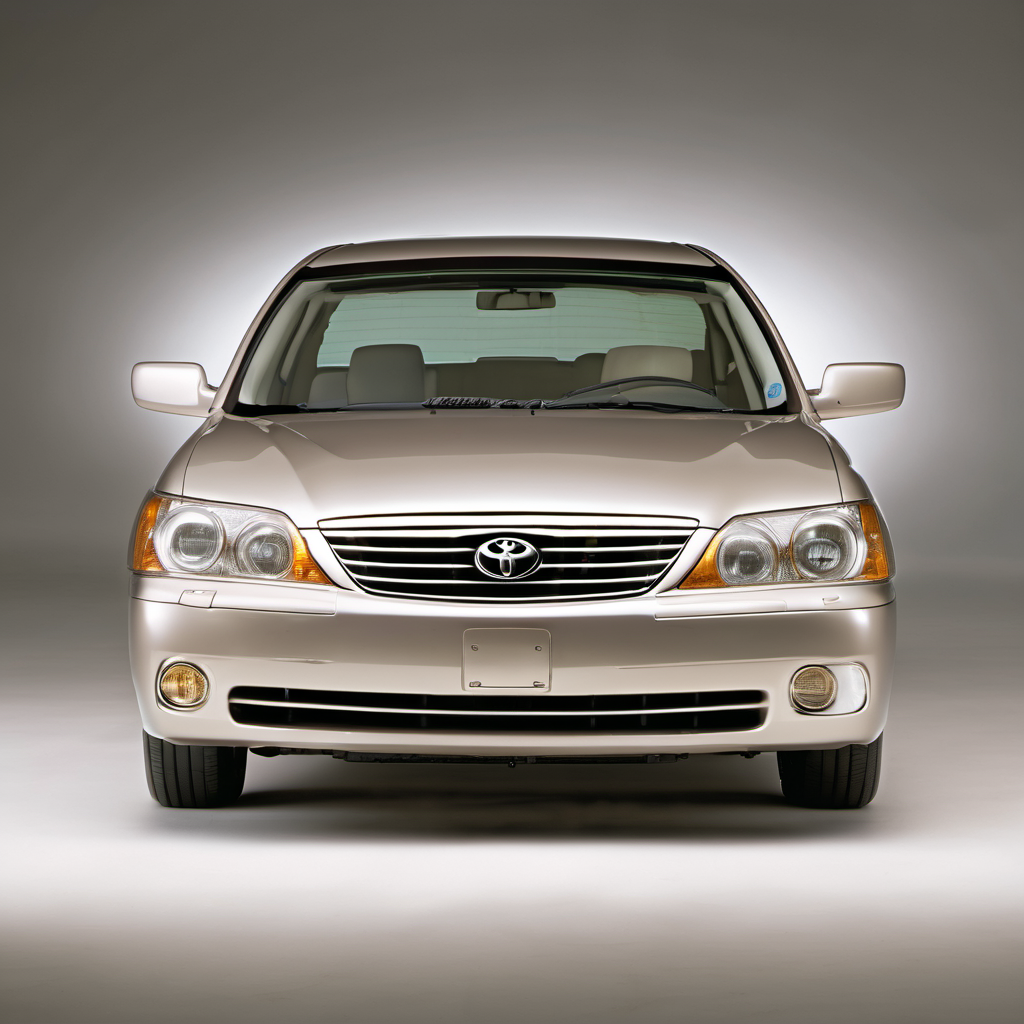
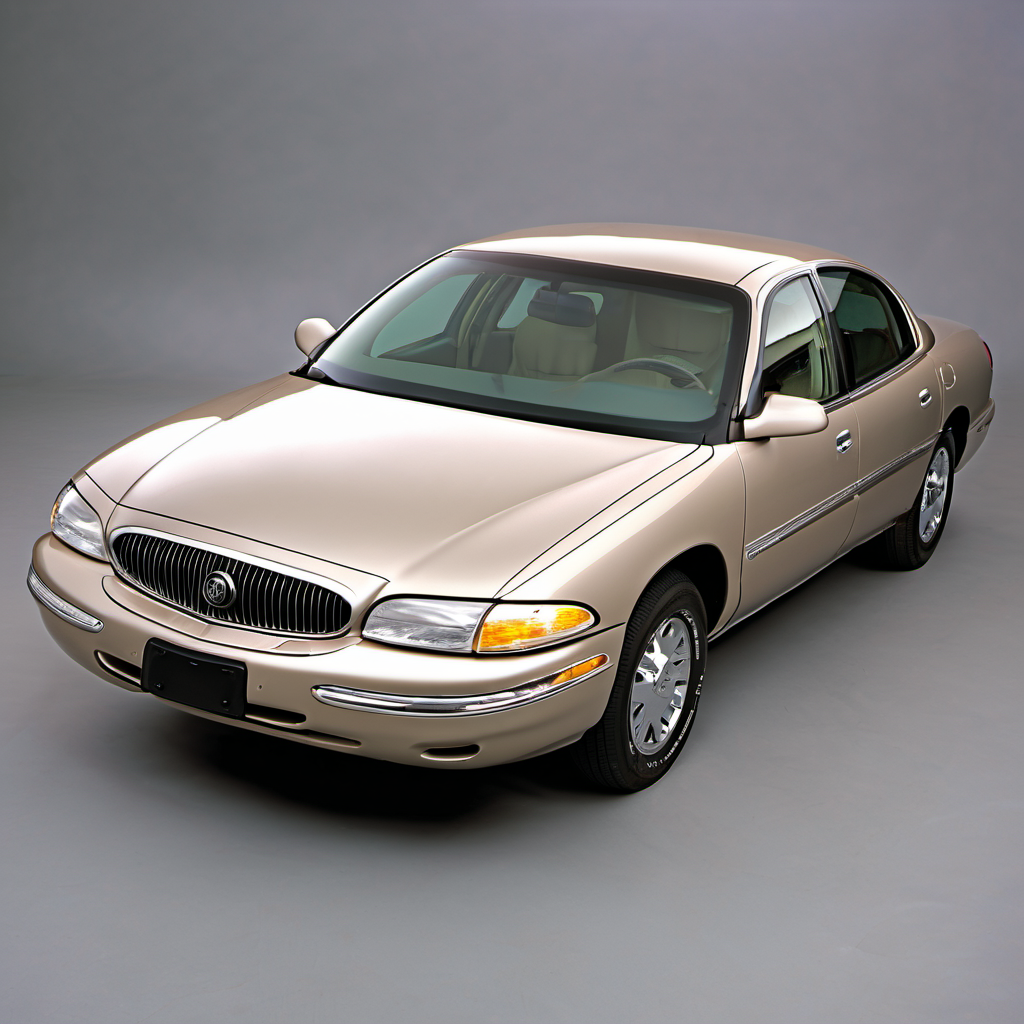
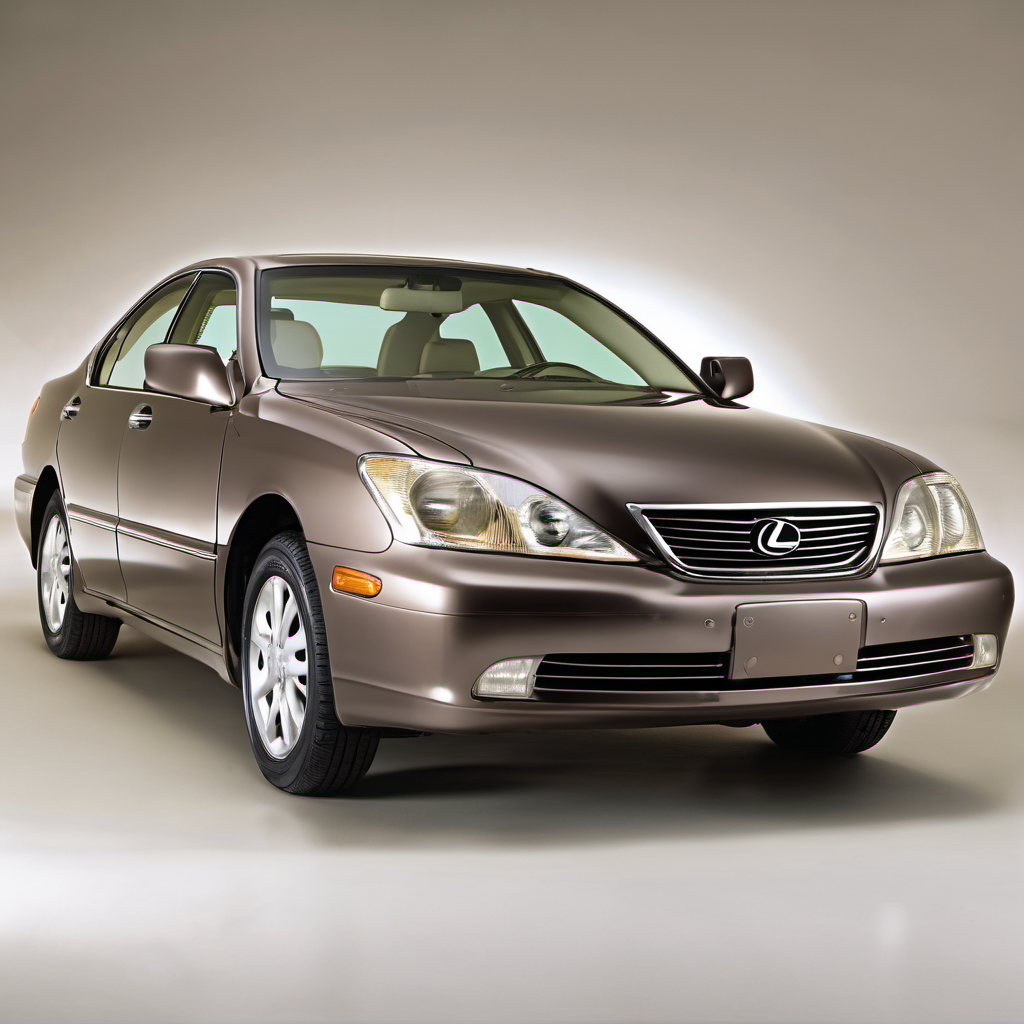
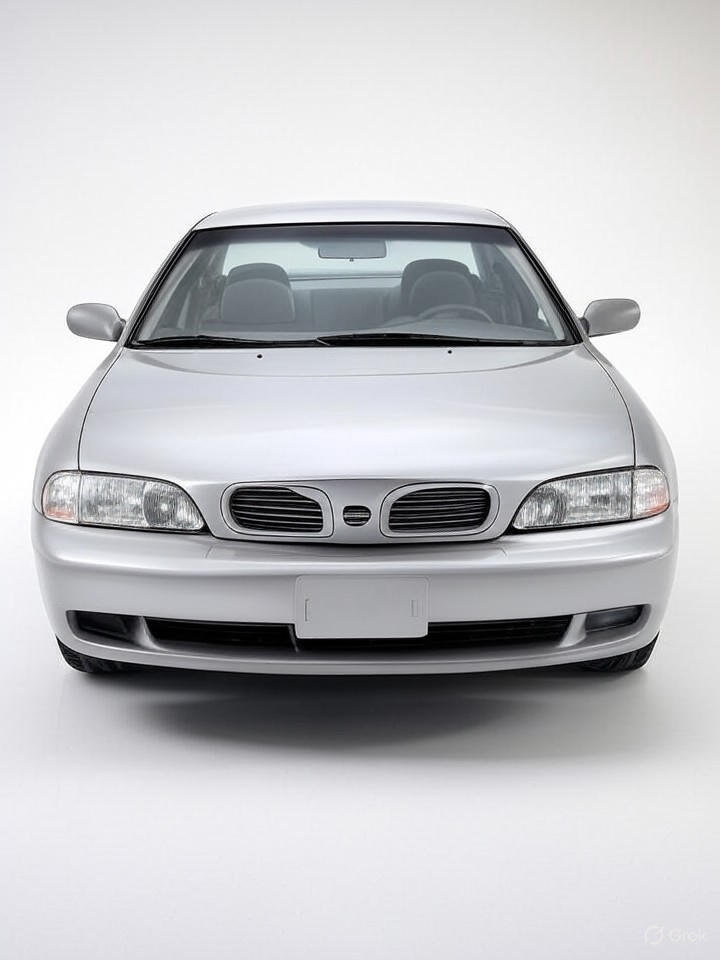
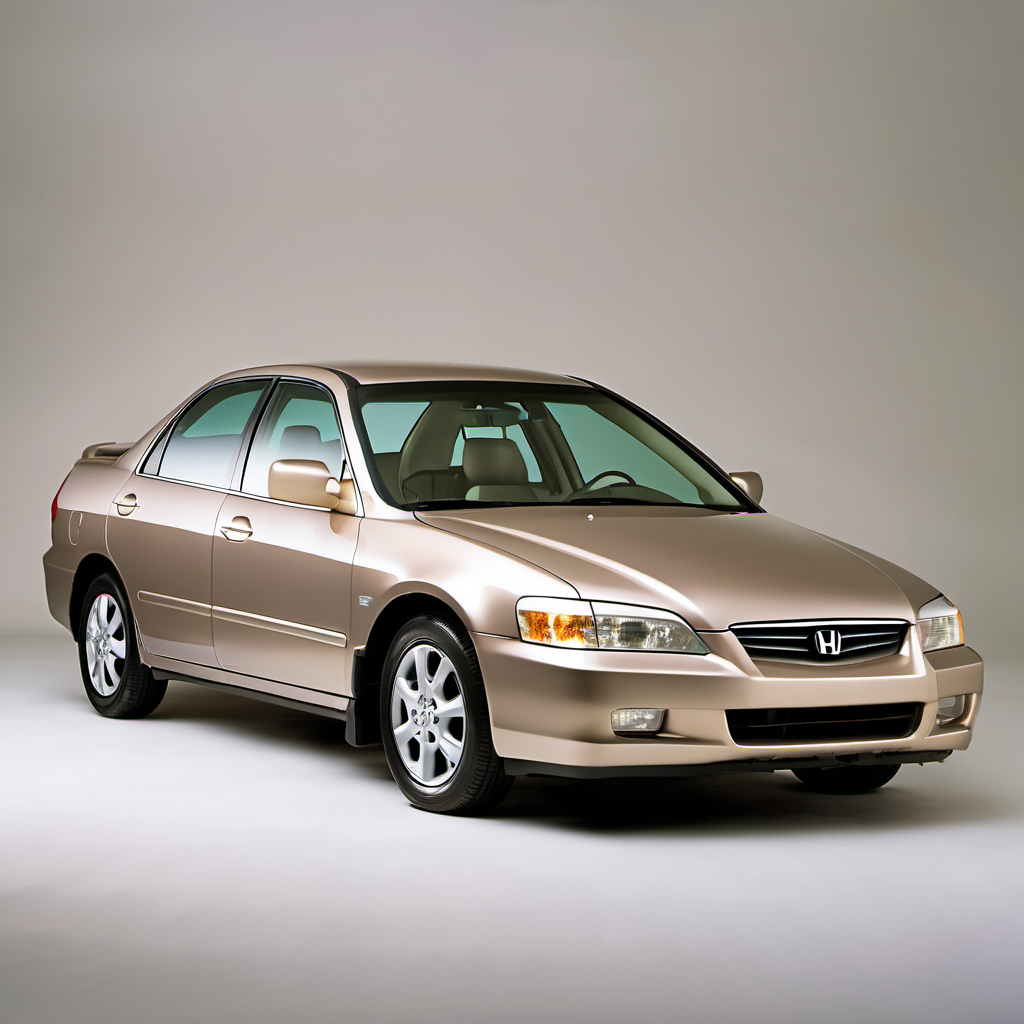
2001 Toyota Avalon Sedan

2001 Toyota

AvalonSedan

Sedan

The 2001 Toyota Avalon is a full-size front-wheel-drive sedan built on Toyota's stretched Camry platform. It was Toyota's flagship domestic-market sedan at the time, aimed squarely at buyers wanting Lexus-level comfort without the Lexus price tag. Under the hood sits Toyota's proven 1MZ-FE 3.0L V6, which earned a strong reputation for durability when maintained properly. By 2001, the Avalon was in its second generation (XV20), sharing much of its architecture with the Camry and ES300. Interior space is genuinely generous — rear-seat legroom rivals many luxury sedans of that era. Ride quality is soft and highway-focused, making it a natural fit for retirees and long-distance commuters. At 20+ years old, these cars are now well into high-mileage territory. The 1MZ-FE engine and A541E four-speed automatic are both known survivors, but sludge buildup, dried-out seals, and deferred maintenance on aging examples are real concerns. Buy a well-documented, one- or two-owner car and this Avalon can still deliver reliable, comfortable transportation at a very low cost of entry.

Reliability
4/5
Verified data
Specs shown for Avalon — the most common configuration. Other trims may vary in engine, drivetrain, or fuel economy. Sign in to see your vehicle's exact specs.
Engine
[object Object]
Drivetrain
FWD
Fuel
Gasoline
MPG
18 city / 27 hwy / 21 combined
Seats
Doors
Body
Large Cars

Overview

AI-curated

The 2001 Toyota Avalon is a full-size front-wheel-drive sedan built on Toyota's stretched Camry platform. It was Toyota's flagship domestic-market sedan at the time, aimed squarely at buyers wanting Lexus-level comfort without the Lexus price tag. Under the hood sits Toyota's proven 1MZ-FE 3.0L V6, which earned a strong reputation for durability when maintained properly. By 2001, the Avalon was in its second generation (XV20), sharing much of its architecture with the Camry and ES300. Interior space is genuinely generous — rear-seat legroom rivals many luxury sedans of that era. Ride quality is soft and highway-focused, making it a natural fit for retirees and long-distance commuters. At 20+ years old, these cars are now well into high-mileage territory. The 1MZ-FE engine and A541E four-speed automatic are both known survivors, but sludge buildup, dried-out seals, and deferred maintenance on aging examples are real concerns. Buy a well-documented, one- or two-owner car and this Avalon can still deliver reliable, comfortable transportation at a very low cost of entry.

Known for
  • Spacious rear-seat legroom — one of the roomiest sedans in its class
  • Smooth, durable 1MZ-FE 3.0L V6 engine
  • Soft, quiet highway ride
  • Generally strong long-term reliability when maintained
  • Low running costs compared to European full-size sedans
Best for
  • Retirees and comfort-focused drivers
  • Long highway commuters
  • Buyers wanting a roomy used sedan on a budget
  • Chauffeuring family in rear-seat comfort
Watch for
  • Engine oil sludge on neglected examples — the 1MZ-FE is susceptible without regular oil changes
  • High-mileage automatic transmission wear if fluid was never changed
  • Rust on underbody, subframe, and brake lines — critical in Wisconsin salt country
  • Aging rubber: coolant hoses, valve cover gaskets, and strut boots all degrade with age
  • Power window regulators and door lock actuators failing at this age

Common issues by mileage

6 known

Engine Oil Sludge (1MZ-FE)

medium
Typically appears
60–150k mi
Estimated repair
$500 – $2,500

Valve Cover Gasket Oil Leaks

high
Typically appears
80–150k mi
Estimated repair
$250 – $450

Power Steering Rack Leak

medium
Typically appears
100–180k mi
Estimated repair
$400 – $900

Oxygen Sensor Failure (Bank 1 / Bank 2)

medium
Typically appears
80–150k mi
Estimated repair
$150 – $350

Power Window Regulator Failure

high
Typically appears
80k+ mi
Estimated repair
$150 – $300

Front Strut and Strut Mount Wear

high
Typically appears
80–150k mi
Estimated repair
$400 – $750

Maintenance schedule

  1. 1
    Every 5,000 miles or 6 months — do not stretch to 7,500+ on this engine Engine oil and filter change

    The 1MZ-FE is known to sludge when oil changes are extended. Frequent changes are the single best thing you can do for long-term engine health.

  2. 2
    Every 30,000 miles on a used example with unknown history; every 60,000 miles if history is verified Automatic transmission fluid change

    Toyota's 'lifetime' fluid claim is optimistic. Dark, burnt-smelling fluid in a high-mileage Avalon accelerates clutch pack wear.

  3. 3
    Every 2 years or 30,000 miles Coolant flush

    Old coolant becomes acidic and attacks the aluminum components in the 1MZ-FE. Also inspect upper and lower radiator hoses — they harden and crack with age.

  4. 4
    Every 60,000 miles (platinum plugs) Spark plug replacement

    Worn plugs on the 1MZ-FE cause rough idle and misfires. Rear bank plugs require more labor time — budget accordingly.

  5. 5
    Every 2 years Brake fluid flush

    Brake fluid absorbs moisture over time, lowering its boiling point. Wisconsin winters also accelerate corrosion inside brake lines and calipers.

  6. 6
    At first sign of oil seeping onto exhaust manifold or around spark plug tubes Inspect and replace valve cover gaskets

    This is a common and expected wear item on the 1MZ-FE. Oil in the plug tubes causes misfires; oil on hot exhaust is a fire risk.

  7. 7
    Every spring after Wisconsin winters Inspect underbody for rust — brake lines, fuel lines, subframe

    Road salt corrodes brake lines from the outside in. A failed brake line is a safety emergency. Catch rust early with annual inspections.

  8. 8
    Every fall before winter, or if battery is 3+ years old Battery load test

    Cold-cranking a 3.0L V6 in sub-zero temps demands a strong battery. A marginal battery that passes a summer test can fail at -10°F.

Always defer to the manufacturer's service manual for warranty-mandated intervals.

Cost of ownership

Annual maintenance
$600 – $1,400
Fuel
At 21 MPG combined and ~12,000 miles/year, expect roughly $1,600–$1,900/year at current Midwest gas prices. Highway-heavy drivers will do better.
Insurance
Typically $800–$1,200/year for full coverage in Wisconsin on a vehicle of this age and value. Liability-only will be substantially less.

The 2001 Avalon is an inexpensive car to own daily. Purchase prices are low, insurance is cheap, and routine maintenance costs are modest. The biggest financial risk is a neglected example that needs catch-up work — sludge cleanup, brake line replacement, or transmission service on a car with 150k+ miles and no records can push first-year costs to $3,000 or more. Buy a documented car and annual costs are very manageable.
Seasonal care

Lake Geneva, WI
Winter
  • Load-test the battery every October — the 1MZ-FE draws significant cranking amps in sub-zero temps and a weak battery will leave you stranded.
  • Switch to a full-synthetic 0W-20 or 5W-30 oil before winter to aid cold starts and reduce sludge risk during warm-up cycles.
  • Flush brake fluid in the fall; moisture-laden fluid can cause spongy braking in cold weather and accelerates corrosion in aging steel brake lines.
  • Use a winter-rated washer fluid rated to at least -20°F — the standard reservoir and pump are not heated and will freeze with summer fluid.
  • Install winter wiper blades to prevent the standard blades from packing with ice and leaving streaks.
  • Rinse the undercarriage every 1–2 weeks during salting season, paying attention to wheel wells, brake lines along the frame rail, and the subframe — rust is the #1 long-term killer of Wisconsin Avalons.
Summer
  • Check tire pressure monthly — every 10°F rise in ambient temp adds roughly 1 PSI; overinflated tires in summer heat reduce contact patch and ride comfort.
  • Inspect the A/C system for refrigerant charge and cabin filter condition — the Avalon's large cabin takes a real toll on a weak A/C system in July heat.
  • Check coolant level and condition; inspect hoses for cracking or softness. An aging 1MZ-FE running hot in traffic on a 95°F day will accelerate head gasket stress.
  • Test the radiator cooling fan operation — electric fan failure is harder to notice in winter and often surfaces during summer idling.

Comparable vehicles

If you're shopping for one

Red flags
  • Oil cap sludge or thick, dark oil on the dipstick
  • Any rust through on brake lines, fuel lines, or the subframe
  • Transmission that slips, shudders, or hesitates between gears
  • Coolant with oil contamination (milky or brown fluid in the reservoir) — possible head gasket issue
  • No maintenance records whatsoever on a high-mileage example
  • Evidence of a prior flood — musty carpet, rust in spare tire well, corrosion on electrical connectors under the dash
What to inspect
  • Pull the oil cap and look inside — sludge looks like brown, tar-like buildup on the underside of the cap and inside the valve cover. Walk away if it's present.
  • Check for oil in the spark plug tubes by pulling the ignition coils — wet, oily tubes mean leaking valve cover gaskets.
  • Inspect all brake lines and fuel lines along the undercarriage for rust, swelling, or active corrosion — these are safety-critical on any Wisconsin car.
  • Test every power window, door lock, and mirror — actuator and regulator failures are common and add up quickly.
  • Look at the transmission fluid color on the dipstick — it should be pink to light red. Dark brown or burnt-smelling fluid signals neglect.
  • Ask for oil change records. Any example without verifiable records should be priced to account for potential sludge risk.
AI profile generated 8 days ago · claude-sonnet-4-6 · v2.