Automatic Transmission Failure
high- Typically appears
- 100–150k mi
- Estimated repair
- $1,800 – $3,500
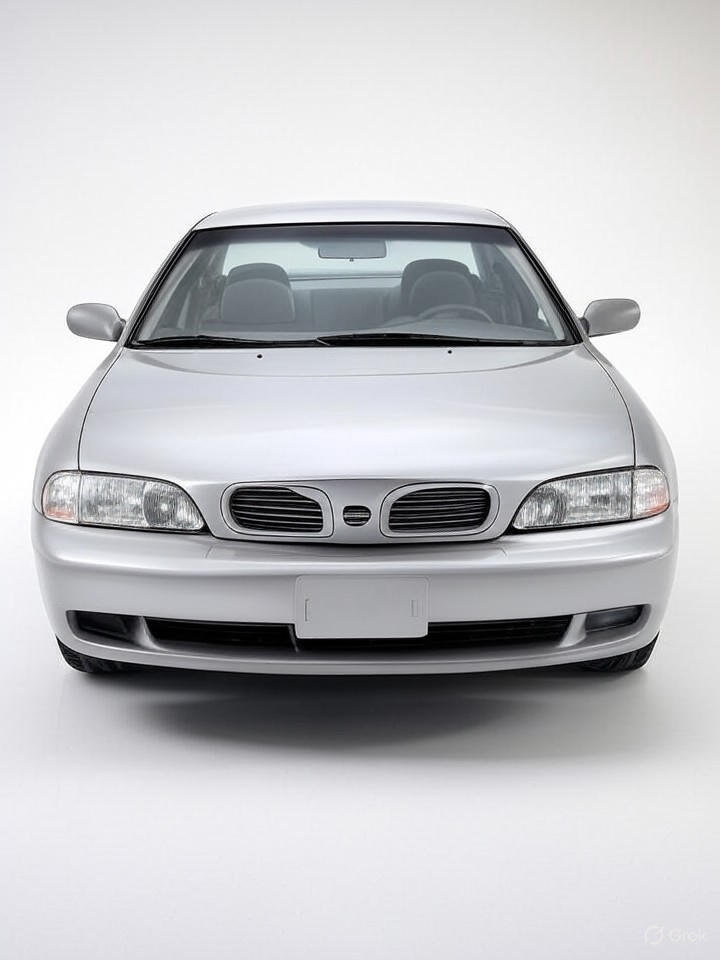
2001 Nissan
Sedan
The 2001 Nissan Maxima is a fifth-generation front-wheel-drive sports sedan powered by Nissan's proven 3.0L VQ30DE V6. It earned a strong reputation as a driver's car in its class — quick, comfortable, and well-built for a Japanese sedan of its era. Nissan marketed it as a 'four-door sports car,' and for 2001 that claim still held up reasonably well thanks to its willing V6 and taut suspension. At over 20 years old now, these cars are firmly in high-mileage territory. The VQ-series engines are legendarily durable when maintained, but the surrounding systems — transmission, suspension bushings, exhaust, and underbody hardware — demand attention on any example you're looking at today. Rust is a real concern on cars from the upper Midwest. The A32/A33 platform (1995–2003) is well-documented and parts are still readily available. This is a car a mechanically savvy owner or a good independent shop can keep running economically, but a neglected example can become expensive quickly.
The 2001 Nissan Maxima is a fifth-generation front-wheel-drive sports sedan powered by Nissan's proven 3.0L VQ30DE V6. It earned a strong reputation as a driver's car in its class — quick, comfortable, and well-built for a Japanese sedan of its era. Nissan marketed it as a 'four-door sports car,' and for 2001 that claim still held up reasonably well thanks to its willing V6 and taut suspension. At over 20 years old now, these cars are firmly in high-mileage territory. The VQ-series engines are legendarily durable when maintained, but the surrounding systems — transmission, suspension bushings, exhaust, and underbody hardware — demand attention on any example you're looking at today. Rust is a real concern on cars from the upper Midwest. The A32/A33 platform (1995–2003) is well-documented and parts are still readily available. This is a car a mechanically savvy owner or a good independent shop can keep running economically, but a neglected example can become expensive quickly.
The 4-speed automatic in this generation is the car's Achilles heel. Fresh fluid is cheap insurance; a replacement transmission is not. If you don't know when it was last done, do it now regardless of mileage.
The VQ30DE's timing chain and tensioners depend on clean, properly pressurized oil. Sludge buildup from extended intervals is the primary cause of premature timing chain noise on these engines.
Degraded coolant becomes acidic and attacks the aluminum block and radiator. On a 20+ year old car, inspect the radiator and hoses carefully — plastic tanks on the original radiator are prone to cracking.
The rear bank of plugs on this transversely-mounted V6 is difficult to access. Don't skip this — misfires on worn plugs are hard on the catalytic converters, which are expensive to replace.
At 20+ years old, any original rubber should be considered overdue. A snapped belt leaves you stranded and can cause overheating within minutes.
Brake fluid absorbs moisture over time, lowering its boiling point. On an older car, contaminated fluid can also accelerate corrosion inside calipers and the master cylinder.
Lake Geneva roads are heavily salted. Check subframe mounting points, rocker panels, rear wheel arches, and brake lines for rust. Brake line rot is a safety issue that sneaks up on owners of older Midwest vehicles.
Torn CV boots are a failure precursor. Catching a split boot early means a simple boot replacement; ignoring it means a full axle replacement once the grease slings out and the joint is contaminated.
Always defer to the manufacturer's service manual for warranty-mandated intervals.
A well-maintained 2001 Maxima is economical to own day-to-day. Routine maintenance is affordable and parts are plentiful. The risk is that deferred maintenance on a high-mileage example can stack up fast — particularly if the transmission needs attention. Budget for surprises on any car this age, and keep $1,000–$1,500 in reserve for unexpected repairs.
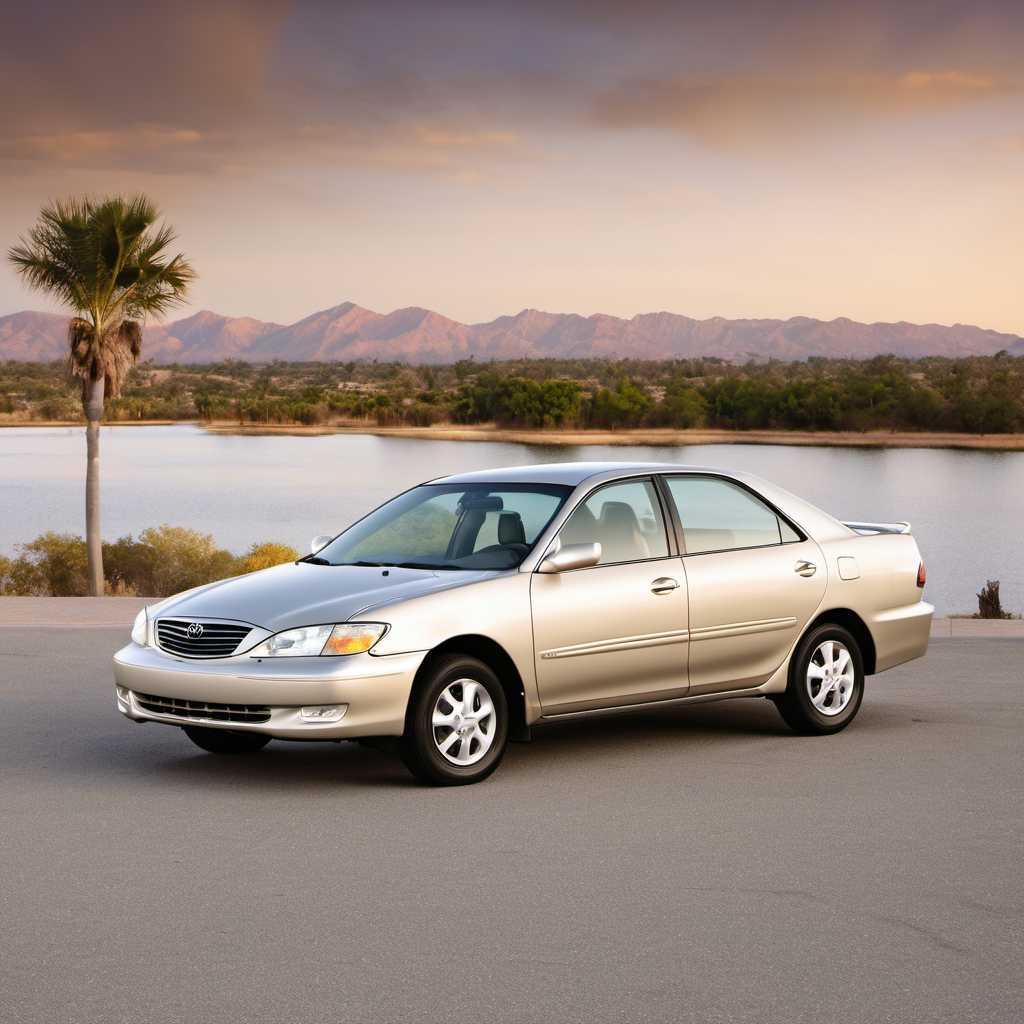
Similar front-wheel-drive V6 sedan from the same era. More conservative to drive but arguably even more reliable long-term; easier to find a clean example.
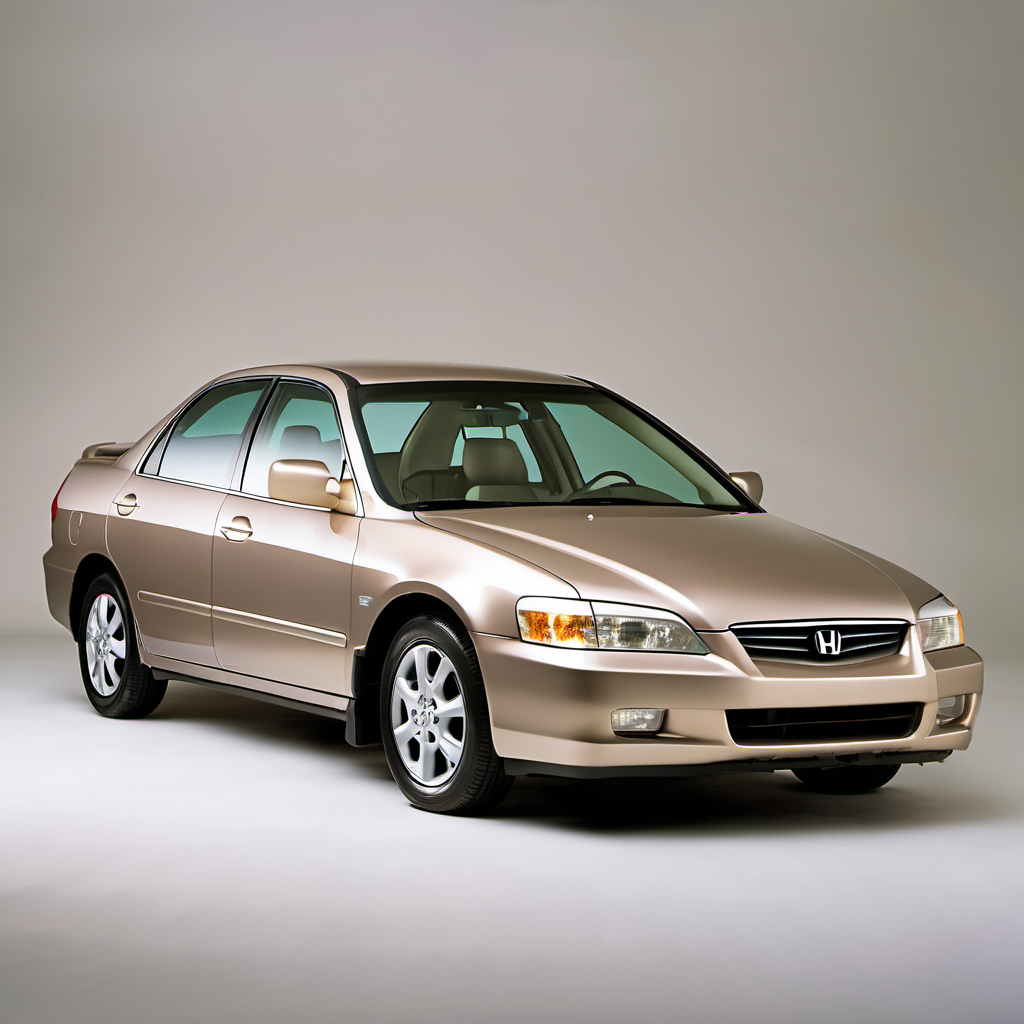
Slightly smaller but excellent reliability reputation, strong resale ecosystem, and plentiful parts. V6 trim is a direct competitor in performance and feel.
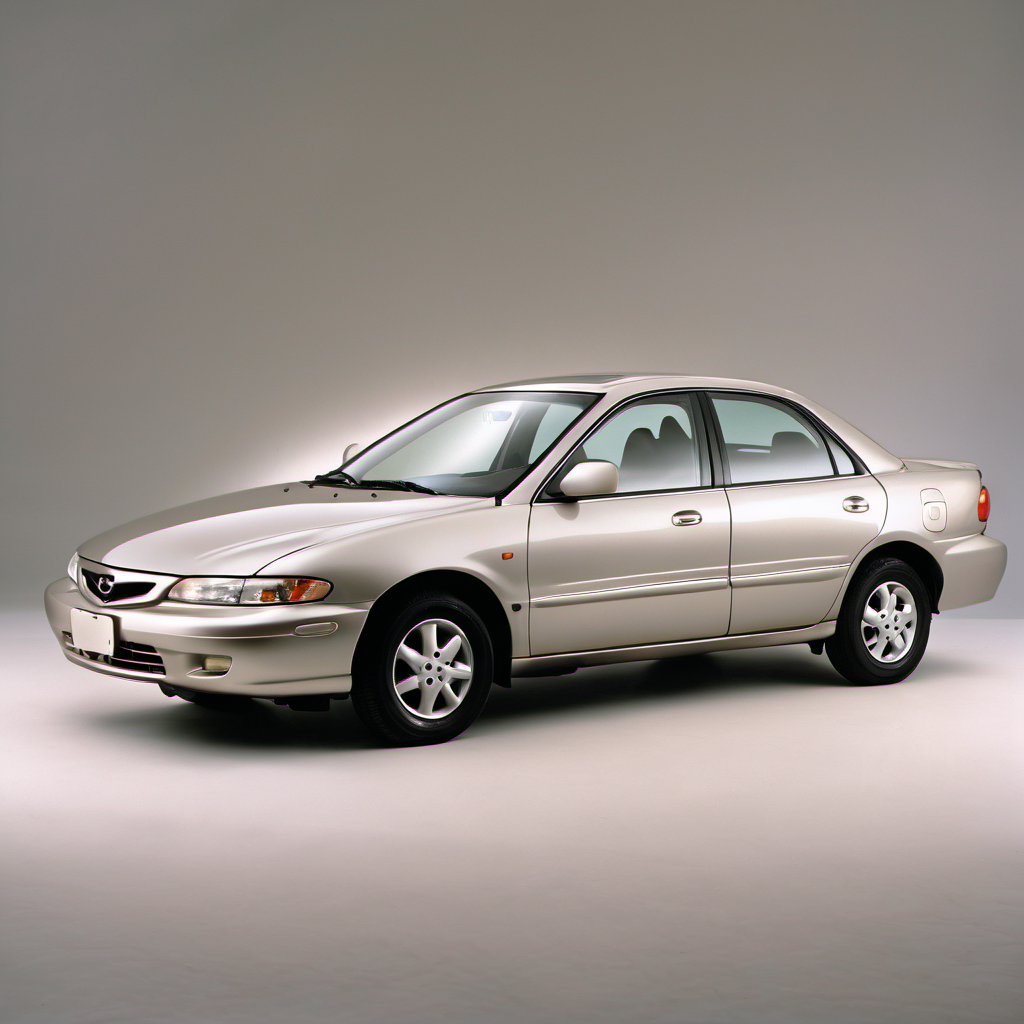
Front-wheel-drive sport sedan in the same price bracket. Less powerful but lighter and more nimble; known for solid build quality though parts availability is thinner.
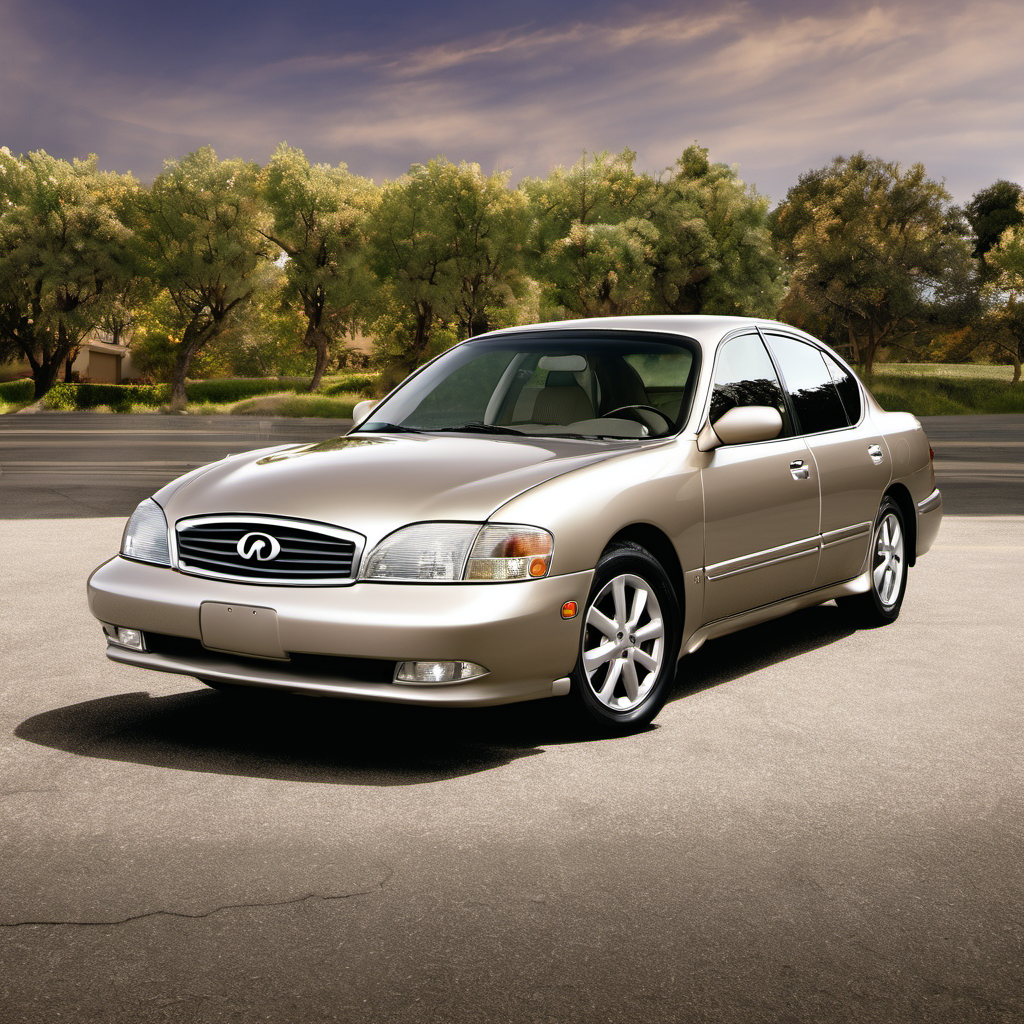
Essentially a rebadged Maxima on the same platform with the same VQ30DE engine and transmission. Often better maintained due to perceived luxury status; worth cross-shopping directly.