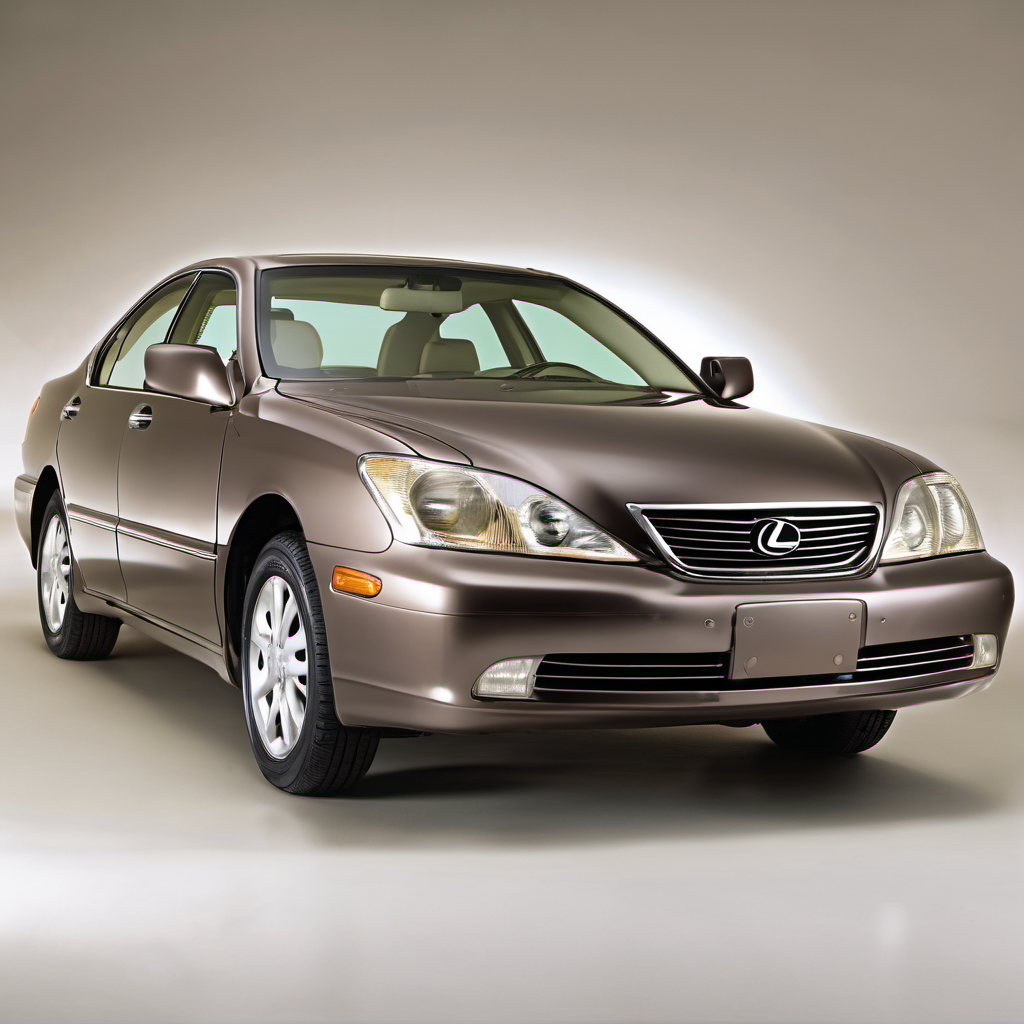
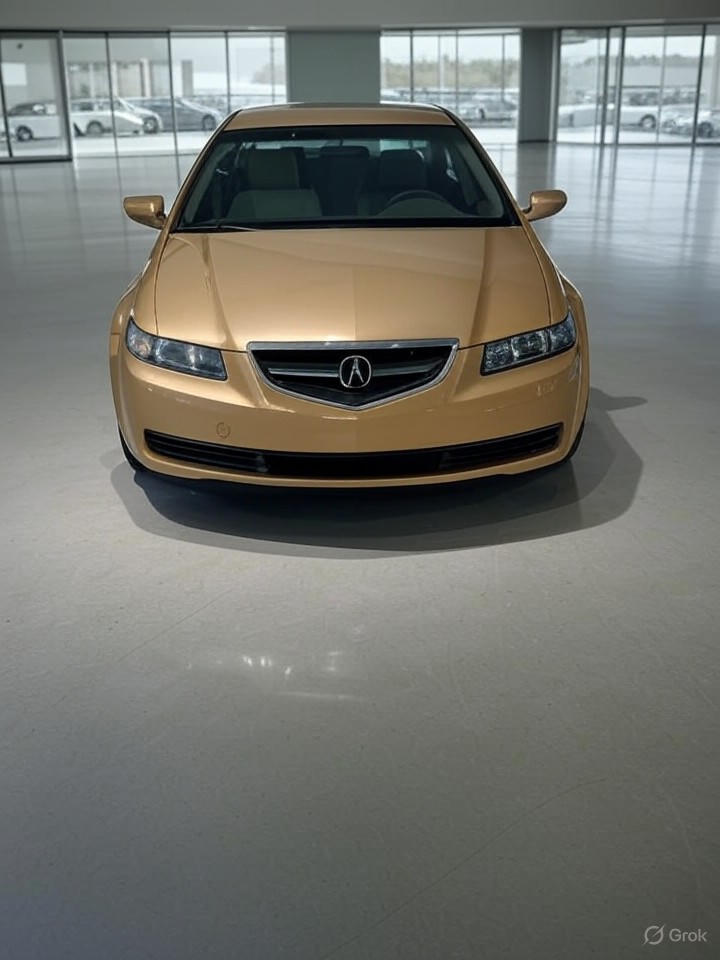
2001 Lexus ES Sedan

2001 Lexus

ESSedan

Sedan

The 2001 Lexus ES 300 is the fourth-generation ES, built on Toyota's well-proven Camry platform and powered by a silky 3.0L 1MZ-FE V6. It hit its stride as one of the best-value entry luxury sedans of its era — quiet, comfortable, and genuinely reliable when maintained. At this age, most examples have well over 150k miles, but the mechanicals are durable enough that high-mileage survivors are common. Lexus positioned the ES 300 as a driver-pampering daily driver, and it delivers on that promise: plush ride, a hushed cabin, and a smooth powertrain that feels unhurried. It's not sporty, and it was never meant to be. What it is, is a dependable, comfortable commuter that ages gracefully if the owner keeps up with oil changes and cooling system service. At 20+ years old, budget accordingly for rubber, seals, and cooling components. Parts are inexpensive and widely available because this car shares so much with the Camry V6. That's a genuine advantage when repair bills arrive.

Reliability
4/5
Verified data
Specs shown for ES 300 — the most common configuration. Other trims may vary in engine, drivetrain, or fuel economy. Sign in to see your vehicle's exact specs.
Engine
[object Object]
Drivetrain
FWD
Fuel
Gasoline
MPG
17 city / 24 hwy / 20 combined
Seats
Doors
Body
Compact Cars

Overview

AI-curated

The 2001 Lexus ES 300 is the fourth-generation ES, built on Toyota's well-proven Camry platform and powered by a silky 3.0L 1MZ-FE V6. It hit its stride as one of the best-value entry luxury sedans of its era — quiet, comfortable, and genuinely reliable when maintained. At this age, most examples have well over 150k miles, but the mechanicals are durable enough that high-mileage survivors are common. Lexus positioned the ES 300 as a driver-pampering daily driver, and it delivers on that promise: plush ride, a hushed cabin, and a smooth powertrain that feels unhurried. It's not sporty, and it was never meant to be. What it is, is a dependable, comfortable commuter that ages gracefully if the owner keeps up with oil changes and cooling system service. At 20+ years old, budget accordingly for rubber, seals, and cooling components. Parts are inexpensive and widely available because this car shares so much with the Camry V6. That's a genuine advantage when repair bills arrive.

Known for
  • Whisper-quiet cabin for its class
  • Bulletproof 1MZ-FE V6 engine with Camry parts-bin economy
  • Smooth, undemanding daily-driver ride quality
  • Strong long-term resale and owner loyalty
  • Well-equipped from the factory for 2001
Best for
  • Buyers wanting luxury-feel commuting on a budget
  • High-mileage daily driving with low drama
  • Older drivers or those prioritizing ride comfort over sport
  • First-time used-luxury buyers who want low repair costs
Watch for
  • Age-related coolant sludge if oil changes were skipped (1MZ-FE sludge is a known issue on these)
  • Worn engine mounts causing vibration at this mileage
  • Automatic transmission shudder from neglected fluid
  • Sagging headliner — common on older ES interiors
  • Sun-baked or cracked dashboard

Common issues by mileage

6 known

Engine oil sludge (1MZ-FE)

medium
Typically appears
60–150k mi
Estimated repair
$500 – $3,500

VVT-i oil control valve / camshaft timing issues

medium
Typically appears
80–150k mi
Estimated repair
$150 – $600

Oxygen sensor failure (Bank 1, Sensor 1 heater circuit)

medium
Typically appears
80–130k mi
Estimated repair
$120 – $280

Automatic transmission shudder / delayed engagement

medium
Typically appears
100–180k mi
Estimated repair
$150 – $400

Power steering rack seals leaking

medium
Typically appears
120k+ mi
Estimated repair
$400 – $900

Coolant system deterioration (water pump, thermostat, hoses)

high
Typically appears
100k+ mi or 10+ years
Estimated repair
$300 – $800

Maintenance schedule

  1. 1
    Every 5,000 miles — no exceptions Engine oil and filter change

    The 1MZ-FE is extremely sensitive to oil change intervals. Skipping even one interval can initiate sludge buildup that clogs oil passages and kills the engine. Use a quality 5W-30 conventional or synthetic and stick to 5k intervals on a car this age.

  2. 2
    Every 30,000 miles on a used vehicle with unknown history Transmission fluid change

    Toyota Type-IV (or equivalent) fluid breaks down with age and heat. The factory 'lifetime' recommendation doesn't apply to a 20-year-old car with unknown service history. Fresh fluid often resolves light shudder.

  3. 3
    Every 2 years or 30,000 miles Coolant flush and pressure test

    Old coolant turns acidic and attacks the water pump, heater core, and radiator. At this vehicle's age, inspect hoses for soft spots and the radiator for seepage at the plastic end tanks.

  4. 4
    Every 60,000 miles Spark plug replacement

    The 1MZ-FE uses iridium plugs that last well, but on a vehicle this age plugs may never have been changed. Worn plugs cause rough idle, reduced fuel economy, and misfires.

  5. 5
    Inspect at every oil change; replace by 90,000 miles or 7 years Drive belts (serpentine and timing belt — NOT a chain)

    The 1MZ-FE is an interference engine with a timing belt. A broken timing belt means bent valves and a destroyed engine. If the belt history is unknown, replace it immediately.

  6. 6
    Every 2–3 years Brake fluid flush

    Brake fluid is hygroscopic and absorbs moisture over time. Old fluid lowers the boiling point and can corrode ABS components — especially important before Wisconsin winters.

  7. 7
    Annually — every fall before winter Undercarriage inspection for rust

    Wisconsin road salt is merciless. Inspect brake lines, fuel lines, subframe, and suspension mounting points for rust-through. Early treatment costs far less than replacement.

  8. 8
    Every fall Battery load test

    Cold cranking amps drop sharply in sub-zero temps. A battery that starts fine in September may not start in January. Test before winter sets in — the ES's 3.0L needs a strong battery on cold mornings.

Always defer to the manufacturer's service manual for warranty-mandated intervals.

Cost of ownership

Annual maintenance
$600 – $1,400
Fuel
At ~20 MPG combined and average Wisconsin driving of 12,000 miles/year, expect roughly $1,800–$2,200/year in fuel at current prices. Premium fuel is not required — regular 87 octane is fine.
Insurance
Typically $800–$1,300/year for full coverage on a vehicle this age and value, depending on driver profile and zip code. Actual cash value is low, so some owners drop to liability-only.

The ES 300 is one of the cheaper luxury sedans to maintain at this age. Parts are shared with the Camry V6, so you're not paying luxury-brand markups at the parts counter. Routine maintenance at an independent shop is very affordable. The real cost exposure is deferred maintenance — sludged engines and ignored timing belts are expensive surprises. Keep up with the service schedule and this car is a bargain to operate.
Seasonal care

Lake Geneva, WI
Winter
  • Load-test the battery every October — sub-zero Wisconsin temps expose any weakness immediately, and this car's age means the original battery is long gone; even a 3-year-old battery deserves a test.
  • Switch to winter-rated tires (not all-seasons) if you drive in Lake Geneva's snow and ice — the FWD helps, but the ES's low ground clearance limits it in deep snow.
  • Use washer fluid rated to at least -20°F and keep the reservoir full; the ES's low nose means salt spray hits the windshield constantly.
  • Check coolant freeze protection with a tester strip — aim for protection to -34°F minimum. Old coolant loses its freeze point.
  • Flush and coat exposed brake and fuel line areas underneath if any surface rust is spotted — salt accelerates rust-through on 20-year-old brake lines.
  • Keep at least a half tank of gas to prevent moisture condensation in the fuel system and provide weight over the front drive wheels.
Summer
  • Inspect the A/C system for refrigerant charge and compressor operation before the first hot week — recharging an R-134a system is inexpensive now; ignored A/C leaks become expensive compressor replacements.
  • Check tire pressure monthly: for every 10°F rise in temperature, tires gain about 1 PSI. Summer heat means overinflation and uneven wear if you set pressure in winter.
  • Inspect the coolant overflow reservoir and watch for overheating signs — the ES's radiator and water pump are age-sensitive, and summer heat loads accelerate any existing weakness.
  • Park in shade when possible: the ES's dark dashboard materials are prone to cracking from UV exposure, and the interior heats up quickly.

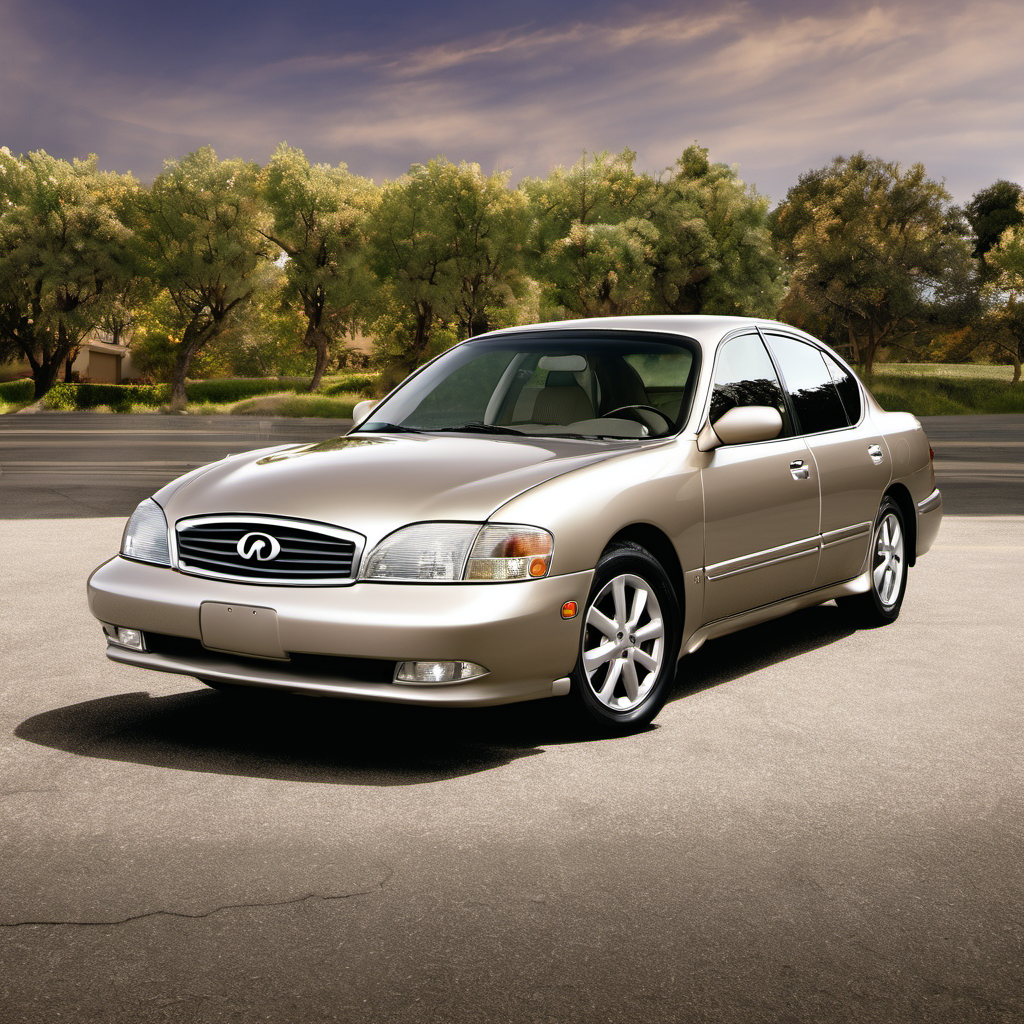
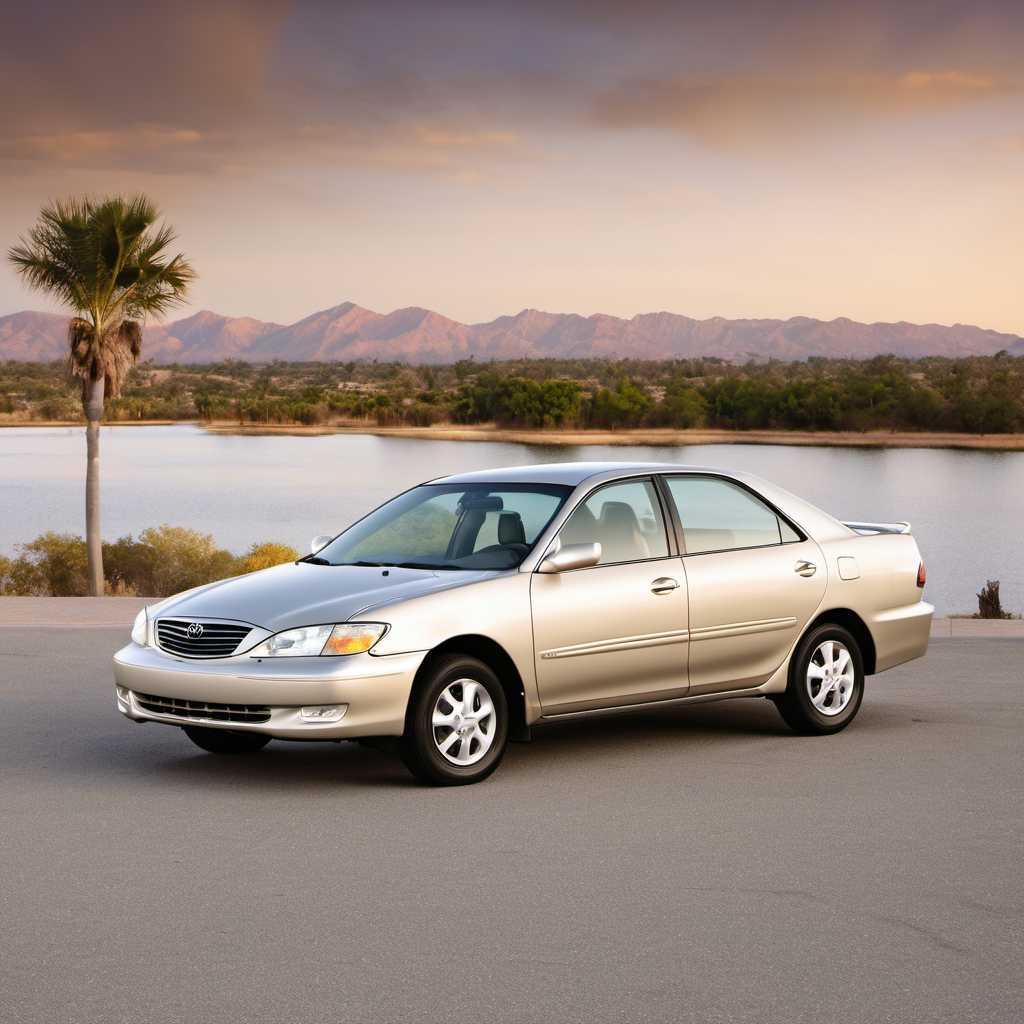
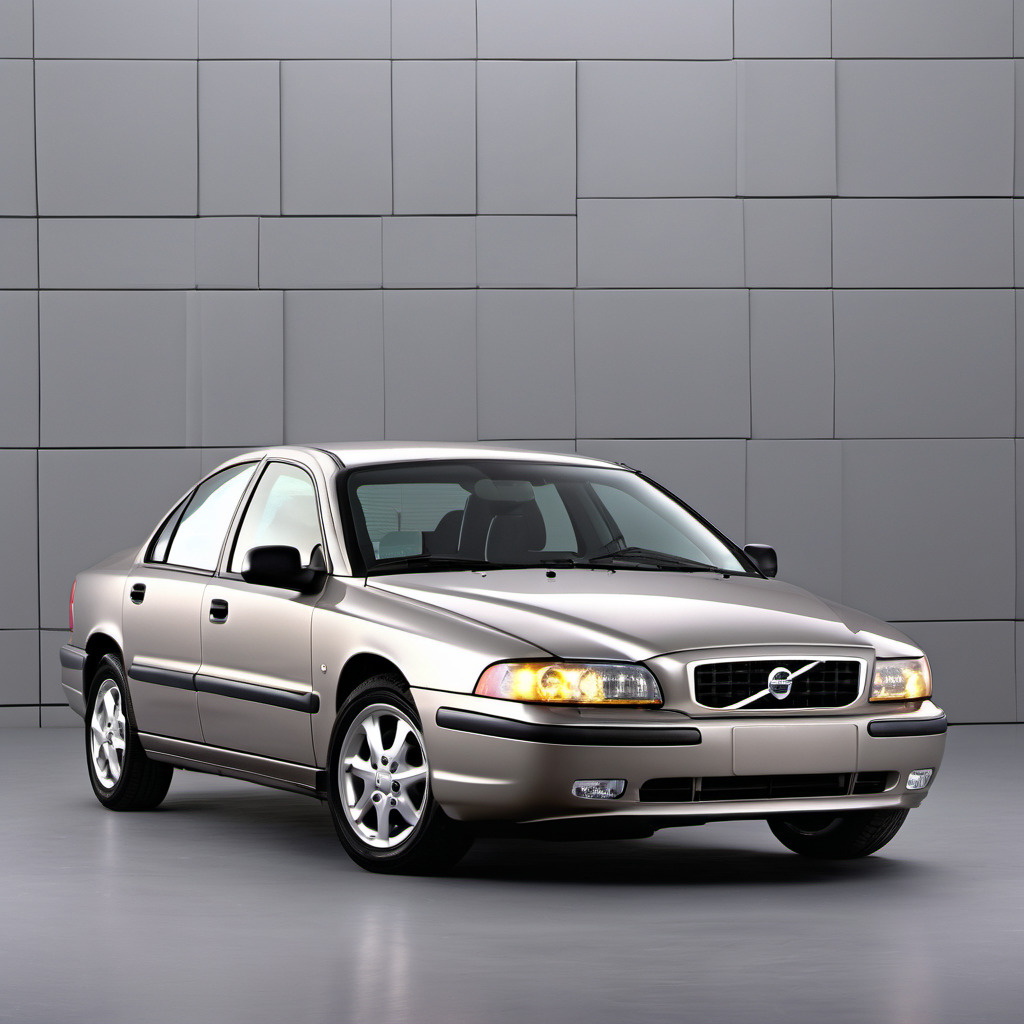
Comparable vehicles

If you're shopping for one

Red flags
  • Sludge visible at oil filler, on the dipstick, or reported low oil pressure — walk away.
  • No timing belt service records and seller is unwilling to negotiate the cost in — the engine risk is real.
  • Overheating history or a cooling system that's clearly been patched rather than properly serviced.
  • Transmission slipping, hard shifts, or refusal to engage reverse promptly — rebuilds on this unit run $1,500–$2,500.
  • Heavy rust perforation on brake lines or subframe — a safety issue and often uneconomical to repair on a car this value.
  • Check engine light the seller says 'just came on' — on a 20+ year old car, scan for codes before purchase, not after.
What to inspect
  • Pull the oil filler cap and look for brown mayonnaise-like sludge — a deal-breaker that indicates chronic late oil changes on the 1MZ-FE.
  • Ask for timing belt service records. If unknown or missing, price a timing belt kit replacement ($400–$700) into your offer — it's not optional on an interference engine.
  • Check the transmission for smooth, prompt shifts through all gears and listen for shudder on light throttle at highway speeds — a sign of worn fluid or internal wear.
  • Inspect the undercarriage carefully for rust on brake lines, fuel lines, and subframe mounting points — Lake Geneva-area cars may have significant salt exposure.
  • Look for coolant residue (white crusty deposits) around the water pump, radiator, and hose connections. The cooling system on a 20+ year old car deserves scrutiny.
  • Sit in the rear seat and press the headliner — sagging fabric is common and a nuisance to repair properly.
AI profile generated 8 days ago · claude-sonnet-4-6 · v2.