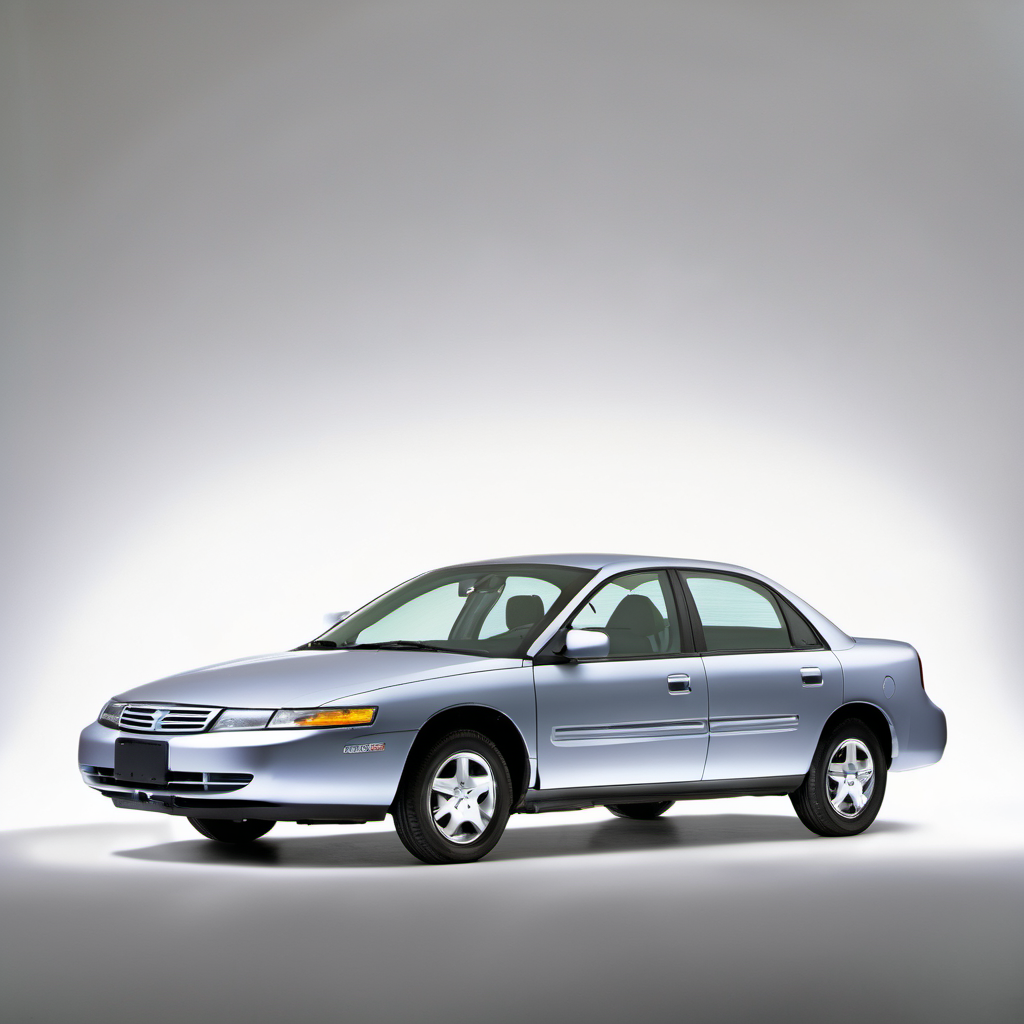
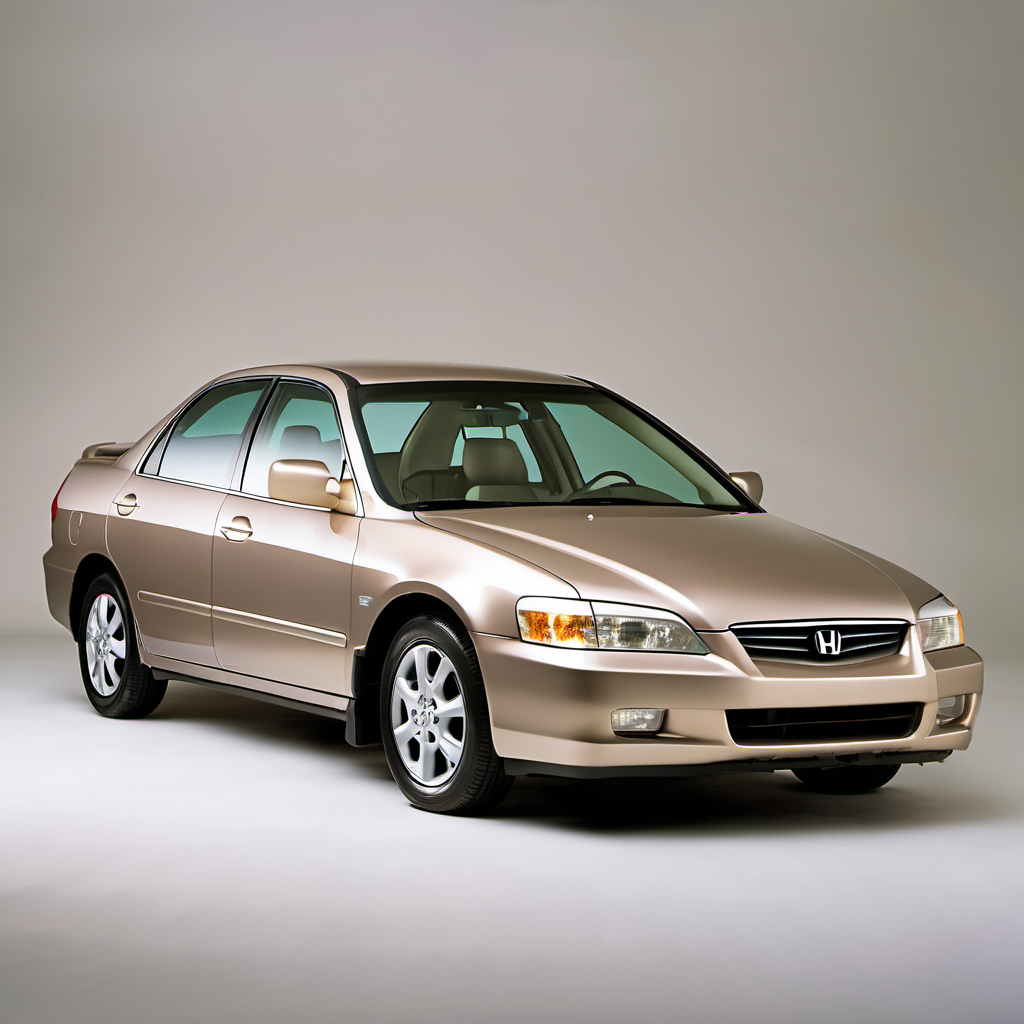
2001 Saturn L-Series Sedan

2001 Saturn

L-SeriesSedan

2.2L I4 Ecotec · Sedan

The 2001 Saturn L-Series is a compact-to-midsize front-wheel-drive sedan that represented Saturn's first push beyond its plastic-body S-Series roots. Built on GM's global "Epsilon" platform shared with Opel, the L-Series offered a more substantial feel than the S-Series but came with the reliability baggage of an early, complex GM global platform. It was reasonably spacious for its class and priced to compete with the Honda Accord and Toyota Camry, but it never matched those rivals in long-term dependability. The L-Series was available with either a 2.2L Ecotec four-cylinder or a 3.0L V6 sourced from Opel. The four-cylinder is the more reliable choice; the V6 is smoother but brought additional maintenance complexity. Both engines were paired with either a manual or automatic transmission depending on trim. By 2001, the L-Series had only been on the market a couple of years and still had early-production gremlins. Saturn dealerships are long gone, making parts and qualified service harder to source than for comparable GM vehicles. At this point in its life, an L-Series is a budget-conscious choice — expect to spend on maintenance and repairs, and vet any used example carefully.

Reliability
2/5
Verified data
Engine
2.2L I4 Ecotec
Drivetrain
FWD
Fuel
Gasoline
MPG
23 city / 32 hwy / 27 combined
Seats
5
Doors
4
Body
Sedan
MSRP
$18,280

Overview

AI-curated

The 2001 Saturn L-Series is a compact-to-midsize front-wheel-drive sedan that represented Saturn's first push beyond its plastic-body S-Series roots. Built on GM's global "Epsilon" platform shared with Opel, the L-Series offered a more substantial feel than the S-Series but came with the reliability baggage of an early, complex GM global platform. It was reasonably spacious for its class and priced to compete with the Honda Accord and Toyota Camry, but it never matched those rivals in long-term dependability. The L-Series was available with either a 2.2L Ecotec four-cylinder or a 3.0L V6 sourced from Opel. The four-cylinder is the more reliable choice; the V6 is smoother but brought additional maintenance complexity. Both engines were paired with either a manual or automatic transmission depending on trim. By 2001, the L-Series had only been on the market a couple of years and still had early-production gremlins. Saturn dealerships are long gone, making parts and qualified service harder to source than for comparable GM vehicles. At this point in its life, an L-Series is a budget-conscious choice — expect to spend on maintenance and repairs, and vet any used example carefully.

Known for
  • More car-like feel than the S-Series it replaced
  • Opel-derived 3.0L V6 option — smooth but parts-intensive
  • Dent-resistant polymer door panels (like S-Series)
  • Affordable entry price when new
  • GM global platform shared with European Opel Vectra
Best for
  • Budget-conscious daily drivers comfortable with DIY or independent-shop maintenance
  • Buyers who need a full-size trunk in a midsize package
  • Owners who plan to keep repair costs low with the 2.2L four-cylinder
Watch for
  • V6 engine oil consumption and timing chain wear
  • Cooling system issues — head gasket susceptibility on early Ecotec engines
  • Rust on underbody, brake lines, and subframe from road salt exposure
  • Scarce Saturn-specific parts as brand has been discontinued
  • Electrical gremlins tied to aging GM body control modules

Common issues by mileage

6 known

Cooling System Failure / Head Gasket Leak

high
Typically appears
60–120k mi
Estimated repair
$900 – $1,800

Automatic Transmission Slipping or Delayed Engagement

medium
Typically appears
80–150k mi
Estimated repair
$1,200 – $2,800

Body Control Module (BCM) / Instrument Cluster Electrical Faults

medium
Typically appears
70–130k mi
Estimated repair
$300 – $900

Oxygen Sensor Heater Circuit Failure

medium
Typically appears
60–100k mi
Estimated repair
$150 – $350

Brake Line and Underbody Rust (Salt Belt)

high
Typically appears
Any mileage on vehicles 10+ years old
Estimated repair
$400 – $1,400

Power Window Regulator Failure

medium
Typically appears
80–140k mi
Estimated repair
$150 – $350

Maintenance schedule

  1. 1
    Every 2 years or 30k mi Engine coolant flush and inspection

    Cooling system failure is the top risk on this engine. Fresh coolant maintains proper pH and protects against the head gasket and water pump issues documented on the 2.2L Ecotec.

  2. 2
    Every 30k mi Transmission fluid change (automatic)

    GM's 'lifetime' fluid claim does not hold up in real-world use on this unit. Fresh Dexron fluid significantly reduces slipping and extends transmission life.

  3. 3
    Every 30k mi Spark plugs and ignition coil inspection

    Worn plugs on the Ecotec cause misfires and put extra stress on the ignition coils, which are a known wear item.

  4. 4
    Every spring (after winter salt exposure) Brake line and underbody rust inspection

    Wisconsin road salt accelerates brake line corrosion on any 20+ year old vehicle. Catching a soft or pitted brake line before it fails is critical for safety.

  5. 5
    Every 60k mi or at first sign of cracking Serpentine belt and tensioner replacement

    Belt failure leaves you stranded and can damage the cooling system. The tensioner often weakens at the same time — replace both together.

  6. 6
    Every fall before winter Battery load test

    A battery that passes a summer voltage check can still fail a cold-crank test. Sub-zero Wisconsin mornings will expose a weak battery fast — test and replace proactively.

  7. 7
    Every 5–6k mi Tire rotation and brake inspection

    FWD vehicles wear front tires and brakes faster. Regular rotation evens out tread wear; early brake inspection catches rust-seized calipers common on salt-belt cars.

  8. 8
    Every 15–20k mi Air filter and fuel filter replacement

    A clogged fuel filter stresses the pump — on a vehicle this age the pump may already be near end of life. Fresh filters keep the fuel system running efficiently.

Always defer to the manufacturer's service manual for warranty-mandated intervals.

Cost of ownership

Annual maintenance
$800 – $2,000
Fuel
At ~27 MPG combined, expect roughly $1,400–$1,700/year at current Midwest gas prices assuming 12,000 miles annually.
Insurance
Typically low — this is an inexpensive, older vehicle with modest market value. Liability-only coverage is common on examples at this age and value.

The L-Series is cheap to insure and reasonably fuel-efficient, but maintenance and repair costs are where owners get surprised. Parts availability is tighter than for comparable GM vehicles because the Saturn brand is gone, and some Opel-derived components require searching. Budget toward the higher end of the maintenance range if the car hasn't had documented service history, or if you're buying it used without knowing its cooling and transmission history.
Seasonal care

Lake Geneva, WI
Winter
  • Test the battery every fall with a load tester — cold cranking amps drop sharply at sub-zero temps and this car's BCM is sensitive to low-voltage conditions.
  • Switch to a winter-rated washer fluid good to at least -20°F; the L-Series windshield is large and salt spray is constant on Wisconsin roads.
  • Inspect and treat underbody, wheel wells, and exposed brake lines with rust inhibitor before first snowfall — this car is over 20 years old and salt damage compounds year over year.
  • Check antifreeze concentration to ensure protection to at least -34°F; a compromised cooling system on this engine is already a risk without adding freeze damage.
  • Install winter wiper blades to handle packed snow and ice without damaging the wiper motor.
  • Keep the fuel tank at least half full to reduce moisture condensation in the fuel system and add winter weight to aid traction on FWD.
Summer
  • Inspect the A/C system for refrigerant leaks and compressor clutch operation — the condenser on these cars can develop slow leaks with age.
  • Check coolant level and condition before summer heat arrives; a marginal cooling system that survived winter may overheat when ambient temps climb.
  • Monitor tire pressure weekly — every 10°F rise in temperature adds about 1 PSI, and overinflated tires reduce wet-weather grip.
  • Inspect the serpentine belt for cracking or glazing; heat accelerates rubber degradation and a belt failure in summer heat is a breakdown waiting to happen.
  • Clean the cabin air filter if equipped — a clogged filter makes the A/C work harder and reduces interior airflow in humid Wisconsin summers.

Comparable vehicles

If you're shopping for one

Red flags
  • No documented coolant service history — cooling system failure is this car's biggest risk, and an unserviced system on a 20+ year old vehicle is a serious liability.
  • Any sign of overheating in the service history or a recently replaced thermostat/water pump without explanation — could indicate an ongoing head gasket problem.
  • Transmission that hesitates or slips during a test drive — rebuild or replacement cost can exceed the car's value.
  • Heavy underbody rust, especially on brake lines or the rear subframe — structural rust on a Wisconsin car this age can be a safety write-off.
  • A check engine light or multiple stored codes — on a car with no Saturn dealership support, diagnosing complex electrical faults can be time-consuming and expensive.
  • Missing or mismatched body panels — the polymer door panels resist dents but can be brittle with age; mismatched panels may indicate a prior collision.
What to inspect
  • Pull the coolant cap (cold only) and look for brown sludge or a milky residue — signs of a compromised head gasket.
  • Check the transmission for smooth upshifts through all gears; any hesitation, slipping, or shudder is a red flag on the 4-speed automatic.
  • Inspect all visible brake lines under the car for rust, pitting, or repair clamps — brake line replacement on a salt-belt car this age is often necessary.
  • Check all four power windows and verify the instrument cluster reads correctly at startup; BCM and cluster faults are common and replacement parts are harder to source.
  • Look for oil spots under the engine and at the valve cover — oil leaks are common at this mileage and indicate deferred maintenance.
  • Confirm the A/C blows cold and cycles properly; recharging an aging system with unknown leak history can become a money pit.
AI profile generated 11 days ago · claude-sonnet-4-6 · v2.