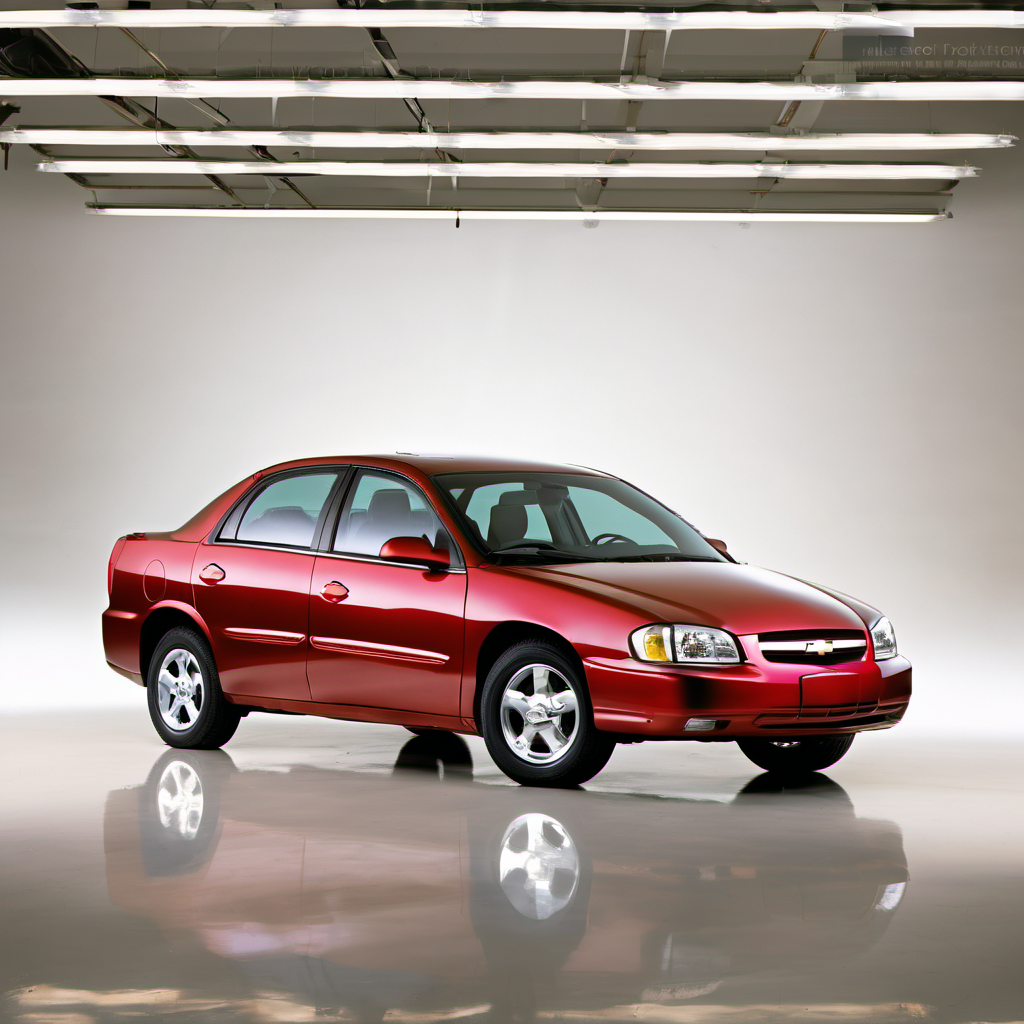
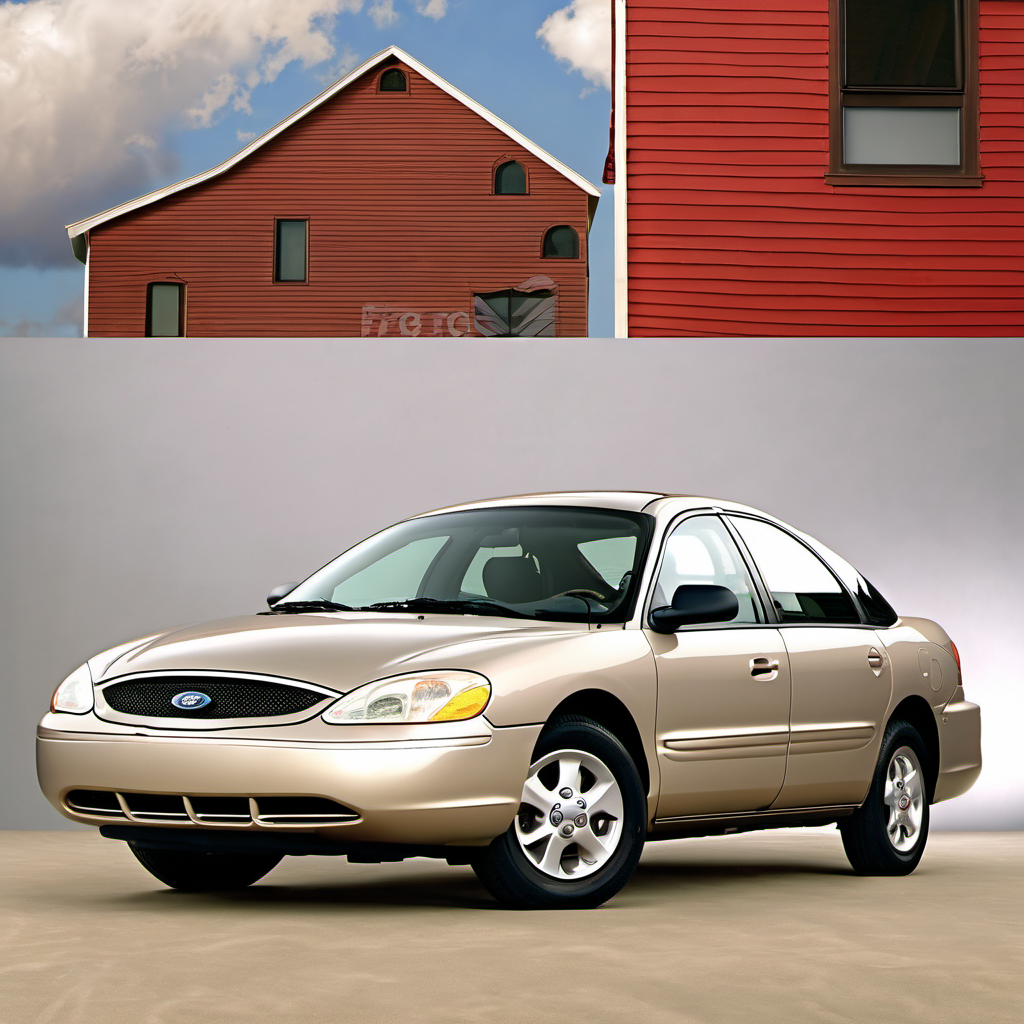
2001 Chevrolet Malibu Sedan

2001 Chevrolet

MalibuSedan

Sedan

The 2001 Chevrolet Malibu is a front-wheel-drive mid-size sedan built on GM's N-body platform. It was positioned as an affordable family car with reasonable fuel economy and a comfortable ride for its class. The second-generation Malibu (1997–2003) represented a major step up from the front-drive compact it replaced, offering genuine back-seat room and a quieter cabin than its domestic competitors at the time. Under the hood, the 3.1L V6 is the engine to have — it's the most common configuration and delivers adequate power for everyday driving. The 4-speed automatic transmission is generally durable but does require regular fluid changes to stay that way. At 20+ years old, any surviving example should be evaluated carefully for rust, deferred maintenance, and intake manifold gasket history — that last item is the defining repair of this generation. For the money, this is a practical used sedan for someone who needs basic transportation and is willing to stay on top of known wear items. It is not a vehicle that rewards neglect.

Reliability
2/5
Verified data
Specs shown for Malibu — the most common configuration. Other trims may vary in engine, drivetrain, or fuel economy. Sign in to see your vehicle's exact specs.
Engine
[object Object]
Drivetrain
FWD
Fuel
Gasoline
MPG
18 city / 26 hwy / 21 combined
Seats
Doors
Body
Midsize Cars

Overview

AI-curated

The 2001 Chevrolet Malibu is a front-wheel-drive mid-size sedan built on GM's N-body platform. It was positioned as an affordable family car with reasonable fuel economy and a comfortable ride for its class. The second-generation Malibu (1997–2003) represented a major step up from the front-drive compact it replaced, offering genuine back-seat room and a quieter cabin than its domestic competitors at the time. Under the hood, the 3.1L V6 is the engine to have — it's the most common configuration and delivers adequate power for everyday driving. The 4-speed automatic transmission is generally durable but does require regular fluid changes to stay that way. At 20+ years old, any surviving example should be evaluated carefully for rust, deferred maintenance, and intake manifold gasket history — that last item is the defining repair of this generation. For the money, this is a practical used sedan for someone who needs basic transportation and is willing to stay on top of known wear items. It is not a vehicle that rewards neglect.

Known for
  • Affordable, roomy family transportation
  • Smooth ride quality for its class
  • 3.1L V6 longevity when properly maintained
  • Lower purchase price on the used market
Best for
  • Budget-conscious commuters
  • Buyers needing a spacious back seat on a tight budget
  • Short to medium daily driving distances
  • Owners comfortable with DIY or independent-shop maintenance
Watch for
  • Intake manifold gasket failure — nearly universal on the 3.1L V6
  • Heavy rust on subframes, floor pans, and brake lines in Midwest climates
  • Lower intake gasket coolant leaks leading to overheating if ignored
  • Passlock theft-deterrent system failures causing no-start conditions
  • Age-related rubber deterioration: hoses, CV axle boots, bushings

Common issues by mileage

6 known

Intake Manifold Gasket Failure (Lower)

high
Typically appears
60–120k mi
Estimated repair
$400 – $700

Coolant System Overheating / Thermostat Failure

medium
Typically appears
80–130k mi
Estimated repair
$120 – $250

Passlock Theft-Deterrent No-Start

high
Typically appears
Any mileage
Estimated repair
$100 – $350

Front Struts and Strut Mounts Worn

high
Typically appears
80–120k mi
Estimated repair
$300 – $550

Oxygen Sensor / Heater Circuit Fault

medium
Typically appears
80–130k mi
Estimated repair
$150 – $280

Brake Line Rust and Corrosion

high
Typically appears
Any mileage on Midwest vehicles
Estimated repair
$300 – $900

Maintenance schedule

  1. 1
    Every 30k mi or immediately if history is unknown Cooling system flush and intake gasket inspection

    The 3.1L V6 lower intake gasket is the most expensive commonly deferred repair on this engine. Catching a coolant leak early prevents a $400 job from becoming a $2,000+ engine repair. Use fresh Dex-Cool coolant at the correct 50/50 mix.

  2. 2
    Every 30–40k mi Automatic transmission fluid change

    GM specified long-life intervals that real-world use does not support. Fresh Dexron III/VI fluid is cheap insurance on a 4T45-E that is expensive to rebuild.

  3. 3
    Every 5,000 mi or 6 months Engine oil and filter change

    Short trip driving common in Wisconsin winters causes moisture and fuel dilution in the oil faster than the OLM assumes. Err on the shorter side for an older engine.

  4. 4
    Every 60k mi or at first sign of squealing Serpentine belt and tensioner inspection

    Belt-driven accessories on this engine include the alternator and water pump. A snapped belt leaves you stranded; a worn tensioner causes premature belt wear.

  5. 5
    Every spring after winter season Brake line inspection

    Road salt in the Lake Geneva area aggressively corrodes the steel brake lines on this chassis. A failed brake line is a safety emergency — catch rust perforation before it becomes a blowout.

  6. 6
    Every 30k mi or annually CV axle boot inspection

    Torn CV boots pack in road grit and accelerate joint wear. Catching a split boot early means a $30 boot kit; ignoring it means a $150–250 axle shaft replacement.

  7. 7
    Every 60k mi (conventional plugs) Spark plugs and wires

    The 3.1L uses a distributerless ignition. Worn plugs or cracked plug wires cause misfires and reduced fuel economy. Wire replacement is easy and cheap on this engine.

  8. 8
    Every fall before Wisconsin winter Battery load test

    Cold cranking amps drop sharply below 0°F. A battery that starts the car fine in September can fail in January. Test before the cold hits, not after.

Always defer to the manufacturer's service manual for warranty-mandated intervals.

Cost of ownership

Annual maintenance
$600 – $1,400
Fuel
At 21 MPG combined and Wisconsin average fuel prices, expect roughly $1,500–$2,000/year for 12,000–15,000 miles of driving.
Insurance
Liability-only coverage on a vehicle this age typically runs $500–$900/year in the Lake Geneva area depending on driver profile. Full coverage rarely pencils out at the market value of a 2001 Malibu.

The 2001 Malibu is inexpensive to buy but moderately expensive to keep up if deferred maintenance has accumulated. Budget $600–$900 per year for routine upkeep on a well-maintained car; plan for $1,000–$1,400 in any year that requires struts, a brake job, or oxygen sensors. If the intake manifold gaskets have never been done, assume that cost immediately.
Seasonal care

Lake Geneva, WI
Winter
  • Load-test the battery every fall — sub-zero temps in Lake Geneva regularly kill marginal batteries overnight.
  • Switch to a winter-rated washer fluid rated to at least -20°F; the 3.1L runs warm enough that the reservoir won't freeze but the lines and nozzles can.
  • Inspect brake lines and fuel lines for rust perforation before snow season — salt will find any pinhole.
  • Check coolant freeze protection with a tester; a 50/50 Dex-Cool mix protects to around -34°F, which covers Wisconsin winters.
  • Verify the block heater (if equipped) works; parking outside in January at -10°F makes cold starts harder on already-aged piston rings and seals.
  • Use a winter-grade 5W-30 oil if the engine consumes oil or runs rough on cold starts — conventional 10W-30 thickens significantly below 0°F.
Summer
  • Check tire pressure monthly — pressures drop about 1 PSI per 10°F temperature change, and summer heat can mask a slow leak.
  • Inspect the A/C system for refrigerant charge and cabin filter condition; a clogged cabin filter makes the evaporator work harder.
  • Watch the temperature gauge on hot days, especially in stop-and-go traffic — the 3.1L with aging cooling components can push toward the high end.
  • Inspect the radiator cap and overflow reservoir for cracks; heat cycling accelerates plastic degradation on a 20+ year-old system.
  • Check power steering fluid and hose connections — heat softens aging hoses and can reveal small leaks that were sealed in cooler temperatures.

Comparable vehicles

If you're shopping for one

Red flags
  • Coolant loss with no visible external leak — likely active intake manifold gasket failure.
  • Rust holes or severe corrosion on the subframe, floor pan, or brake lines — structural safety concern that often exceeds the car's value to repair.
  • Overheating history or a recently replaced engine without documented cause — may signal chronic cooling system neglect.
  • Oil that looks brown and milky on the dipstick — coolant contamination means the engine may be compromised.
  • Any evidence of frame welding or patch panels on the undercarriage — indicates previous serious rust repair.
  • Chronic stalling or no-start codes with no clean repair history — Passlock issues can be intermittent and frustrating to resolve definitively.
What to inspect
  • Pull the oil dipstick and look for milky, caramel-colored residue — a sign of coolant-in-oil from a failed intake manifold gasket.
  • Check the coolant overflow reservoir for oil sheen or brown sludge — another intake gasket tell.
  • Get under the car and inspect the brake lines, fuel lines, and subframe mounting points for rust perforation or severe scale — this is the most important used-car check in Wisconsin.
  • Test the Passlock system: turn the key to 'on,' let it sit for 10 minutes if it stalls on start, see if it relearns. Chronic no-starts are a negotiating point or a walk-away.
  • Drive it over a rough road and listen for clunking from strut mounts and front end — worn struts are nearly guaranteed at this age and mileage.
  • Check all four CV axle boots for splits and grease spray on the inside of the wheel wells.
AI profile generated 16 days ago · claude-sonnet-4-6 · v2.