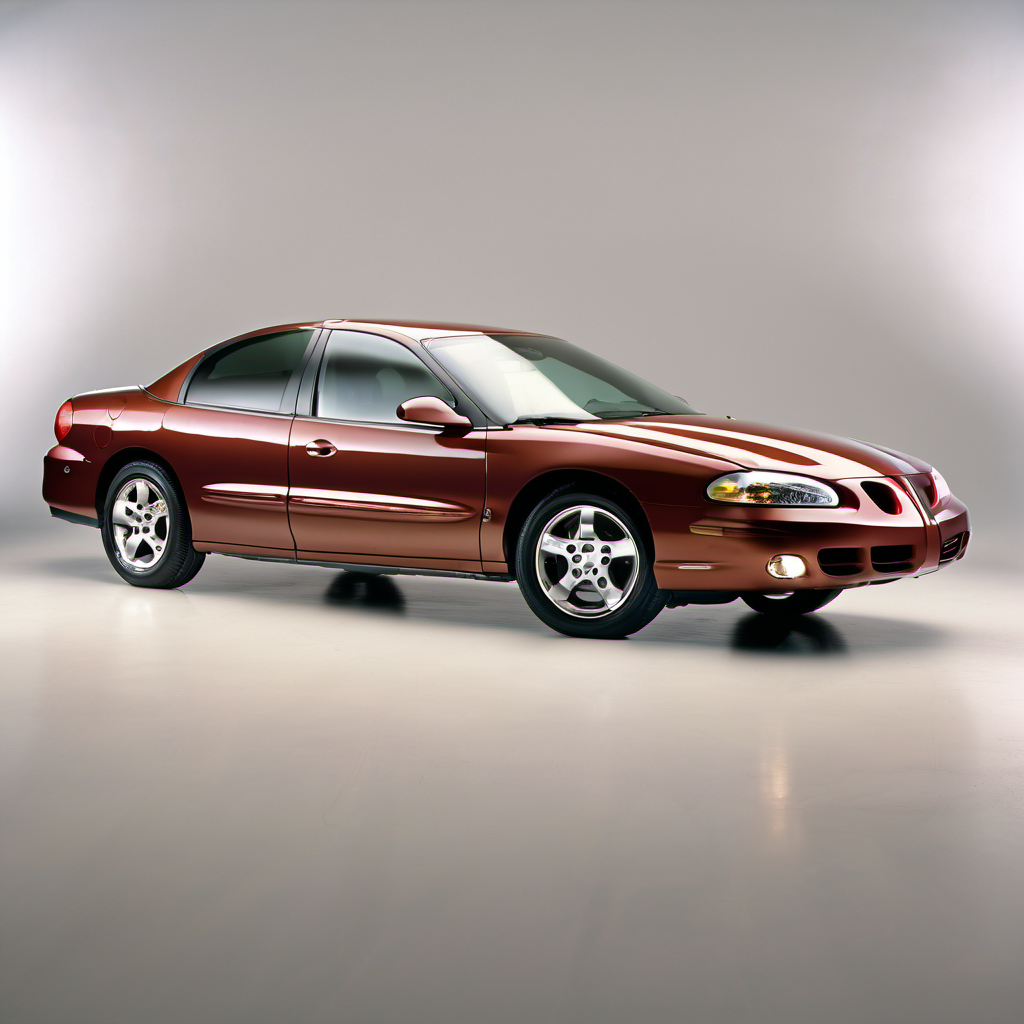
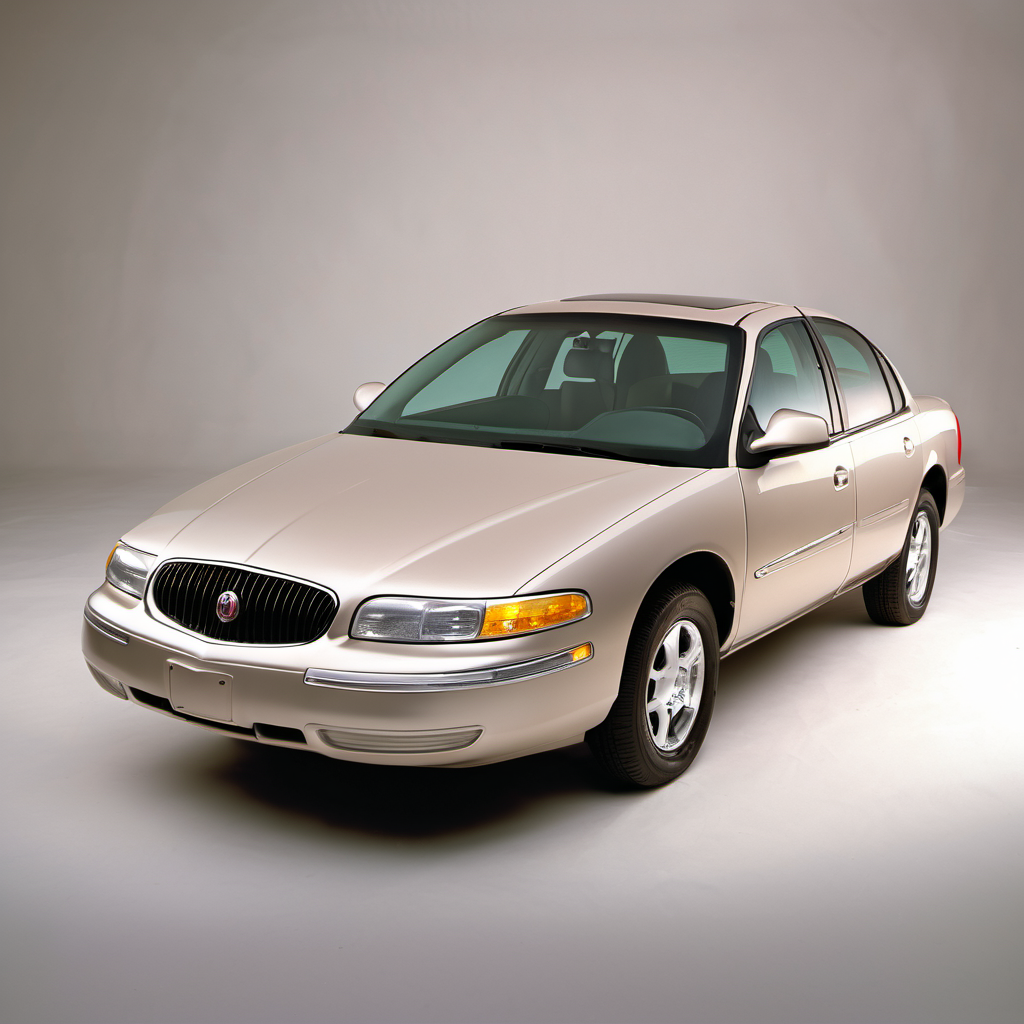
2001 Pontiac Grand Prix Sedan

2001 Pontiac

Grand PrixSedan

Sedan

The 2001 Pontiac Grand Prix is a front-wheel-drive mid-size sedan from GM's W-body platform, a design shared with the Buick Regal, Oldsmobile Intrigue, and Chevy Impala. It was Pontiac's volume seller, pitched as a sporty yet practical family car. By 2001 the platform was well-sorted, though age and GM cost-cutting of the era left some known weak points. The base 3.1L V6 is a proven, long-lived engine in normal use, but it carries a persistent coolant intake manifold gasket problem that affected nearly every GM 3.1 and 3.4 of this generation. Budget for that repair if it hasn't already been done. The 4-speed automatic behind it is generally durable when serviced regularly. At 20+ years old, any surviving Grand Prix is solidly in "high-mileage used car" territory. Parts are cheap and widely available, independent shops know this platform well, and running costs are low — but rust and deferred maintenance are the real enemies on Wisconsin roads.

Reliability
3/5
Verified data
Specs shown for Grand Prix — the most common configuration. Other trims may vary in engine, drivetrain, or fuel economy. Sign in to see your vehicle's exact specs.
Engine
[object Object]
Drivetrain
FWD
Fuel
Gasoline
MPG
18 city / 26 hwy / 21 combined
Seats
Doors
Body
Midsize Cars

Overview

AI-curated

The 2001 Pontiac Grand Prix is a front-wheel-drive mid-size sedan from GM's W-body platform, a design shared with the Buick Regal, Oldsmobile Intrigue, and Chevy Impala. It was Pontiac's volume seller, pitched as a sporty yet practical family car. By 2001 the platform was well-sorted, though age and GM cost-cutting of the era left some known weak points. The base 3.1L V6 is a proven, long-lived engine in normal use, but it carries a persistent coolant intake manifold gasket problem that affected nearly every GM 3.1 and 3.4 of this generation. Budget for that repair if it hasn't already been done. The 4-speed automatic behind it is generally durable when serviced regularly. At 20+ years old, any surviving Grand Prix is solidly in "high-mileage used car" territory. Parts are cheap and widely available, independent shops know this platform well, and running costs are low — but rust and deferred maintenance are the real enemies on Wisconsin roads.

Known for
  • Sporty styling that aged well for its era
  • GM 3.1L V6 — simple, parts-cheap, but notorious for intake manifold gasket leaks
  • Comfortable, roomy interior for a mid-size
  • Affordable ownership when properly maintained
  • Shared W-body platform with strong parts availability
Best for
  • Budget-conscious drivers who want a roomy sedan
  • DIYers comfortable with GM V6 engines
  • Low-mileage highway commuters
  • Buyers who need cheap parts and widespread shop familiarity
Watch for
  • Intake manifold coolant leak — extremely common on 3.1L, often causes overheating or white exhaust smoke
  • Rust on subframe, brake lines, and rocker panels from Wisconsin salt exposure
  • Lower intake gasket failure can contaminate oil with coolant — check for milky oil
  • Power window regulators and door lock actuators fail frequently at this age
  • Coolant loss without visible external leak is a red flag — pressure test before buying

Common issues by mileage

6 known

Intake Manifold Gasket Coolant Leak

high
Typically appears
60–130k mi
Estimated repair
$350 – $650

Lower Intake Gasket Oil/Coolant Contamination

medium
Typically appears
80–150k mi
Estimated repair
$400 – $700

Oxygen Sensor Failure (Heater Circuit)

medium
Typically appears
80–150k mi
Estimated repair
$120 – $250

Power Window Regulator Failure

high
Typically appears
80k+ mi
Estimated repair
$100 – $220

Instrument Cluster / Gauge Failure (Stepper Motors)

high
Typically appears
100k+ mi
Estimated repair
$150 – $350

Maintenance schedule

  1. 1
    Every 30k mi or immediately on any used purchase Coolant flush and intake manifold gasket inspection

    The 3.1L's intake manifold gaskets are the single most likely failure on this engine. Fresh Dex-Cool at correct concentration and an early gasket inspection can prevent a catastrophic overheat.

  2. 2
    Every 5,000 mi or 6 months Engine oil and filter change

    If the intake gasket has been seeping, coolant can enter the oil. Check for a milky or caramel-colored dipstick at every oil change.

  3. 3
    Every 30k mi Automatic transmission fluid change

    GM's 4T65-E automatic is durable but fluid-sensitive. Dark or burnt-smelling fluid accelerates wear on this transmission significantly.

  4. 4
    Annually — especially before winter Brake line and fuel line inspection for rust

    Wisconsin road salt eats steel brake and fuel lines from the outside in. Soft spots, bubbling, or surface rust require immediate attention — a failed brake line is a safety emergency.

  5. 5
    Every 60k mi or at first sign of cracking/squealing Serpentine belt and tensioner replacement

    The 3.1L's belt drives everything including the water pump pulley. A snapped belt in sub-zero temps means no power steering and immediate overheat.

  6. 6
    Every 60k mi Spark plugs and wires replacement

    Worn plugs cause misfires and rough idle on the 3.1. Original-equipment plug wires on a 20-year-old car are well overdue regardless of mileage.

  7. 7
    Every 2 weeks during winter road-salt season Undercarriage wash

    Salt accumulates in subframe pockets and rocker panels. Regular washing is the cheapest rust prevention available.

  8. 8
    Every fall, before temperatures drop below freezing Battery load test

    Cold cranking amps drop sharply below 0°F. A battery that starts the car in October may leave you stranded in January.

Always defer to the manufacturer's service manual for warranty-mandated intervals.

Cost of ownership

Annual maintenance
$600 – $1,400
Fuel
At 21 MPG combined and ~12,000 miles/year, expect roughly $1,400–$1,700/year at current Wisconsin gas prices. Highway commuters will do better.
Insurance
Typically low — older mid-size sedans with modest book value carry minimal comprehensive/collision premiums. Expect $600–$1,000/year for full coverage depending on driver profile.

The Grand Prix is genuinely cheap to own if the intake manifold gasket is already done and rust hasn't taken hold. Parts are plentiful and inexpensive, any GM-experienced shop can work on it, and insurance is minimal on a 20-year-old car. The wildcard is deferred maintenance: a neglected example can stack up $1,500–$2,500 in catch-up repairs quickly. Budget separately for rust mitigation if you're keeping it through Wisconsin winters.
Seasonal care

Lake Geneva, WI
Winter
  • Load-test the battery every fall — the 3.1L needs strong cranking amps at sub-zero temperatures and a weak battery will fail when you need it most
  • Switch to a winter-rated washer fluid rated to at least -20°F; the stock reservoir and lines can freeze with all-season fluid in Wisconsin cold snaps
  • Inspect brake lines and rubber hoses before the first freeze — salt-weakened steel lines are most likely to fail under pressure during winter hard stops
  • Check antifreeze concentration with a tester; Dex-Cool diluted by a slow leak may not protect to -34°F as spec'd
  • Keep the fuel tank at least half full to reduce condensation in the tank and add weight over the front drive wheels
  • Wash the undercarriage every 1–2 weeks when roads are salted, paying attention to subframe pockets and rocker panel seams
Summer
  • Inspect the A/C system — refrigerant leaks are common on 20-year-old systems and recharge is cheap insurance before a hot Wisconsin July
  • Check tire pressure monthly; tires lose about 1 PSI for every 10°F of temperature swing, and under-inflation accelerates wear
  • Inspect the coolant overflow tank and hoses for cracks — heat soak accelerates rubber degradation on an engine already prone to coolant loss
  • Check the serpentine belt for cracking or glazing; heat cycles age rubber belts faster and a failure in summer traffic is a tow call
  • Clear leaves and debris from the cowl drain and HVAC intake to prevent water intrusion and musty A/C odors

Comparable vehicles

If you're shopping for one

Red flags
  • White or sweet-smelling exhaust smoke — coolant burning in the combustion chamber, likely from a failed intake or head gasket
  • Milky oil on the dipstick — coolant contamination, engine may have sustained internal damage
  • Any bubbling, soft, or heavily pitted steel brake lines — safety failure risk, and replacement can be expensive on a rusty car
  • Severe subframe rust — frame repair or replacement is often more than the car is worth
  • Automatic transmission slipping, flaring between gears, or refusing to engage — rebuilds cost more than the car's market value
  • Coolant level low with no visible external leak and no prior repair records for the intake gasket
What to inspect
  • Pull the oil dipstick and look for milky, frothy, or caramel-colored oil — a sign the intake gasket has been leaking coolant into the oil
  • Check the coolant overflow tank for oil residue or a brownish scum line — another intake gasket failure indicator
  • Pressure-test the cooling system; a slow leak that doesn't show puddles under the car is the classic 3.1L symptom
  • Inspect all four rocker panels, the subframe mounting points, and rear wheel arches for rust perforation — these are the first places Wisconsin salt wins
  • Crawl under and look at the steel brake lines running along the frame rails; surface rust is expected, but pitting, bubbling, or soft spots are a pass
  • Test every power window from the driver's master switch and from each individual switch — regulators fail on all four doors
  • Check the instrument cluster gauges for erratic sweeping or stuck needles (speedometer, fuel, temp) — stepper motor failure is common and annoying
  • Take it on a highway ramp and feel for torque steer or pulling — worn front struts and CV axles are common at high mileage
AI profile generated 13 days ago · claude-sonnet-4-6 · v2.