Lower Intake Manifold Gasket Failure
high- Typically appears
- 60–130k mi
- Estimated repair
- $350 – $650
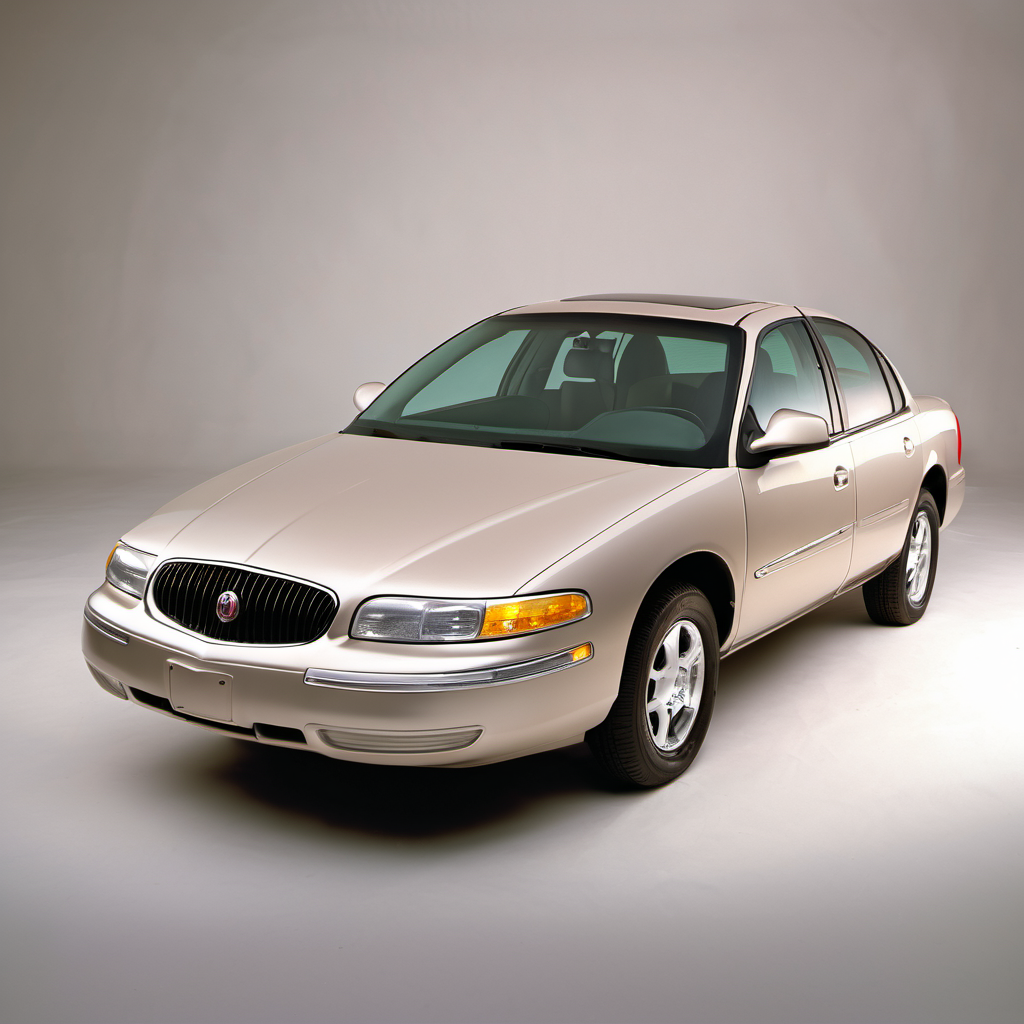
2001 Buick
Sedan
The 2001 Buick Regal is a front-wheel-drive full-size sedan built on GM's W-body platform, shared with the Pontiac Grand Prix, Oldsmobile Intrigue, and Chevrolet Impala. It was Buick's mid-range workhorse — quieter and better-padded than its platform siblings, aimed squarely at comfort-first buyers who wanted a big American sedan without Cadillac pricing. The Regal came standard with GM's legendary 3800 Series II V6 (3.8L), one of the most dependable American engines of its era. The GS trim added a supercharger, but the base LS with the naturally aspirated 3800 is generally considered the sweeter long-term ownership bet. The 4T65-E automatic transmission was the standard partner, and while it can develop issues past 100k miles, it's serviceable at independent shops across the Midwest. By 2001 the Regal was in its final generation before being discontinued in 2004. These cars are now 20+ years old, so condition and maintenance history matter far more than model-year differences. Rust — especially on lower body panels, subframes, and brake lines — is the single biggest threat to a Wisconsin example.
The 2001 Buick Regal is a front-wheel-drive full-size sedan built on GM's W-body platform, shared with the Pontiac Grand Prix, Oldsmobile Intrigue, and Chevrolet Impala. It was Buick's mid-range workhorse — quieter and better-padded than its platform siblings, aimed squarely at comfort-first buyers who wanted a big American sedan without Cadillac pricing. The Regal came standard with GM's legendary 3800 Series II V6 (3.8L), one of the most dependable American engines of its era. The GS trim added a supercharger, but the base LS with the naturally aspirated 3800 is generally considered the sweeter long-term ownership bet. The 4T65-E automatic transmission was the standard partner, and while it can develop issues past 100k miles, it's serviceable at independent shops across the Midwest. By 2001 the Regal was in its final generation before being discontinued in 2004. These cars are now 20+ years old, so condition and maintenance history matter far more than model-year differences. Rust — especially on lower body panels, subframes, and brake lines — is the single biggest threat to a Wisconsin example.
The 3800 is robust but sludge from extended oil changes shortens its life. Use the shorter interval on a 20+ year old engine.
Degraded Dex-Cool accelerates intake gasket and water pump failure. Check for brown sludge or oily residue in the reservoir — that's a red flag.
GM's extended-life fluid spec is optimistic on aging transmissions. Fresh Dexron VI extends 4T65-E life noticeably.
Salt destroys the steel brake lines on W-body cars. A rusted-through line is a safety emergency. Catch it early.
The 3800 has a coil pack ignition system. Worn plug wires cause misfires that are often mistaken for more serious problems.
Belt failure on the 3800 kills the water pump and alternator simultaneously. Cheap insurance.
Subframe rust on W-body cars can reach the point of structural unsafety. Annual inspection and undercoating extends the car's viable life in Wisconsin.
Batteries over 3–4 years old that look fine in summer can fail suddenly at sub-zero temps. A $10 load test prevents a miserable January morning.
Always defer to the manufacturer's service manual for warranty-mandated intervals.
The Regal is genuinely cheap to maintain when things are going well. Parts are abundant, the engine is simple, and any competent shop can work on it. Budget more in years when deferred maintenance catches up — intake gaskets, transmission service, or brake line replacement can push a single year well over $1,500. A rust-free car is dramatically cheaper to own than a salty one.
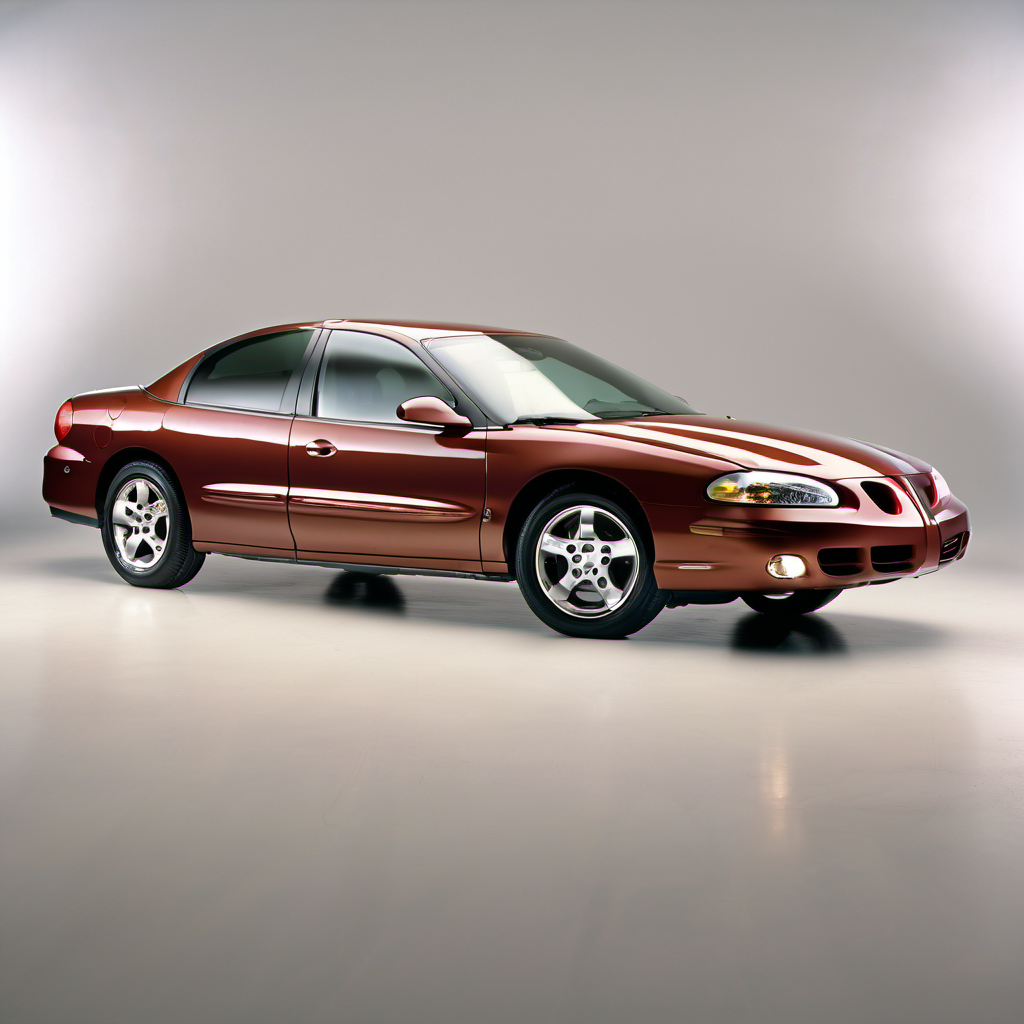
Shares the identical W-body platform and 3800 V6. Sportier styling and suspension tune, slightly less refined cabin — same mechanical DNA and parts cost.
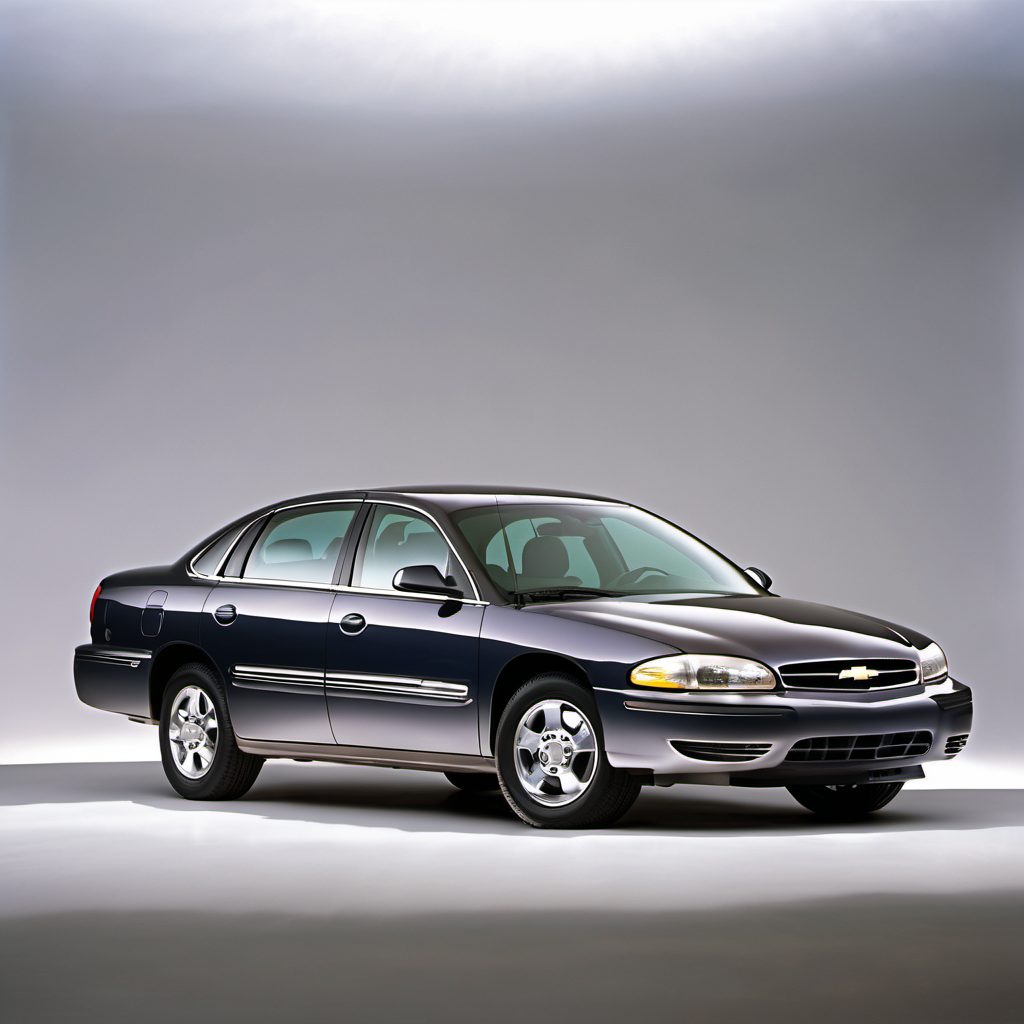
Same W-body platform, same 3.8L V6 option. The Impala replaced the Regal in the lineup and has better parts availability today. Slightly less premium feel but more common.
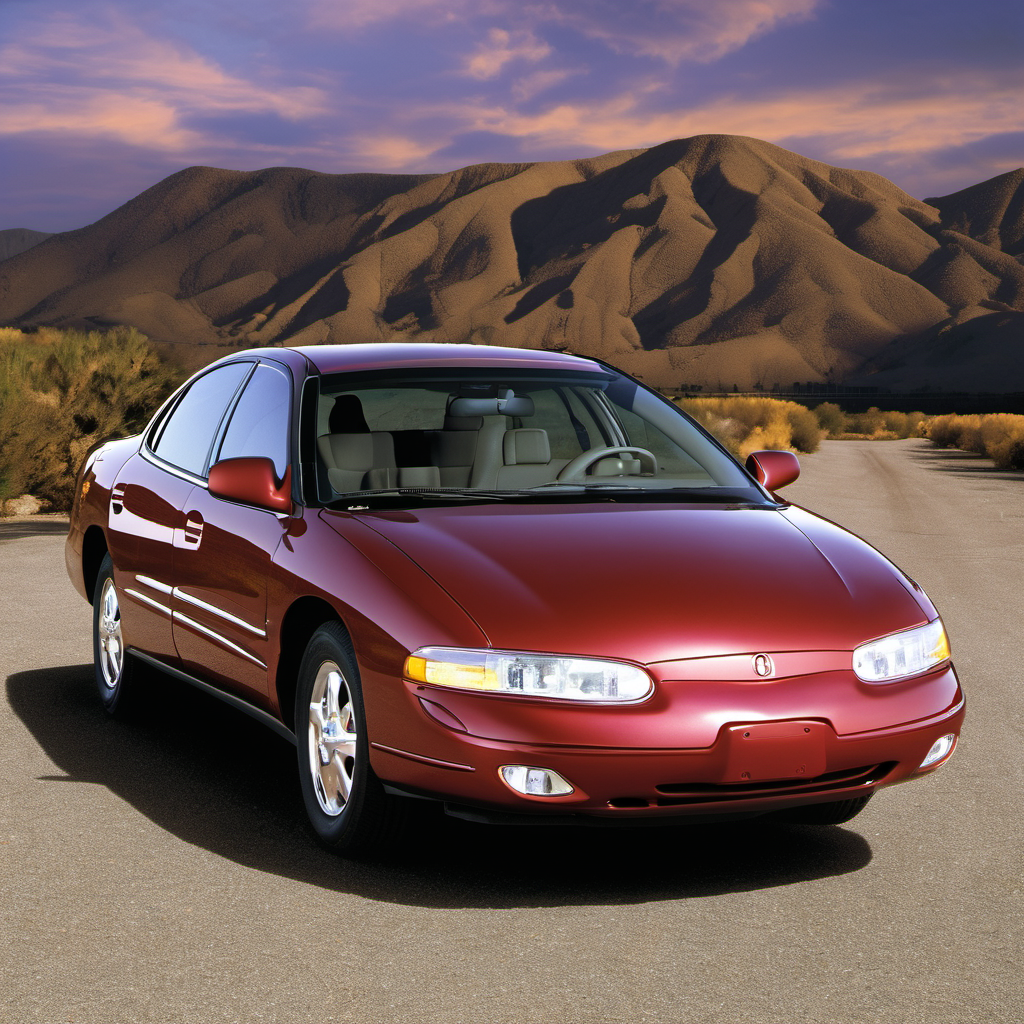
Another W-body sibling with a different 3.5L V6. Similar comfort focus and price point, though parts are harder to find now that Oldsmobile is gone.
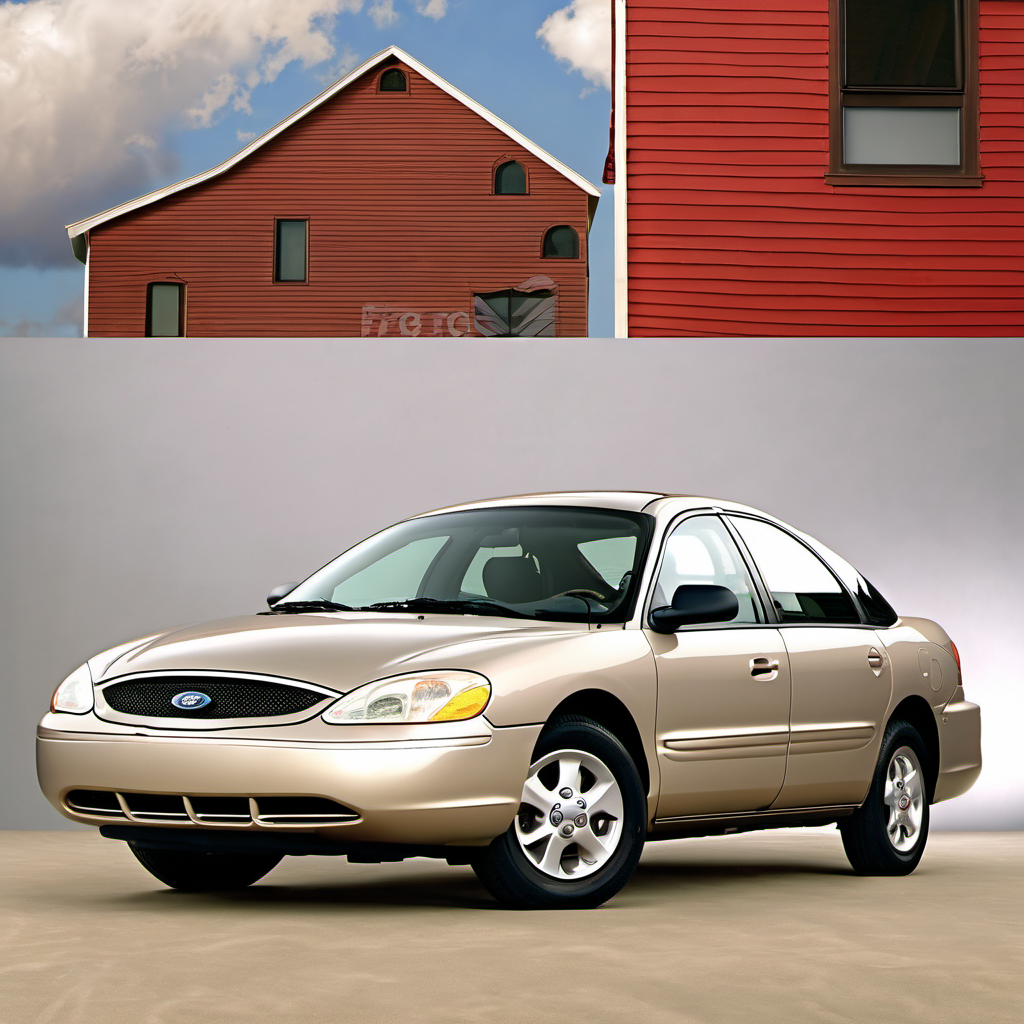
The Taurus was the main competitor in the large FWD family sedan segment at the same price point. Different platform and engine, but comparable comfort-focused mission and used-car pricing.