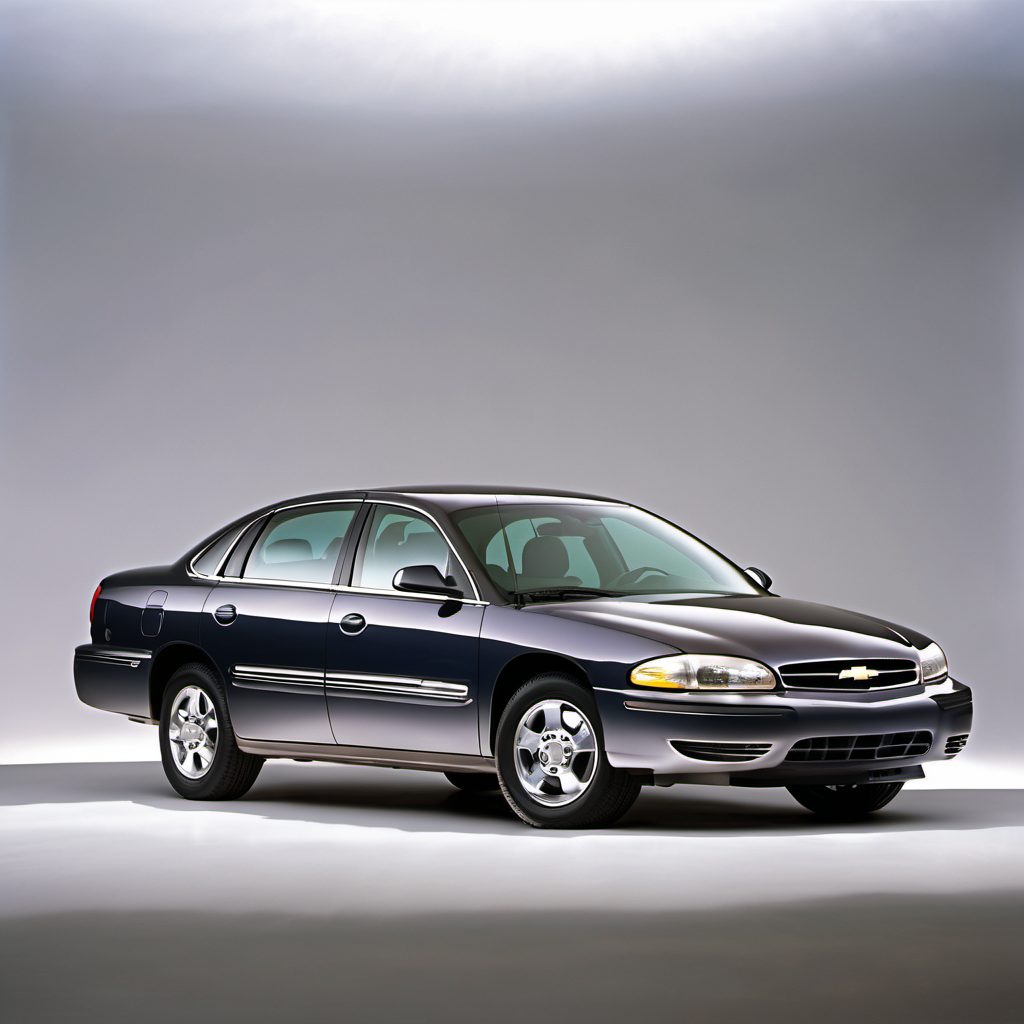
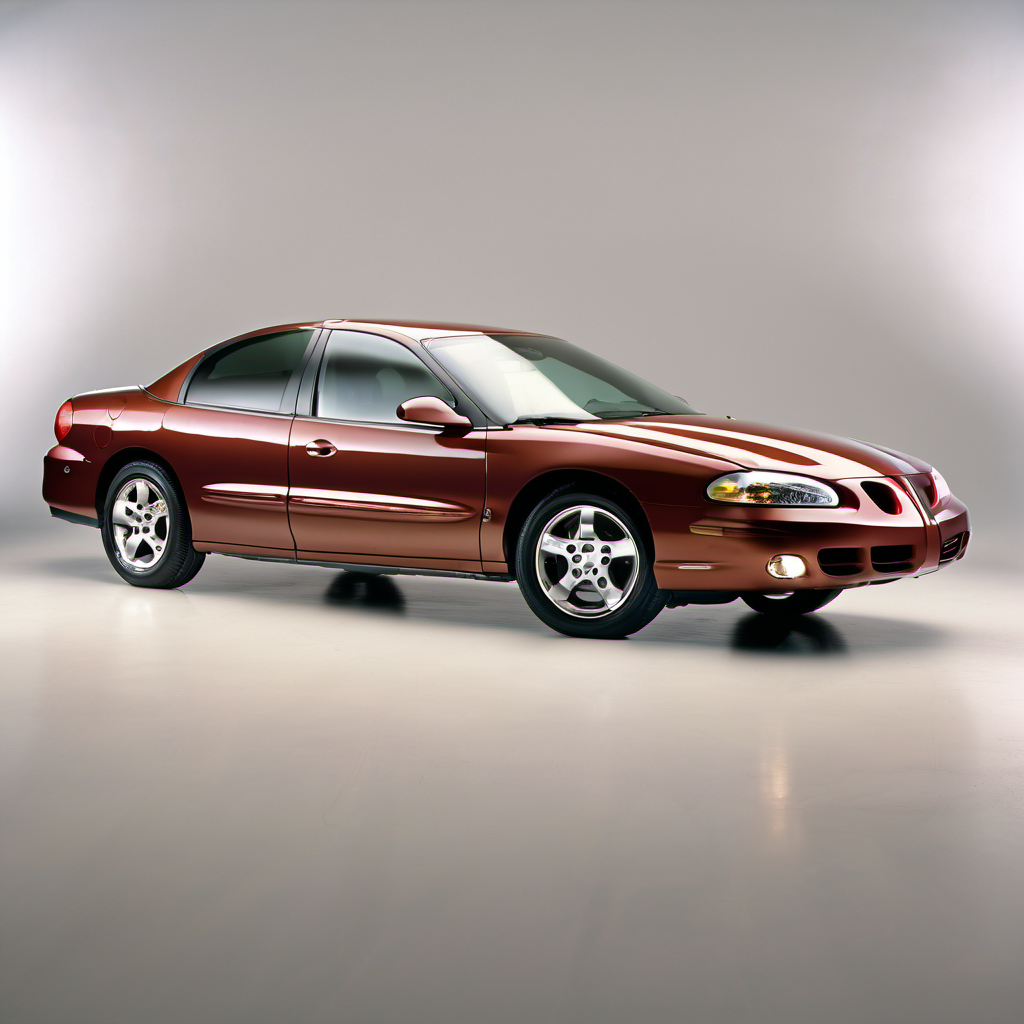
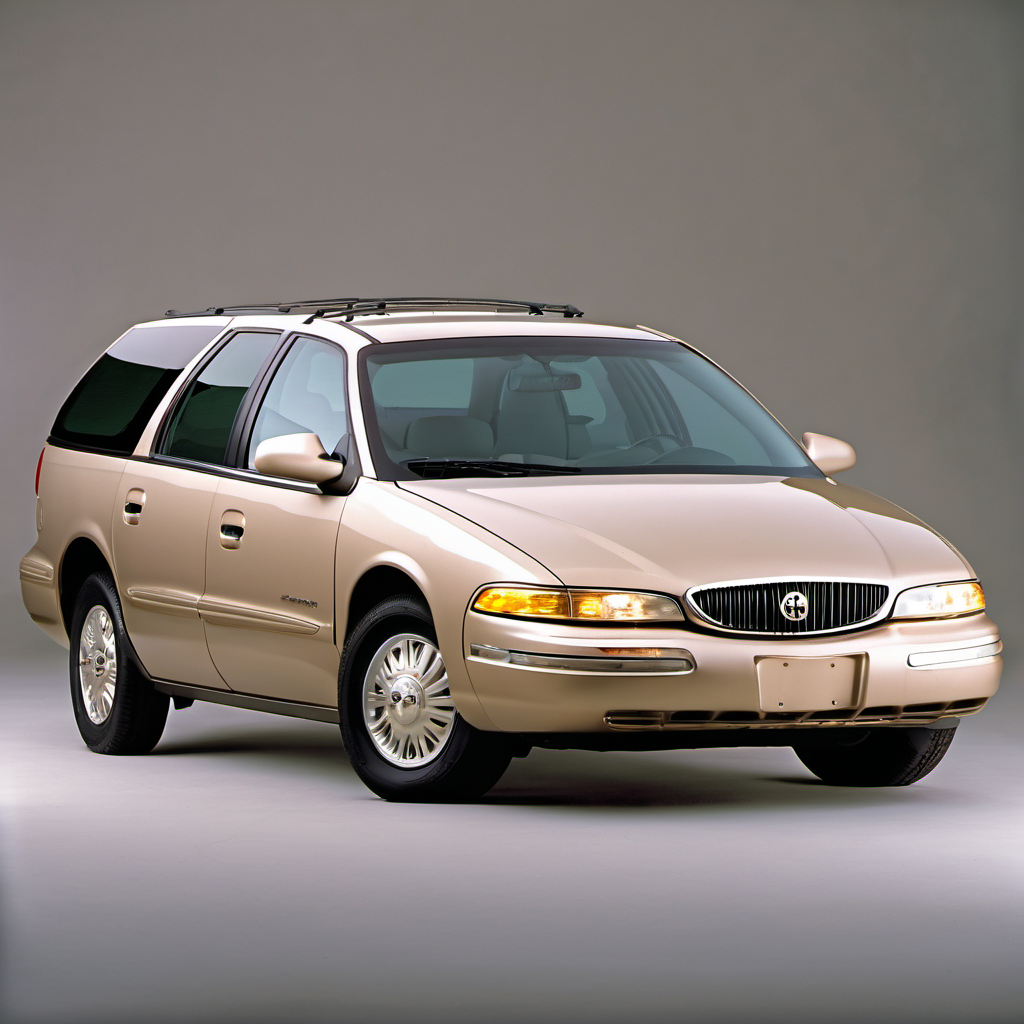
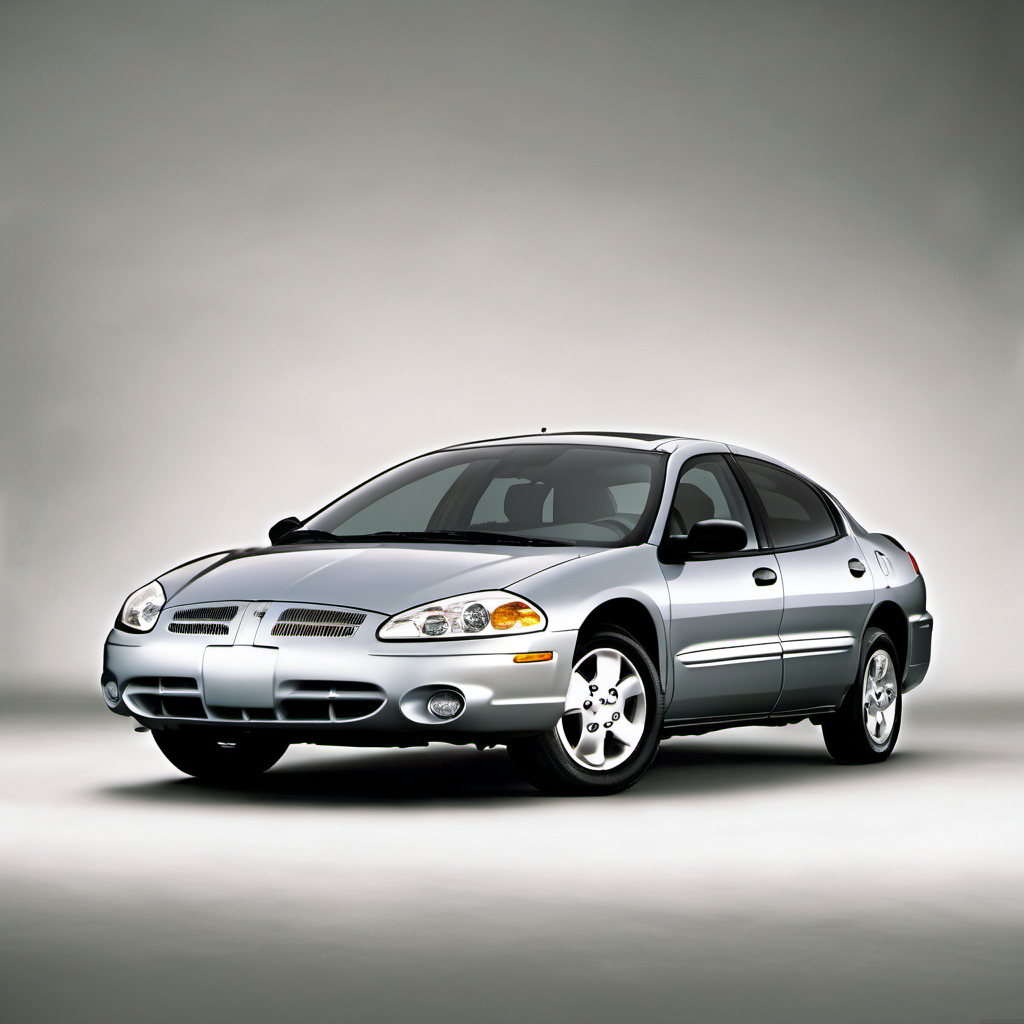
2001 Chevrolet Impala Sedan

2001 Chevrolet

ImpalaSedan

Sedan

The 2001 Chevrolet Impala marked the return of a legendary nameplate as a mainstream front-wheel-drive full-size sedan. Built on GM's W-body platform shared with the Buick Century, Regal, and Pontiac Grand Prix, it was engineered to deliver a roomy, comfortable interior at an affordable price. The base engine is the 3.4L V6, with an optional 3.8L V6 available in LS trim — a notably stronger and more reliable powerplant. For 2001, the Impala was a volume-sales workhorse that appealed to families and buyers stepping out of mid-size cars who wanted more space without moving to a truck or SUV. Ride quality is soft and highway-friendly, and the rear seat is genuinely spacious for a non-luxury car. Build quality and interior materials are decidedly budget-oriented, but the bones are solid. At this age, any surviving 2001 Impala has cleared 150,000–200,000+ miles or is a low-use survivor. Either way, deferred maintenance and age-related rubber/seal deterioration are the biggest concerns, not inherent design flaws. Parts availability is excellent and repair costs at an independent shop are very reasonable.

Reliability
3/5
Verified data
Specs shown for Impala — the most common configuration. Other trims may vary in engine, drivetrain, or fuel economy. Sign in to see your vehicle's exact specs.
Engine
[object Object]
Drivetrain
FWD
Fuel
Gasoline
MPG
19 city / 29 hwy / 22 combined
Seats
Doors
Body
Large Cars

Overview

AI-curated

The 2001 Chevrolet Impala marked the return of a legendary nameplate as a mainstream front-wheel-drive full-size sedan. Built on GM's W-body platform shared with the Buick Century, Regal, and Pontiac Grand Prix, it was engineered to deliver a roomy, comfortable interior at an affordable price. The base engine is the 3.4L V6, with an optional 3.8L V6 available in LS trim — a notably stronger and more reliable powerplant. For 2001, the Impala was a volume-sales workhorse that appealed to families and buyers stepping out of mid-size cars who wanted more space without moving to a truck or SUV. Ride quality is soft and highway-friendly, and the rear seat is genuinely spacious for a non-luxury car. Build quality and interior materials are decidedly budget-oriented, but the bones are solid. At this age, any surviving 2001 Impala has cleared 150,000–200,000+ miles or is a low-use survivor. Either way, deferred maintenance and age-related rubber/seal deterioration are the biggest concerns, not inherent design flaws. Parts availability is excellent and repair costs at an independent shop are very reasonable.

Known for
  • Roomy, comfortable interior with generous rear-seat space
  • Affordable running costs and widely available parts
  • Smooth, compliant highway ride
  • Strong V6 powertrains (especially the 3.8L LS option)
  • Popular law-enforcement and fleet roots bringing durability-focused engineering
Best for
  • Budget-conscious daily drivers needing full-size room
  • Buyers comfortable doing basic upkeep on an older, simple platform
  • Highway commuters prioritizing comfort over performance
  • First-car buyers learning ownership on a forgiving, parts-cheap platform
Watch for
  • Intake manifold gasket failure on the 3.4L V6 — a known and expensive issue
  • Aggressive Wisconsin road salt causing undercarriage and brake-line corrosion on a 20+ year old vehicle
  • Worn struts and control-arm bushings at this age and mileage
  • Cracked or leaking coolant reservoir — common on this generation
  • Passlock/Passlock II anti-theft system causing no-start conditions

Common issues by mileage

6 known

Intake Manifold Gasket Failure (3.4L V6)

high
Typically appears
60–130k mi
Estimated repair
$350 – $700

Coolant Reservoir Cracking / Coolant Loss

high
Typically appears
80–150k mi
Estimated repair
$50 – $150

Passlock II Anti-Theft No-Start

medium
Typically appears
Any mileage
Estimated repair
$80 – $250

Front Struts / Control Arm Bushings Worn

high
Typically appears
100k+ mi
Estimated repair
$300 – $700

Brake Line Corrosion (Rust)

high
Typically appears
Any mileage on salt-belt vehicles
Estimated repair
$200 – $800

Oxygen Sensor / Upstream O2 Heater Circuit Fault

medium
Typically appears
100k+ mi
Estimated repair
$120 – $280

Maintenance schedule

  1. 1
    Every 2 years or 30k mi — sooner if any milky oil or sweet smell is noticed Coolant system flush and reservoir inspection

    The 3.4L is notorious for intake manifold gasket leaks mixing coolant with oil. Fresh coolant and a clean system make early leaks easier to spot before they become catastrophic.

  2. 2
    Every 30k mi on a used vehicle with unknown history Transmission fluid change (4T65-E automatic)

    The 4T65-E is durable but sensitive to degraded fluid. Brown or burned-smelling fluid on a high-mileage example is a red flag. Do not flush — drain and fill only on a transmission with unknown service history.

  3. 3
    Every 30k mi Spark plugs and ignition wires

    The 3.4L's rear bank of plugs and wires is difficult to reach; shops often skip them. Worn ignition components cause misfires that are hard to distinguish from bigger engine problems.

  4. 4
    Every year — every spring after Wisconsin winters Brake line inspection (all hard lines and flex hoses)

    Salt-belt cars this age commonly develop pinhole rust in steel brake lines. A line failure means complete brake loss. This is a safety-critical annual inspection, not optional.

  5. 5
    Every spring Undercarriage rust inspection

    Subframe, control arm mounting points, and fuel/brake line brackets are all corrosion-prone on Wisconsin cars this age. Catching perforation early avoids structural surprises during routine repairs.

  6. 6
    Every 60k mi or at signs of cracking/glazing Serpentine belt and tensioner

    A snapped belt in a Wisconsin winter leaves you stranded with no charging, no power steering, and no water pump cooling. Cheap insurance on a car this age.

  7. 7
    Every fall before winter Battery test and cable inspection

    A marginal battery that starts fine at 50°F will refuse to start at 0°F. Lake Geneva winters demand a battery with full cold-cranking amps. Check cable ends for corrosion at the same time.

  8. 8
    Every fall; top off washer fluid monthly in winter Wiper blade and washer fluid service

    Use -20°F or -30°F rated washer fluid — summer formula freezes instantly on a Wisconsin highway in January and creates a total whiteout. Replace blades before the first freeze; the ones that fail in an ice storm were always borderline.

Always defer to the manufacturer's service manual for warranty-mandated intervals.

Cost of ownership

Annual maintenance
$600 – $1,800
Fuel
At 22 MPG combined and typical Wisconsin driving mix, expect roughly $1,400–$1,900/year at current mid-grade fuel prices. Highway-heavy drivers will do better.
Insurance
Typically very low — full-size sedans this age with low market value often run $600–$1,000/year for full coverage depending on driver profile. Liability-only can be under $500.

The Impala's biggest ownership advantage is cheap parts and simple mechanicals. Routine upkeep is inexpensive. The wildcard is deferred maintenance on a 20+ year old car — a neglected intake manifold gasket, rusted brake lines, or a shot transmission can each generate a $500–$1,500 bill in a single season. Budget accordingly and stay ahead of the maintenance schedule.
Seasonal care

Lake Geneva, WI
Winter
  • Test the battery every fall — cold-cranking amps drop sharply below 0°F and this car's age means the battery may already be marginal
  • Switch to -30°F washer fluid before the first freeze; summer formula ices over instantly on Wisconsin roads
  • Inspect all brake lines and flex hoses before winter — rust-compromised lines are most likely to fail under the pressure spikes of hard winter stops
  • Check the block heater if equipped, or use a trickle charger on bitterly cold nights to ease cold starts and reduce wear on the 3.4L
  • Rinse the undercarriage at a touchless car wash every 1–2 weeks during heavy salting periods — this car is already 20+ years old and salt accumulation accelerates rust that may already be present
  • Verify that antifreeze is at -34°F protection or better; the 3.4L coolant system is already prone to issues and freeze damage compounds them
Summer
  • Monitor the temperature gauge closely — the 3.4L's intake manifold gasket issue can first show up as overheating in stop-and-go traffic on hot days
  • Inspect the coolant reservoir for cracks and check the level weekly during hot weather; low coolant on a hot day can cause rapid overheating
  • Check tire pressure monthly — summer heat increases pressure and underinflated tires from a cold morning reading become overinflated and heat-prone by afternoon
  • Test the A/C system before peak heat; refrigerant leaks are common on cars this age and recharging a system with a failing seal is a temporary fix only
  • Inspect the serpentine belt for glazing or cracking — summer heat accelerates belt deterioration and a failure means loss of A/C, power steering, and charging simultaneously

Comparable vehicles

If you're shopping for one

Red flags
  • Milky or frothy oil on the dipstick or under the oil cap — walk away or negotiate heavily for the cost of a full intake manifold gasket job
  • Any visible rust perforation on brake lines, fuel lines, or subframe — structural/safety concern that may exceed the car's value to repair
  • No maintenance records on a 20+ year old, 100k+ mile car — too much unknown deferred maintenance risk
  • Transmission that slips, hesitates into gear, or clunks on shifts — 4T65-E rebuilds run $1,200–$2,000
  • Security light that stays illuminated after startup — indicates Passlock fault that may strand you without warning
  • Strong coolant smell inside the cabin or fogged windows — heater core may be leaking, a labor-intensive repair on this platform
What to inspect
  • Pull the oil dipstick and look for a milky, frothy residue — a classic sign of coolant mixing with oil from the intake manifold gasket
  • Check the coolant reservoir for cracks, sludge, or a brown oily film on the inside — more evidence of gasket seepage
  • Inspect all visible steel brake lines along the frame and near the rear axle for rust perforation, not just surface rust
  • With the engine warm, look for coolant drips on the ground or steam from around the intake area
  • Test the Passlock system by trying to start the car after a brief sit — watch for the security light staying on and the car cranking but not firing
  • Bounce each corner and listen for clunking; drive over a speed bump slowly and listen for worn strut or bushing noise from the front end
  • Check for rust at the rear wheel arches, rocker panels, and subframe mounting points — structural rust is a deal-breaker on a car this age
AI profile generated 13 days ago · claude-sonnet-4-6 · v2.