Intake Manifold Gasket Failure (Lower)
high- Typically appears
- 60–120k mi
- Estimated repair
- $350 – $650
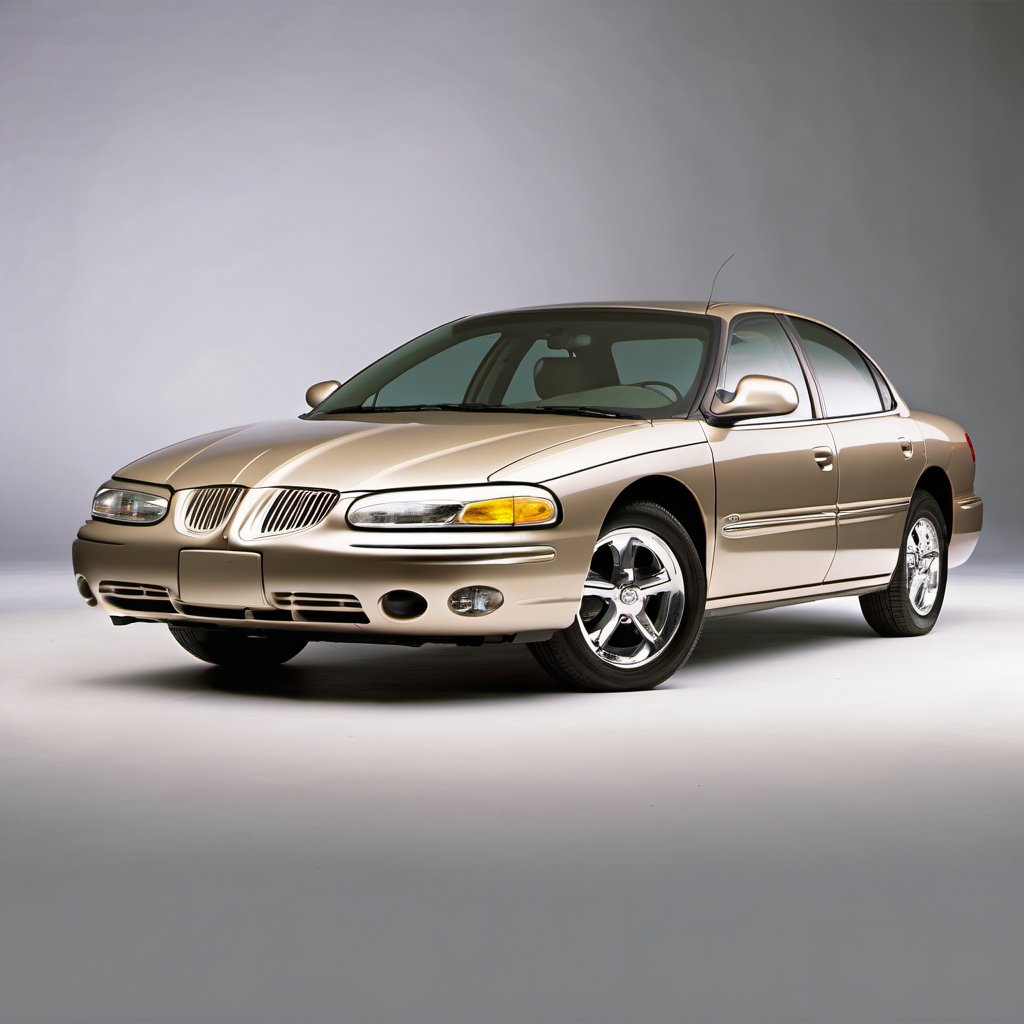
2001 Pontiac
Sedan
The 2001 Pontiac Bonneville is a full-size front-wheel-drive sedan built on GM's G-body platform, sharing its bones with the Buick LeSabre and Park Avenue. It was Pontiac's flagship, aimed squarely at buyers who wanted a roomy, comfortable American sedan with a sporty edge. The standard engine is GM's legendary 3800 Series II V6 — one of the most proven engines of the era — mated to a 4-speed automatic. By 2001, the Bonneville had found its niche as a highway cruiser with genuine comfort credentials: a wide, supportive interior, smooth ride, and respectable fuel economy for its size. The SLE trim is the volume seller; the supercharged SSEi adds a punchy 240 hp for those who want performance without sacrificing the sedan package. At 20+ years old, these cars are now deep into the used-car tier. The 3800 engine itself is nearly bulletproof, but supporting systems — intake manifold gaskets, cooling, power accessories, and suspension bushings — are age- and mileage-dependent. A well-maintained example is a practical, inexpensive daily driver; a neglected one can nickel-and-dime you quickly.
The 2001 Pontiac Bonneville is a full-size front-wheel-drive sedan built on GM's G-body platform, sharing its bones with the Buick LeSabre and Park Avenue. It was Pontiac's flagship, aimed squarely at buyers who wanted a roomy, comfortable American sedan with a sporty edge. The standard engine is GM's legendary 3800 Series II V6 — one of the most proven engines of the era — mated to a 4-speed automatic. By 2001, the Bonneville had found its niche as a highway cruiser with genuine comfort credentials: a wide, supportive interior, smooth ride, and respectable fuel economy for its size. The SLE trim is the volume seller; the supercharged SSEi adds a punchy 240 hp for those who want performance without sacrificing the sedan package. At 20+ years old, these cars are now deep into the used-car tier. The 3800 engine itself is nearly bulletproof, but supporting systems — intake manifold gaskets, cooling, power accessories, and suspension bushings — are age- and mileage-dependent. A well-maintained example is a practical, inexpensive daily driver; a neglected one can nickel-and-dime you quickly.
The 3800 V6 is durable but oil quality matters for valve train and gasket longevity. Conventional oil is fine; full synthetic is better for cold Wisconsin starts.
Dex-Cool degradation is the primary cause of intake manifold gasket failure on these engines. Use only GM-approved coolant at the correct 50/50 mix. Inspect the plastic surge tank for cracks at every flush.
Lower intake gaskets on the 3800 Series II are a known wear item. Catching an external leak early is a $400 job; ignoring it until coolant enters the oil can mean a $1,500+ engine rebuild.
The 4T65-E automatic is reliable but fluid breakdown accelerates clutch wear. Drop-and-fill plus filter replacement at an independent shop is straightforward and cheap insurance.
Worn plugs and cracked wires cause misfires that are harder to diagnose on a 20-year-old ignition system. On the 3800, the rear bank plugs require patience to access — budget extra labor time.
A battery that passes a summer voltage test can still fail a cold-crank test. Sub-zero temps hit aging batteries hard; load-testing in October is cheap insurance against a no-start in January.
Steel brake lines on Wisconsin cars rust from the inside out. A visual inspection each spring can catch soft lines before they fail. Look at the fuel and coolant hard lines at the same time.
The belt drives the water pump and alternator. A failed tensioner can drop the belt without warning. At this vehicle's age, replace both belt and tensioner together to avoid a second labor charge.
Always defer to the manufacturer's service manual for warranty-mandated intervals.
This is an inexpensive car to own if the intake gaskets and cooling system are in good shape. Parts are abundant and cheap — a 3800 is one of the easiest domestic engines to find parts for. The risk is deferred maintenance: a neglected cooling system can turn a $400 gasket job into a $1,500+ repair very quickly. Budget on the higher end of maintenance in year one until you know the car's real history.
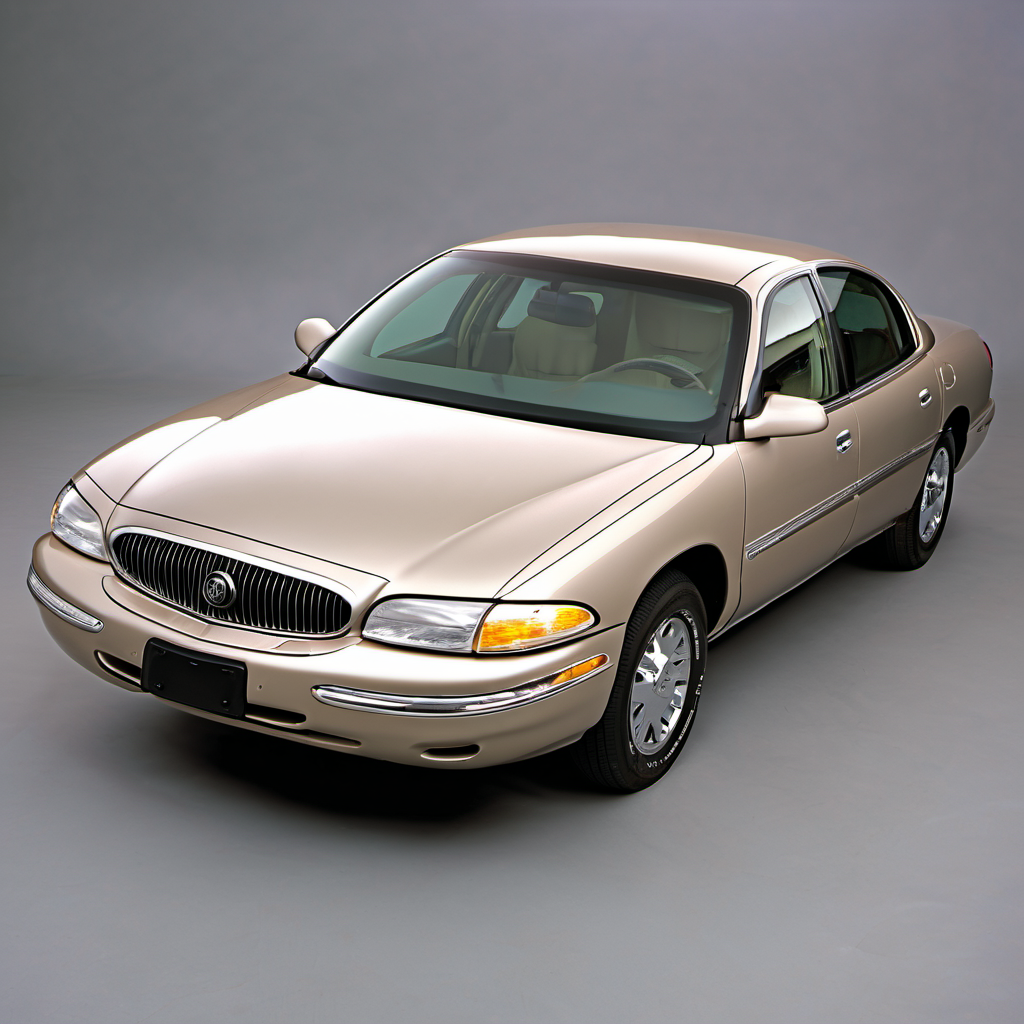
Same GM platform and 3800 Series II engine, slightly softer suspension tune. Often better maintained by original owners and priced similarly. The more conservative choice in the same footprint.

RWD full-size alternative with a proven 4.6L V8. Simpler mechanically, extremely durable, and parts are everywhere. Better for high-mileage buyers; less comfortable cabin than the Bonneville.
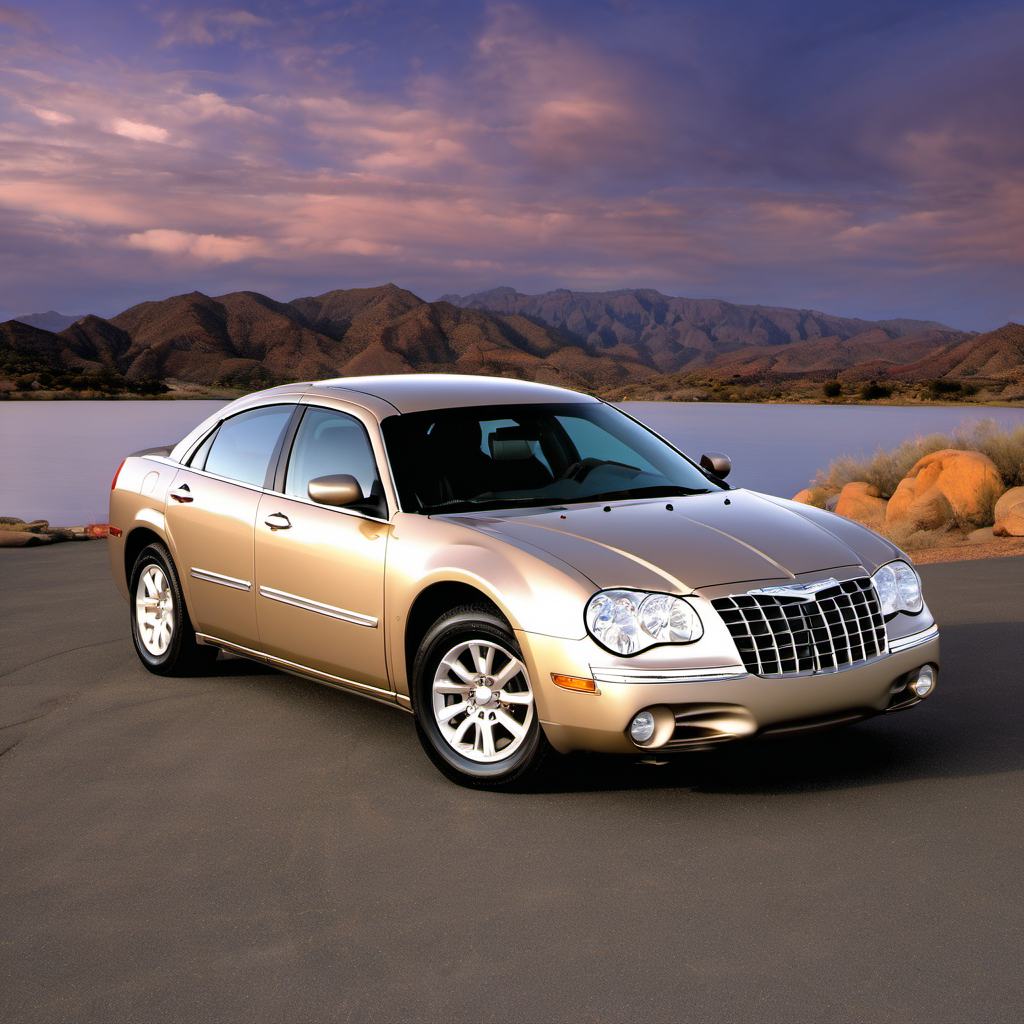
FWD near-luxury sedan in the same price bracket. Sportier styling and handling, but the 2.7L V6 is significantly less reliable than the 3800. Choose this one only with known maintenance history.
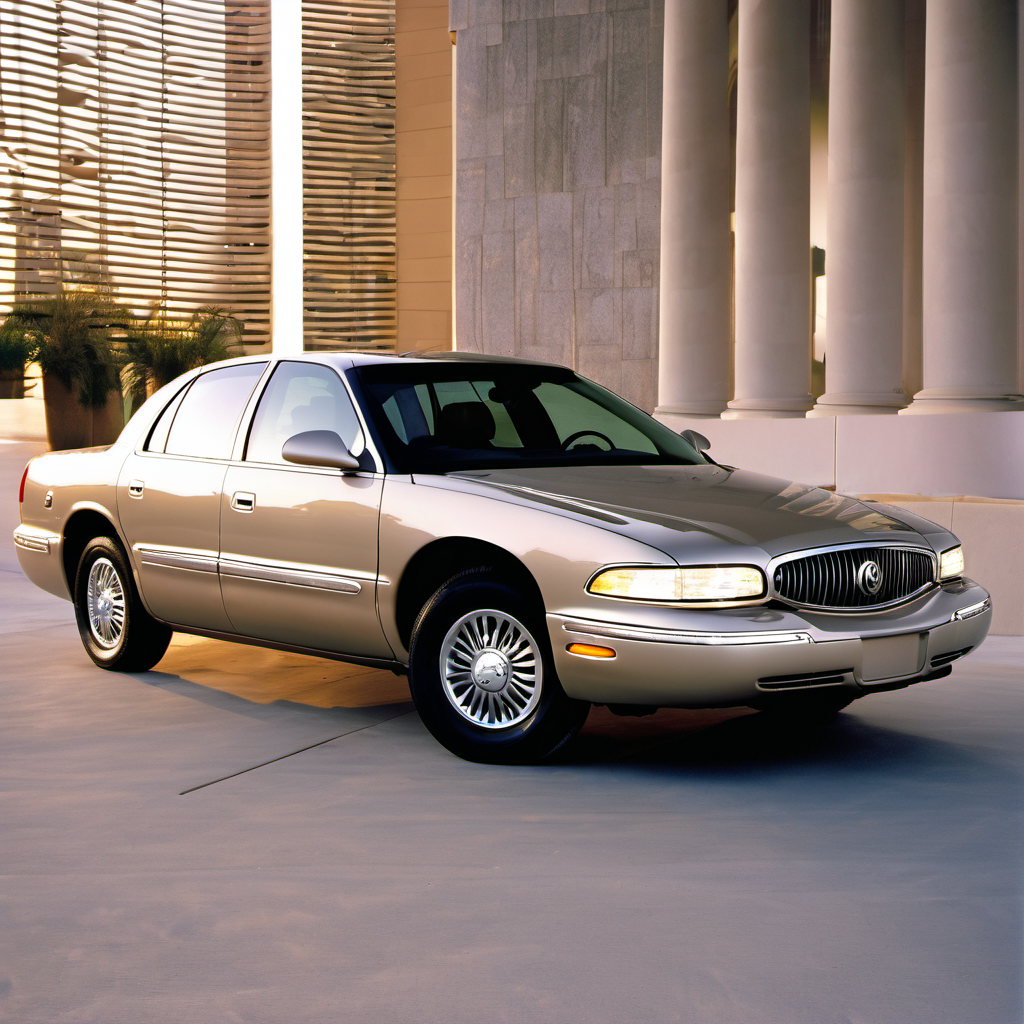
Upscale sibling on the same platform. Quieter, more premium interior, same engine options including the supercharged Ultra. Typically costs a bit more but often comes with better care records.