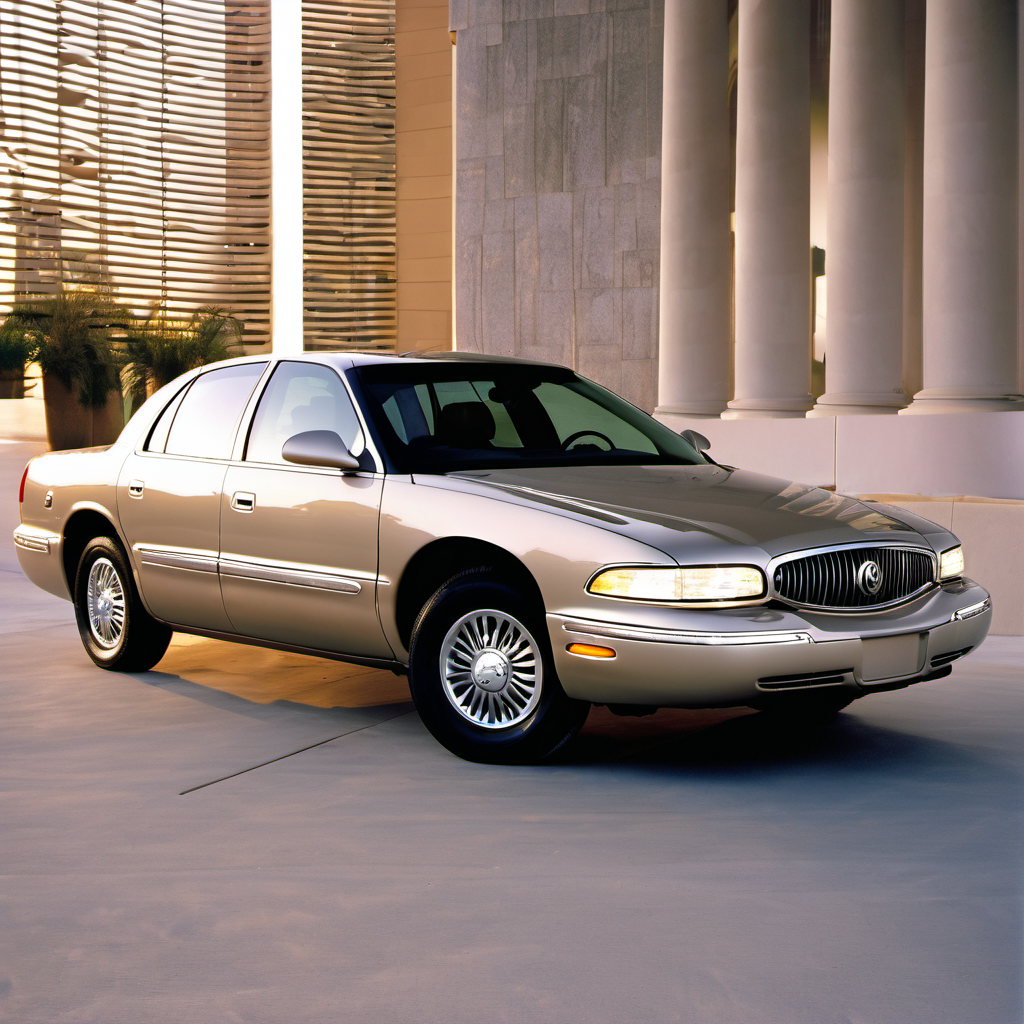
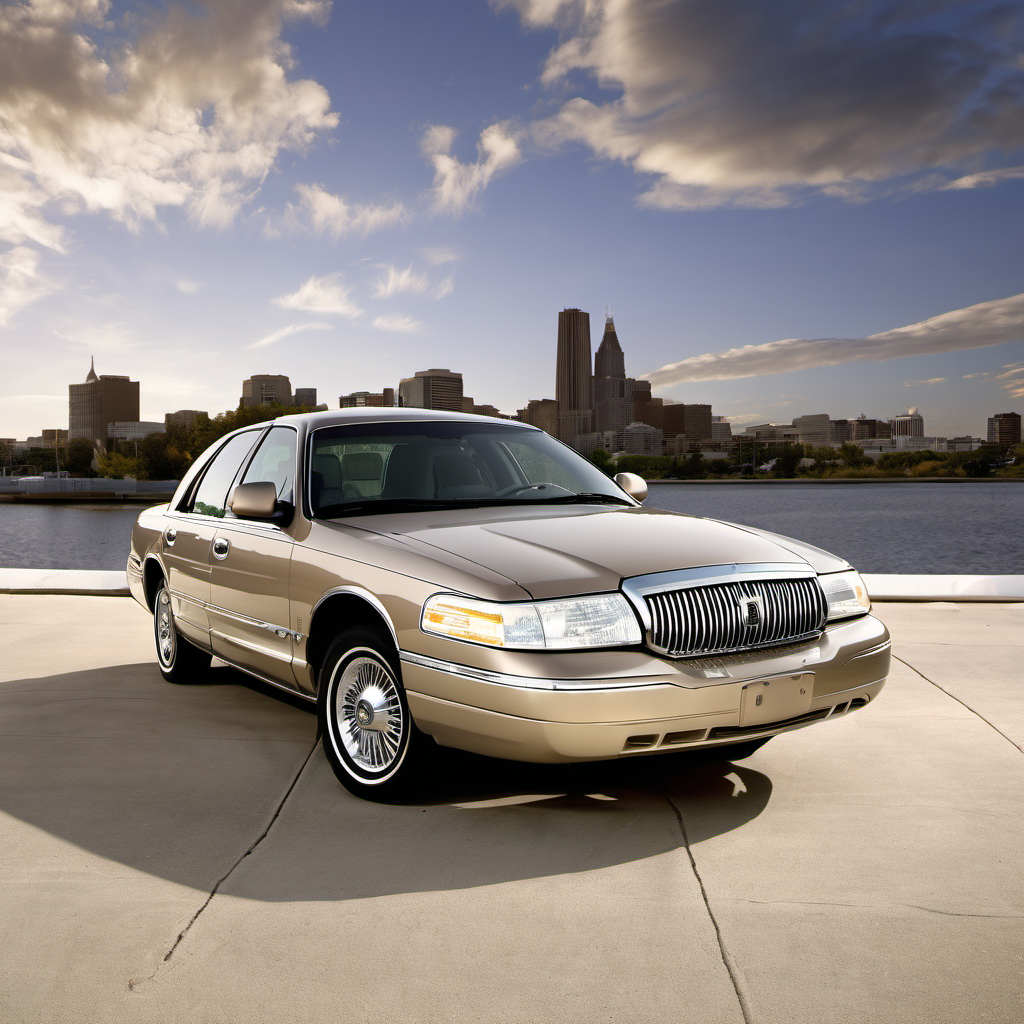
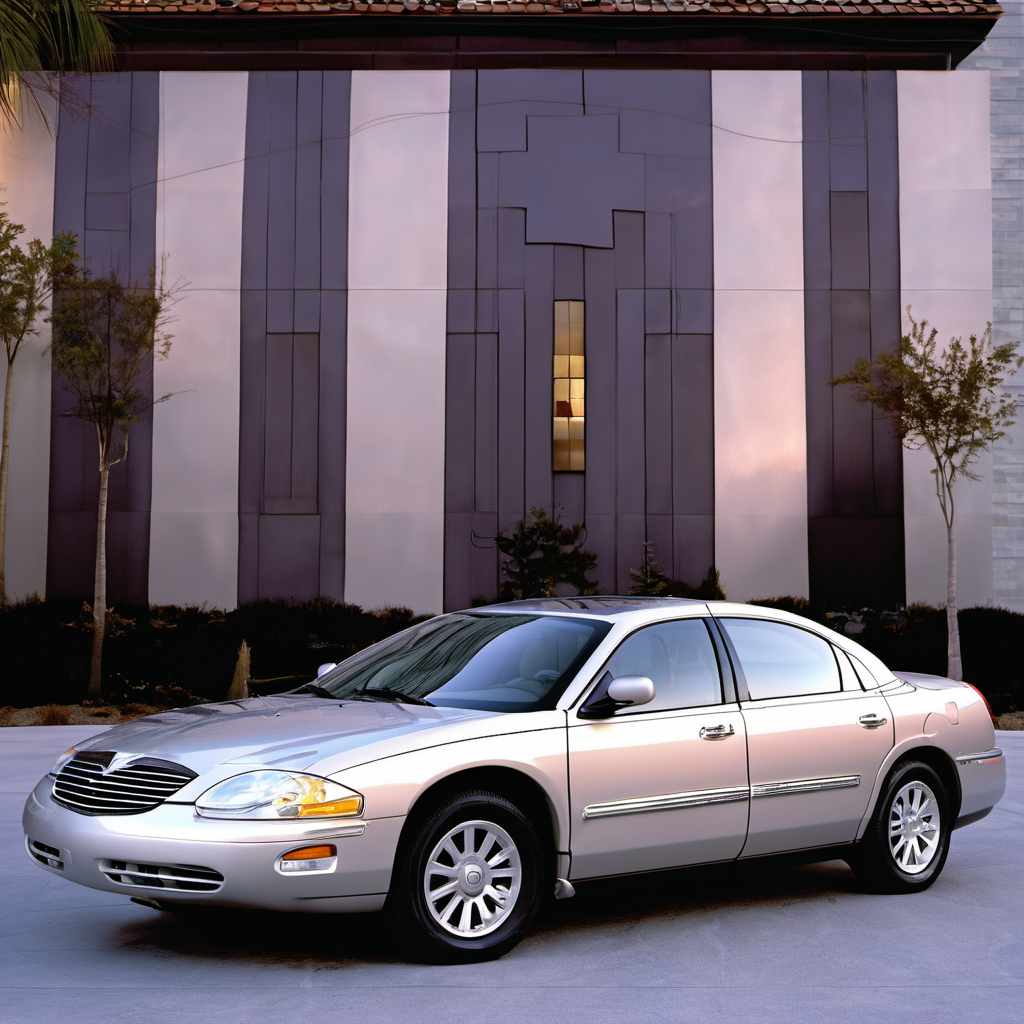
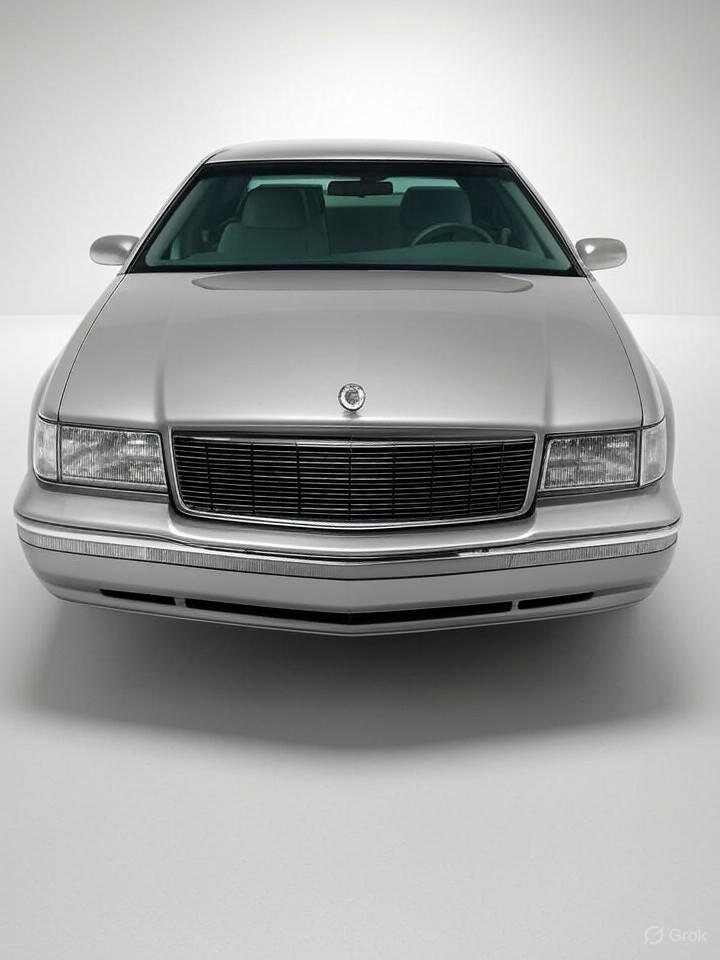
2001 Buick Park Avenue Sedan

2001 Buick

Park AvenueSedan

Sedan

The 2001 Buick Park Avenue is a full-size, front-wheel-drive luxury sedan built on GM's C-body platform — the same bones shared with the Cadillac DeVille and Oldsmobile Aurora. It was sold in two trims: the base Park Avenue with a naturally aspirated 3800 Series II V6, and the Park Avenue Ultra with a supercharged version of the same engine. Both are known for a quiet, floaty ride quality and an interior that punched well above its price point when new. The 3800 Series II (3.8L V6) is one of GM's most proven engines ever built, with a long track record of reaching 200,000+ miles when maintained. The 4T65-E automatic transmission is adequately durable but has known pressure-control solenoid and fluid-maintenance sensitivities. The overall package is straightforward to work on and parts remain widely available and inexpensive. By 2001 this car was already a value proposition — well-equipped, smooth, and roomy — catering to buyers who wanted Cadillac comfort without Cadillac pricing. On the used market today it sells cheaply, which means deferred maintenance is the number-one risk. Inspect carefully and budget for age-related rubber, cooling, and electronic repairs.

Reliability
4/5
Verified data
Specs shown for Park Avenue — the most common configuration. Other trims may vary in engine, drivetrain, or fuel economy. Sign in to see your vehicle's exact specs.
Engine
[object Object]
Drivetrain
FWD
Fuel
Gasoline
MPG
17 city / 27 hwy / 20 combined
Seats
Doors
Body
Large Cars

Overview

AI-curated

The 2001 Buick Park Avenue is a full-size, front-wheel-drive luxury sedan built on GM's C-body platform — the same bones shared with the Cadillac DeVille and Oldsmobile Aurora. It was sold in two trims: the base Park Avenue with a naturally aspirated 3800 Series II V6, and the Park Avenue Ultra with a supercharged version of the same engine. Both are known for a quiet, floaty ride quality and an interior that punched well above its price point when new. The 3800 Series II (3.8L V6) is one of GM's most proven engines ever built, with a long track record of reaching 200,000+ miles when maintained. The 4T65-E automatic transmission is adequately durable but has known pressure-control solenoid and fluid-maintenance sensitivities. The overall package is straightforward to work on and parts remain widely available and inexpensive. By 2001 this car was already a value proposition — well-equipped, smooth, and roomy — catering to buyers who wanted Cadillac comfort without Cadillac pricing. On the used market today it sells cheaply, which means deferred maintenance is the number-one risk. Inspect carefully and budget for age-related rubber, cooling, and electronic repairs.

Known for
  • Buttery smooth, quiet highway ride
  • GM's bombproof 3800 Series II V6 engine
  • Spacious, well-appointed interior for the price
  • Strong long-term durability when maintained
  • Available supercharged Ultra trim with serious punch
Best for
  • Highway cruisers and long-distance commuters
  • Retirees or buyers wanting luxury on a tight budget
  • Anyone needing a large, comfortable sedan with cheap running costs
  • Buyers who do their own basic maintenance
Watch for
  • Intake manifold gasket leaks — common on the 3800 and often deferred
  • 4T65-E transmission neglect (low fluid, burnt fluid, no service history)
  • Aged cooling system hoses, radiator, and thermostat on high-mileage examples
  • Electronic gremlins: DIM (Driver Information Module), HVAC blend door actuators
  • Rust on subframe, brake lines, and rocker panels from Wisconsin salt exposure

Common issues by mileage

6 known

Intake Manifold Gasket Leak (Lower)

high
Typically appears
60–130k mi
Estimated repair
$350 – $650

4T65-E Transmission Pressure Control Solenoid Failure

medium
Typically appears
80–150k mi
Estimated repair
$250 – $550

Coolant Reservoir Crack / Cooling System Failure

high
Typically appears
60–120k mi
Estimated repair
$100 – $400

HVAC Blend Door Actuator / Programmer Failure

medium
Typically appears
80–160k mi
Estimated repair
$150 – $450

Power Steering Rack Leak

medium
Typically appears
100–180k mi
Estimated repair
$300 – $700

Brake Line Rust-Through (Salt Belt)

high
Typically appears
Any mileage on salt-belt vehicles
Estimated repair
$300 – $900

Maintenance schedule

  1. 1
    Every 5,000 miles or 6 months Engine oil and filter change

    The 3800 Series II tolerates conventional oil just fine, but at this age, sticking to a 5,000-mile interval catches problems early and keeps sludge from forming in an engine that may have had inconsistent service.

  2. 2
    Every 30,000 miles — sooner if fluid is dark or smells burnt Transmission fluid and filter service

    The 4T65-E is sensitive to dirty fluid. Many used examples have never had this done. Fresh Dexron VI and a new filter can add years to transmission life. Do not flush if there's obvious burnt smell — a full fluid exchange can dislodge varnish deposits and cause immediate failure.

  3. 3
    Every 5 years / 60,000 miles, or immediately if unknown Coolant system inspection and flush

    The 3800's Achilles heel is the lower intake manifold gasket, which often fails due to coolant degradation. Fresh Dex-Cool at correct concentration and inspecting hoses, the plastic coolant reservoir, and the thermostat housing prevents a cascade of cooling issues.

  4. 4
    Every 60,000 miles (platinum plugs) or 30,000 miles (standard) Spark plugs and ignition wires

    Worn plugs stress the coil packs, which are a known failure point on the 3800. Fresh plugs and wires are cheap insurance against no-start events.

  5. 5
    Every year, every spring after winter Brake line inspection (full undercarriage)

    Wisconsin road salt eats steel brake lines on this generation. A line failure is a safety emergency. Inspect the full run front to rear annually — replace proactively if surface rust is heavy.

  6. 6
    Every 60,000 miles or at first sign of cracking/glazing Serpentine belt and tensioner

    The 3800 runs all accessories off a single belt. A snapped belt leaves you with no power steering, no alternator, and no A/C in one shot. Belt is inexpensive; tensioner pulley is prone to bearing wear on older examples.

  7. 7
    Every fall, before temperatures drop below freezing Battery load test

    A battery that passes a summer voltage check can fail a cold-crank test. Wisconsin winters demand a battery with full cold-cranking amps. The 3800 starts easily when healthy but a weak battery stresses the starter and charging system.

  8. 8
    Every 15,000 miles; inspect hoses annually Power steering fluid check and hose inspection

    The rack and return hoses develop seeps at this age. Low PS fluid will score the rack quickly. Check the fluid level and look for wet spots around hose ends at every oil change.

Always defer to the manufacturer's service manual for warranty-mandated intervals.

Cost of ownership

Annual maintenance
$600 – $1,800
Fuel
At 20 MPG combined and typical Wisconsin driving, expect roughly $1,800–$2,400/year at current gas prices depending on annual mileage. Highway driving improves this significantly.
Insurance
Full coverage on a vehicle this age and value is typically modest — expect $800–$1,400/year depending on your driving history and coverage level. Many owners carry liability-only given the low market value.

The Park Avenue is one of the cheapest full-size luxury sedans to own on a day-to-day basis. Parts are inexpensive and widely available. Routine maintenance is low cost. The risk is deferred repairs — a neglected cooling system or transmission can easily generate $1,000+ in a single visit. Buy one with documented maintenance history and the ongoing costs are very reasonable.
Seasonal care

Lake Geneva, WI
Winter
  • Load-test the battery every October — cold cranking amps drop sharply below 20°F and this era's 3800 draws significant current on cold starts.
  • Switch to a 5W-30 or 0W-30 full or synthetic-blend oil if using conventional oil; the thinner cold-viscosity reduces startup wear in sub-zero temps.
  • Flush and fill windshield washer fluid with -20°F or colder rated fluid before first freeze — the reservoir and lines can crack if plain water is left in.
  • Inspect rubber brake lines and steel hard lines for salt corrosion every spring; treat exposed metal with rust inhibitor in the fall.
  • Check antifreeze concentration — should protect to at least -34°F. A 50/50 mix of Dex-Cool and distilled water is the target.
  • Keep the fuel tank above half in extreme cold to reduce moisture condensation in the tank and help fuel-system pressure on cold starts.
Summer
  • Check tire pressure monthly — for every 10°F rise in ambient temperature, tire pressure rises roughly 1 PSI; overinflation causes premature center-tread wear and reduces wet grip.
  • Inspect the A/C system before hot weather — the Park Avenue's climate control is a major comfort feature and refrigerant leaks are common on aging seals and hose fittings.
  • Watch coolant temperature closely during slow traffic in July and August; a weak cooling fan relay or partially clogged radiator that hides in winter will show up fast in summer heat.
  • Check serpentine belt for glazing or cracking after winter — heat cycles accelerate belt degradation.
  • Clean underbody and wheel wells of salt residue after winter to slow summer rust progression on the subframe and brake hardware.

Comparable vehicles

If you're shopping for one

Red flags
  • Any sign of overheating history: warped hood paint, white residue on coolant cap, fluctuating temp gauge on test drive.
  • No transmission service records and over 80,000 miles — deferred service at this mileage is often a death sentence for the 4T65-E.
  • Heavy rust on the subframe or brake lines — repair costs can exceed the car's value.
  • Check engine light on — scan for codes before purchase; do not accept 'it just came on' as an explanation.
  • Musty or damp interior smell — the Park Avenue's door seals age and allow water intrusion, leading to mold and electrical issues.
  • Supercharged Ultra trim with no records: the supercharger nose cone seals and intercooler hoses are failure points that go ignored on neglected examples.
What to inspect
  • Pull the oil filler cap and look for milky residue — a sign of coolant intrusion from a leaking lower intake manifold gasket.
  • Check the coolant reservoir (translucent plastic tank) for cracks and the coolant color — brown or oily coolant is a serious red flag.
  • Inspect the undercarriage for rust on the subframe mounting points, brake lines, and rocker panels; Wisconsin cars can look clean on top and be severely corroded underneath.
  • Drive the car through all transmission ranges and hold each gear — any slipping, shuddering, or delayed engagement points to a neglected 4T65-E.
  • Test all HVAC functions including both temperature zones and all fan speeds — blend door actuators and the HVAC programmer are expensive to diagnose and replace.
  • Check for power steering fluid leaks around the rack boots and return hose — look for a wet or oily undercarriage smell and feel the steering for looseness at center.
AI profile generated 1 day ago · claude-sonnet-4-6 · v2.