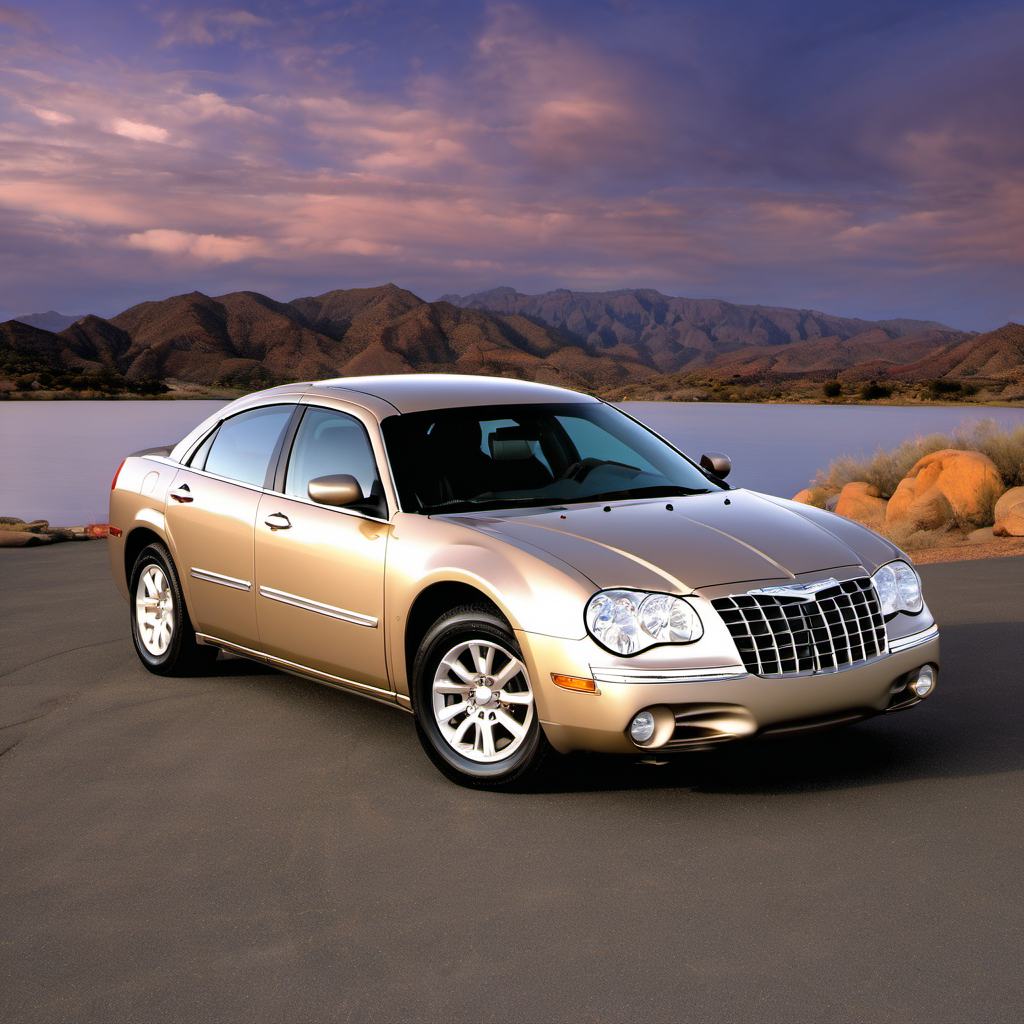
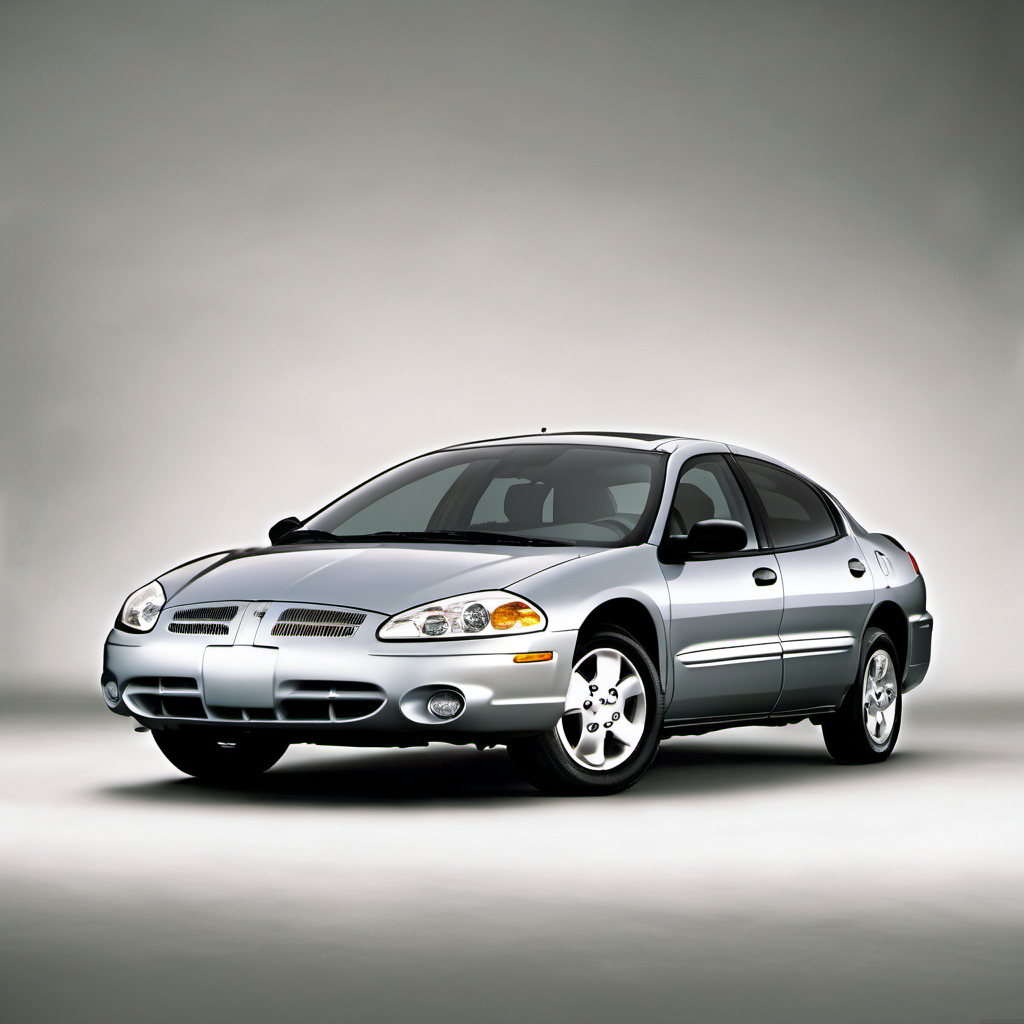
2001 Chrysler 300M Sedan

2001 Chrysler

300MSedan

3.5L V6 SOHC · Sedan

The 2001 Chrysler 300M is a front-wheel-drive full-size sedan built on Chrysler's LH platform, sharing its bones with the Dodge Intrepid and Chrysler Concorde. It was the sporty flagship of the lineup — lower, wider, and slightly shorter than its platform siblings, with a standard 3.5L V6 and a sport-tuned suspension. For its era it offered genuinely attractive styling, a roomy interior, and a comfortable highway ride at an accessible price point. By 2001, Chrysler had ironed out many early LH gremlins but a handful of electrical, cooling, and transmission issues persisted throughout the generation. Parts availability has thinned as the cars have aged, and finding qualified shops familiar with the 3.5L SOHC V6 takes some digging. That said, well-kept examples with consistent oil change history can still cover highway miles reliably. At 20-plus years old, every 300M on the market today is a high-mileage used buy. Rust — especially on subframe and rear suspension components — is the top concern in Wisconsin. Budget accordingly for deferred maintenance and suspension refresh on any example you're considering.

Reliability
2/5
Verified data
Engine
3.5L V6 SOHC
Drivetrain
FWD
Fuel
Gasoline
MPG
18 city / 27 hwy / 21 combined
Seats
5
Doors
4
Body
Sedan
MSRP
$28,620

Overview

AI-curated

The 2001 Chrysler 300M is a front-wheel-drive full-size sedan built on Chrysler's LH platform, sharing its bones with the Dodge Intrepid and Chrysler Concorde. It was the sporty flagship of the lineup — lower, wider, and slightly shorter than its platform siblings, with a standard 3.5L V6 and a sport-tuned suspension. For its era it offered genuinely attractive styling, a roomy interior, and a comfortable highway ride at an accessible price point. By 2001, Chrysler had ironed out many early LH gremlins but a handful of electrical, cooling, and transmission issues persisted throughout the generation. Parts availability has thinned as the cars have aged, and finding qualified shops familiar with the 3.5L SOHC V6 takes some digging. That said, well-kept examples with consistent oil change history can still cover highway miles reliably. At 20-plus years old, every 300M on the market today is a high-mileage used buy. Rust — especially on subframe and rear suspension components — is the top concern in Wisconsin. Budget accordingly for deferred maintenance and suspension refresh on any example you're considering.

Known for
  • Sporty LH-platform styling with a performance-tuned suspension vs. sibling sedans
  • 3.5L SOHC V6 delivering strong mid-range pull for the era
  • Spacious rear seating despite the shorter wheelbase
  • Electrical system complexity that can confuse DIYers
  • Comfortable long-distance highway cruiser
Best for
  • Budget-conscious buyers who want a large, comfortable sedan
  • Highway commuters who prioritize ride quality
  • Owners willing to perform proactive maintenance on an aging platform
  • Those with access to an independent shop familiar with Chrysler LH vehicles
Watch for
  • Rust on subframe, rear control arms, and brake lines — critical in Wisconsin salt country
  • Transmission (41TE/42LE) wear on high-mileage examples
  • Cooling system leaks at the intake manifold gaskets and thermostat housing
  • Electrical gremlins — body control module (BCM) and instrument cluster failures are common
  • Engine sludge if oil changes were skipped; the 3.5L does not forgive neglect

Common issues by mileage

6 known

Automatic Transmission Slipping / Harsh Shifts (42LE)

high
Typically appears
80–150k mi
Estimated repair
$1,800 – $3,200

Cooling System Leaks — Intake Manifold Gaskets & Thermostat Housing

high
Typically appears
60–120k mi
Estimated repair
$300 – $700

Body Control Module (BCM) / Instrument Cluster Failure

medium
Typically appears
80k+ mi
Estimated repair
$250 – $900

Oxygen Sensor / O2 Heater Circuit Faults

medium
Typically appears
60–120k mi
Estimated repair
$150 – $400

Rear Suspension & Subframe Rust-Through (Wisconsin/Salt States)

high
Typically appears
Any mileage on unprotected examples
Estimated repair
$500 – $2,500

Power Steering Rack Leaks & Pump Whine

medium
Typically appears
100–160k mi
Estimated repair
$400 – $1,100

Maintenance schedule

  1. 1
    Every 4,000–5,000 miles with conventional, 6,000–7,000 with full synthetic Engine oil & filter change

    The 3.5L SOHC V6 is prone to sludge buildup when oil changes are skipped or stretched. Consistent intervals are the single biggest factor in engine longevity on this platform.

  2. 2
    Every 30,000 miles Transmission fluid service (drain & fill, not flush)

    The 42LE is a known weak point. Fresh ATF+4 fluid keeps the valve body and clutch packs alive longer. Avoid power flushes on high-mileage units — a drain-and-fill is safer.

  3. 3
    Every 2 years / 30,000 miles Coolant system inspection & flush

    Inspect intake manifold gaskets and thermostat housing for seepage at every coolant service. Catching a small leak early prevents a head gasket job later.

  4. 4
    Every 30,000 miles Spark plug replacement

    The 3.5L uses a tight engine bay; fresh plugs keep combustion efficient and reduce stress on ignition coils. Don't let them go to 60k.

  5. 5
    Every year, or before winter Brake line inspection

    Wisconsin road salt attacks the steel brake lines on LH-platform cars aggressively. Inspect for rust pitting and soft spots annually — a failed brake line is a safety emergency.

  6. 6
    Every 50,000 miles or at first sign of cracking/glazing Serpentine belt & tensioner inspection

    The 3.5L's belt routing is moderately complex. A snapped belt leaves you stranded and can cause power steering and cooling loss simultaneously.

  7. 7
    Every fall, before Wisconsin winter Battery load test

    The 300M's electrical system is sensitive to low voltage. A weak battery stresses the BCM and alternator. Cold cranking amps drop sharply below 0°F — test before the first hard freeze.

  8. 8
    Every fall; treat with rust inhibitor annually Undercarriage rust protection / inspection

    Subframe, rear control arms, and brake lines are rust hotspots on Wisconsin examples. Annual inspection and rustproofing treatment significantly extend structural life.

Always defer to the manufacturer's service manual for warranty-mandated intervals.

Cost of ownership

Annual maintenance
$900 – $2,200
Fuel
At ~21 MPG combined and 15,000 miles/year, expect roughly $1,800–$2,200/year at current Midwest fuel prices using regular unleaded.
Insurance
Full coverage typically runs $900–$1,400/year for a 2001 300M in Wisconsin, depending on driver profile and garaging. Actual cash value is low, so liability-only coverage is common on these older cars.

Day-to-day running costs are moderate, but the 300M's age means you should budget for at least one significant repair per year — whether that's a cooling system job, a sensor, or suspension work. Parts are available but sometimes require sourcing from specialty suppliers or salvage yards as OEM stock disappears. Keep a $1,500–$2,000 repair reserve on hand.
Seasonal care

Lake Geneva, WI
Winter
  • Load-test the battery every October — the BCM and starting system are sensitive to weak batteries, and sub-zero Lake Geneva temps will expose any marginal cell immediately.
  • Switch to full synthetic 5W-30 if still on conventional oil; it flows far better on cold starts and reduces wear during the first critical seconds of engine startup.
  • Inspect and replace windshield wipers with winter blades; stock up on -20°F or colder rated washer fluid — the 300M's hood line makes clearing ice without good fluid miserable.
  • Inspect all brake lines and steel fuel lines for rust pitting before salt season begins. Any soft spot or heavy rust warrants immediate replacement.
  • Apply a coat of undercarriage rust inhibitor, paying extra attention to the subframe mounts, rear control arm brackets, and brake line routing.
  • Keep the fuel tank above half to reduce moisture condensation in the fuel system and prevent fuel line freeze in extreme cold.
Summer
  • Check coolant level and mixture (should be 50/50 antifreeze/distilled water) before summer heat — the 300M's cooling system works hard and low coolant accelerates intake gasket failure.
  • Inspect the A/C system for proper cold output; recharging a 20-year-old system often reveals a slow leak at aging O-rings that should be addressed proactively.
  • Check tire pressure monthly — heat causes pressure to rise roughly 1 PSI per 10°F increase, and overinflated tires on Wisconsin's patched roads accelerate uneven wear.
  • Watch for heat-soak-related hot start issues (long crank, stumble); a failing coolant temp sensor or fuel pressure regulator shows up most in summer heat.

Comparable vehicles

If you're shopping for one

Red flags
  • Any rust visible on the subframe or rear suspension pickup points — structural rust on a 20-year-old LH car is often not economically repairable.
  • Transmission that hesitates, slips, or clunks — a 42LE rebuild at this vehicle's value may not make financial sense.
  • Missing or patchy service history; the 3.5L engine's sludge sensitivity means unknown oil change intervals are a serious risk.
  • Multiple electrical faults or warning lights active at once — BCM replacements and reprogramming on these cars can be expensive and hard to source.
  • Evidence of overheating (warped hood paint, white stains near coolant lines, compromised head gaskets) — cooling system repairs on a car this age can exceed the vehicle's value quickly.
What to inspect
  • Full undercarriage inspection on a lift — subframe, rear control arms, brake lines, and fuel lines for salt corrosion or rust-through.
  • Transmission behavior: smooth engagement into Drive and Reverse, no slipping or shuddering between gears, no delay on cold shifts.
  • Coolant condition and level; look for milky residue on the oil cap or white exhaust smoke that could indicate a leaking intake gasket.
  • All electrical functions: power windows, locks, cluster display, HVAC controls — BCM issues often show up as random electrical failures across multiple systems.
  • Check for oil sludge by pulling the valve cover or inspecting the oil filler neck with a light; thick, dark sludge means skipped oil changes.
  • Engine and transmission mounts — worn mounts cause clunking and vibration that's often mistaken for more expensive drivetrain problems.
AI profile generated 4 days ago · claude-sonnet-4-6 · v2.