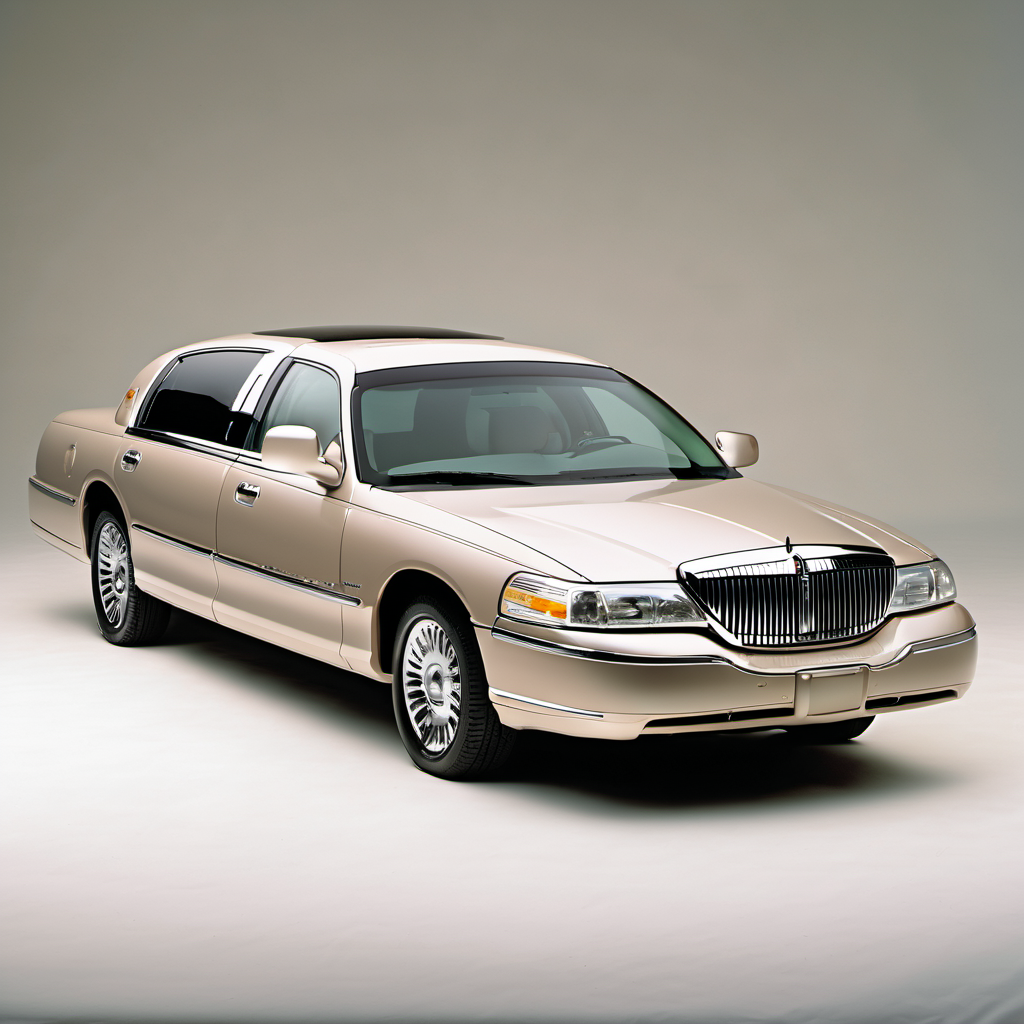
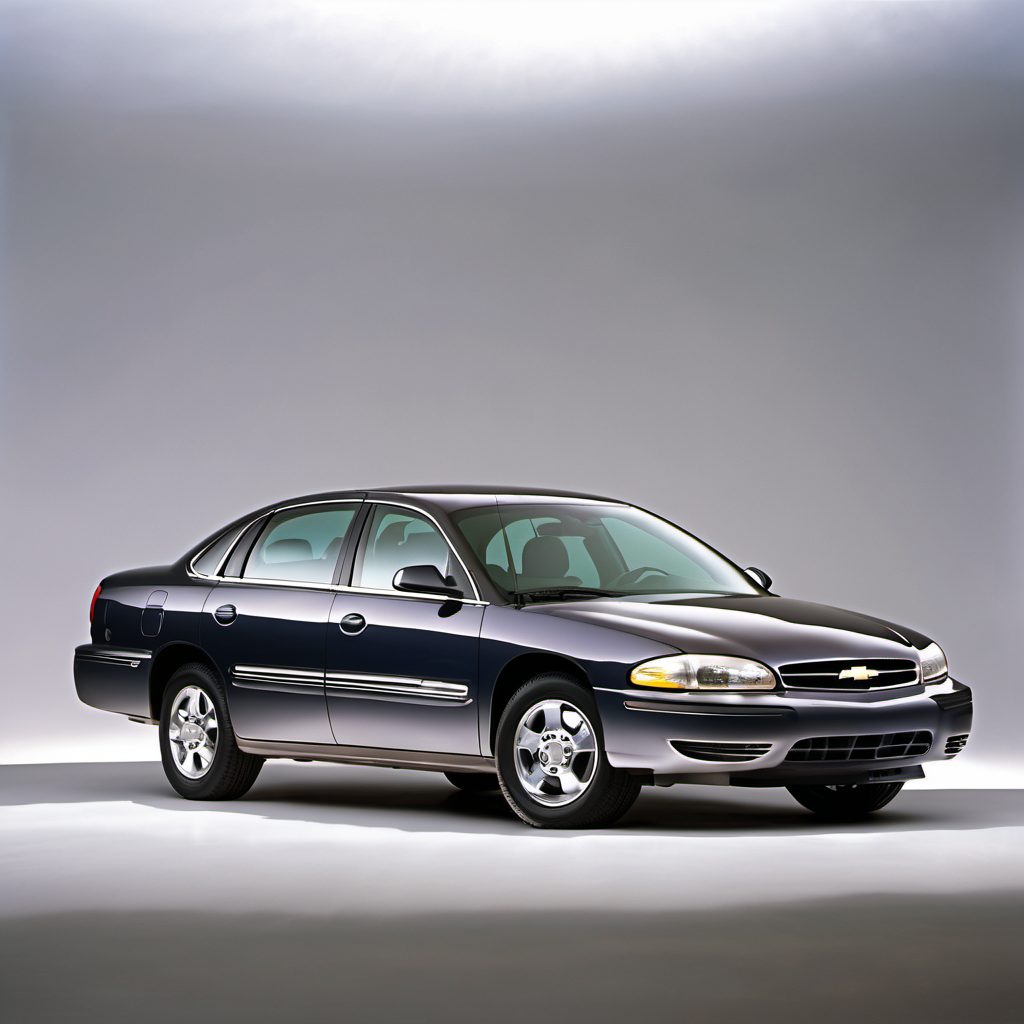
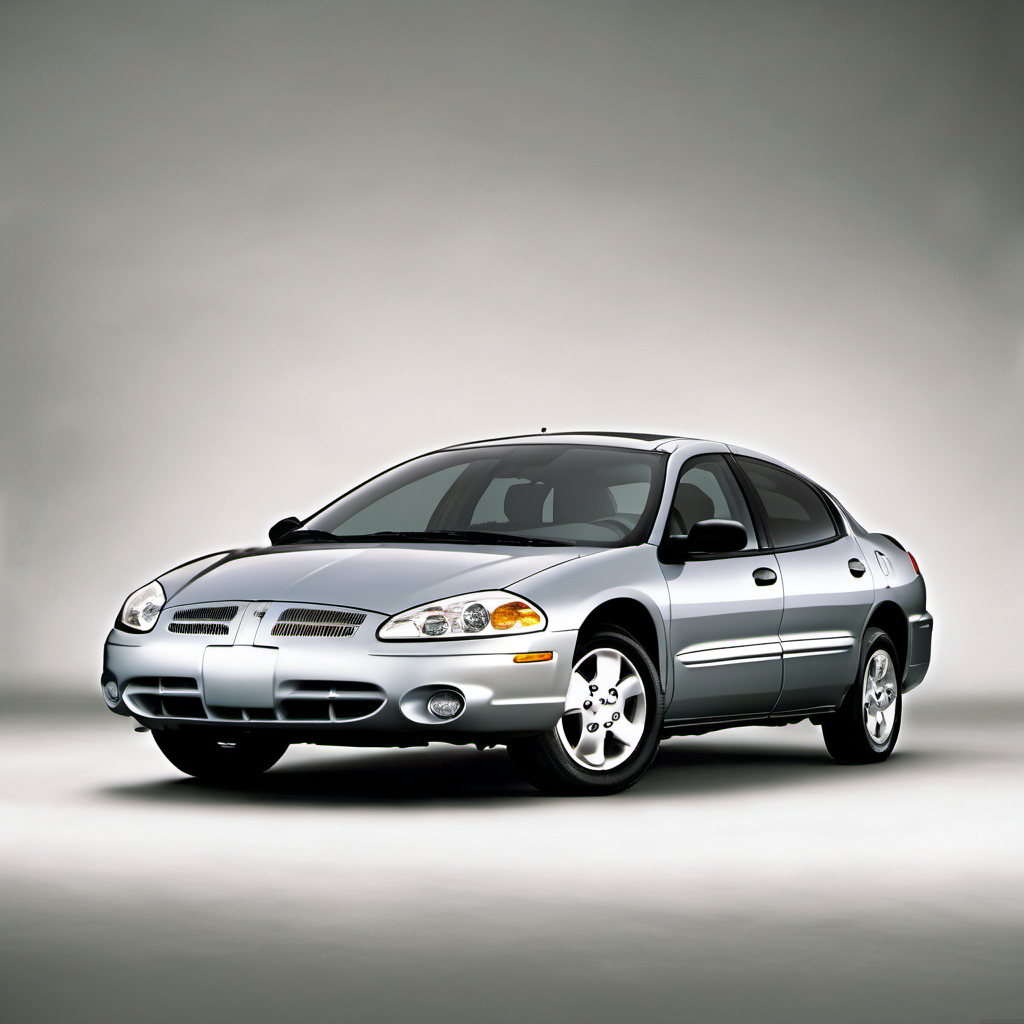
2001 Ford Crown Victoria Sedan

2001 Ford

Crown VictoriaSedan

Sedan

The 2001 Ford Crown Victoria is the quintessential American full-size body-on-frame sedan, built on the Panther platform that Ford used from 1979 through 2011. Under the skin it shares its bones with the Mercury Grand Marquis and Lincoln Town Car, and it was the preferred platform for police interceptors and taxi fleets across North America — a pedigree that makes durability a genuine selling point rather than a marketing line. Powered by Ford's 4.6L modular V8, the Crown Vic is a simple, proven machine. The engine and 4-speed automatic were heavily over-engineered for police duty, which means a well-maintained civilian example has a realistic shot at 250,000 miles. Parts are cheap and abundant, and any competent independent shop can work on one without specialty tools. The trade-off is fuel economy (16 city / 23 highway is modest even by early-2000s standards), a large footprint, and a dated interior. Former police or taxi cars make up a big share of the used market — these can be high-value buys or problem children depending on how they were maintained. Know what you're buying.

Reliability
4/5
Verified data
Specs shown for Crown Victoria — the most common configuration. Other trims may vary in engine, drivetrain, or fuel economy. Sign in to see your vehicle's exact specs.
Engine
[object Object]
Drivetrain
RWD
Fuel
Gasoline
MPG
16 city / 23 hwy / 18 combined
Seats
Doors
Body
Large Cars

Overview

AI-curated

The 2001 Ford Crown Victoria is the quintessential American full-size body-on-frame sedan, built on the Panther platform that Ford used from 1979 through 2011. Under the skin it shares its bones with the Mercury Grand Marquis and Lincoln Town Car, and it was the preferred platform for police interceptors and taxi fleets across North America — a pedigree that makes durability a genuine selling point rather than a marketing line. Powered by Ford's 4.6L modular V8, the Crown Vic is a simple, proven machine. The engine and 4-speed automatic were heavily over-engineered for police duty, which means a well-maintained civilian example has a realistic shot at 250,000 miles. Parts are cheap and abundant, and any competent independent shop can work on one without specialty tools. The trade-off is fuel economy (16 city / 23 highway is modest even by early-2000s standards), a large footprint, and a dated interior. Former police or taxi cars make up a big share of the used market — these can be high-value buys or problem children depending on how they were maintained. Know what you're buying.

Known for
  • Exceptional mechanical longevity on the Panther platform
  • Massive trunk and spacious rear seat
  • Simple, affordable repairs at any independent shop
  • Heavy police and fleet history in the used market
  • Smooth highway ride from the body-on-frame construction
Best for
  • High-mileage highway commuters who want cheap, easy repairs
  • Buyers who need maximum rear-seat legroom
  • DIY owners comfortable with older RWD platforms
  • Budget buyers who prioritize longevity over fuel economy
Watch for
  • Former police or taxi units with deferred maintenance and high-stress miles
  • Rear axle and fuel tank area rust from road salt exposure
  • Trunk-mounted fuel pump and fuel tank corrosion on older examples
  • Air bag module recalls — verify completion on any used car
  • Worn-out police-spec suspension that's been pushed hard

Common issues by mileage

6 known

Intake manifold coolant crossover leak

high
Typically appears
80–150k mi
Estimated repair
$400 – $750

Spark plug blowout (aluminum head threads strip)

medium
Typically appears
80–130k mi
Estimated repair
$150 – $500

Rear air suspension / coil spring conversion (if air-equipped)

medium
Typically appears
100–180k mi
Estimated repair
$300 – $700

Oxygen sensor failure — heater circuit

medium
Typically appears
100–160k mi
Estimated repair
$150 – $350

Fuel tank / fuel pump corrosion and failure

medium
Typically appears
120k+ mi
Estimated repair
$400 – $900

Worn or cracked steering gear / tie rod ends

high
Typically appears
100k+ mi
Estimated repair
$250 – $600

Maintenance schedule

  1. 1
    Every 5,000 mi or 6 months Engine oil and filter change

    The 4.6L modular V8 is not sensitive to oil type but rewards consistency. These engines often run long into high mileage — don't stretch intervals on an older car.

  2. 2
    Every 2 years / 30,000 mi Coolant flush and inspect crossover hoses

    The plastic intake manifold coolant crossover is a known failure point. Fresh coolant maintains pH and slows plastic and gasket degradation. Inspect all rubber coolant hoses at every service on a 20+ year old car.

  3. 3
    Every 30,000 mi Transmission fluid and filter service

    The 4R75E is durable but the fluid darkens with age and heat. Independent shops can do a pan-drop service; skip full flushes on high-mileage units with unknown history.

  4. 4
    Every 60,000 mi — use care on removal Spark plug inspection and replacement

    The 4.6L aluminum heads are prone to stripping plug threads, especially when plugs are over-torqued or left in too long. Remove plugs when the engine is cold and use proper torque spec.

  5. 5
    Annually — especially after Wisconsin winters Inspect fuel tank and fuel lines for rust

    The trunk-mounted fuel pump and undercarriage fuel lines are exposed to road salt. Surface rust is common; active leaks or severe pitting require immediate attention.

  6. 6
    Every 2–3 years Brake fluid flush

    Brake fluid absorbs moisture over time, lowering boiling point. On a heavy RWD sedan used in stop-and-go, this matters. Fresh fluid also slows internal corrosion in ABS components.

  7. 7
    Annually or every 30,000 mi Inspect front and rear suspension bushings and ball joints

    Panther platform suspension is robust but the rubber bushings dry-rot and crack with age. Wisconsin potholes and frost heaves accelerate wear. Worn bushings cause vague handling and uneven tire wear.

  8. 8
    Every fall before Wisconsin winter Battery load test

    A battery that passes a basic voltage test in summer can fail to crank a 4.6L V8 at -10°F. Load-test every autumn — replace proactively if the battery is 4+ years old.

Always defer to the manufacturer's service manual for warranty-mandated intervals.

Cost of ownership

Annual maintenance
$600 – $1,400
Fuel
At 18 mpg combined and roughly 12,000 mi/yr, expect $1,800–$2,200/yr in fuel at current Midwest prices. Highway-heavy drivers will do better; city-heavy drivers worse.
Insurance
Generally low — older full-size sedans carry modest collision/comp values, keeping premiums down. Liability-only coverage is common on high-mileage examples.

The Crown Vic is one of the cheapest domestic cars to maintain at an independent shop. Parts are plentiful, labor is straightforward, and nothing requires specialty tooling. The real cost risk is deferred maintenance on a used example — a cooling system job or suspension refresh on a neglected car can run $1,500–$2,500 all at once. Buy one that's been cared for and ongoing costs are very manageable.
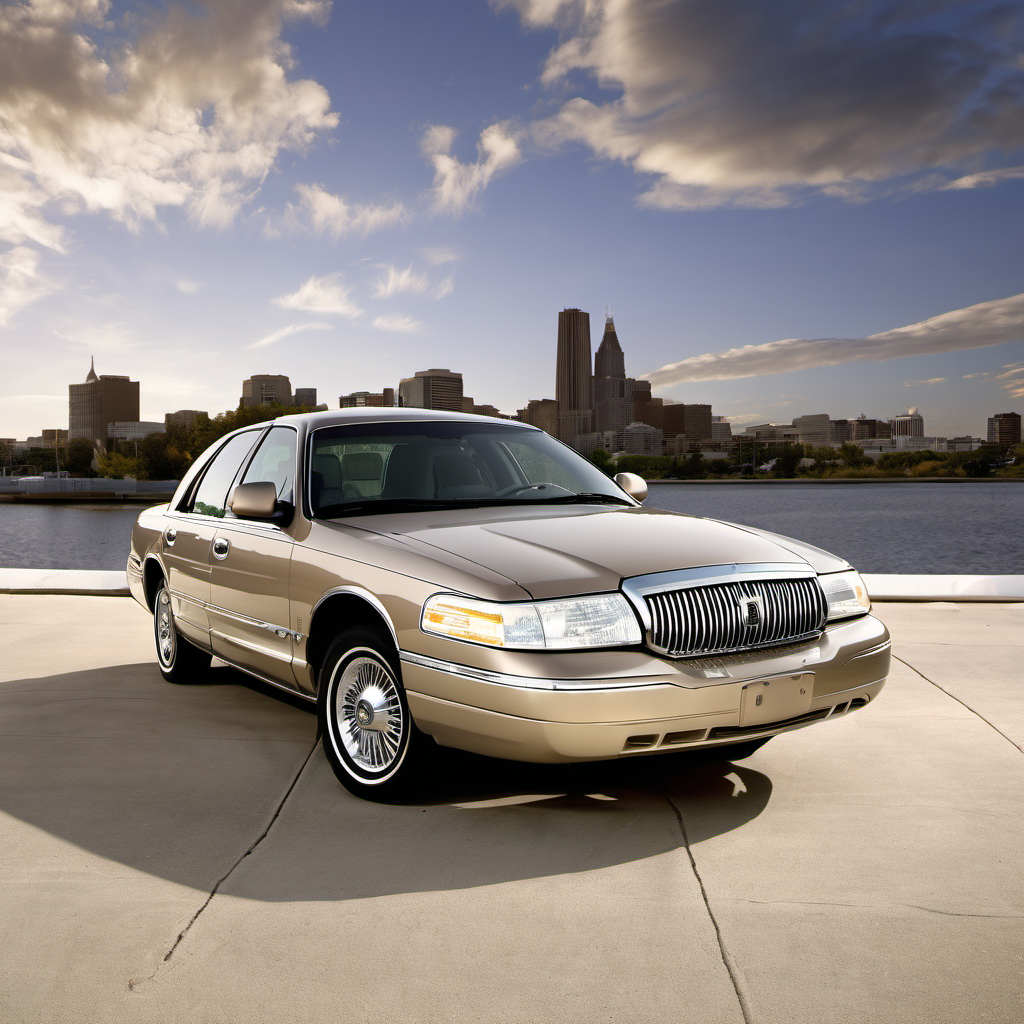
Seasonal care

Lake Geneva, WI
Winter
  • Load-test the battery every October — the 4.6L V8 demands strong cranking amps at sub-zero temps. Replace if 4+ years old or marginal.
  • Switch to a full-synthetic 5W-20 oil if not already — it flows significantly better on cold Wisconsin mornings than conventional or heavier weights.
  • Flush and inspect the cooling system before freeze-up; confirm antifreeze protection to at least -34°F.
  • Inspect and replace wiper blades with winter-rated blades; fill washer reservoir with rated -20°F or lower fluid — standard fluid freezes on the windshield at Wisconsin temps.
  • Rinse the undercarriage — especially the fuel tank, rear frame rails, and brake lines — every few weeks during salt season. The Crown Vic's rear-end layout traps brine.
  • Check tire pressure monthly; tires lose roughly 1 PSI per 10°F of temperature drop. Underinflated tires on a heavy RWD sedan are a real handling liability on ice.
Summer
  • Inspect the A/C system for refrigerant leaks and verify compressor clutch engagement — the system is R-134a and seals age on 20+ year old cars.
  • Check coolant level and condition; the crossover hoses and intake manifold plastic are more prone to cracking under heat soak on a hot day after idling.
  • Monitor tire pressure weekly — heat expands air and overinflated tires reduce contact patch on hot pavement.
  • Inspect the serpentine belt and tensioner; belt cracking accelerates in summer heat and a failure leaves you stranded with no A/C, charging, or power steering.

Comparable vehicles

If you're shopping for one

Red flags
  • Police interceptor or taxi livery markings, heavy-duty suspension, or spotlight mounting holes without full service records — fleet miles are hard miles.
  • Any active rust on the rear frame rails, fuel tank straps, or brake lines — Wisconsin salt makes this a structural and safety issue, not just cosmetic.
  • Coolant that looks rusty, oily, or smells burned — points to the known intake crossover leak or worse.
  • Transmission that shudders, slips, or shifts harshly — fluid neglect on the 4R75E shortens its life significantly.
  • Unverified airbag recall status — Ford issued multiple safety recalls on Crown Vic airbag systems; confirm completion via NHTSA VIN lookup before purchase.
What to inspect
  • Full undercarriage inspection for rust on frame rails, fuel lines, brake lines, and exhaust — pay special attention behind the rear axle.
  • Coolant overflow reservoir and radiator cap for signs of oil contamination or rusty coolant.
  • Spark plug condition — if they haven't been changed recently, budget for the job and approach with care on the aluminum heads.
  • All four corners of the suspension: ball joints, tie rod ends, sway bar links, and control arm bushings for cracking or play.
  • Trunk floor and spare tire well for rust-through — water intrusion is common in older examples.
  • A/C performance and all power accessories (windows, locks, mirrors) — electrical gremlins in aging body-on-frame cars are common and annoying to trace.
AI profile generated 4 days ago · claude-sonnet-4-6 · v2.