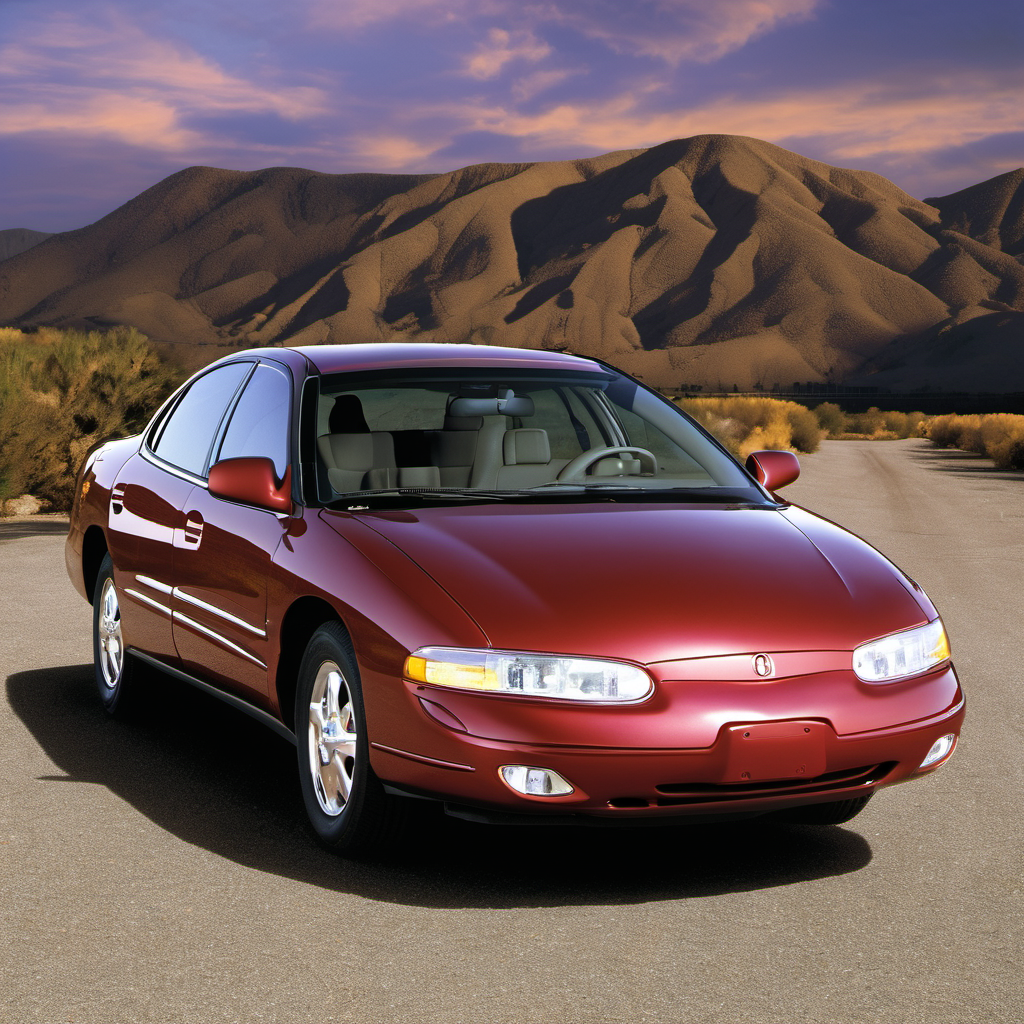
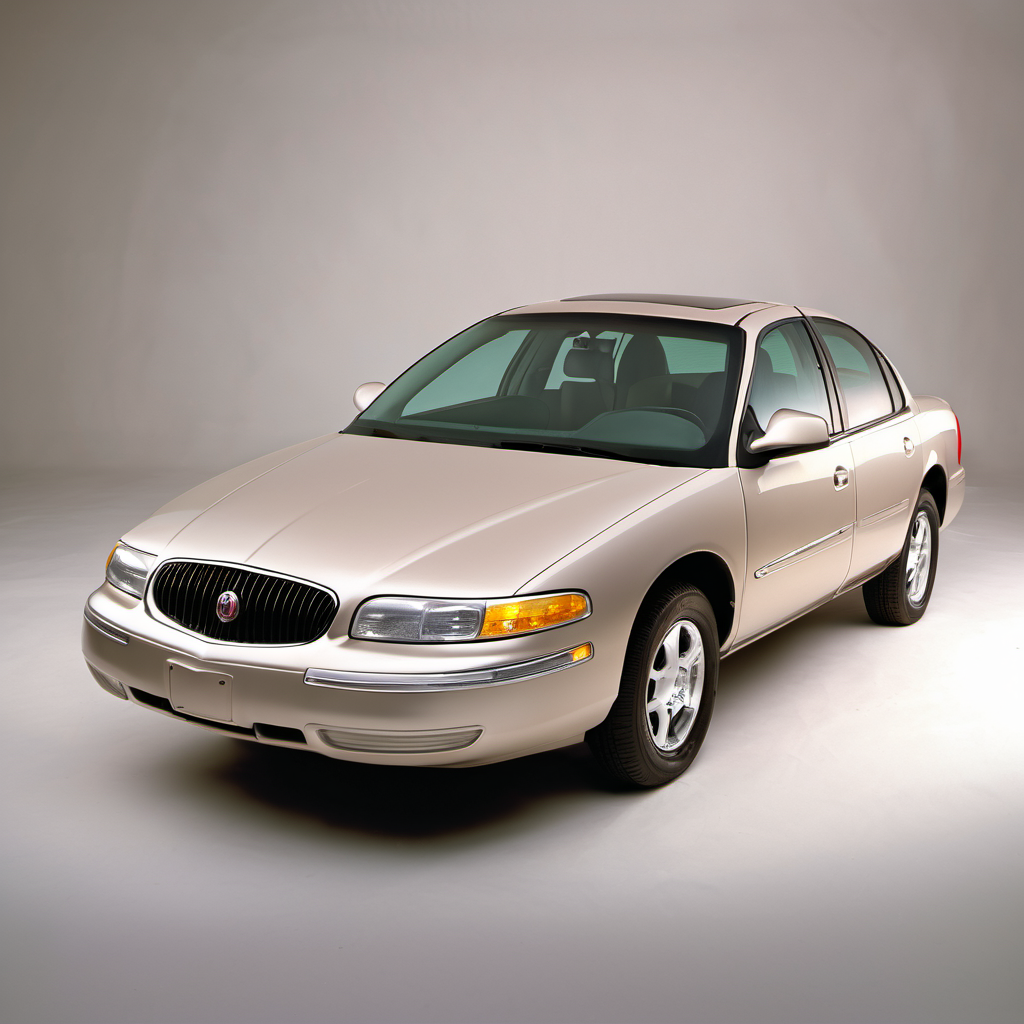
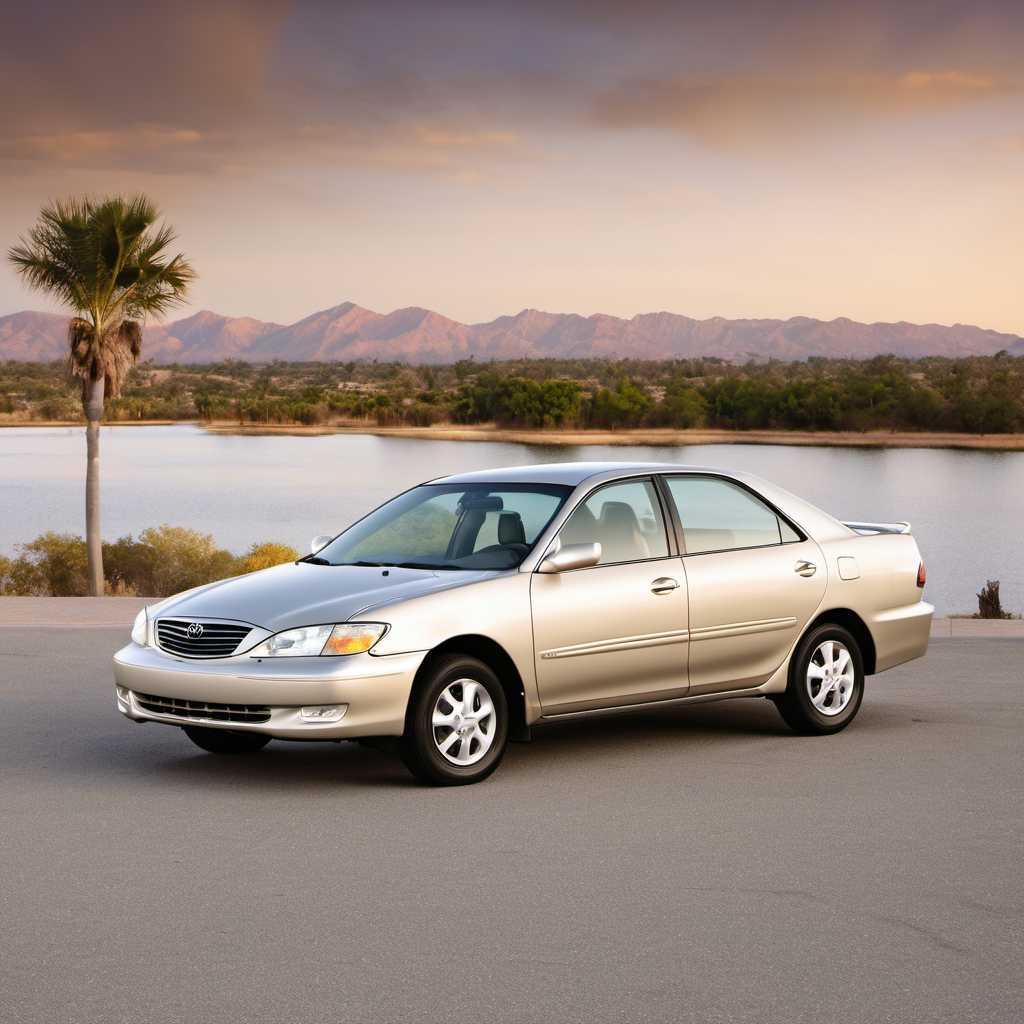
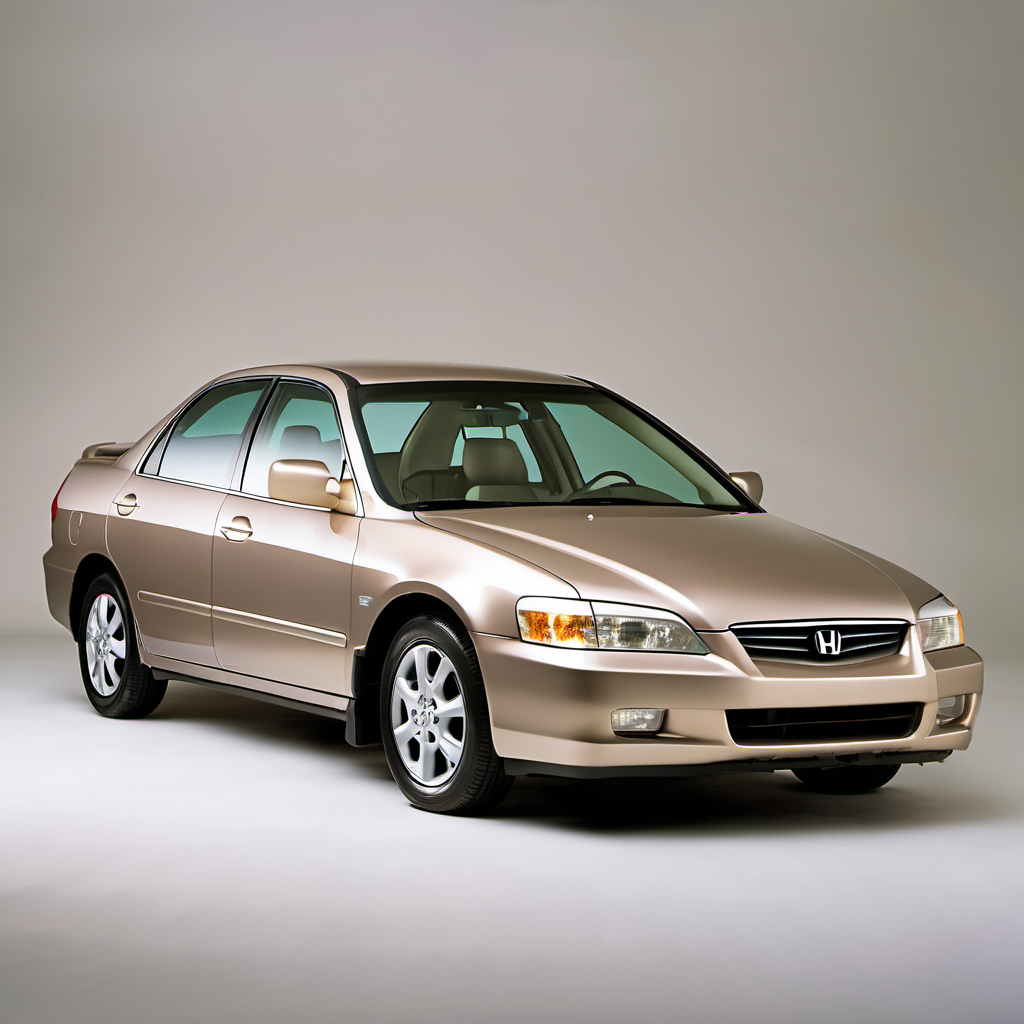
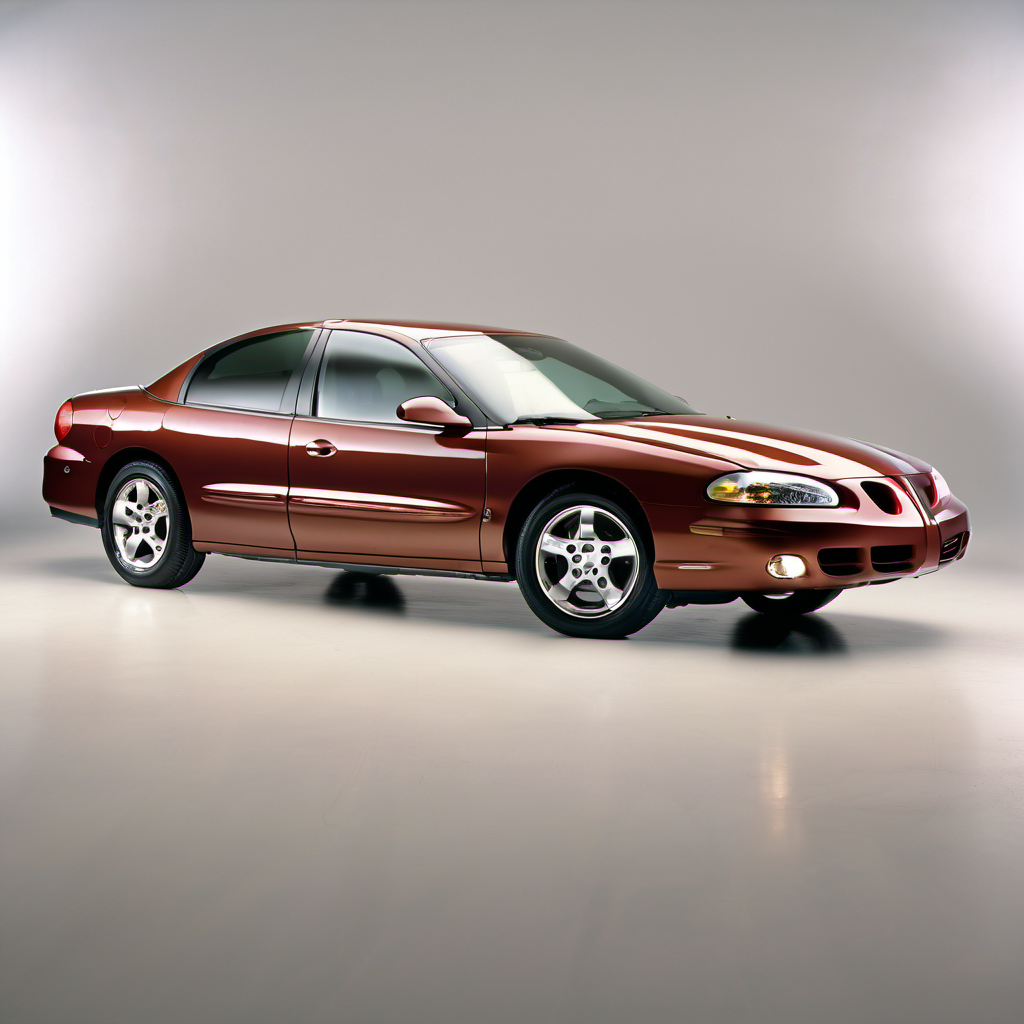
2001 Oldsmobile Intrigue Sedan

2001 Oldsmobile

IntrigueSedan

Sedan

The 2001 Oldsmobile Intrigue is a front-wheel-drive mid-size sedan that served as one of Oldsmobile's last attempts to compete in the mainstream family car segment before the brand was discontinued in 2004. Riding on GM's G-body platform shared with the Pontiac Grand Prix and Buick Century/Regal, it was positioned as the sporty, driver-oriented choice of the bunch — lower and wider than its siblings, with responsive steering and a European-flavored suspension tune. The Intrigue's swan-song year was 2002, making the 2001 a near-end-of-life model. Parts availability has been shrinking for years, which is the single biggest practical concern for current owners. Many mechanical and electronic components are shared with other late-1990s–early-2000s GM W-body cars, which helps, but Intrigue-specific trim, interior, and body parts can be difficult or impossible to find new. At 20-plus years old, any surviving Intrigue will be living on borrowed time unless it has been carefully maintained and kept away from road salt. In the upper Midwest, rust is the primary threat to longevity. For a daily driver, this is a challenging ownership proposition; for a well-preserved hobby car or secondary vehicle, it can still be an enjoyable, smooth-riding sedan.

Reliability
2/5
Verified data
Specs shown for Intrigue — the most common configuration. Other trims may vary in engine, drivetrain, or fuel economy. Sign in to see your vehicle's exact specs.
Engine
[object Object]
Drivetrain
FWD
Fuel
Gasoline
MPG
17 city / 26 hwy / 20 combined
Seats
Doors
Body
Midsize Cars

Overview

AI-curated

The 2001 Oldsmobile Intrigue is a front-wheel-drive mid-size sedan that served as one of Oldsmobile's last attempts to compete in the mainstream family car segment before the brand was discontinued in 2004. Riding on GM's G-body platform shared with the Pontiac Grand Prix and Buick Century/Regal, it was positioned as the sporty, driver-oriented choice of the bunch — lower and wider than its siblings, with responsive steering and a European-flavored suspension tune. The Intrigue's swan-song year was 2002, making the 2001 a near-end-of-life model. Parts availability has been shrinking for years, which is the single biggest practical concern for current owners. Many mechanical and electronic components are shared with other late-1990s–early-2000s GM W-body cars, which helps, but Intrigue-specific trim, interior, and body parts can be difficult or impossible to find new. At 20-plus years old, any surviving Intrigue will be living on borrowed time unless it has been carefully maintained and kept away from road salt. In the upper Midwest, rust is the primary threat to longevity. For a daily driver, this is a challenging ownership proposition; for a well-preserved hobby car or secondary vehicle, it can still be an enjoyable, smooth-riding sedan.

Known for
  • Smooth, European-tuned suspension for its era
  • Strong 3.5L DOHC V6 with good power output
  • Spacious, comfortable interior with quality materials for the class
  • Distinctive styling that aged better than many contemporaries
  • Shared GM W-body platform with wide mechanical parts availability
Best for
  • Enthusiast owners who enjoy maintaining an uncommon late-era domestic sedan
  • Budget-conscious buyers wanting a smooth highway cruiser
  • Someone with GM mechanical familiarity who can source their own parts
Watch for
  • Serious rust on subframes, floor pans, and brake lines from Midwest road salt exposure
  • Dwindling availability of Intrigue-specific body and trim parts
  • Intake manifold gasket failures common to GM 3.x/3.5L V6 engines of this era
  • Aging electronics and connector corrosion causing intermittent faults
  • High-mileage transmission wear on the 4T65-E automatic

Common issues by mileage

6 known

Intake manifold gasket failure / coolant leak

high
Typically appears
60,000–120,000 mi
Estimated repair
$400 – $750

4T65-E transmission slipping or harsh shifts

medium
Typically appears
100,000–160,000 mi
Estimated repair
$800 – $2,800

Oxygen sensor / HO2S heater circuit failure

medium
Typically appears
80,000–130,000 mi
Estimated repair
$150 – $350

Camshaft position timing faults (oil sludge / sensor failure)

medium
Typically appears
90,000–150,000 mi
Estimated repair
$200 – $600

Rust on subframe, brake lines, and floor pans

high
Typically appears
Any mileage on Midwest/salt-belt vehicles
Estimated repair
$500 – $3,500

CAN/module communication faults from corroded wiring connectors

medium
Typically appears
Any mileage on aging vehicles
Estimated repair
$150 – $600

Maintenance schedule

  1. 1
    Every 3,000–5,000 mi (conventional) or 5,000–7,500 mi (synthetic) Engine oil and filter change

    The 3.5L DOHC V6 is sensitive to oil sludge, which can trigger camshaft timing codes and cause VVT solenoid issues. Do not stretch oil intervals on this engine.

  2. 2
    Every 30,000 mi or every 2 years Transmission fluid and filter service (4T65-E)

    The 4T65-E depends on clean fluid for proper shift quality. Neglect here is the primary cause of premature transmission failure on high-mileage W-body GM cars.

  3. 3
    Every 30,000 mi or every 2 years Coolant flush and refill with Dex-Cool or compatible extended-life coolant

    Degraded Dex-Cool becomes acidic and attacks intake manifold gaskets — a known failure point on this engine family. Keep coolant fresh.

  4. 4
    Every 60,000 mi Spark plug replacement (iridium or OEM-spec)

    The DOHC V6 requires proper ignition to run efficiently. Worn plugs increase misfires and stress on ignition coils.

  5. 5
    Every season (fall) Inspect and flush brake lines for rust and internal corrosion

    Steel brake lines on Wisconsin-driven vehicles rust from the outside in due to road salt. A line failure is a safety emergency — inspect annually.

  6. 6
    Every 2 years or as needed Inspect and lubricate all chassis grease points, control arm bushings, and sway bar end links

    Rubber suspension bushings harden and crack with age; deteriorating bushings worsen handling and accelerate tire wear.

  7. 7
    Every fall Test battery (load test) and clean terminals

    Wisconsin sub-zero temps are hard on batteries. A battery over 3–4 years old should be load-tested before winter, not just voltage-tested.

  8. 8
    Every fall Switch to winter-rated wiper blades and top off washer fluid with -20°F or lower rated fluid

    Standard wiper blades ice up quickly in Wisconsin winters. Summer washer fluid freezes in the lines and can crack the reservoir.

Always defer to the manufacturer's service manual for warranty-mandated intervals.

Cost of ownership

Annual maintenance
$600 – $1,800
Fuel
At 20 MPG combined and ~12,000 mi/year, expect roughly $1,400–$1,700/year at current Midwest gas prices. Highway-heavy driving improves this noticeably.
Insurance
Generally inexpensive to insure given low market value; expect $600–$1,000/year for liability + comprehensive on a clean record, though low resale value makes full coverage questionable.

Day-to-day running costs are modest if the car is healthy, but a single major repair — transmission, engine gaskets, or rust remediation — can easily exceed the vehicle's market value. Budget a repair reserve, not just routine maintenance money. Parts sourcing may require time and online searching; local dealer support is nonexistent for this discontinued brand.
Seasonal care

Lake Geneva, WI
Winter
  • Load-test the battery every fall — sub-zero Lake Geneva temperatures can kill a marginal battery overnight, and the 3.5L DOHC needs a strong crank.
  • Flush brake lines and inspect for rust pitting before the salting season begins; a pinhole in an aging steel line is a brake failure waiting to happen.
  • Use -20°F or lower rated windshield washer fluid — standard fluid will freeze solid in the reservoir and spray nozzles at Wisconsin temperatures.
  • Switch to winter wiper blades to prevent ice buildup that streaks the windshield and strains the wiper motor.
  • Rinse the undercarriage weekly at a spray car wash during heavy salt periods — the Intrigue's floor pans and subframe are already vulnerable on older examples.
  • Allow 60–90 seconds of idle warm-up in extreme cold before driving; the DOHC valvetrain benefits from oil circulation before load is applied.
Summer
  • Check tire pressure monthly — summer heat causes inflation to rise; overinflated tires reduce grip and wear unevenly.
  • Inspect the cooling system (hoses, radiator cap, coolant level and condition) before summer heat arrives; the intake gasket leak risk compounds with an overheating event.
  • Run the A/C system early in the season to confirm it still holds charge — recharging the aging R-134a system is straightforward but the compressor on a 20+ year old car should be inspected.
  • Check the serpentine belt and tensioner for cracking or glazing; heat accelerates belt degradation on older vehicles.

Comparable vehicles

If you're shopping for one

Red flags
  • Any rust through on the subframe, frame rails, or brake lines — structural and safety-critical, repair costs exceed vehicle value.
  • Coolant in the oil or oil in the coolant — indicates major engine repairs needed.
  • Slipping or flaring shifts from the 4T65-E transmission — a full rebuild is $1,500–$2,800 at an independent shop.
  • Missing or incomplete service history — oil neglect destroys the DOHC valvetrain on this engine.
  • Check engine light with multiple stored codes, especially camshaft timing or CAN communication faults — indicates deferred maintenance or electrical gremlins.
  • Any mention that parts are 'hard to find' in the seller's own listing — they're telling you the truth.
What to inspect
  • Undercarriage: poke the subframe, floor pans, and all visible brake lines with a screwdriver — rust perforation is a deal-breaker on any Wisconsin-driven example.
  • Coolant condition and color — milky or oily coolant indicates a blown intake or head gasket; walk away or price accordingly.
  • Transmission: test all gear ranges including manual-hold positions; look for slipping, shuddering, or delayed engagement.
  • Oil cap underside — check for cream-colored sludge indicating coolant intrusion or severe oil neglect on the DOHC V6.
  • All four wheel wells and the rear quarters for rust bubbling under the paint.
  • Scan for stored and pending DTCs before purchase — pay close attention to any camshaft timing or O2 sensor codes.
AI profile generated 12 days ago · claude-sonnet-4-6 · v2.