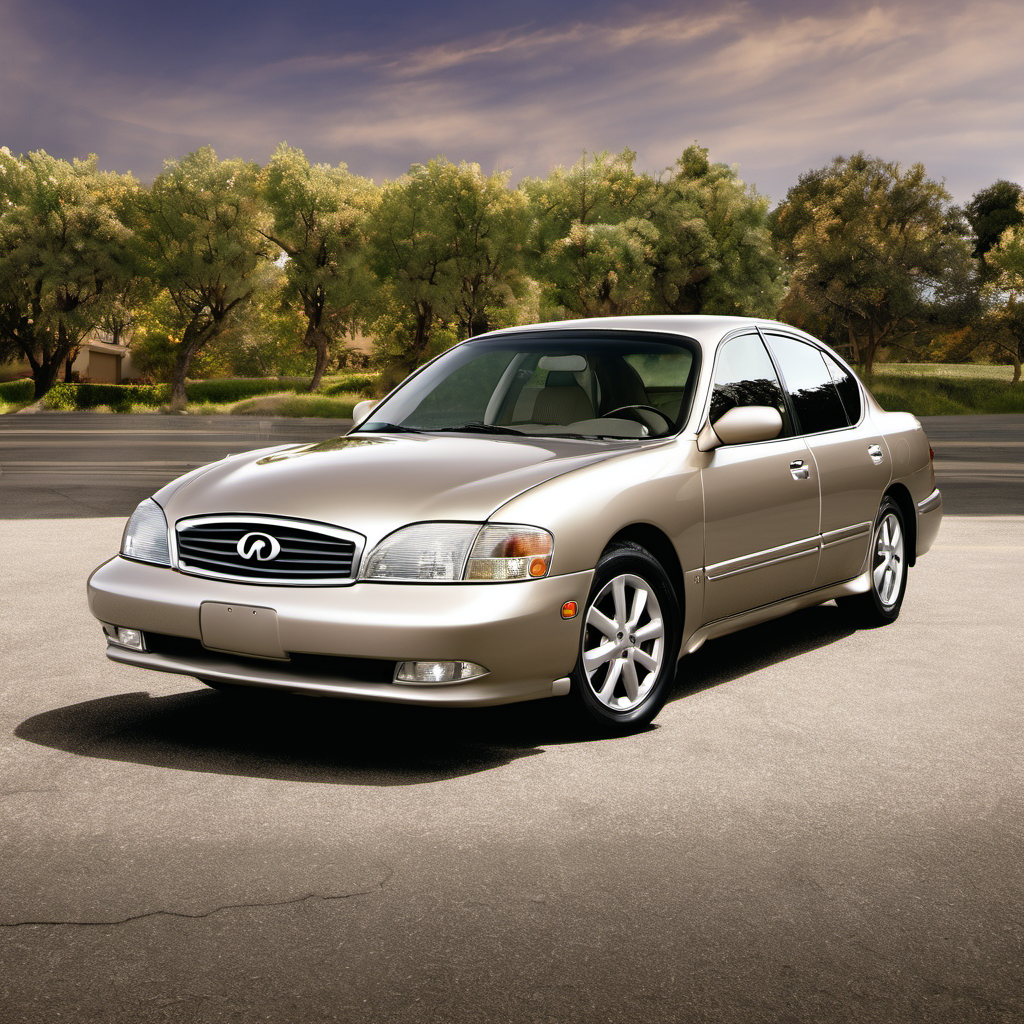
2001 INFINITI I Sedan

2001 INFINITI

ISedan

3.0L V6 (VQ30DE) · Sedan

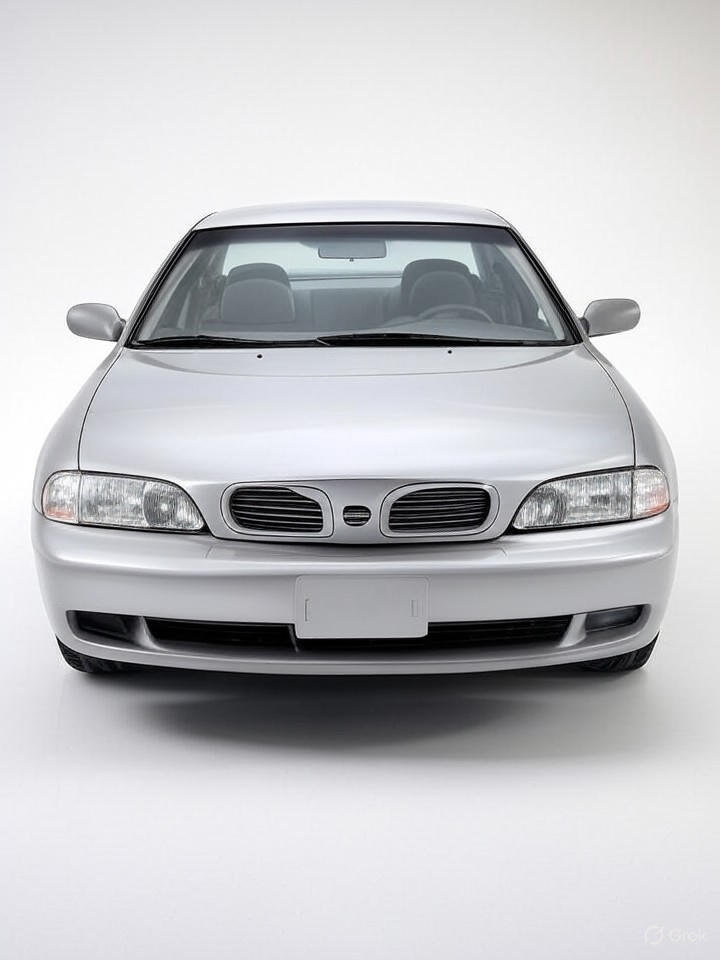
The 2001 Infiniti I30 (badged simply as the "I" Sedan) is a full-size luxury sedan built on Nissan's FF-L platform, sharing its underpinnings with the Nissan Maxima. Powered by a smooth 3.0L VQ30DE V6, it delivers a refined, quiet ride with a focus on comfort over sportiness — exactly what Infiniti's luxury-sedan buyers expected at the time. The VQ-series engine is one of Nissan/Infiniti's most celebrated powerplants, known for longevity and responsiveness. The I30 pairs it with a 4-speed automatic and front-wheel drive, resulting in a car that's easy to live with but lacks the all-weather capability of AWD alternatives. At 20+ years old now, the biggest ownership factor is finding one with a clean maintenance history. These cars have aged quietly — they were never flashy, but they were solid daily drivers. Parts are shared extensively with the Maxima, which keeps repair costs reasonable. Finding a well-kept example is the challenge at this age.

Reliability
4/5
Verified data
Engine
3.0L V6 (VQ30DE)
Drivetrain
FWD
Fuel
Gasoline
MPG
20 city / 28 hwy / 23 combined
Seats
5
Doors
4
Body
Sedan
MSRP
$33,345

Overview

AI-curated

The 2001 Infiniti I30 (badged simply as the "I" Sedan) is a full-size luxury sedan built on Nissan's FF-L platform, sharing its underpinnings with the Nissan Maxima. Powered by a smooth 3.0L VQ30DE V6, it delivers a refined, quiet ride with a focus on comfort over sportiness — exactly what Infiniti's luxury-sedan buyers expected at the time. The VQ-series engine is one of Nissan/Infiniti's most celebrated powerplants, known for longevity and responsiveness. The I30 pairs it with a 4-speed automatic and front-wheel drive, resulting in a car that's easy to live with but lacks the all-weather capability of AWD alternatives. At 20+ years old now, the biggest ownership factor is finding one with a clean maintenance history. These cars have aged quietly — they were never flashy, but they were solid daily drivers. Parts are shared extensively with the Maxima, which keeps repair costs reasonable. Finding a well-kept example is the challenge at this age.

Known for
  • Silky VQ30DE V6 engine with strong longevity
  • Comfortable, well-insulated cabin for its era
  • Nissan Maxima parts commonality keeping repair costs in check
  • Smooth, composed highway ride
Best for
  • Buyers wanting an affordable used luxury sedan
  • Highway commuters prioritizing comfort and fuel economy
  • Owners comfortable with basic DIY maintenance on an older vehicle
Watch for
  • High mileage examples with unknown oil change history — the VQ engine is oil-change sensitive
  • Front-wheel drive only — no AWD option for Wisconsin winters
  • Aging rubber: suspension bushings, motor mounts, and coolant hoses are all due at this age
  • Rust on the undercarriage and wheel wells from years of road salt exposure
  • Deteriorating interior plastics and peeling clear coat common on 20+ year old examples

Common issues by mileage

6 known

Camshaft Position Sensor / VVT Solenoid Failure

medium
Typically appears
80–150k mi
Estimated repair
$150 – $450

Oxygen / Air-Fuel Sensor Heater Circuit Failure

medium
Typically appears
80–130k mi
Estimated repair
$120 – $350

Coolant Hose and Thermostat Housing Leaks

high
Typically appears
100k+ mi
Estimated repair
$150 – $400

Front Struts and Suspension Bushings Worn Out

high
Typically appears
90k+ mi
Estimated repair
$400 – $900

Transmission Fluid Degradation / Shift Hesitation

medium
Typically appears
80–120k mi
Estimated repair
$100 – $250

Underbody / Subframe Rust (Salt Belt Vehicles)

high
Typically appears
Any mileage on upper Midwest cars
Estimated repair
$200 – $2,000

Maintenance schedule

  1. 1
    Every 5,000 miles or 6 months — do not stretch it Engine oil and filter change

    The VQ30DE's longevity depends heavily on clean oil. Sludge buildup from extended intervals is the #1 killer of this engine.

  2. 2
    Every 30,000 miles Transmission fluid service (drain and fill)

    Nissan's RE4F04B automatic is sensitive to old fluid. Regular fluid changes prevent shift hesitation and solenoid wear — often neglected on older examples.

  3. 3
    Every 4–5 years or when buying a used example Coolant flush and hose inspection

    Original hoses and coolant on a 20+ year old car are overdue. Coolant passages around the VQ engine can develop leaks that go unnoticed until overheating occurs.

  4. 4
    Every 30,000 miles (platinum) or immediately if unknown Spark plug replacement

    Worn plugs cause rough idle and poor fuel economy. On a used car with unknown history, replace them as baseline maintenance.

  5. 5
    Every 60,000 miles or at purchase Serpentine belt and tensioner inspection

    A 20+ year old belt is a roadside breakdown waiting to happen in Wisconsin cold. Replace proactively.

  6. 6
    Every 3 years Brake fluid flush

    Hygroscopic brake fluid absorbs moisture over time, reducing boiling point and promoting internal corrosion — critical in a salt-heavy environment.

  7. 7
    Every winter, monthly during road-salt season Undercarriage wash and inspection

    Lake Geneva roads are heavily salted. The I30's subframe, control arms, and brake lines are particularly vulnerable to salt corrosion at this age.

  8. 8
    Every fall before winter season Battery load test

    A battery that passes a basic test in summer can fail to start the car at -10°F. A load test catches marginal batteries before they leave you stranded.

Always defer to the manufacturer's service manual for warranty-mandated intervals.

Cost of ownership

Annual maintenance
$600 – $1,400
Fuel
At 23 MPG combined and roughly 12,000 miles/year, expect ~520 gallons annually. At current upper Midwest prices (~$3.30/gal regular), that's approximately $1,700/year in fuel.
Insurance
Typically low — older luxury sedan with modest book value. Expect $800–$1,200/year for full coverage depending on your record and zip code.

A well-maintained I30 is an affordable car to own. Parts are shared with the Nissan Maxima, so nothing is exotic-luxury expensive. The real cost risk is deferred maintenance on a high-mileage example — catching up on 20 years of skipped service items can run $1,500–$3,000 upfront. After that, routine costs are very manageable for the segment.
Seasonal care

Lake Geneva, WI
Winter
  • Test battery every fall with a load tester — the VQ30DE starts fine in summer but a weak battery will fail at sub-zero Lake Geneva temps
  • Switch to a full-synthetic 5W-30 oil before winter for faster cold-start lubrication
  • Inspect and replace wiper blades with winter-rated blades; keep washer fluid rated to at least -20°F — the reservoir can crack if plain water freezes
  • This car is FWD only — fit a proper set of winter tires for Wisconsin conditions; all-seasons on an FWD are inadequate in heavy snow
  • Flush and inspect the brake lines and calipers for rust — salt corrosion on a 20+ year old car is a real safety issue
  • Wash the undercarriage every 2–3 weeks during salting season to slow corrosion on the aging subframe and brake lines
Summer
  • Check tire pressure monthly — tires gain roughly 1 PSI for every 10°F of temperature rise, leading to overinflation in summer heat
  • Inspect the A/C system refrigerant and cabin filter — the evaporator and condenser are original and may be weak after 20+ years
  • Check coolant level and condition before hot-weather driving; watch for any sweet smell or steam that could indicate a hose or thermostat leak
  • Inspect the serpentine belt for cracking — heat accelerates rubber degradation on aging belts

Comparable vehicles

If you're shopping for one

Red flags
  • Any rust perforation on the floorboards, rocker panels, or subframe mounting points
  • Oil sludge visible under the valve cover cap — indicates chronic oil change neglect on the VQ engine
  • Transmission slipping, delayed engagement, or harsh shifts — rebuilds on this unit run $1,500–$2,500
  • Check engine light on or recently cleared (ask for a scan before purchase)
  • Coolant mixed with oil (milky residue on dipstick or oil cap) — head gasket or worse
  • Any seller who cannot produce at least a partial service history on a 20+ year old luxury vehicle
What to inspect
  • Check the undercarriage, wheel wells, and subframe for rust — a Wisconsin car this age will show salt damage; some is normal, severe pitting or holes is a dealbreaker
  • Warm up the engine and look for oil leaks at the valve cover gaskets and around the VQ engine's timing cover
  • Test the transmission through all gears — it should shift smoothly without hesitation, flares, or hard clunks
  • Run the A/C on max cold and confirm it blows cold within 2 minutes; recharging or repairing a 20-year-old A/C system can be $300–$800
  • Inspect all coolant hoses by squeezing them — they should feel firm and pliable, not hard/brittle or soft/mushy
  • Look for oil sludge by pulling the oil cap — a thick dark paste inside means the engine was not maintained and may have internal damage
AI profile generated 11 days ago · claude-sonnet-4-6 · v2.