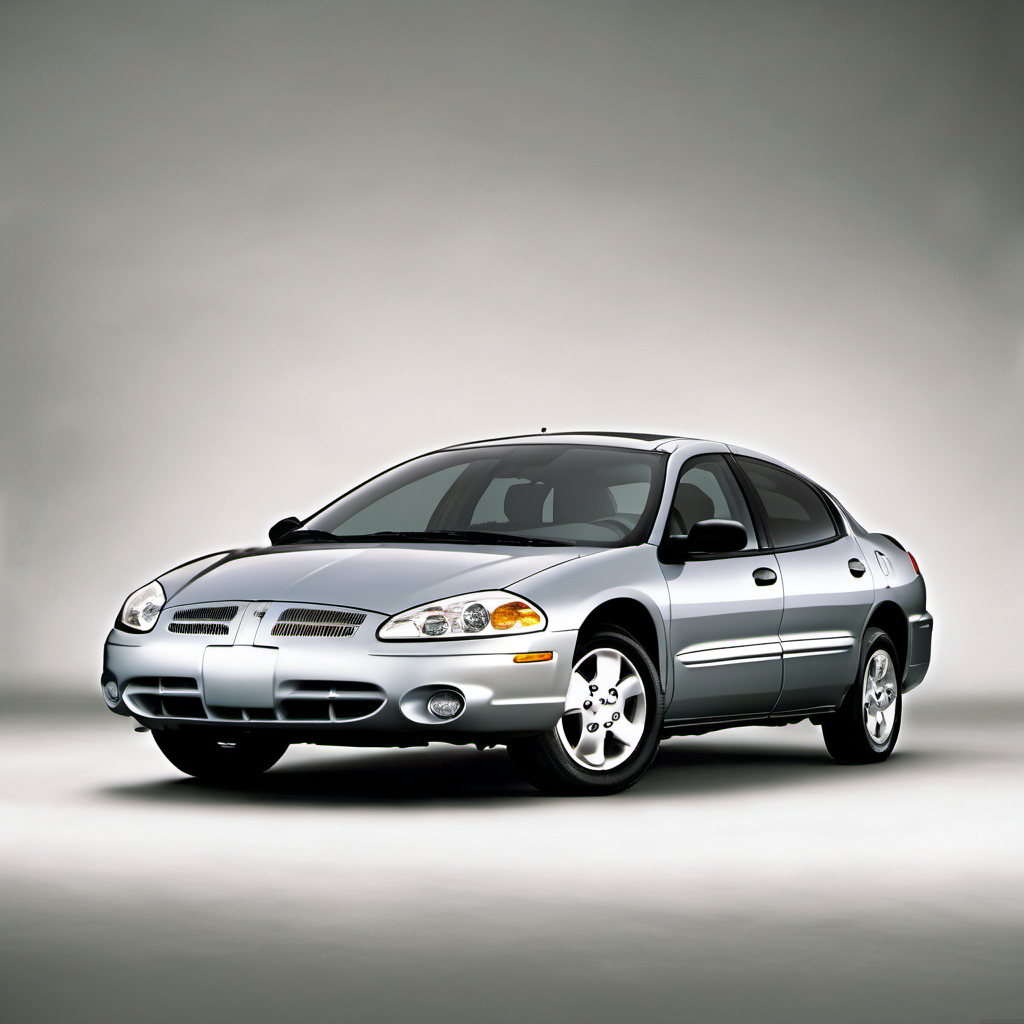
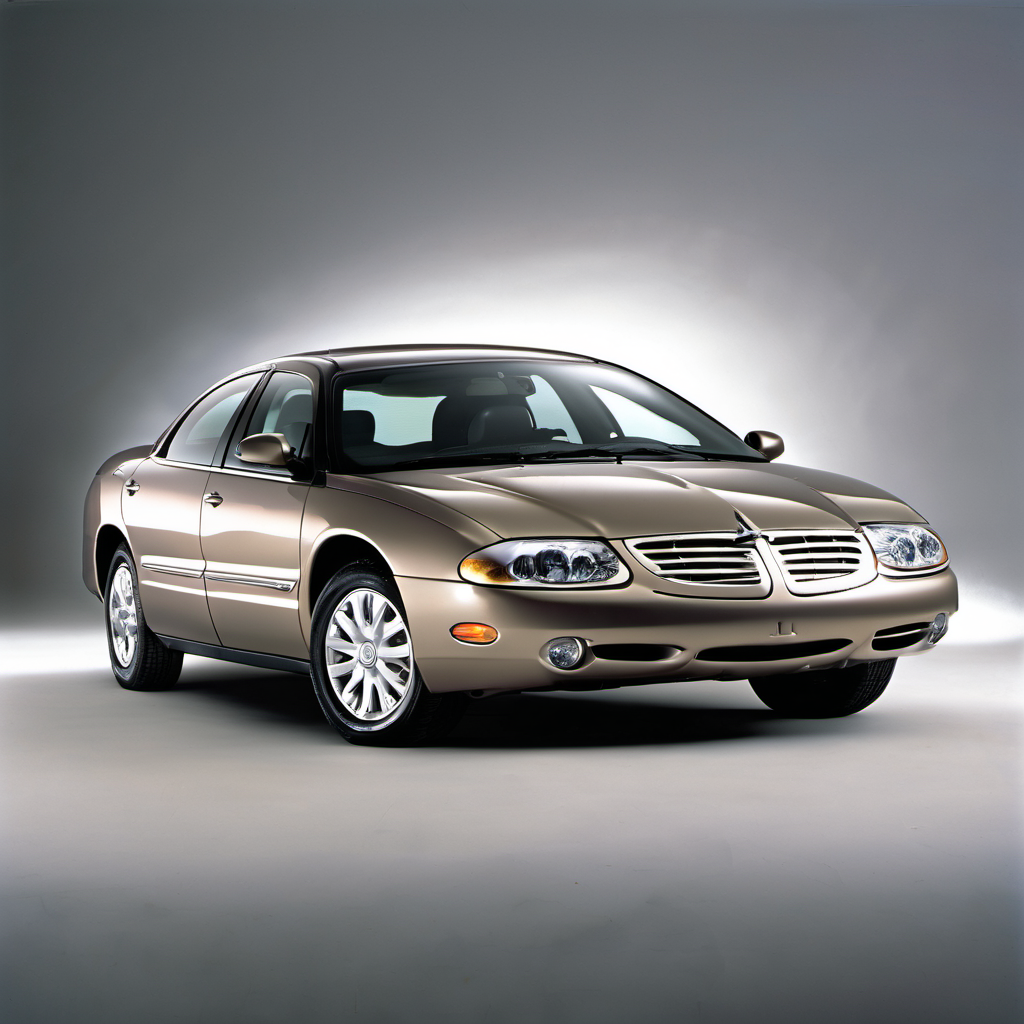
2001 Dodge Intrepid Sedan

2001 Dodge

IntrepidSedan

Sedan

The 2001 Dodge Intrepid is a full-size front-wheel-drive sedan built on Chrysler's LH platform, sharing its bones with the Chrysler 300M and Concorde. It was marketed as an affordable, spacious American alternative to import sedans, offering a long wheelbase and a genuinely roomy back seat for the money. Performance and comfort were the pitch — practicality was delivered, long-term dependability less so. The 2.7L V6 found in this example is the engine that defines the Intrepid's reputation problem. It is known for catastrophic sludging under anything less than perfect oil-change discipline, leading to oil passage blockages and timing chain failures that can destroy the engine with no warning. This is not a minor quirk — it is the single biggest factor in this car's ownership calculus. That said, well-maintained 2001 Intrepids with documented oil-change histories do exist and can still provide comfortable, inexpensive transportation. The body is rust-prone in Wisconsin climates, and many of these cars are now approaching or past the point where repair costs exceed value. Buy carefully, maintain fastidiously, and keep a close eye on oil condition.

Reliability
2/5
Verified data
Specs shown for Intrepid — the most common configuration. Other trims may vary in engine, drivetrain, or fuel economy. Sign in to see your vehicle's exact specs.
Engine
[object Object]
Drivetrain
FWD
Fuel
Gasoline
MPG
17 city / 25 hwy / 20 combined
Seats
Doors
Body
Large Cars

Overview

AI-curated

The 2001 Dodge Intrepid is a full-size front-wheel-drive sedan built on Chrysler's LH platform, sharing its bones with the Chrysler 300M and Concorde. It was marketed as an affordable, spacious American alternative to import sedans, offering a long wheelbase and a genuinely roomy back seat for the money. Performance and comfort were the pitch — practicality was delivered, long-term dependability less so. The 2.7L V6 found in this example is the engine that defines the Intrepid's reputation problem. It is known for catastrophic sludging under anything less than perfect oil-change discipline, leading to oil passage blockages and timing chain failures that can destroy the engine with no warning. This is not a minor quirk — it is the single biggest factor in this car's ownership calculus. That said, well-maintained 2001 Intrepids with documented oil-change histories do exist and can still provide comfortable, inexpensive transportation. The body is rust-prone in Wisconsin climates, and many of these cars are now approaching or past the point where repair costs exceed value. Buy carefully, maintain fastidiously, and keep a close eye on oil condition.

Known for
  • Spacious, car-show-big interior for the price
  • Smooth, quiet highway ride on the LH platform
  • 2.7L V6 engine sludging reputation
  • Affordable purchase price
Best for
  • Budget-conscious buyers who can document the car's oil change history
  • Highway commuters wanting a large, comfortable sedan cheaply
  • DIY-friendly owners who stay on top of maintenance
Watch for
  • 2.7L engine oil sludge — kills engines silently and quickly
  • Rust on subframe, wheel wells, and floor pans in Midwest/salt-belt cars
  • Transmission wear on higher-mileage examples
  • Coolant leaks from intake manifold and water pump

Common issues by mileage

6 known

2.7L Engine Oil Sludge and Timing Chain Failure

high
Typically appears
60–150k mi
Estimated repair
$1,800 – $5,500

Intake Valve / Cam Phaser Solenoid Circuit Faults (linked to sludge)

medium
Typically appears
80–150k mi
Estimated repair
$200 – $900

Cooling System Failures — Water Pump and Intake Manifold Leaks

high
Typically appears
70–130k mi
Estimated repair
$300 – $900

Oxygen Sensor and Heater Circuit Failures

medium
Typically appears
80–130k mi
Estimated repair
$150 – $400

4-Speed Automatic Transmission Wear and Slipping

medium
Typically appears
100–160k mi
Estimated repair
$1,200 – $3,200

Subframe and Underbody Rust (salt-belt corrosion)

high
Typically appears
Any mileage on Wisconsin/Midwest vehicles
Estimated repair
$400 – $2,500

Maintenance schedule

  1. 1
    Every 3,000–4,000 miles on the 2.7L — no exceptions Engine oil and filter change — use full synthetic 5W-30

    The 2.7L's narrow oil passages sludge rapidly with conventional oil or extended intervals. Full synthetic and short intervals are the single most important thing you can do to keep this engine alive.

  2. 2
    Every 2 years or 30,000 miles Coolant flush and inspection of water pump and hoses

    The 2.7L water pump is driven by the timing chain — a failed water pump can take the chain with it. Catching coolant leaks early is critical.

  3. 3
    Every 30,000 miles Transmission fluid change

    Chrysler's 4-speed in this generation wears faster with old fluid. Fresh fluid extends life noticeably on higher-mileage units.

  4. 4
    Every 30,000 miles Inspect and clean throttle body

    Carbon buildup on the throttle body causes rough idle and hesitation common on these engines.

  5. 5
    At 100,000 miles or if oil sludge is suspected Inspect timing chain tensioners and guides

    Sludge starves the tensioners, causing chain slap and eventual skipped timing — which means engine damage. Catching this early saves thousands.

  6. 6
    Every fall, before Wisconsin winter Battery load test

    The 2.7L already has cold-start fuel enrichment demands. A weak battery in sub-zero temps will leave you stranded. Test and replace proactively.

  7. 7
    Every year on Wisconsin vehicles Inspect brake lines and fuel lines for rust and corrosion

    Salt exposure accelerates corrosion on steel lines. A rusted brake line failure is a safety emergency; catching it at inspection is cheap compared to emergency repair.

  8. 8
    Every fall and as needed through winter Check and top off windshield washer fluid with winter-rated fluid

    Wisconsin winters demand fluid rated to at least -20°F. Summer-grade fluid freezes in the reservoir and on the windshield — both dangerous and damaging.

Always defer to the manufacturer's service manual for warranty-mandated intervals.

Cost of ownership

Annual maintenance
$800 – $2,200
Fuel
At ~20 MPG combined, expect roughly $1,800–$2,400/year at current upper-Midwest gas prices for average 12,000-mile driving.
Insurance
Low — full coverage on a vehicle of this age and value typically runs $600–$1,000/year depending on driver profile.

The Intrepid is cheap to buy and insure, but the 2.7L engine demands disciplined, more-frequent-than-average oil changes and cooling system attention. If those are neglected, a single engine or transmission repair can easily exceed the car's market value. Budget for the possibility of a major repair within the next 30,000–40,000 miles on any high-mileage example.
Seasonal care

Lake Geneva, WI
Winter
  • Test the battery every fall — cold-crank demands on the 2.7L are high and a marginal battery will fail at the worst time in sub-zero temps.
  • Switch to full synthetic 5W-30 if not already used; it flows better at cold startup, which is when sludge-prone 2.7L engines suffer the most wear.
  • Fill washer fluid with -20°F or colder rated fluid before first freeze; the reservoir sits in an exposed location and summer fluid will freeze and crack the pump.
  • Inspect and treat undercarriage with rust inhibitor each fall — road salt in Lake Geneva area accelerates the subframe and brake-line corrosion already common on these cars.
  • Check antifreeze concentration — this engine's cooling system is already prone to leaks; make sure freeze protection is adequate to at least -34°F.
  • Keep the fuel tank above half when possible in deep cold to reduce condensation in the tank and ease cold starts.
Summer
  • Check tire pressure monthly — the Intrepid runs relatively low-profile tires and pressure drops 1 PSI for every 10°F drop and rises with heat; overinflation in summer heat accelerates center tread wear.
  • Inspect the A/C system for refrigerant leaks before the season — the condenser on this platform is vulnerable to road debris damage and leaks are common on older examples.
  • Monitor coolant temperature closely in stop-and-go traffic; the 2.7L runs warm and a failing thermostat or low coolant from a slow leak can push it into dangerous territory fast.
  • Check engine oil level and condition more frequently in summer heat — high temps accelerate oxidation and sludge formation in the already-sensitive 2.7L.

Comparable vehicles

If you're shopping for one

Red flags
  • No oil change records or vague service history — walk away from a 2.7L Intrepid with no paperwork.
  • Any sign of oil sludge on the oil cap or inside the valve covers — indicates the engine is already compromised.
  • Milky or brown oil on the dipstick — coolant mixing with oil, likely head gasket or water pump failure.
  • Timing chain rattle or knock on cold start — indicates stretched chain from sludge-starved tensioners; expensive repair ahead.
  • Rust visible on the subframe, rear wheel wells, or floor pan seams — structural corrosion is common and costly on Wisconsin cars of this age.
  • Check engine light on or recently cleared codes — run a full scan before purchase; camshaft timing codes (P0012, P0015, P0022, P0025) on a 2.7L are a serious red flag.
What to inspect
  • Pull the oil cap and look inside the valve cover opening for sludge — black tar-like buildup means the engine has been neglected.
  • Check coolant level and condition in the overflow reservoir; look for oil sheen or discoloration.
  • Scan for DTCs even if no check engine light is present — pending codes related to camshaft timing or O2 sensors are common.
  • Inspect underneath for rust on the subframe rails, brake lines, and fuel lines — bring a flashlight.
  • Listen for transmission shudder or hesitation on light throttle acceleration, especially when warmed up.
  • Check all four door jambs and the trunk floor for rust blistering or repair evidence from previous rust work.
AI profile generated 11 days ago · claude-sonnet-4-6 · v2.